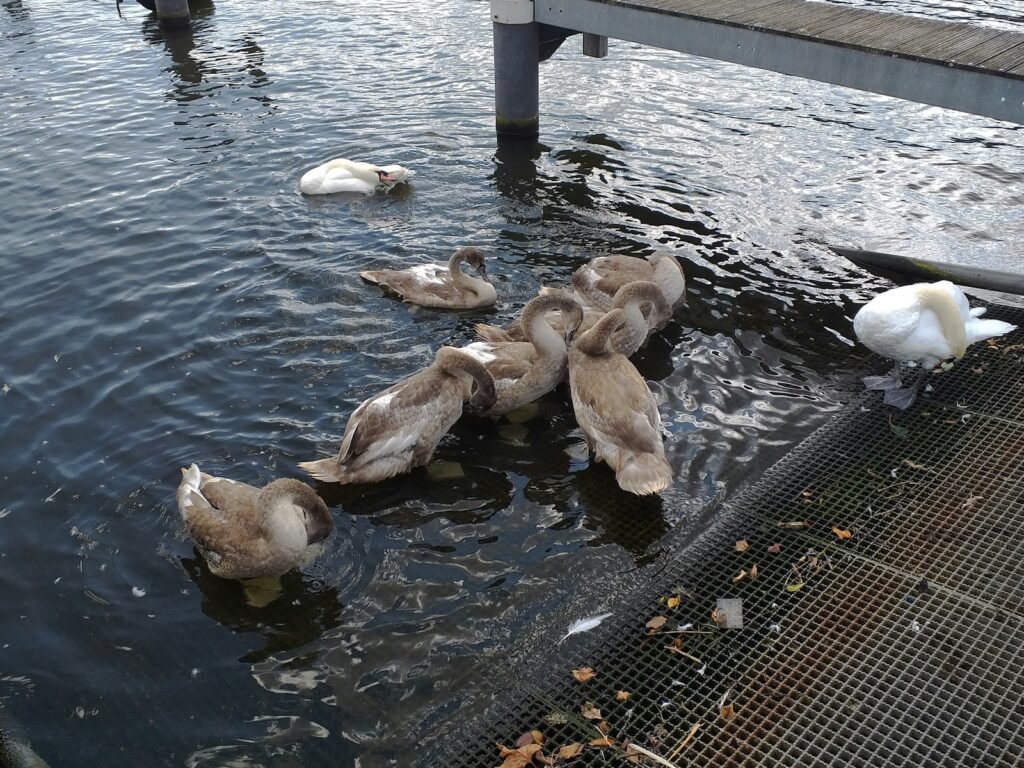

As urban environments continue to expand, so does the remarkable adaptability of animals to these ever-changing landscapes. While many might assume that city life is inhospitable for wildlife, numerous species have demonstrated an extraordinary ability to adjust and thrive amidst skyscrapers and noisy streets. This dynamic interplay between nature and urbanization not only highlights the resilience of these animals but also underscores the complexity of ecological adaptation. Let’s explore ten fascinating ways animals are adapting to human cities faster than we realize.
Raccoons: The Dumpster Divers
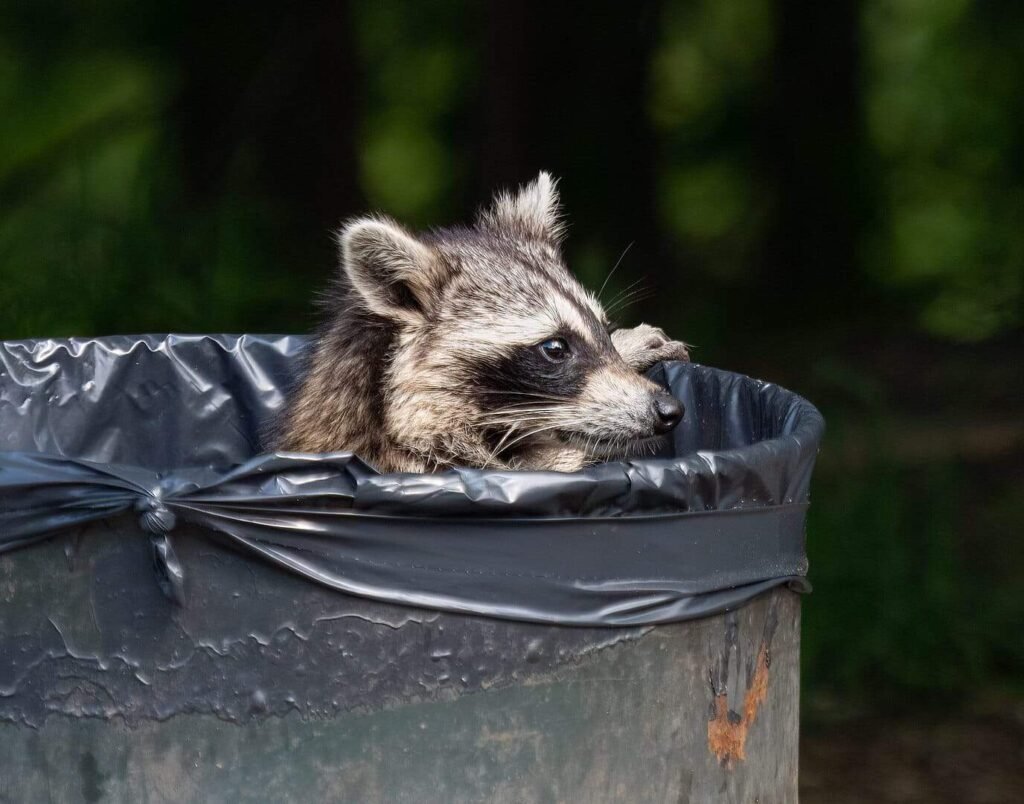
Raccoons have become synonymous with city life due to their knack for scavenging. Urban landscapes offer these intelligent mammals an abundance of food options, from overflowing dumpsters to unattended dog food. Their nimble paws and acute problem-solving skills allow them to access food sources that are otherwise difficult to reach. Studies have shown that urban raccoons often exhibit higher levels of intelligence compared to their rural counterparts, adapting to complex environments by learning how to open trash bins and even operate simple locks.
Pigeons: Navigators of the Concrete Jungle
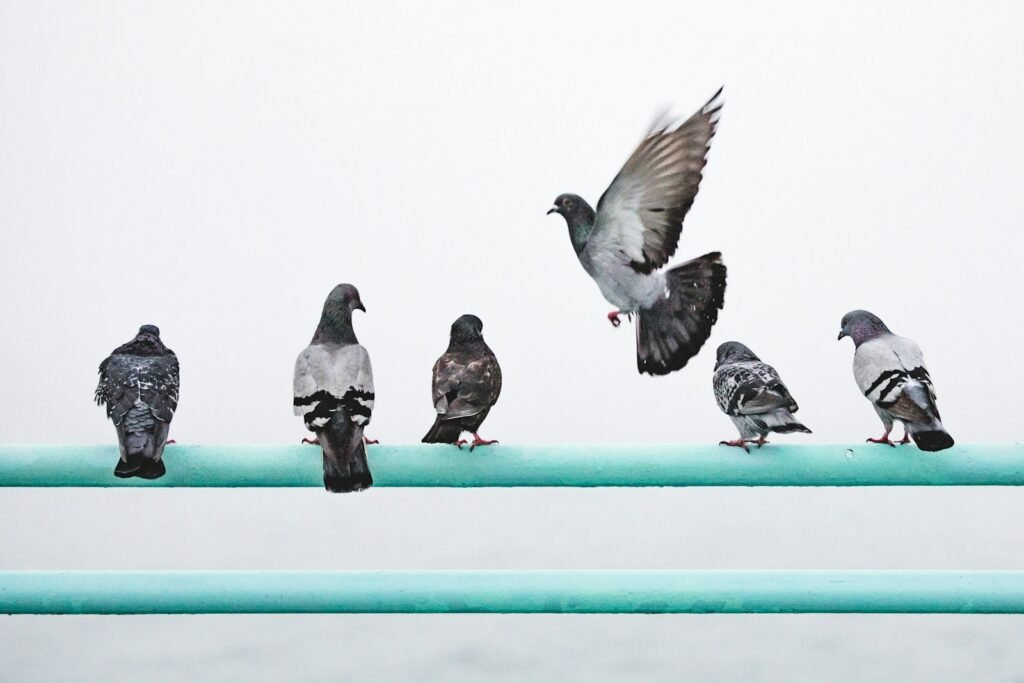
Once messengers of the sky, pigeons, or “city doves,” have become ubiquitous in urban centers around the world. Their ability to thrive in cities is partly due to their impressive navigational skills and adaptability to a varied diet. From leftover fast food to seeds scattered in parks, pigeons have adjusted their feeding habits to suit urban life. Their capacity to navigate through intricate cityscapes is enhanced by their excellent memory and vision, making them a permanent fixture in most urban areas.
Foxes: The Urban Survivors

While traditionally associated with the countryside, foxes have increasingly been spotted in urban settings. These clever carnivores have adapted their hunting techniques to prey on city-dwelling rats, birds, and even food scraps. Urban foxes tend to be bolder and more tolerant of human presence, showcasing altered behavioral patterns that favor city survival. Their ability to exploit the city’s food supply and find shelter in parks and gardens highlights their capacity for rapid adaptation.
Skunks: The Nighttime Foragers
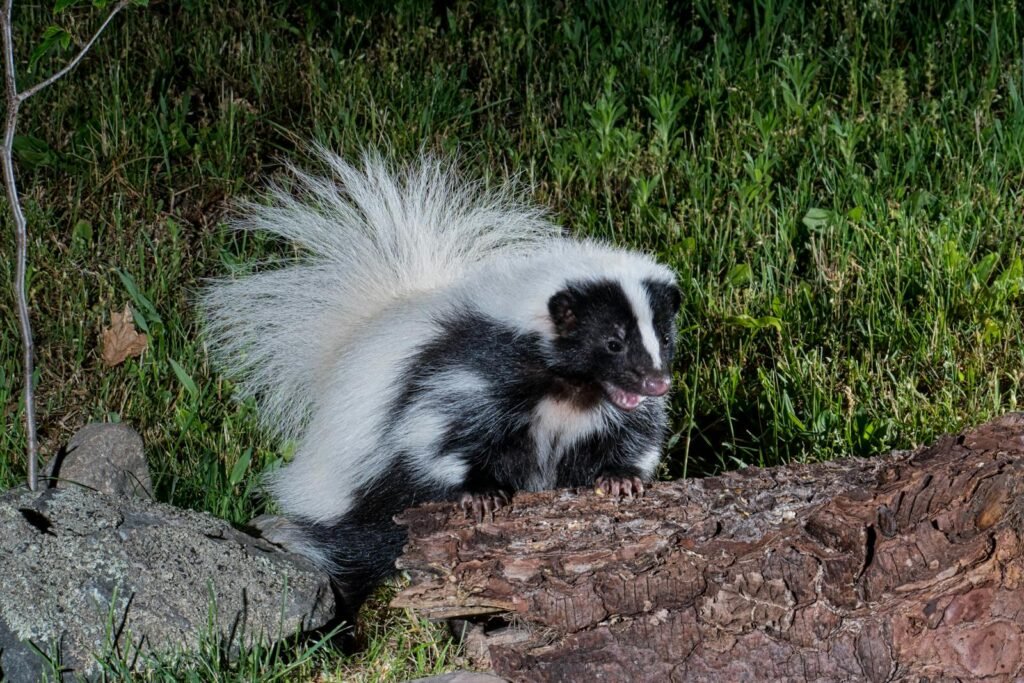
City life suits skunks exceptionally well, as these nocturnal animals have adjusted their foraging behavior to the rhythms of urban environments. Skunks are drawn to cities by the abundance of food waste and their ability to remain mostly undetected due to their nighttime activities. Despite their distinctive odor, skunks contribute to urban ecology by controlling insect and rodent populations, serving as unexpected allies in managing city wildlife.
Coyotes: Urban Carnivores
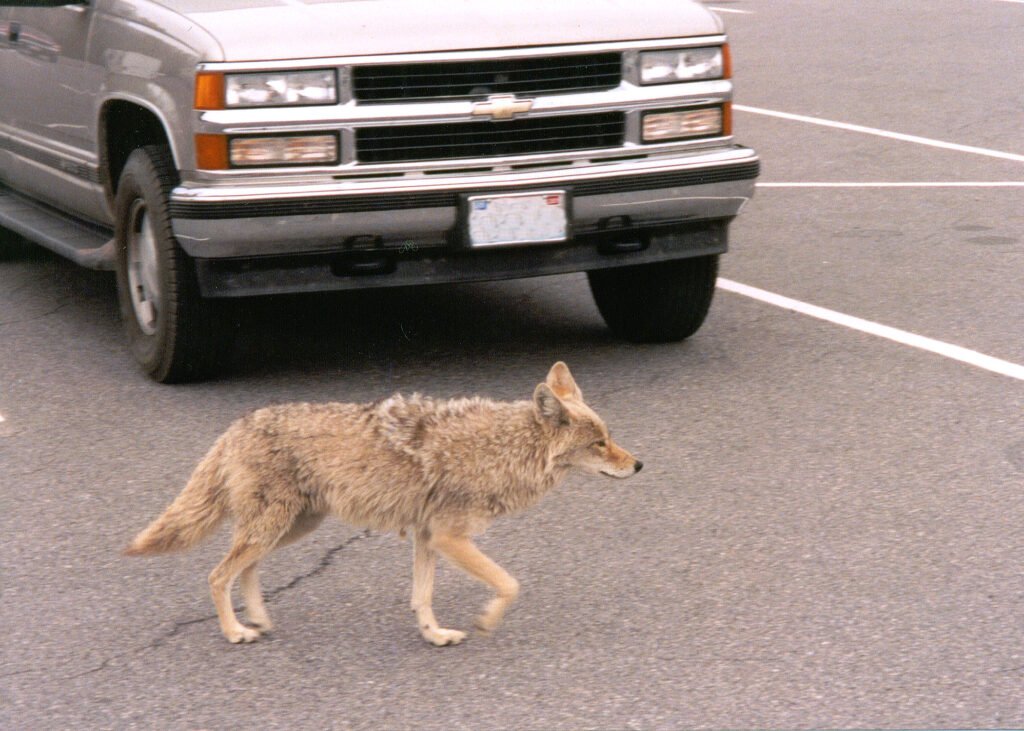
Coyote populations are resurging in many North American cities, where they find ample food sources and fewer natural predators. These adaptable animals demonstrate behavioral flexibility by hunting small mammals and feasting on discarded human food. Urban coyotes have even been known to cooperate, hunting in small packs, which increases their success in acquiring food. Their presence, while sometimes controversial, exemplifies their ability to integrate into urban ecosystems.
Sparrows: The Opportunistic Feeders
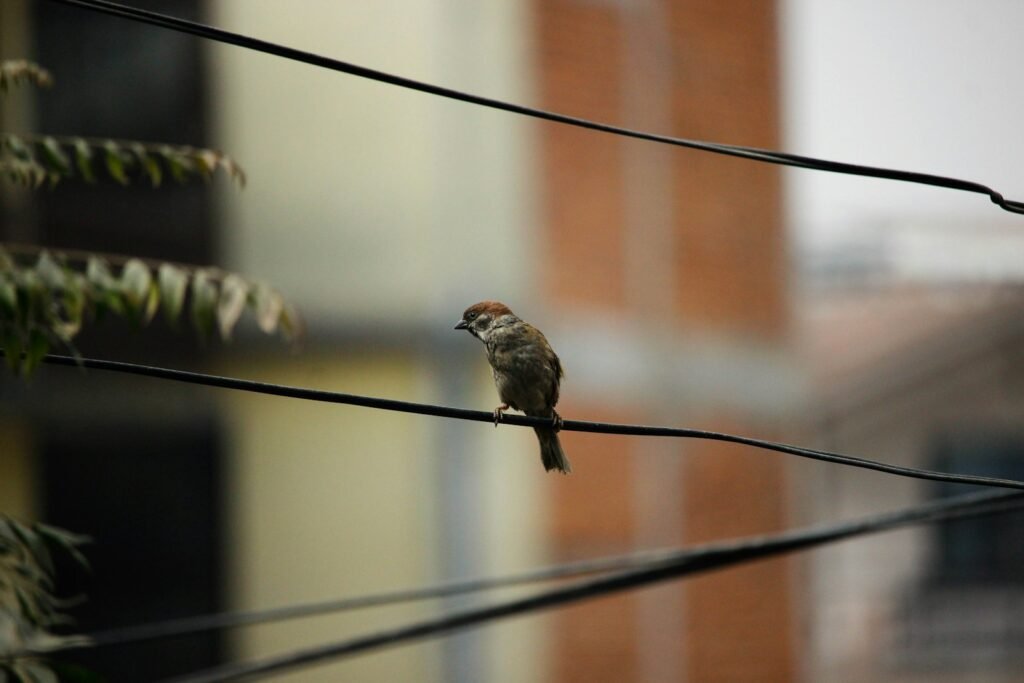
Sparrows, particularly house sparrows, have been quick to exploit urban environments. These birds have become adept at adapting their nesting sites, opting for building eaves and other urban structures in place of natural tree cavities. Their dietary flexibility allows them to thrive on human food waste, crumbs left behind, and even insects attracted to artificial lights. Sparrows are a testimony to how some species can capitalize on the resources offered by urban living.
Bats: Navigating a New Nocturnal Territory
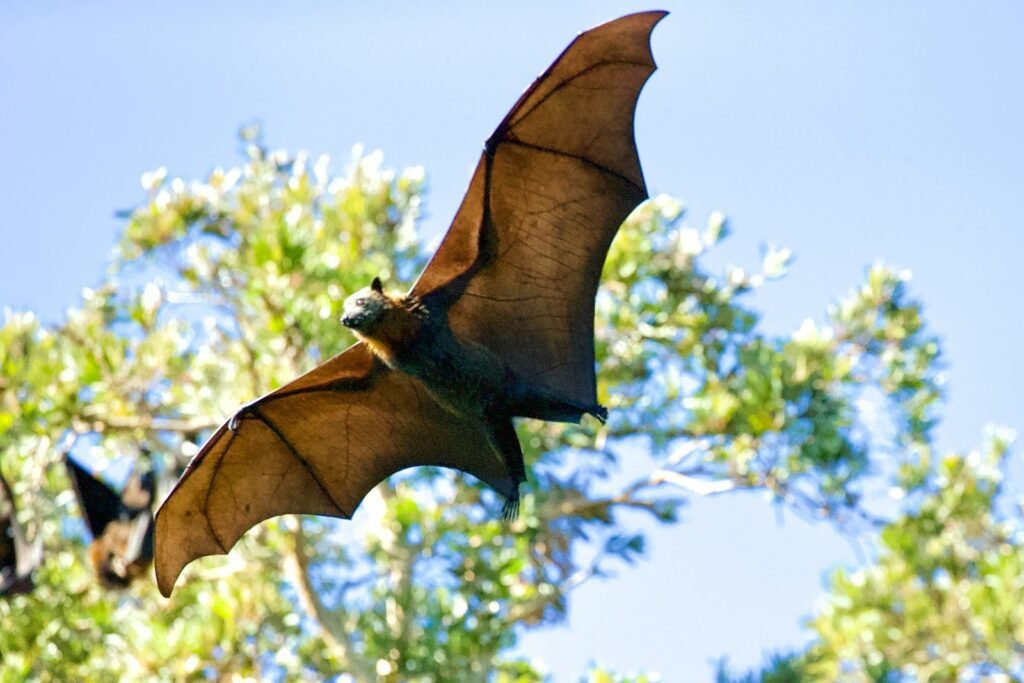
Bats are making their mark in cities by exploiting structures for roosting and the high number of insects drawn to city lights. Certain bat species have adapted to urban areas by altering their echolocation and flight patterns to avoid collisions with buildings. The presence of bats in cities aids in controlling insect populations, providing a natural form of pest management that benefits urban residents.
Opossums: The Resourceful Urbanites
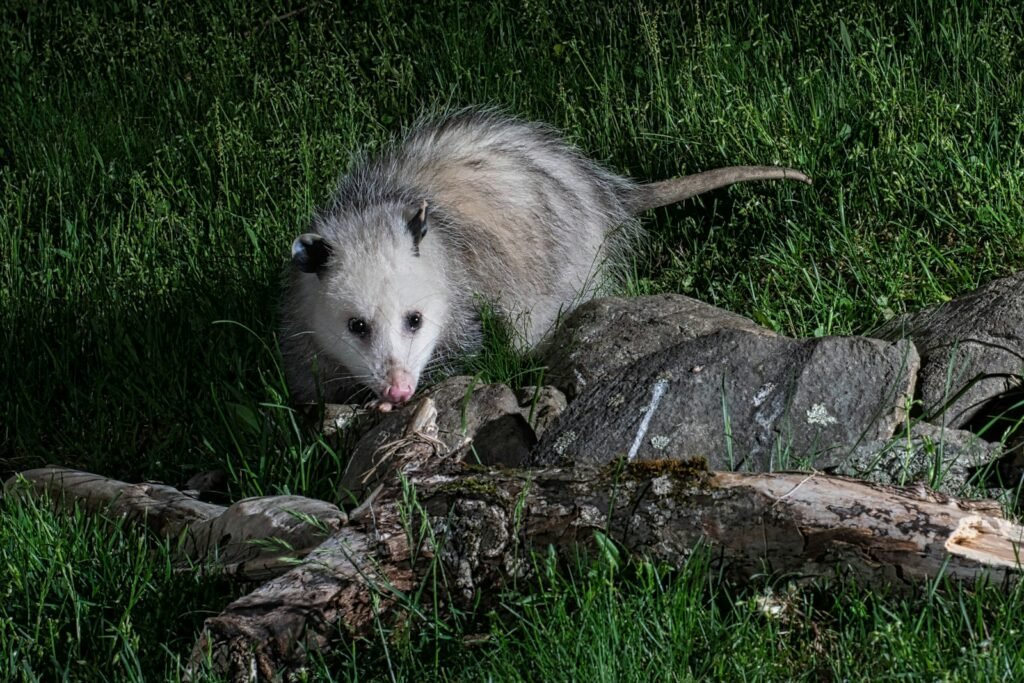
Much like their raccoon counterparts, opossums have become fixture city inhabitants due to their opportunistic behavior. These adaptable marsupials are excellent scavengers, feeding on a diet that includes fruits, insects, small rodents, and leftovers. Their resilience is enhanced by their ability to simulate death when threatened, a tactic that can deter urban predators. Opossums contribute to urban biodiversity, playing a role in maintaining the ecological balance.
Crows: Intelligent Innovators

Crows are renowned for their intelligence and complex social structures, traits that have given them an edge in urban environments. These birds have been observed using tools and even exploiting human activities to obtain food. Crows adapt their foraging strategies based on urban opportunities, such as waiting for traffic signals to gather nuts from roads or watching humans for potential meal cues. Their vocal repertoire also expands in cities, possibly aiding communication and survival.
Falcons: Skyliners of the Urban World
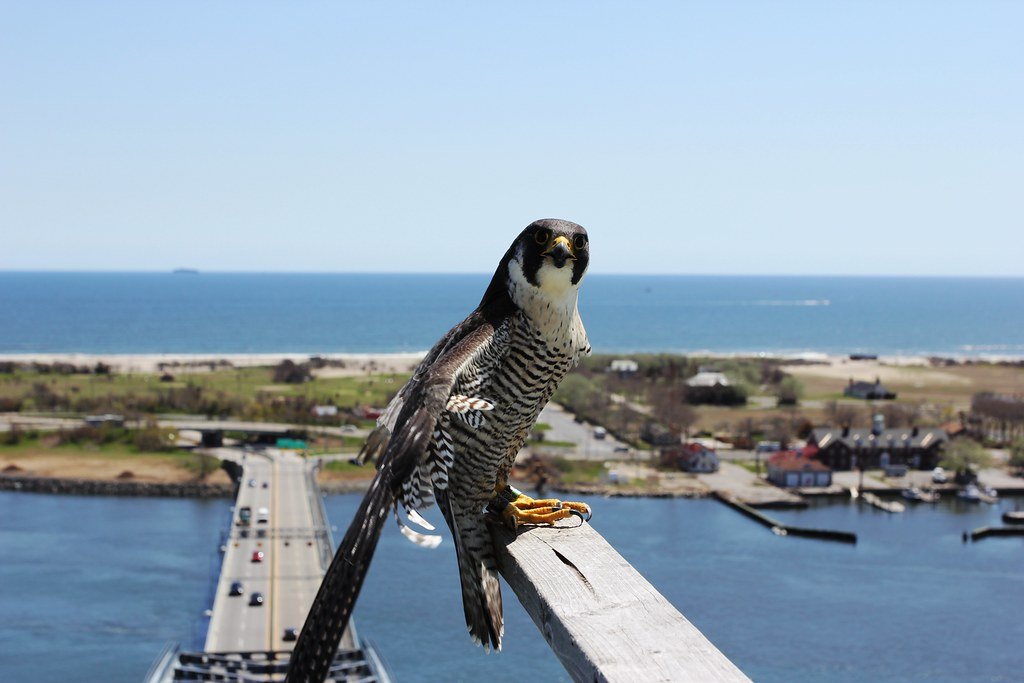
Peregrine falcons have made a notable comeback in several cities, where tall buildings mimic their natural cliff habitats. These birds of prey have adapted their hunting tactics to capture pigeons and other city birds, effectively managing urban avian populations. The presence of falcons in cities is a testament to their adaptability and the unintentional creation of urban cliff environments through skyscraper construction. Conservation efforts and cleaner urban environments have further facilitated their success in cityscapes.
In conclusion, the ways in which animals are adapting to urban environments illustrate a profound ability to thrive alongside human development. While the presence of wildlife in cities can occasionally lead to conflict, these adaptations highlight the resilience and flexibility of urban-dwelling animals. As cities continue to evolve, it will be increasingly important to find a balance that supports both human and wildlife well-being, ensuring that urban ecosystems remain vibrant and diverse.