Imagine hearing the heartbreaking tale of a species declared extinct, only to be astonished later by its miraculous return. Such moments are described as part of the “Lazarus Effect,” named after the biblical Lazarus who rose from the dead. Across the animal kingdom, some species thought to be lost forever have been rediscovered, offering hope and awe to scientists and nature enthusiasts alike. Let’s explore eight such remarkable cases.
The Coelacanth: A Deep-Sea Marvel

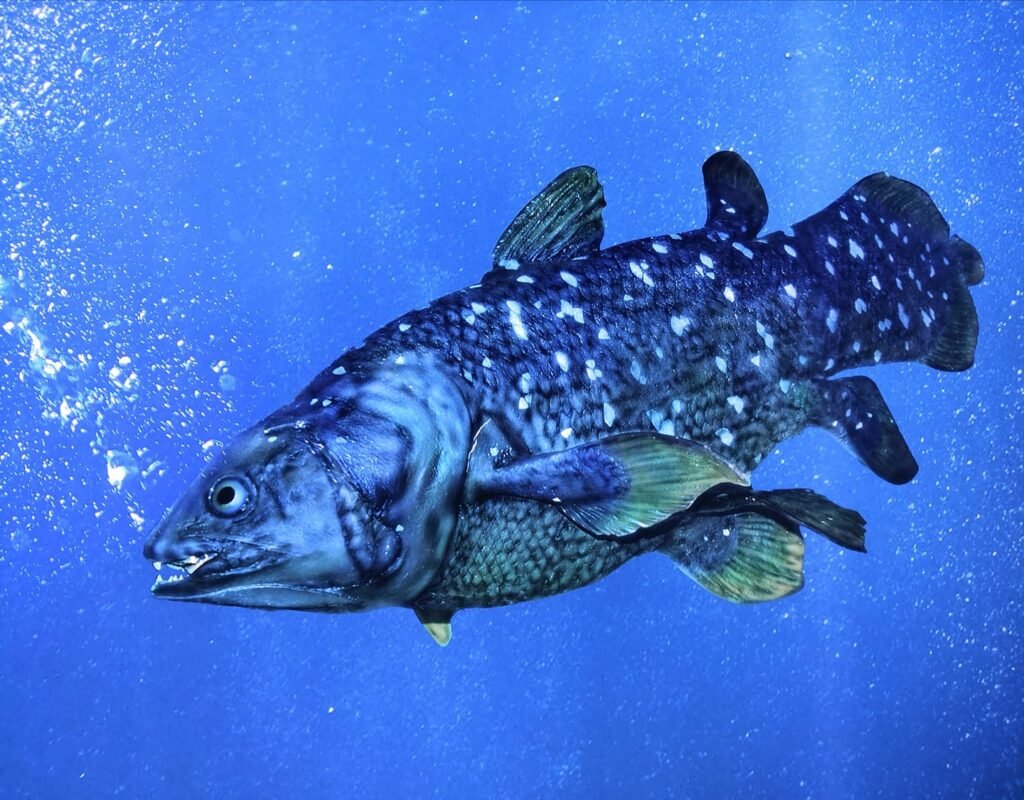
The coelacanth was believed to have vanished 65 million years ago, along with the dinosaurs. However, in 1938, a living coelacanth was astonishingly discovered off the coast of South Africa. This deep-sea fish, often referred to as a “living fossil,” can grow up to 2 meters in length. Its distinct lobed fins suggest its evolutionary link to amphibians, offering vital insights into vertebrate transition from water to land.
The Lord Howe Island Stick Insect: A Crawling Comeback

Once abundant on Lord Howe Island, this giant stick insect was considered extinct after rats invaded the island in 1918. In 2001, however, researchers found a remnant population clinging to life on Ball’s Pyramid, a remote sea stack. Nicknamed the “tree lobster,” conservationists have since undertaken breeding programs to reintroduce these six-legged wonders back to their original habitat.
The Takahe: Resurgence in New Zealand

The takahe, a flightless bird native to New Zealand, was presumed extinct in the late 19th century. Yet, in 1948, an expedition led by Geoffrey Orbell rediscovered the species in a remote Fiordland valley. Efforts to protect the birds have gradually increased their numbers, with breeding and relocation programs proving essential in safeguarding their future.
The Pygmy Tarsier: Rediscovered on the Island of Sulawesi

Thought to be missing for nearly a century, the pygmy tarsier was rediscovered in 2000 during a research expedition in Indonesia. These small primates, with their distinctive large eyes and delicate features, are nocturnal and highly elusive. Their reappearance has prompted further ecological studies, emphasizing their critical role in local forest ecosystems.
The La Palma Giant Lizard: Rising from the Ashes
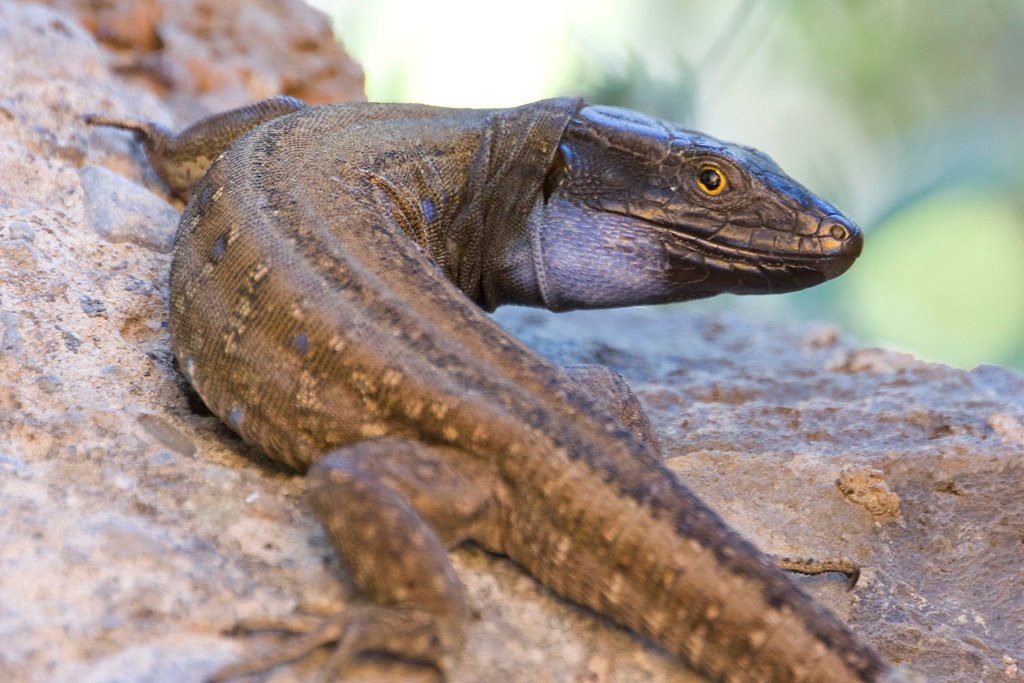
For centuries, the La Palma giant lizard was thought to be extinct, largely due to predation by introduced species. However, in 2007, a small population was discovered living in the rugged terrain of the Canary Islands. Conservationists are actively monitoring these lizards with hopes of bolstering their numbers and preserving their fragile ecosystem.
The Ivory-Billed Woodpecker: A Controversial Comeback
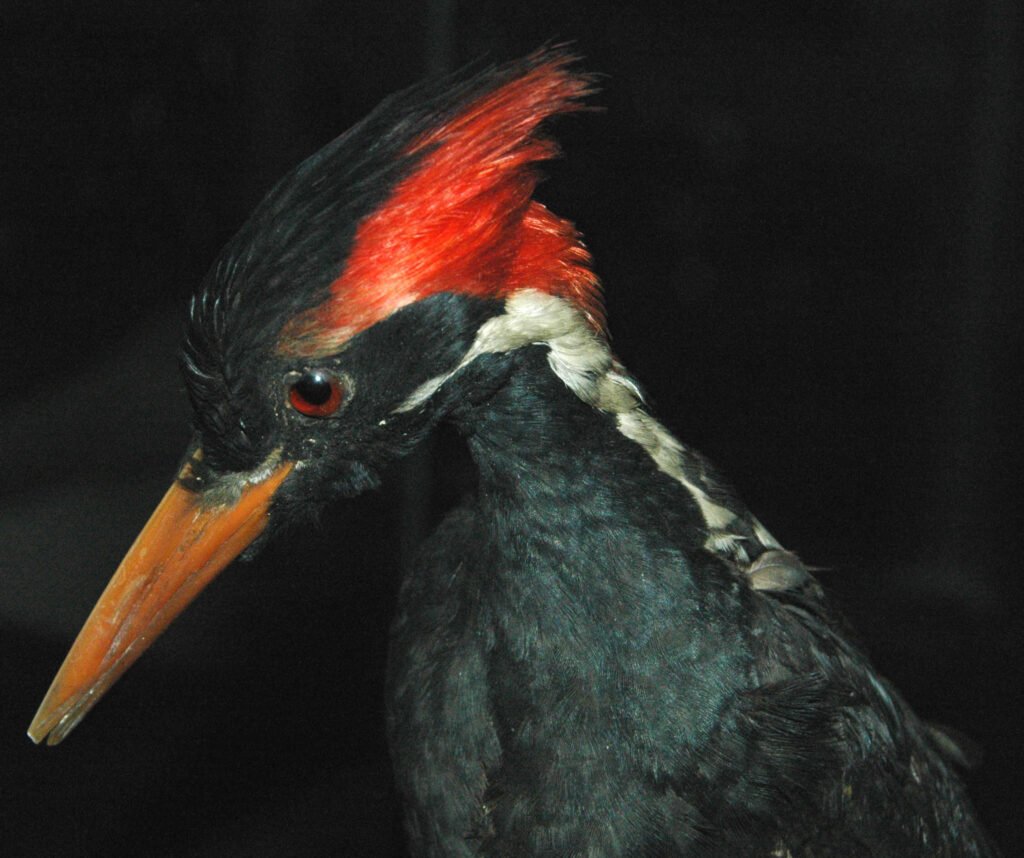
Long considered extinct in North America, sighting claims of the ivory-billed woodpecker have sparked excitement and skepticism. Last confirmed in the 1940s, recent unverified reports have invigorated conservation discussions. The debate surrounding its existence underscores the urgent need for habitat protection and the careful study of endangered species.
The Fernandina Tortoise: An Endangered Giant
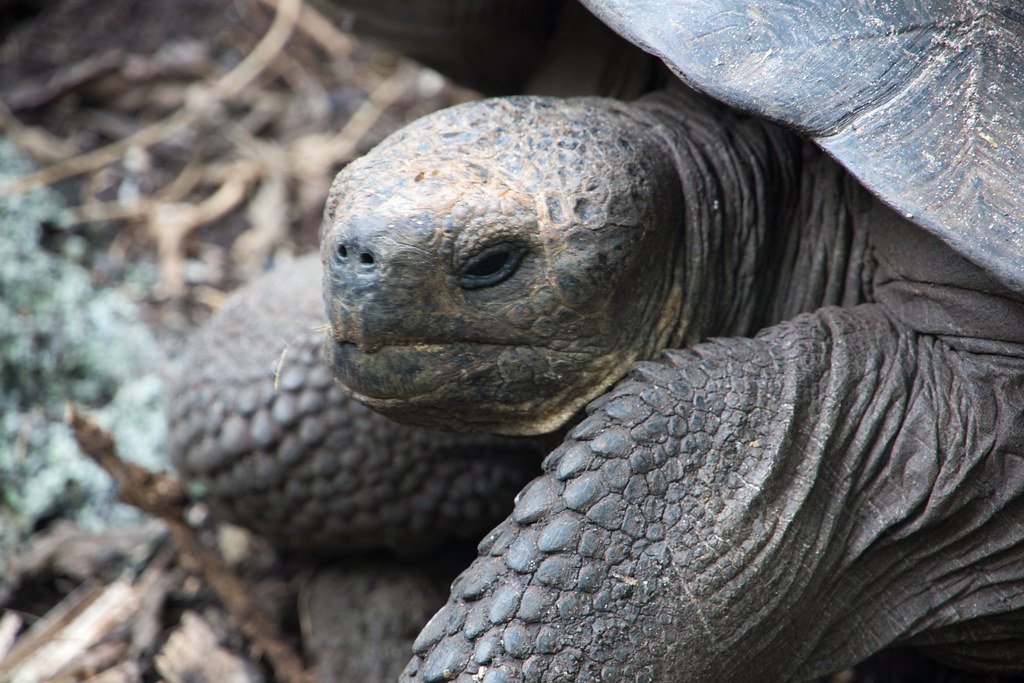
Not seen since the early 1900s, the Fernandina tortoise was found to be alive when a single female was encountered in the Galápagos Islands in 2019. This discovery has led to a renewed interest in the conservation of this gentle giant. Genetic studies are ongoing to locate more individuals on Fernandina Island, with hopes of reviving the population.
The New Guinea Singing Dog: A Melodious Return

Famed for its unique vocalizations, the New Guinea singing dog was believed extinct in the wild. Yet, in 2016, a wild population was identified in the highlands of New Guinea. These dogs, displaying a wide range of harmonious howls, hold significant cultural and scientific value. Conservationists aim to study their genetics to better understand their origins and ensure their survival.
Concluding Thoughts: A Testament to Resilience and Hope

The stories of these species serve as beacons of resilience, teaching us that nature can surprise us even in the face of adversity. The “Lazarus Effect” reminds us of the critical importance of conservation efforts, habitat preservation, and the need to strike a balance between human development and biodiversity protection. These rediscoveries inspire hope, emphasizing that with concerted efforts, we can protect and cherish the incredible diversity of life on our planet.