The world of the dinosaurs is a grand narrative filled with millions of years of evolution, adaptation, and eventual extinction. While the Jurassic and Cretaceous periods are two of the most famous chapters in this grand saga, what occurred between them remains shrouded in mystery. This lesser-known era, often referred to as the “Dinosaur Dark Ages,” is a transitional phase that witnessed significant evolutionary and environmental changes. Let’s delve into this intriguing segment of Earth’s history to uncover the secrets of this enigmatic time.
Understanding the Jurassic Period
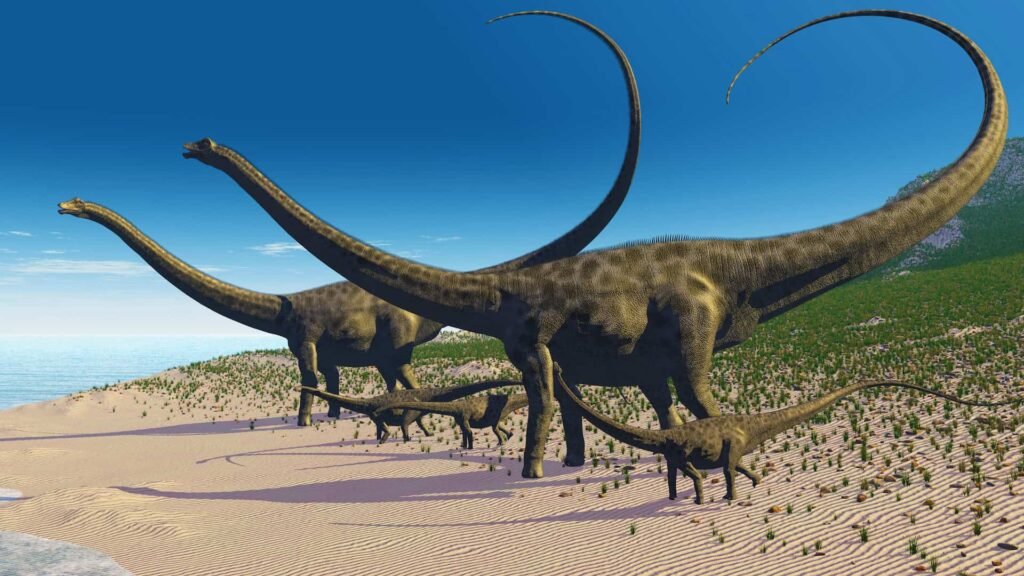
The Jurassic Period, part of the Mesozoic Era, spanned from approximately 201 to 145 million years ago. Known as the “Age of the Dinosaurs,” this period was characterized by a warm climate and high sea levels, providing a range of habitats for an array of dinosaur species. Iconic dinosaurs such as the long-necked Brachiosaurus and the fearsome Allosaurus roamed the Earth, thriving in lush, verdant environments.
The Rise of Dinosaur Diversity
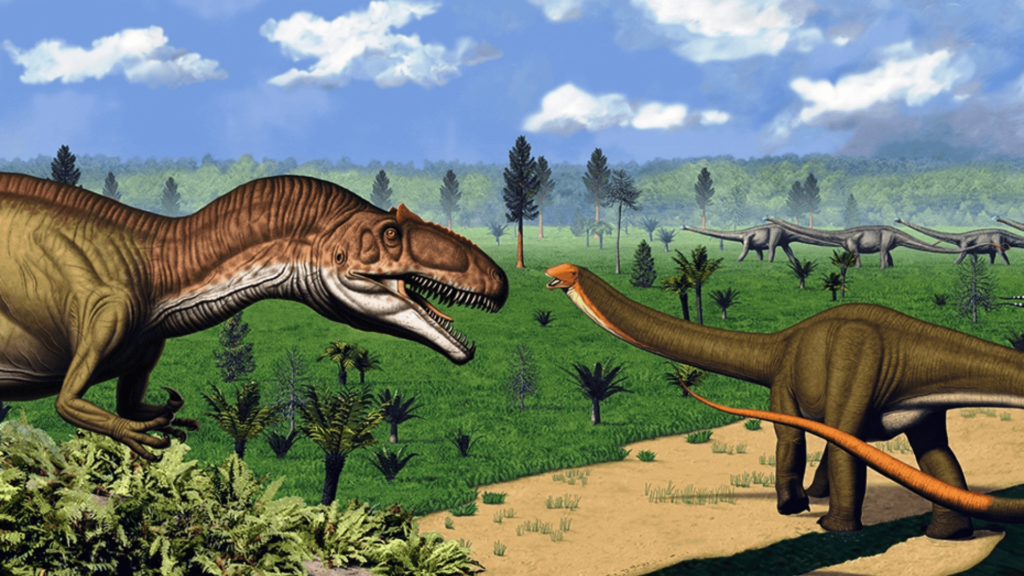
The late Jurassic witnessed an explosion in dinosaur diversity, which laid the groundwork for future evolution. Herbivorous dinosaurs, like the Stegosaurus, flourished alongside an array of carnivorous species. This period set the stage for further diversification in the consequential Cretaceous Period, which followed this mysterious interlude.
The Jurassic-Cretaceous Transition
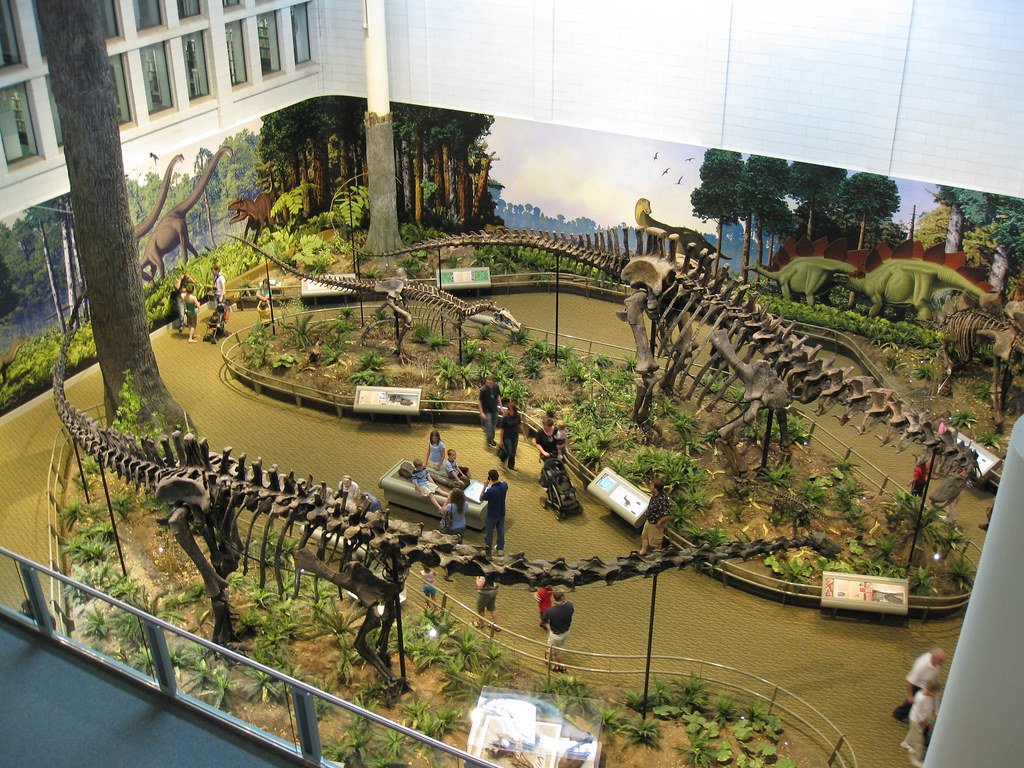
The transition from the Jurassic to the Cretaceous Period is often less highlighted in educational narratives, yet it marks an important evolutionary bridge. This transitional phase, roughly spanning 5 to 10 million years, is where we find the Dinosaur Dark Ages. While not extensively studied, it holds critical evolutionary clues.
Environmental Transformations

During this transitional period, Earth faced notable environmental changes, including fluctuations in sea levels, volcanic activity, and shifting continental arrangements. These geological turbulences could have significantly impacted the ecosystems dinosaurs inhabited, influencing evolutionary trajectories and leading to ecological shifts.
Evolutionary Shifts
The Dinosaur Dark Ages brought about evolutionary experimentation. New species emerged while others faded into extinction. It was a time of middle ground where some dinosaurs adapted to new niches that arose due to changing environments, paving the way for the Cretaceous Period’s distinctive fauna.
The Role of Flora

Floral changes during this time also played a significant role in shaping the dinosaur landscape. The rise of angiosperms, or flowering plants, began in this period and would later dominate the Cretaceous. These plants transformed ecosystems and offered new food sources and habitats for evolving dinosaur species.
Intercontinental Connections
As continents continued to drift, new land bridges formed and vanished, influencing the spread of species. This dynamic setting facilitated biotic exchange, leading to varied evolutionary pressures and opportunities.
Paleontological Challenges

The scarcity of fossil records from this transitional phase poses significant challenges for paleontologists. Many fossils remain difficult to date precisely, and fewer specimens from this period have been recovered compared to the more fossiliferous Jurassic and Cretaceous strata, contributing to the era’s enigmatic reputation.
Discoveries and Insights
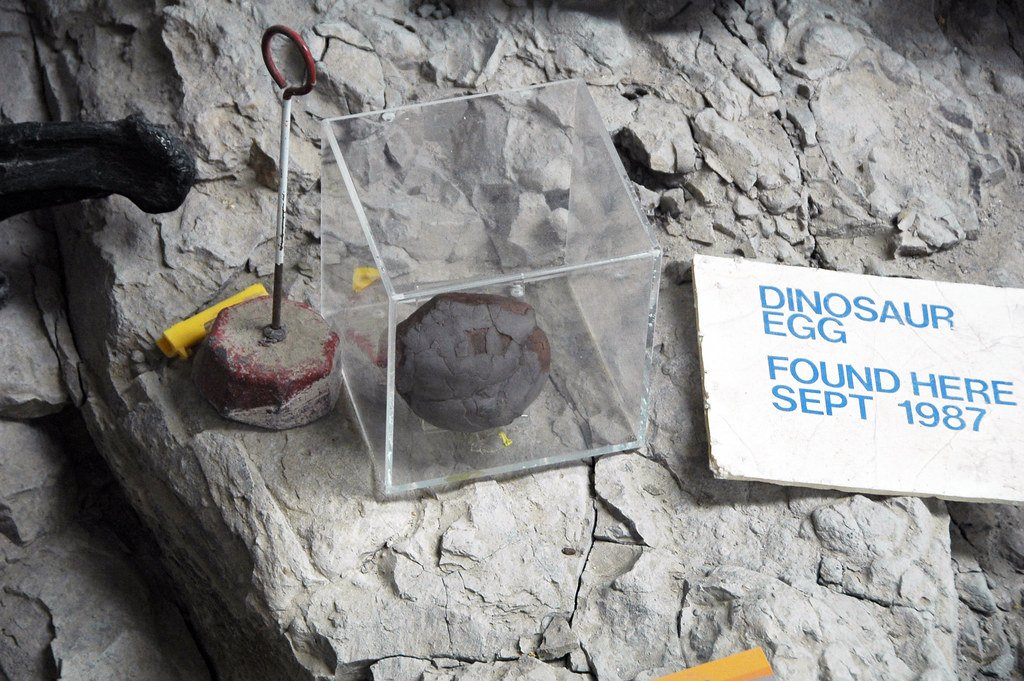
Recent fossil discoveries, such as the rich finds in the Morrison Formation or the Tithonian layers, offer glimpses into this dark age. They provide essential insights into the transition between major dinosaur epochs, helping us piece together the narrative of this intriguing geological period.
Significance of Small Dinosaurs
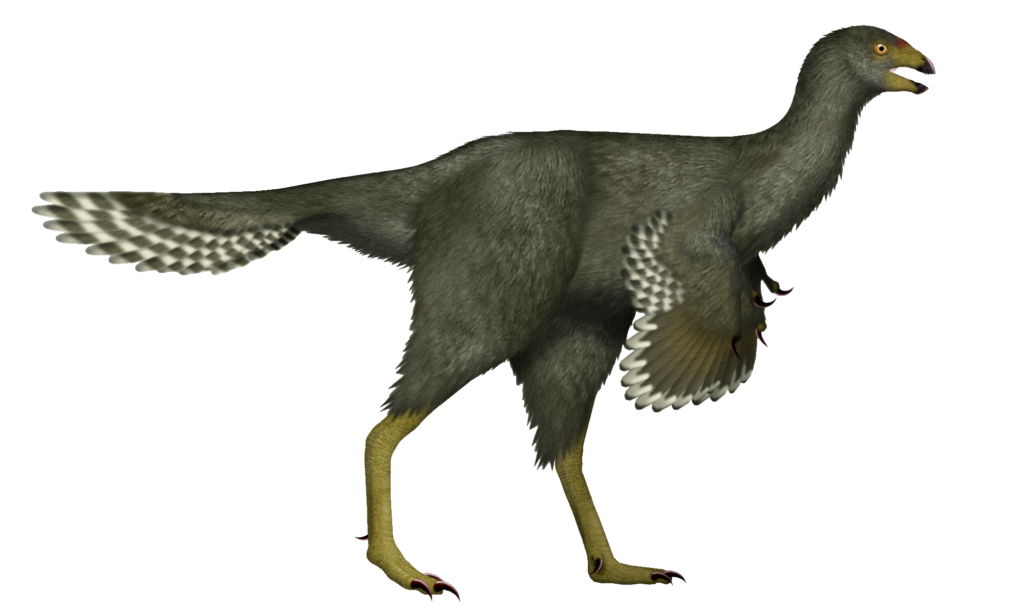
In this transitional time, smaller dinosaur species became increasingly prominent. These adaptable creatures were often overlooked compared to their larger counterparts, yet their ability to thrive in diverse environments played a crucial role in the evolutionary narrative leading into the Cretaceous.
The Mystery Continues
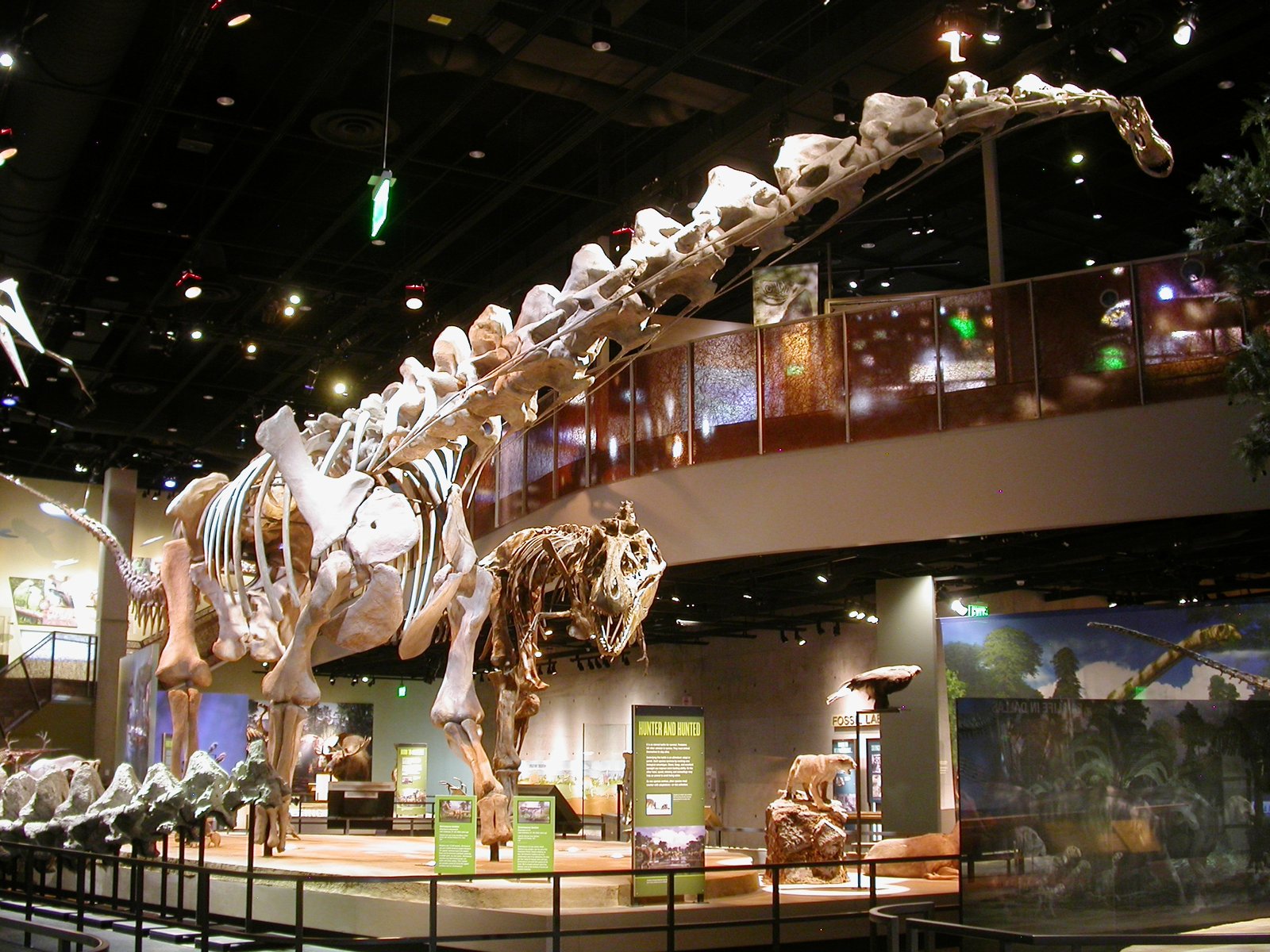
Despite ongoing research, the Dinosaur Dark Ages remain shrouded in uncertainty. The lack of abundant fossils and clear stratigraphic records means many questions persist about this in-between era’s ecological dynamics and biodiversity.
Continued Exploration
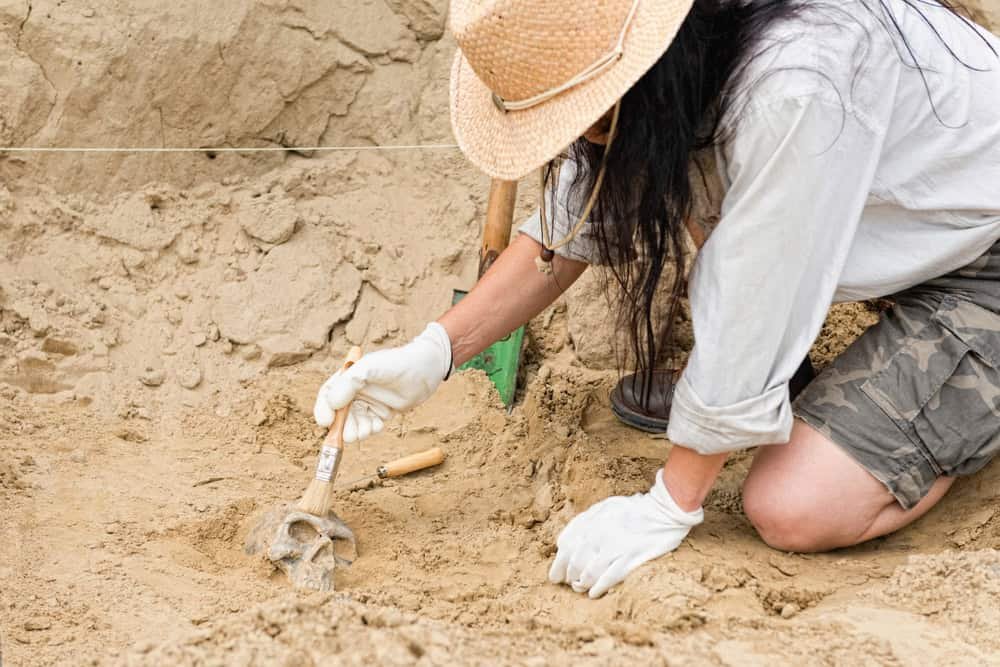
Paleontologists continue to comb through geological layers in the hope of uncovering more about this obscure period. Advances in technology and methods such as isotopic analysis, help reveal environmental conditions of the past, advancing our understanding of this murky era.
The Lessons of Evolution

The Dinosaur Dark Ages teach us about resilience and adaptation. The evolutionary experiments of this time illustrate how life can endure through change, offering new pathways and survival strategies that define future epochs.
A Glimpse into Cladistics
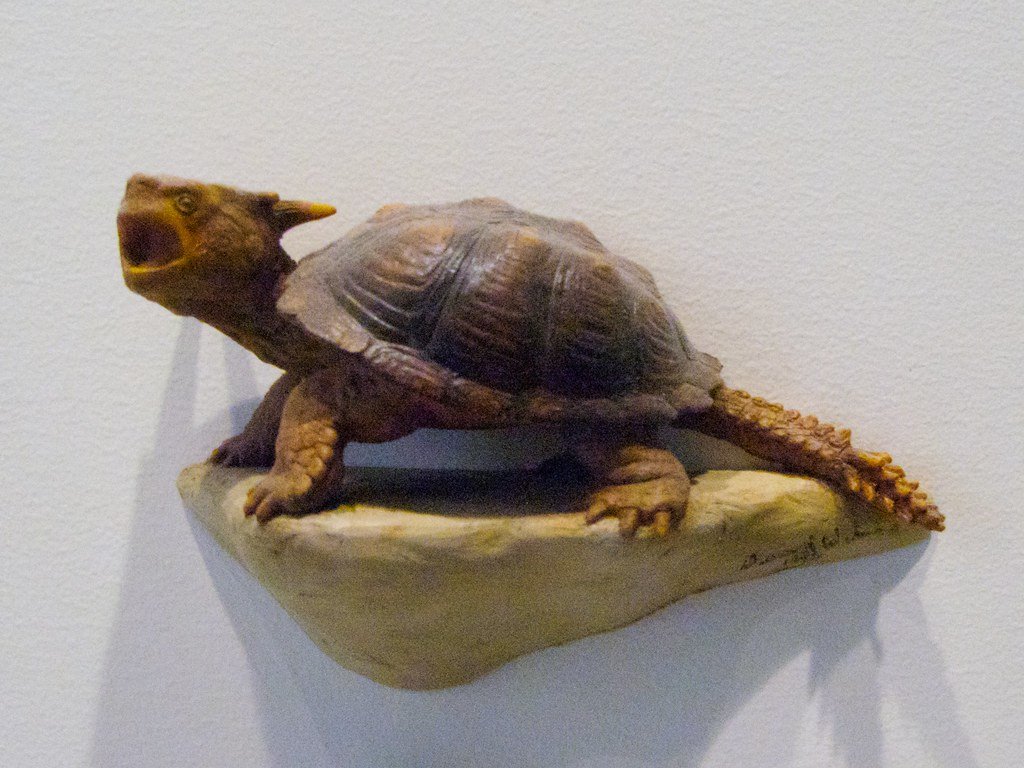
This era also contributes to our understanding of cladistics, the study of the evolutionary relationships between species. As researchers uncover more about these relationships, the evolutionary tree of dinosaurs becomes ever more detailed and comprehensive.
An Ever-Evolving Tale

Despite being less glamorous than the grand narratives of the Jurassic and Cretaceous periods, the Dinosaur Dark Ages are a testament to life’s ability to evolve and flourish amidst change. It’s a period that beckons scientists to dig deeper, promising untold stories waiting to be unearthed beneath the sediments of time.
Conclusion: Unveiling the Past

The Dinosaur Dark Ages offer a fascinating glimpse into a transitional phase that bridges two significant periods of our planet’s prehistoric history. While challenges remain due to limited fossil evidence, new discoveries continue to shed light on this mysterious era. As we piece together the puzzles of the past, this fascinating period reminds us of the complexity and resilience of life on Earth. One thing is certain: the Dinosaur Dark Ages hold many secrets, and continued scientific exploration promises to reveal even more about this enigmatic time.