Animals have always fascinated humans, not just for their beauty or companionship but for their role in aiding scientific discoveries. Their unique characteristics and behaviors often provide insights that lead to groundbreaking revelations. This article delves into nine remarkable ways animals have contributed to significant scientific advancements, often in unexpected and surprising ways.
The Curious Case of the Electric Eel
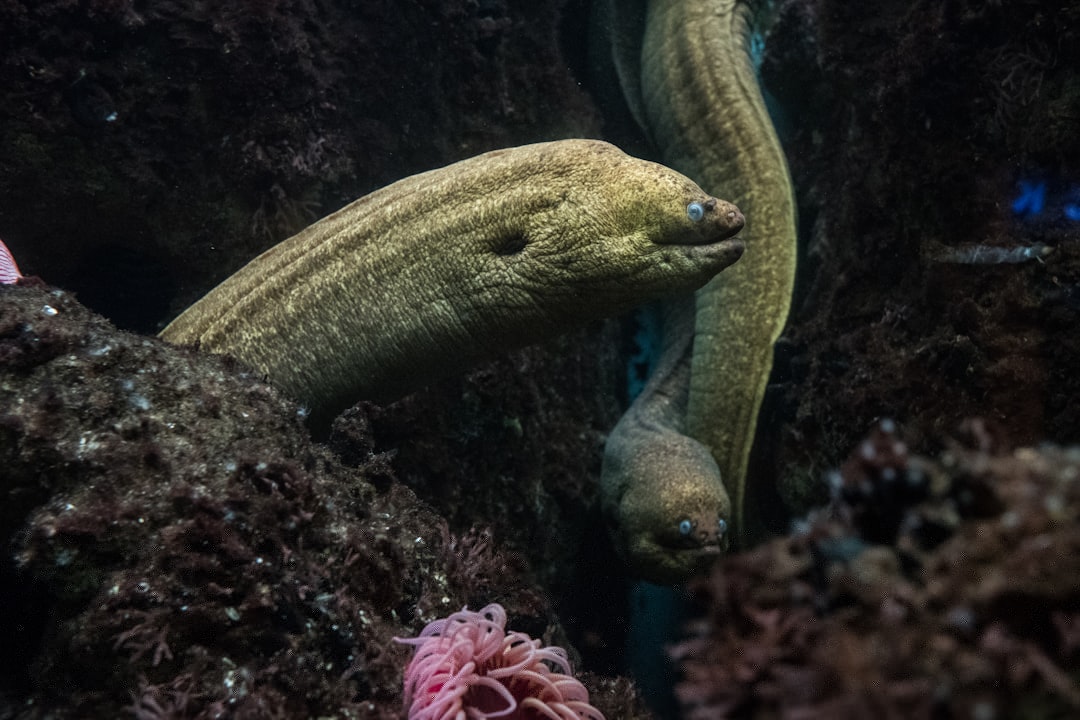
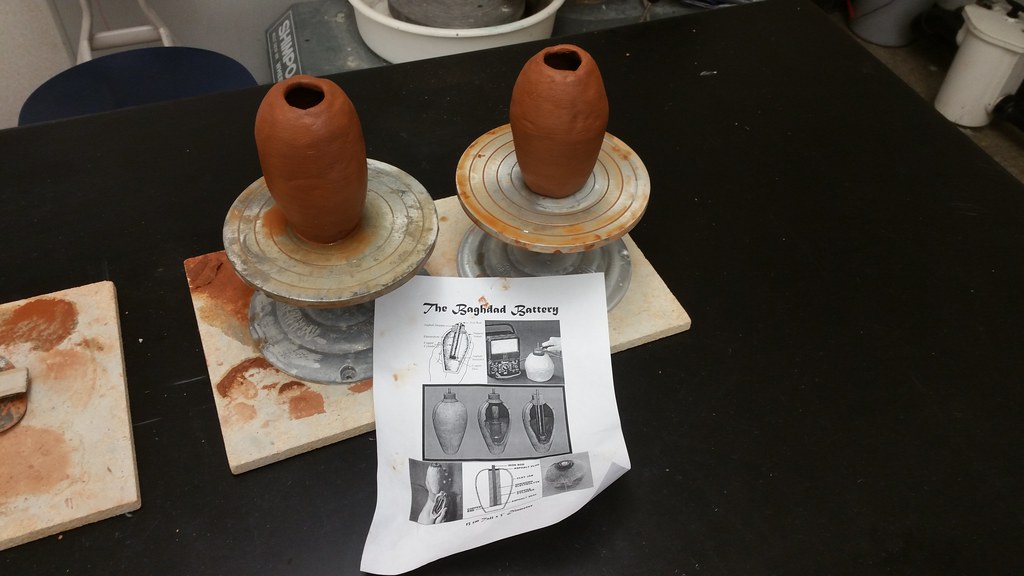
Electric eels are not just a spectacle of nature’s prowess but have been instrumental in scientific discovery. Their ability to generate electricity inspired early research into bioelectricity. Scientists studied these creatures to understand how electricity could be harnessed biologically. This research laid the groundwork for advancements in electrotherapy and even the development of the pacemaker, a device that has saved countless lives. It’s fascinating to think how a fish from the Amazon could have such an impact on modern medicine.
Fruit Flies: The Unsung Heroes of Genetics
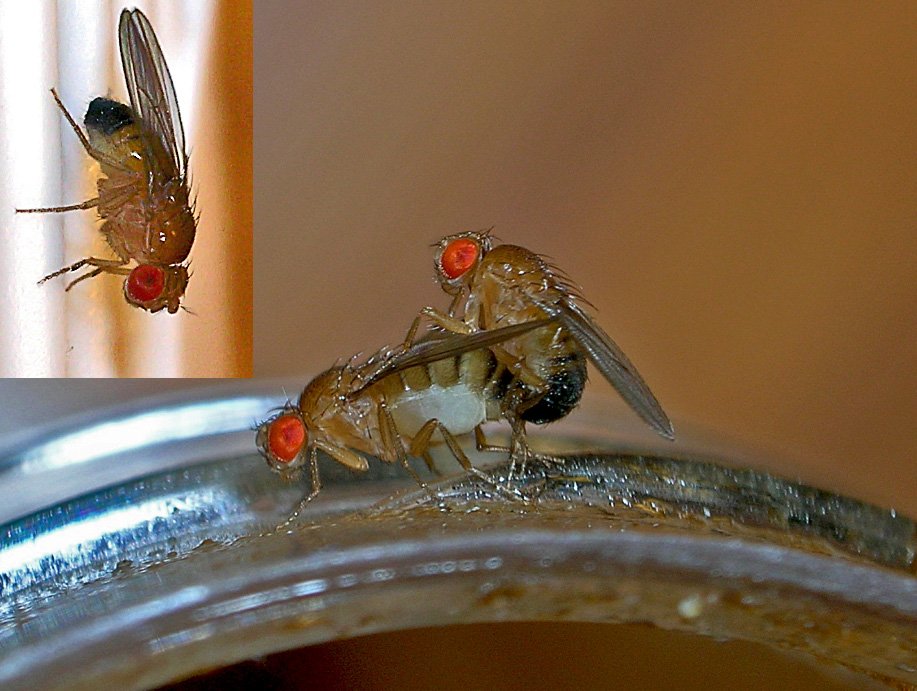
When you think about genetics, fruit flies might not be the first thing that comes to mind. However, these tiny insects have played a massive role in our understanding of heredity. Due to their short life cycles and simple genetic makeup, scientists have used fruit flies extensively in genetic experiments. Research with fruit flies has led to major discoveries about gene function, mutation, and inheritance patterns, forming the backbone of modern genetic science. Their contribution is a testament to how even the smallest creatures can make a big difference.
The Noble Contributions of Mice and Rats
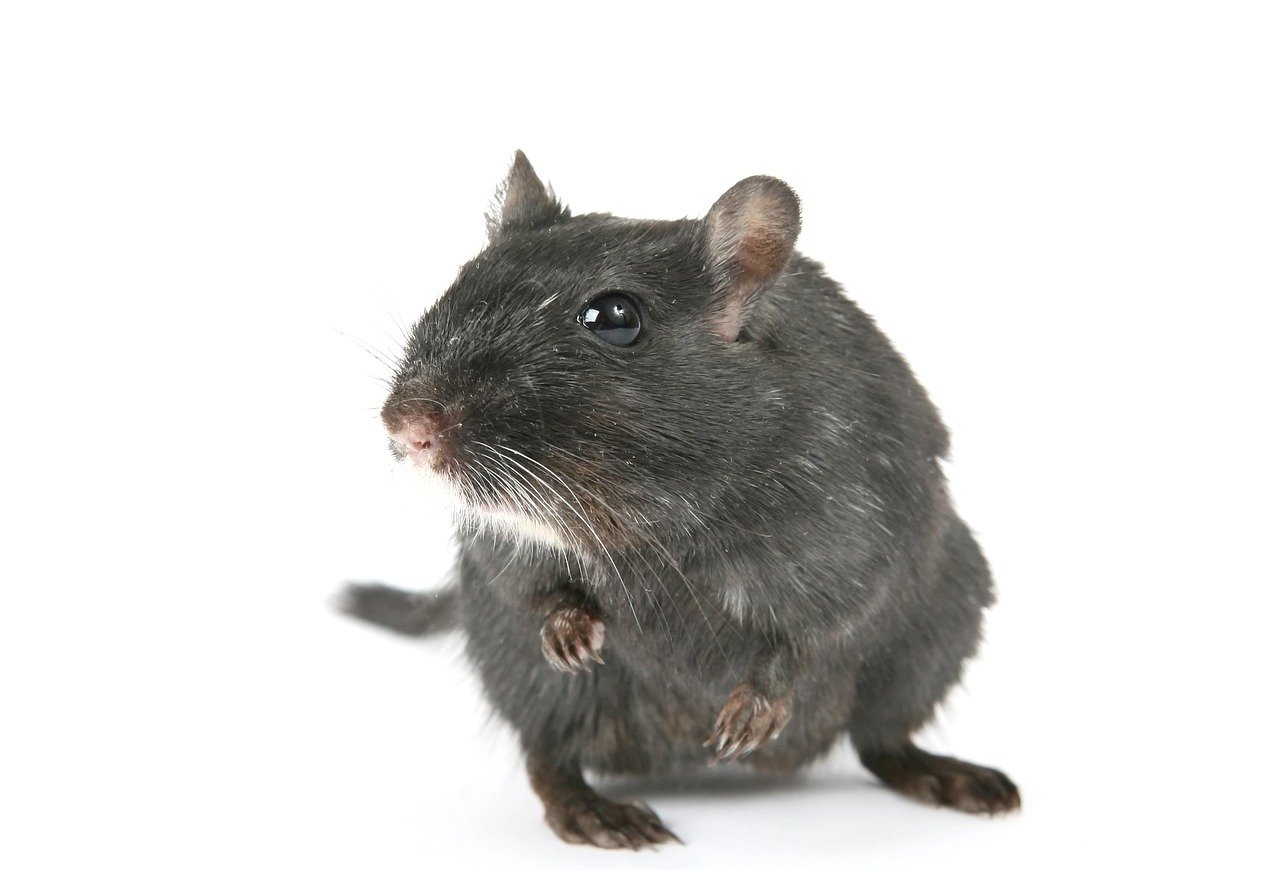
Mice and rats have been pivotal in biomedical research, acting as stand-ins for humans in laboratories worldwide. Their genetic, biological, and behavioral characteristics closely resemble those of humans, making them ideal subjects for studying human diseases. From cancer research to neurological studies, these rodents have helped scientists test treatments and understand complex diseases. Their role in research has been crucial for many medical breakthroughs, showcasing their importance beyond their often misunderstood reputation.
Octopuses: Masters of Camouflage and Inspiration
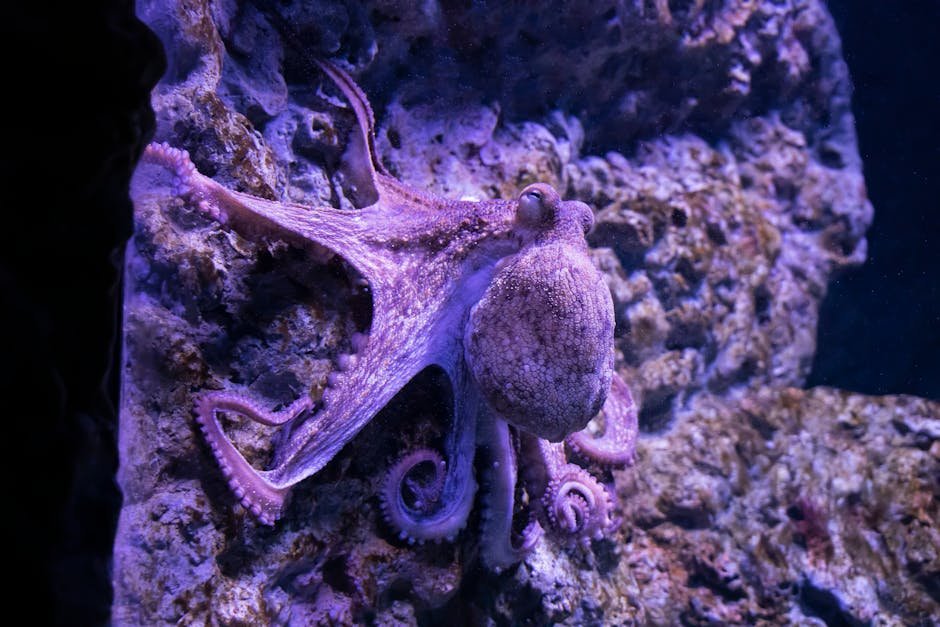
Octopuses are more than just sea creatures with eight arms; they are masters of disguise. Their ability to change color and texture has intrigued scientists for years. This ability has inspired research into adaptive materials and camouflage technology. By studying octopuses, scientists have developed new materials that can change color and adapt to their environment, with applications ranging from military stealth technology to innovative fashion designs. It’s a classic example of how nature’s designs can influence human technology.
The Role of Dogs in Medical Advancements

Dogs have long been known as man’s best friend, but their contributions to medical science are equally noteworthy. Their keen sense of smell has been harnessed in detecting diseases such as cancer and diabetes. Canine scent detection has opened new avenues for non-invasive diagnostic methods, providing a quicker, more accurate way to diagnose certain conditions. This partnership between humans and dogs highlights the symbiotic relationship that has led to life-saving discoveries.
Bat Echolocation and Its Impact on Technology
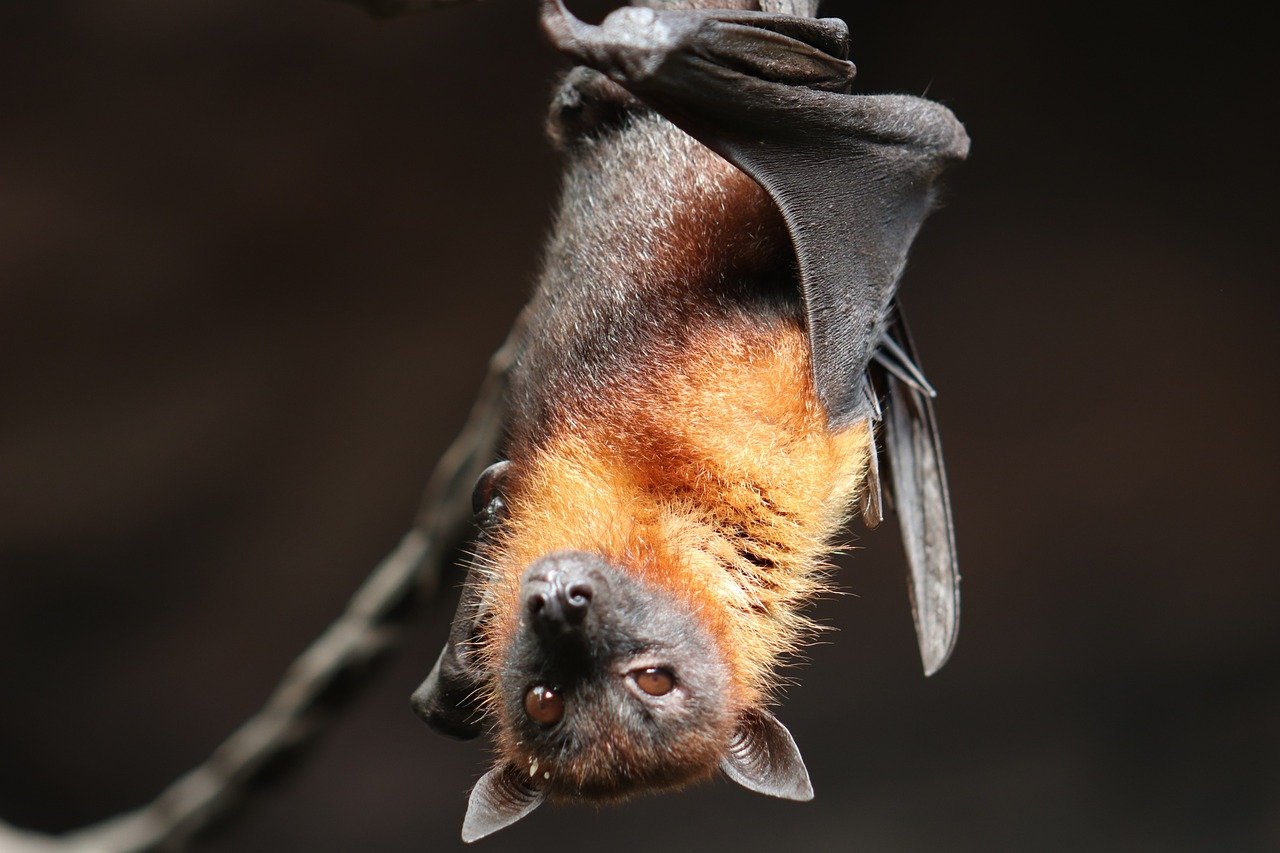
Bats use echolocation to navigate and hunt in the dark, a skill that has inspired technological advancements in sonar and radar systems. By studying how bats emit sound waves and interpret the echoes, scientists have developed sophisticated systems for submarines, aircraft, and even medical imaging technologies like ultrasound. The echolocation ability of bats has proven to be a natural blueprint for developing technologies that rely on sound waves, showing how animal adaptations can guide human innovation.
The Healing Power of Leeches
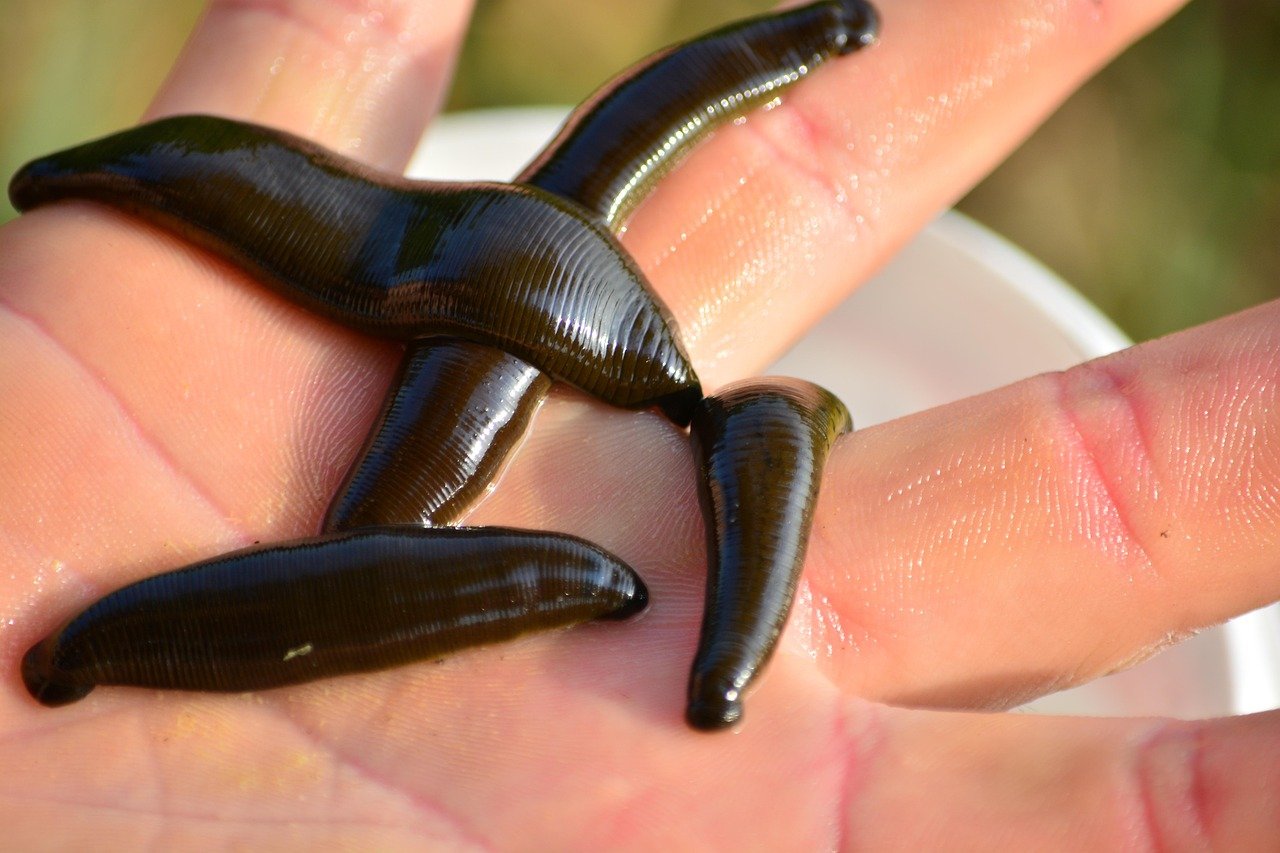
Leeches might evoke a sense of unease, but their role in medicine is invaluable. Historically used in bloodletting, modern science has rediscovered their benefits in microsurgery. Leeches secrete anticoagulants and anesthetics, aiding in blood circulation and preventing clotting during surgeries. They are particularly useful in reattaching severed fingers or limbs, where maintaining blood flow is critical. This ancient practice, grounded in natural biology, continues to offer practical solutions in contemporary medicine.
Birds: Pioneers of Aerodynamics
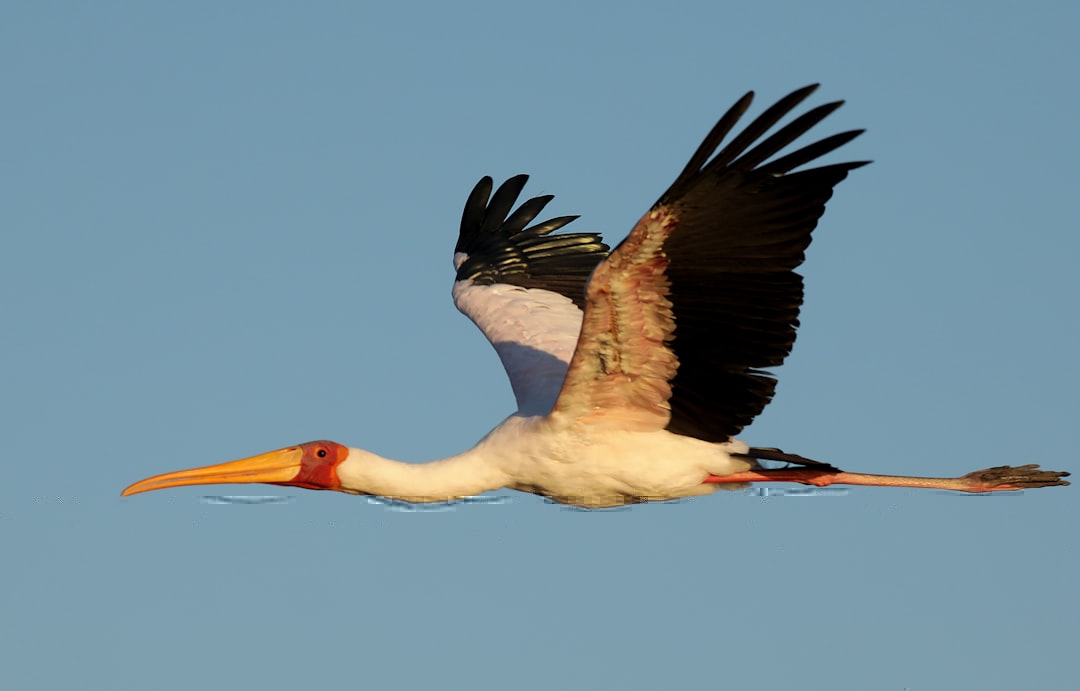
Birds have always captivated the human imagination with their ability to soar through the skies. Their flight mechanics have been crucial in the development of aviation technology. By studying bird wings and flight patterns, scientists and engineers have designed aircraft that mimic these natural aerodynamics. The Wright brothers famously observed birds to develop the principles of flight that revolutionized transportation. Birds, in their grace and agility, have been silent mentors in our quest to conquer the skies.
The Regenerative Wonders of Salamanders
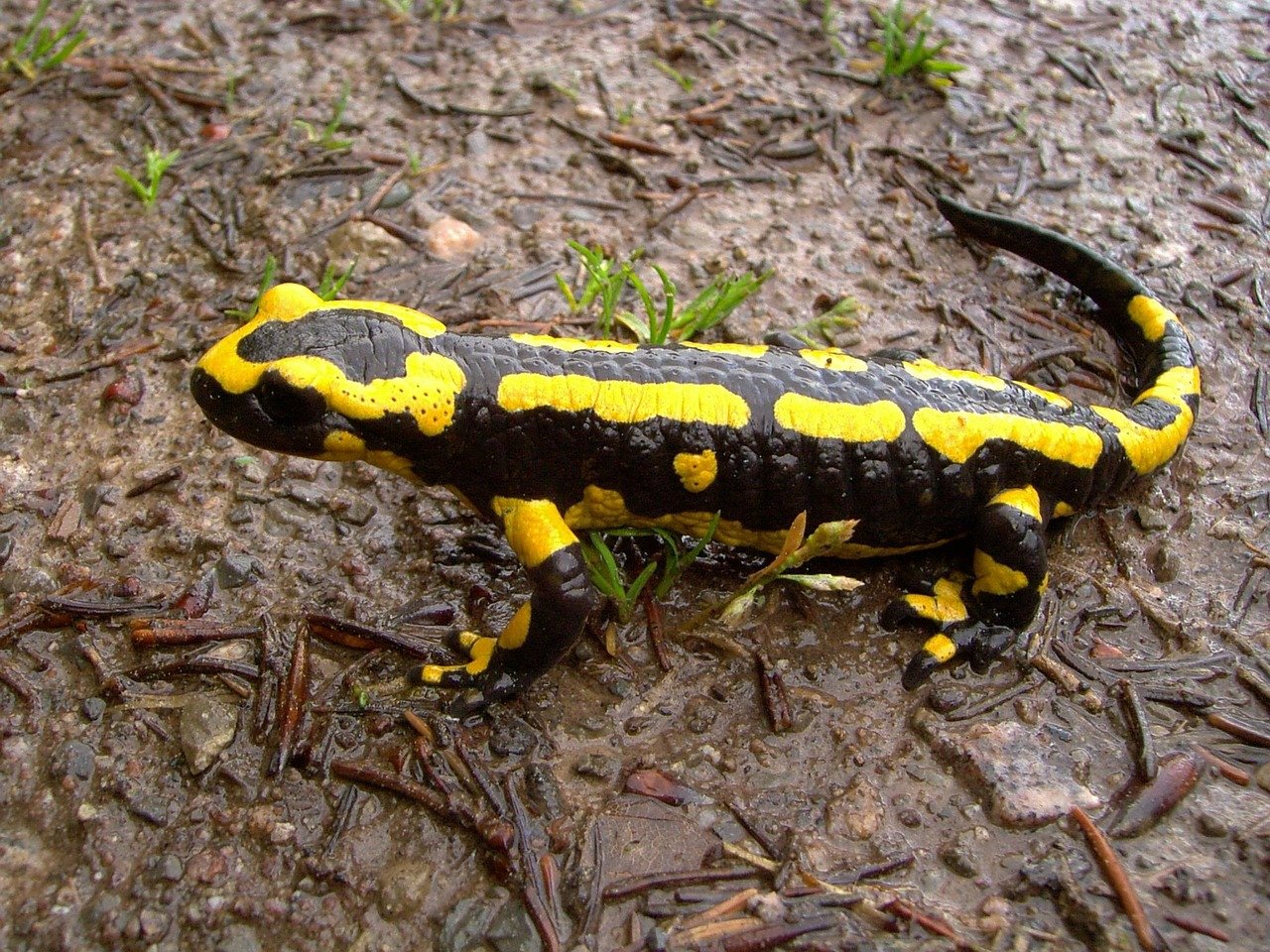
Salamanders possess the remarkable ability to regenerate lost limbs, a trait that has intrigued scientists for decades. This regenerative capacity has fueled research into human tissue regeneration and healing. Studies on salamanders have provided insights into cellular regeneration and the potential for developing therapies for humans to heal injuries more effectively. This humble amphibian holds the key to unlocking the mysteries of regeneration, offering hope for medical advancements in the future.
In these diverse ways, animals have significantly contributed to scientific discoveries, often in ways that are as surprising as they are impactful. Each creature, whether large or small, offers a unique insight into the natural world, inspiring solutions to some of humanity’s most pressing challenges. As we continue to explore and learn from these fascinating beings, it is crucial to appreciate and protect the natural world that fuels our curiosity and progress.