
The natural world is full of fascinating creatures that demonstrate remarkable ingenuity and skill. Among these are animal architects who construct their own homes with precision and creativity. These animal builders often use materials like leaves, mud, twigs, and even their own saliva to create structures that provide shelter, protection, and a place to raise their young. From the depths of the sea to the treetops, these architects showcase nature’s incredible diversity and innovation. In this article, we will explore 10 animals that are renowned for their architectural feats, each with unique building techniques that reflect their adaptability and intelligence.
Beavers: The Master Engineers

Beavers are nature’s most renowned engineers, known for their ability to transform landscapes through dam construction. These industrious rodents use branches, mud, and stones to build complex dam structures that create ponds, providing a safe habitat for their families. The pond not only offers protection from predators but also ensures a steady food supply during winter. Beavers have even been observed altering watercourses to suit their needs, showcasing their incredible problem-solving skills. Their lodges, made from interwoven sticks and mud, are marvels of engineering, with underwater entrances that keep them safe from intruders. By creating these water bodies, beavers contribute to the ecosystem, supporting biodiversity and benefiting other species.
Birds: The Avian Architects
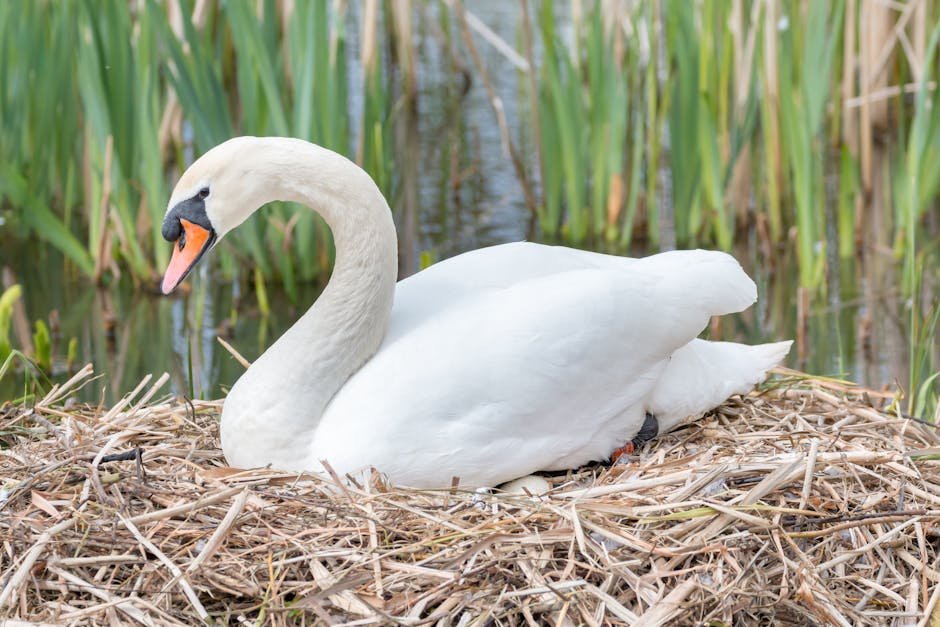
Birds are among the most versatile builders in the animal kingdom, creating nests of all shapes and sizes. Each species has its own unique style, from the intricate hanging nests of weaver birds to the simple ground nests of penguins. Weaver birds are particularly impressive, weaving grasses and twigs into intricate spherical structures that dangle from tree branches. These nests are not only a testament to their dexterity but also to their understanding of structural integrity. Meanwhile, penguins use stones to construct their nests, showcasing their adaptability to harsh environments. Birds’ nests serve as a safe haven for their eggs and chicks, protecting them from predators and harsh weather conditions.
Termites: The Tiny Architects
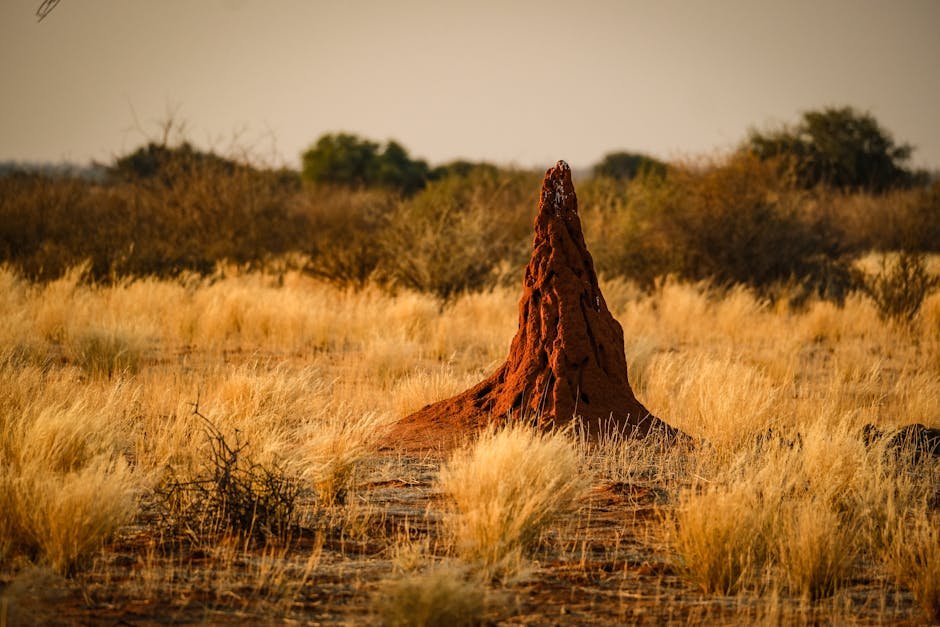
Termites are tiny insects with a colossal impact, known for building some of the most impressive structures in the animal kingdom. Their mounds can reach up to 30 feet high and are constructed using soil, saliva, and feces. These towering edifices are marvels of natural engineering, featuring a complex network of tunnels and chambers that regulate temperature and humidity. Termite mounds also serve as a ventilation system, allowing fresh air to circulate through the colony. Despite their small size, termites exhibit remarkable teamwork, with millions of individuals working together to maintain and expand their home. This cooperation is key to their survival and success.
Coral Polyps: The Underwater Builders

Coral polyps are tiny marine animals that construct massive underwater structures known as coral reefs. These reefs are built from calcium carbonate, which the polyps secrete to form a hard skeleton. Over time, the skeletons of countless generations accumulate, creating complex and colorful reefs that provide habitat for a diverse array of marine life. Coral reefs are often referred to as the “rainforests of the sea” due to their incredible biodiversity. The polyps themselves are essential to the survival of the reef, as they engage in a symbiotic relationship with algae that provide them with nutrients. This partnership allows the reef to thrive and support a vibrant ecosystem.
Ants: The Underground Architects
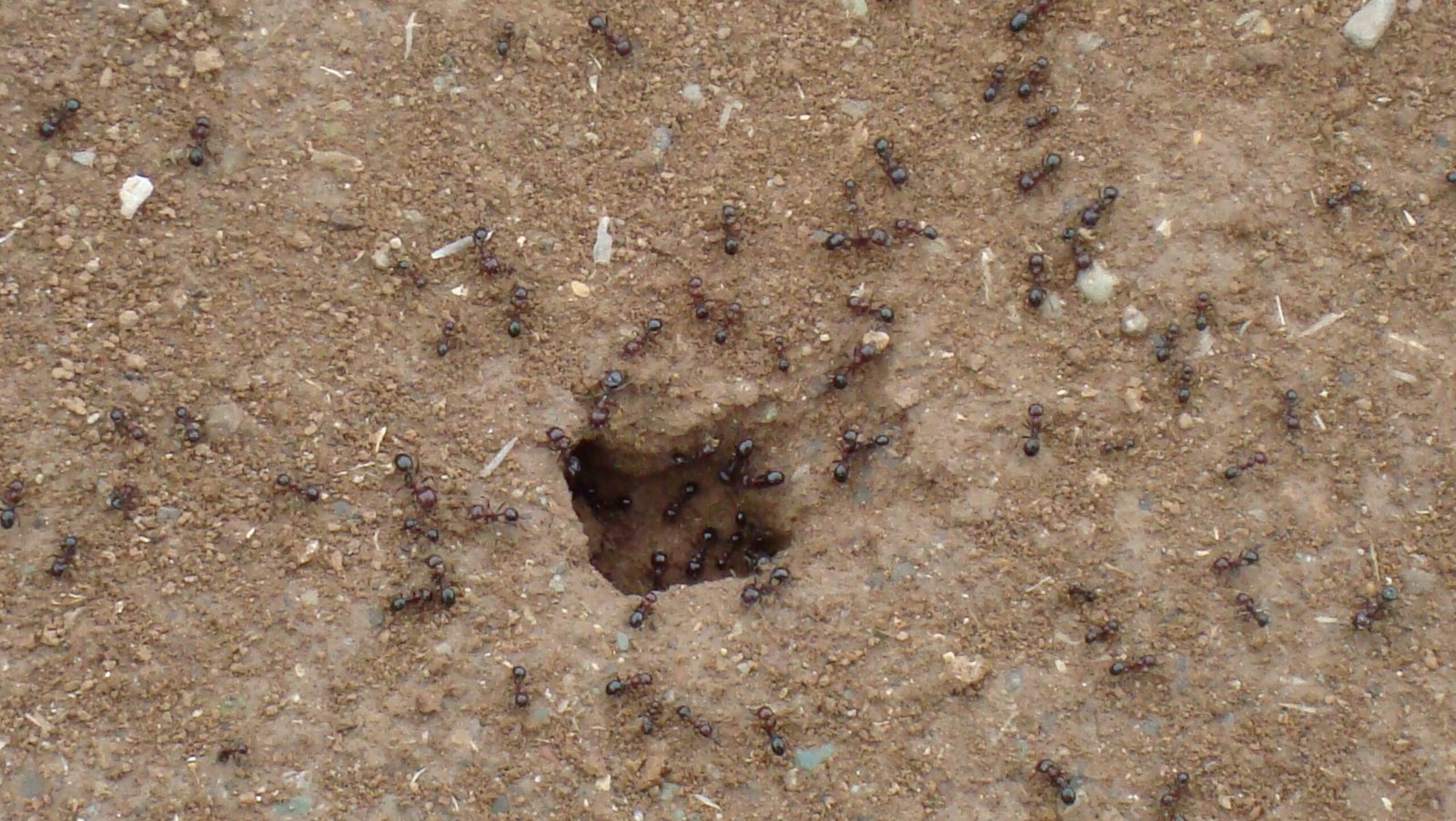
Ants are remarkable underground architects, constructing intricate colonies that can house millions of individuals. These subterranean homes consist of a series of tunnels and chambers used for various purposes, including nurseries, food storage, and resting areas. Some species, like leafcutter ants, create vast underground networks that extend for miles. Ants communicate and collaborate efficiently, allowing them to coordinate large-scale construction projects. Their ability to adapt their architecture to different environments and challenges is a testament to their resilience and intelligence. Ant colonies are a perfect example of how cooperation and organization can lead to impressive achievements.
Spiders: The Web Weavers
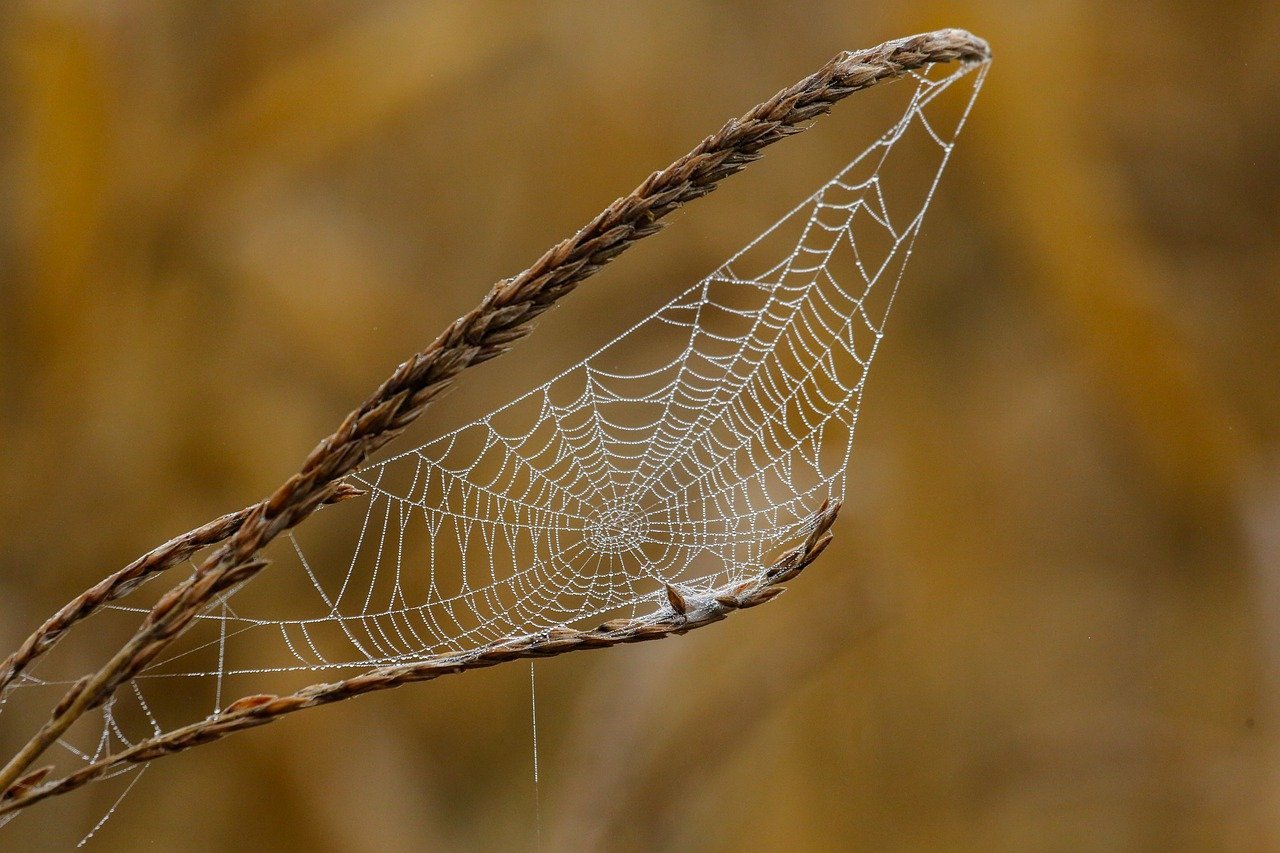
Spiders are renowned for their ability to spin intricate webs, which serve as both a home and a hunting tool. Each species has its own unique web design, with some creating orb-shaped webs and others crafting funnel-shaped traps. The silk used to build these webs is incredibly strong and elastic, allowing it to capture prey effectively. Spiders strategically position their webs to maximize their chances of catching food, demonstrating their understanding of their environment. Beyond their practical function, spider webs are also a marvel of natural beauty, with their delicate patterns and shimmering strands. These structures showcase the spider’s remarkable craftsmanship and adaptability.
Prairie Dogs: The Burrowing Specialists

Prairie dogs are expert burrowers, creating extensive underground networks known as “towns” that can span hundreds of acres. These burrows consist of multiple entrances, tunnels, and chambers, providing shelter from predators and harsh weather. Prairie dogs use their burrows for various purposes, including nesting, storage, and social interaction. The layout of their burrows is carefully planned, with specific areas designated for different activities. Prairie dogs are also known for their complex communication system, using vocalizations to warn others of danger. Their burrows not only serve as a home but also play a crucial role in maintaining the health of grassland ecosystems.
Bowerbirds: The Artistic Architects

Bowerbirds are known for their artistic flair, creating elaborate structures called bowers to attract mates. These bowers are not used as nests but as a stage for courtship displays. Male bowerbirds meticulously gather and arrange various objects, such as leaves, flowers, and even man-made items, to decorate their bowers. Each species has its own distinct style, with some preferring symmetrical designs and others favoring vibrant colors. The male’s ability to create an appealing bower is crucial to attracting a mate, reflecting his fitness and creativity. Bowerbirds’ architectural endeavors highlight the role of aesthetics and innovation in the natural world.
Ovenbirds: The Clay Crafters
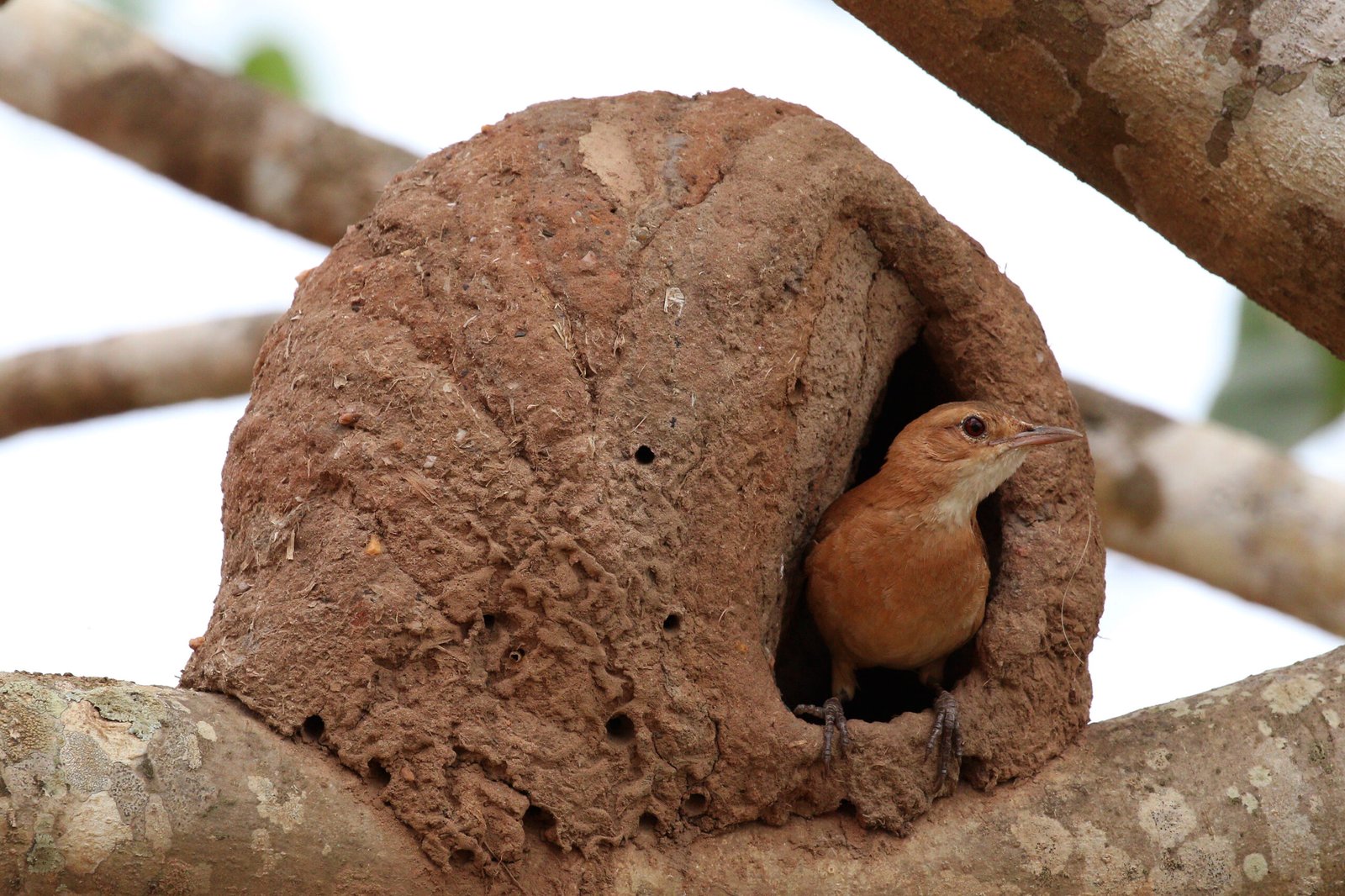
Ovenbirds are named for their unique nesting style, constructing dome-shaped nests made from clay and mud. These nests resemble small ovens, complete with an entrance tunnel that leads to a cozy interior chamber. Ovenbirds are meticulous builders, taking several weeks to complete their nests. The clay structure provides excellent insulation, protecting the eggs and chicks from temperature fluctuations and predators. Ovenbirds’ choice of building materials and design showcases their adaptability and resourcefulness. Their nests are a testament to the bird’s architectural prowess and their ability to thrive in various environments.
Hermit Crabs: The Mobile Homeowners

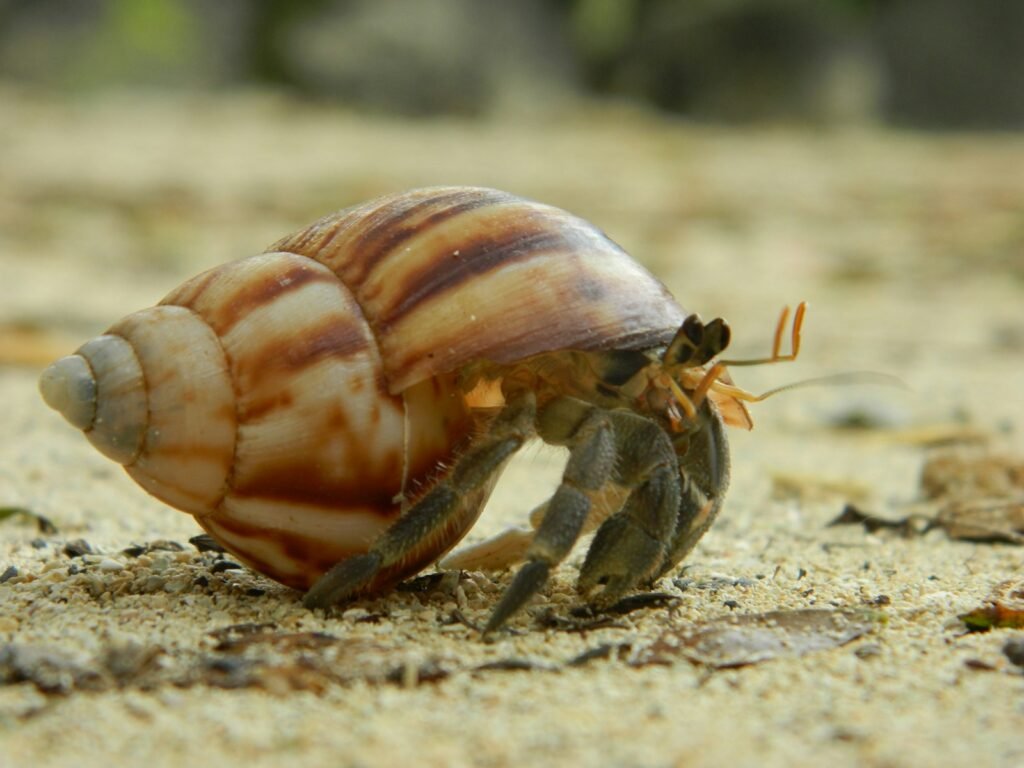
Hermit crabs are unique among animal architects, as they do not construct their own homes but instead repurpose shells from other creatures. As they grow, hermit crabs must find larger shells to accommodate their increasing size. This necessity drives them to constantly seek out and evaluate potential new homes. Hermit crabs demonstrate remarkable problem-solving skills and adaptability in their search for suitable shells. Some species even engage in “shell exchanges,” where groups of crabs line up and swap shells in a carefully coordinated process. This behavior highlights the importance of resourcefulness and cooperation in the animal kingdom.
In conclusion, the animal kingdom is full of incredible architects that build their own homes in diverse and ingenious ways. From beavers altering landscapes to hermit crabs repurposing shells, these creatures showcase nature’s creativity and adaptability. Each of these animal architects plays a vital role in their ecosystem, contributing to biodiversity and demonstrating the remarkable capabilities of the natural world.