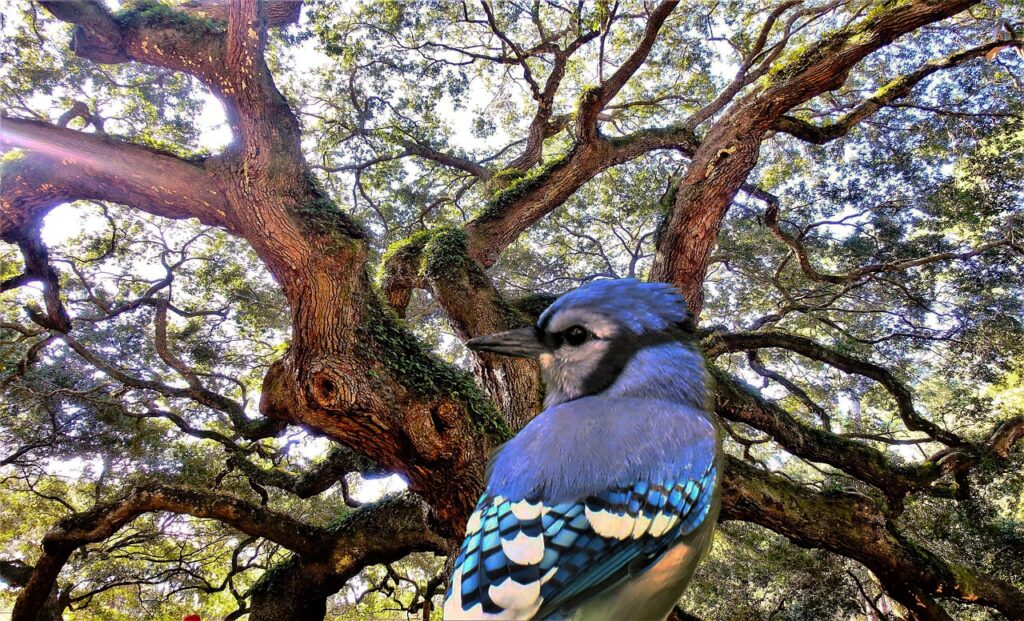

Nature, in all its grandeur, often presents us with patterns that are both mesmerizing and symmetrical. Yet, sometimes, it chooses to defy its own norms, creating wonders that are intriguingly asymmetrical. These deviations not only intrigue scientists but also captivate nature enthusiasts. As we delve into these six fascinating instances where nature didn’t adhere to symmetry, prepare to be amazed by the uniqueness and beauty that arise from such irregularities.
The Flamboyant Fiddler Crab
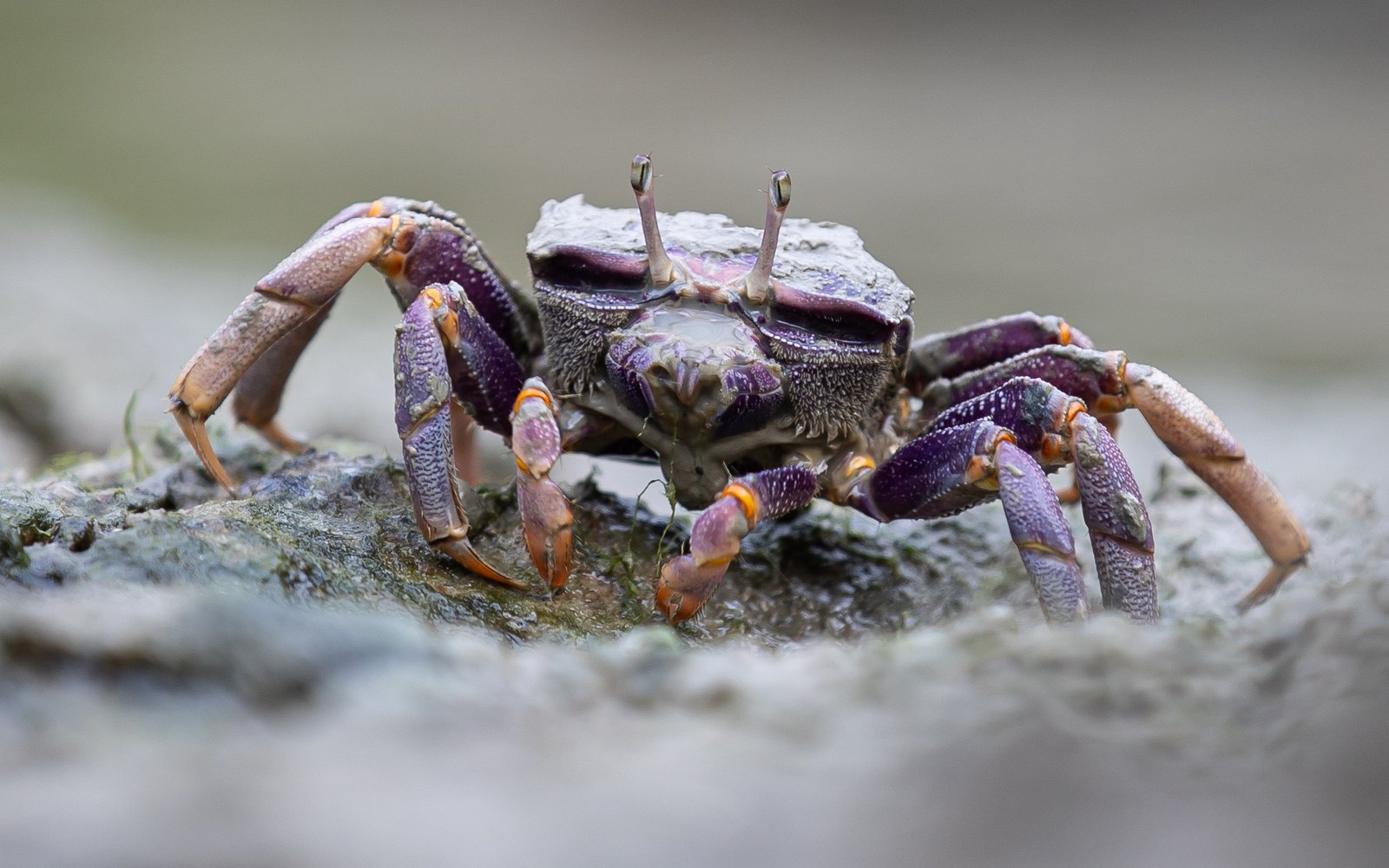
The fiddler crab is nature’s own Picasso, with its curious asymmetry in claw size. Males of this species possess one claw that is significantly larger than the other. This isn’t just a quirky design; it serves a purpose. The oversized claw is used for communication and combat, as well as attracting mates. Imagine holding a megaphone in one hand and a tiny microphone in the other – that’s the fiddler crab’s way of life. This distinctive feature has fascinated biologists who study the evolutionary advantages of such an imbalance.
The Lopsided Flounder
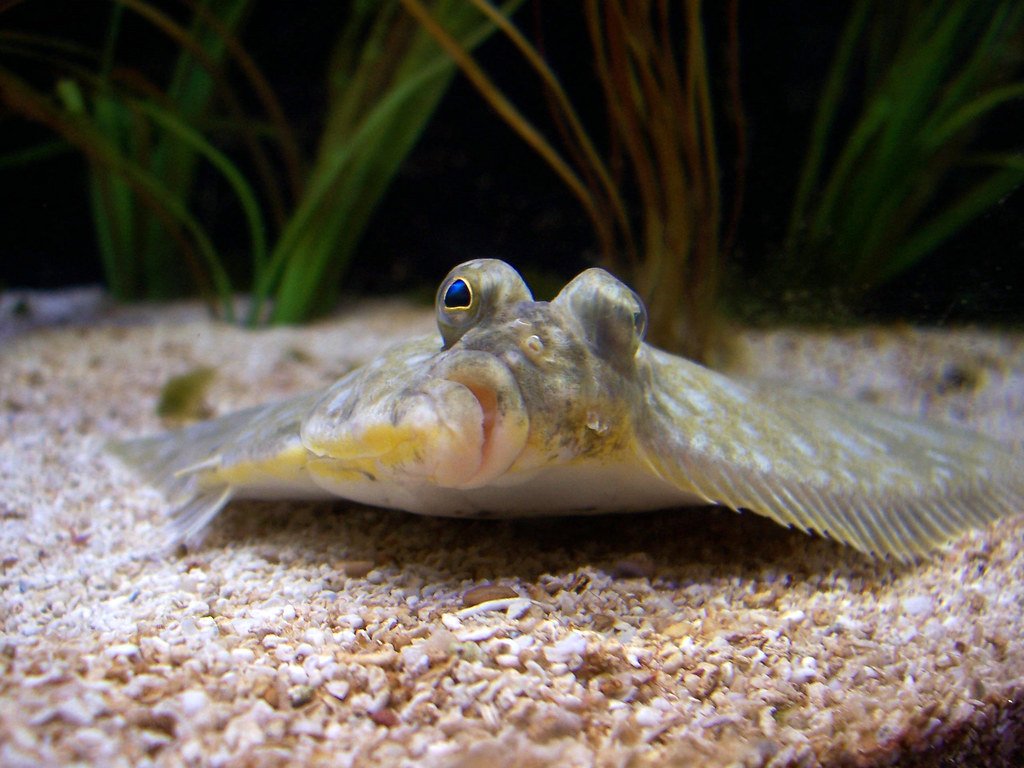
Flounders, with their flat bodies, might seem like they belong in a cartoon world. These fish begin life with eyes on either side of their heads, like most fish. However, as they mature, one eye migrates to join the other on the top side of their body. This transformation might seem bizarre, but it allows the flounder to lie flat on the ocean floor while keeping an eye out for predators and prey. It’s a survival tactic that gives the flounder an edge in the competitive underwater world.
The Spiral Mystery of the Nautilus
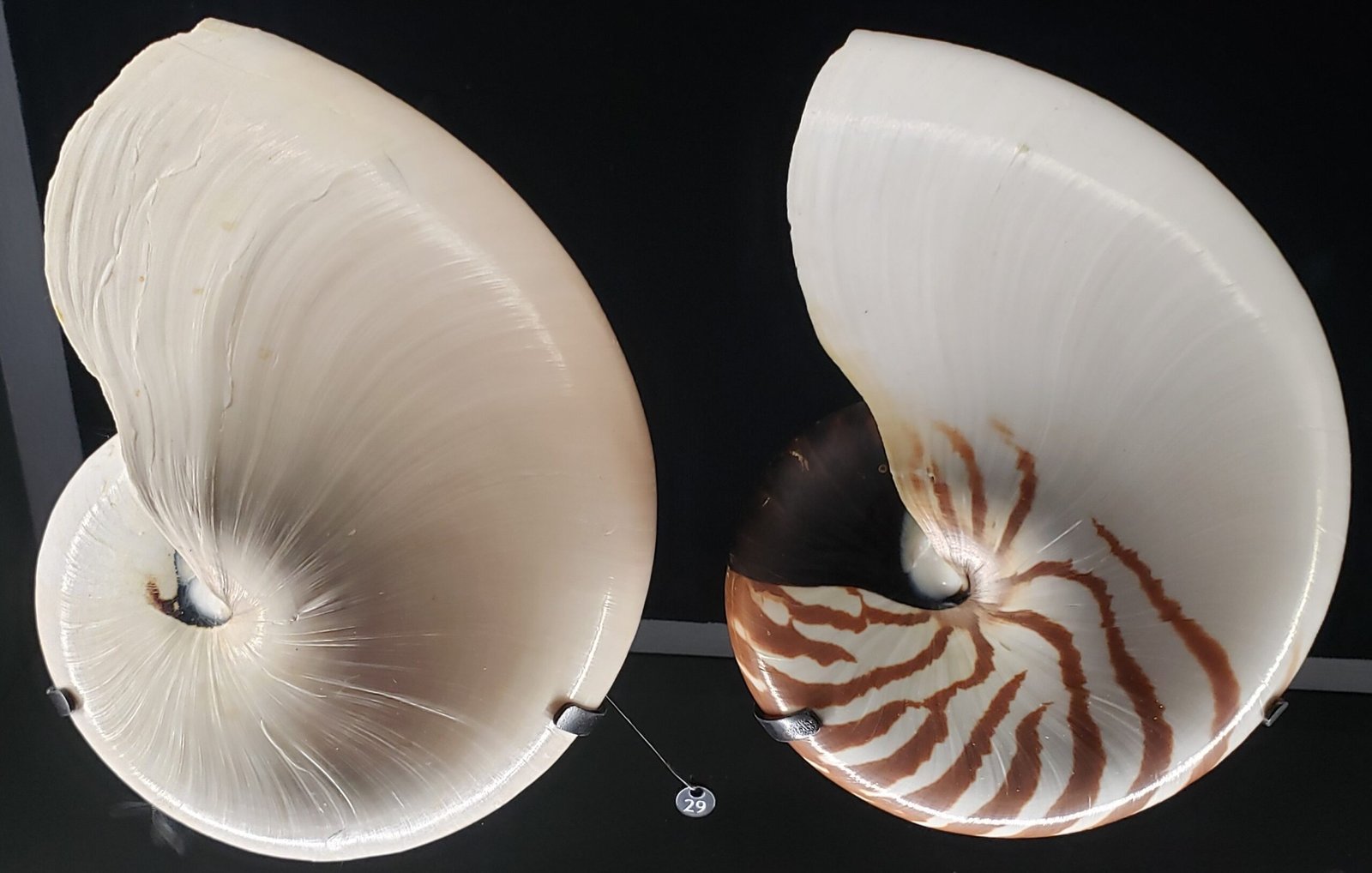
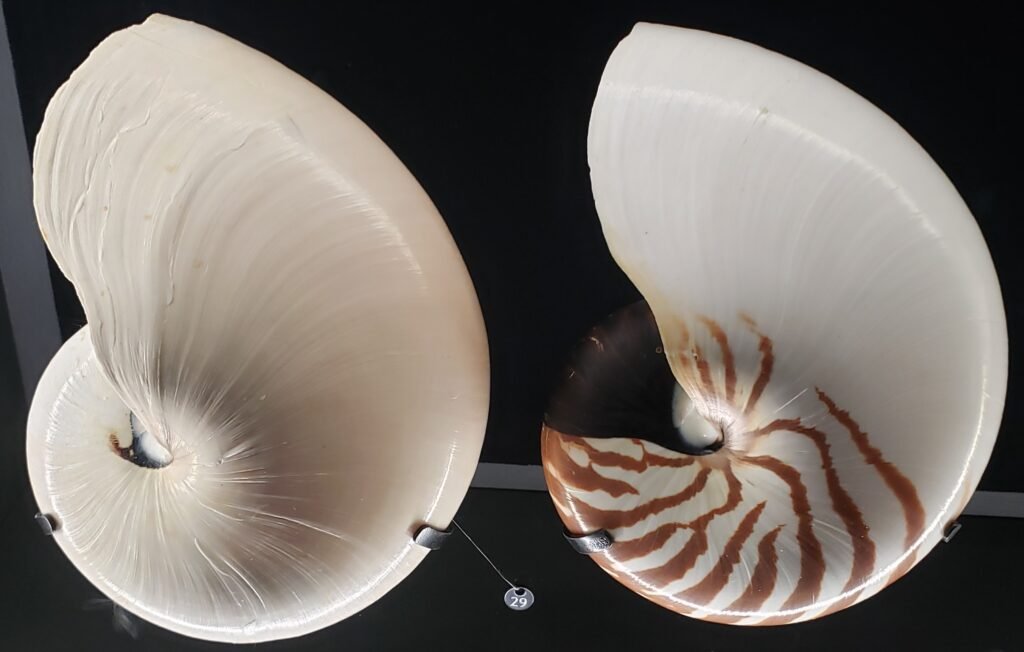
The nautilus shell is a marvel of nature, often admired for its perfect logarithmic spiral. But not all nautilus shells are created equal. Many exhibit slight imperfections and deviations from symmetry. These asymmetries can result from environmental factors or genetic variations. While the spiral is generally consistent in growth, the slight irregularities remind us that nature is not bound by rigid rules. This unpredictability adds a layer of mystery to the already enigmatic creature.
The Asymmetrical Beauty of Orchids
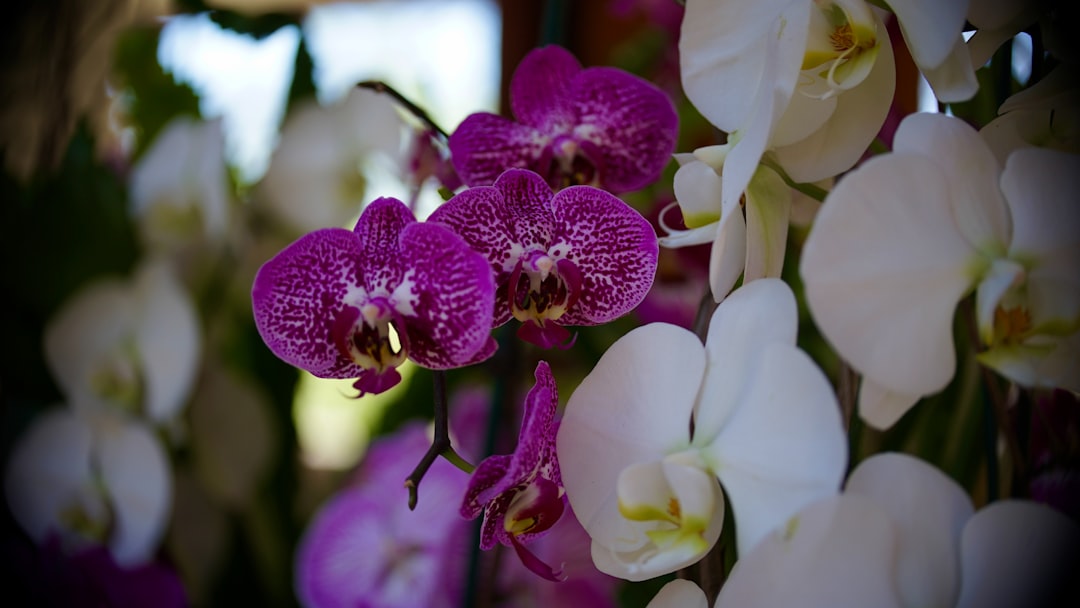
Orchids are the divas of the plant world, renowned for their stunning and varied forms. Their flowers often exhibit asymmetry, with petals differing in size and shape. This isn’t merely an artistic flourish; it’s an evolutionary strategy for attracting specific pollinators. Each orchid’s unique design can cater to the preferences of different insects, ensuring successful pollination. It’s as if each flower is a bespoke creation, tailored to entice its perfect match in the animal kingdom.
The Off-Balance Owl
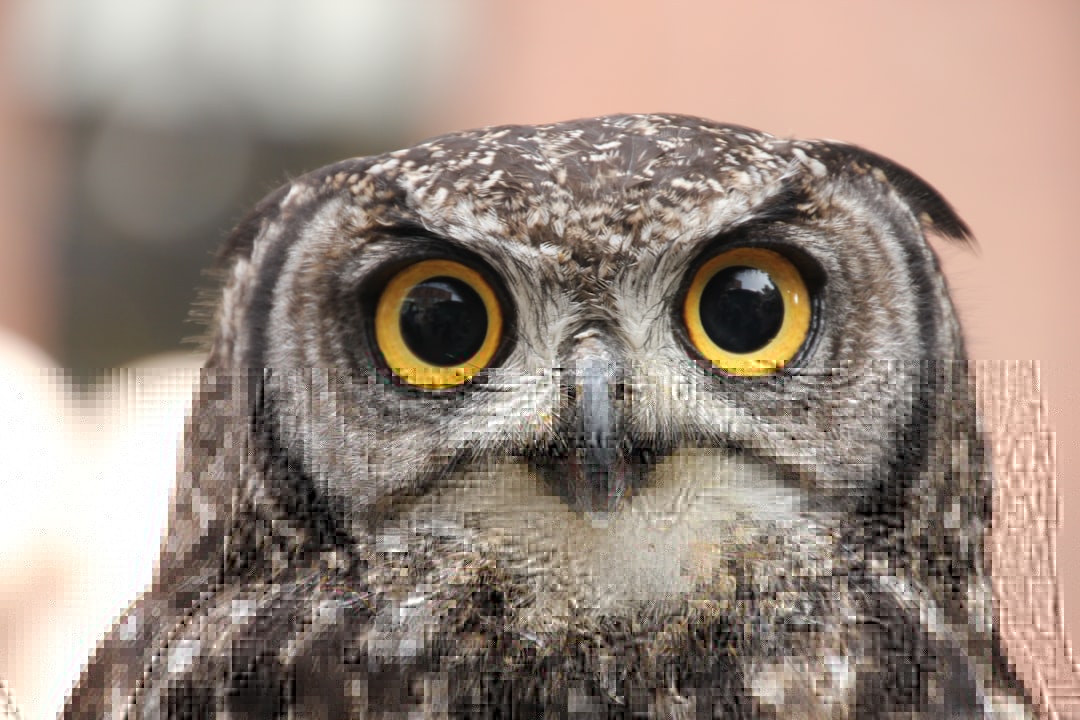
Owls are celebrated for their ability to rotate their heads almost entirely around, thanks to their asymmetrical ear placements. The ears are set at different heights on the owl’s head, allowing it to pinpoint the location of sounds with remarkable accuracy. This adaptation is crucial for hunting, especially in low-light conditions. Imagine trying to locate a hidden speaker in a room – this is akin to how an owl uses its unique hearing to detect prey. This off-kilter design exemplifies how asymmetry can be a powerful tool in nature.
The Uneven Antlers of the Reindeer

Reindeer, particularly males, grow antlers that are rarely symmetrical. These antlers are shed and regrown annually, and their irregular shapes can be influenced by factors like nutrition and genetics. While symmetry might seem advantageous for balance, the varied antler shapes actually play a role in social interactions and mating displays. The asymmetry can signal health and vitality to potential mates or rivals, acting as a visual cue in the complex social dynamics of reindeer herds.
In these six instances, nature reveals its playful side, demonstrating that beauty and functionality often arise from imperfection. Each example reminds us that asymmetry is not a flaw but a testament to nature’s boundless creativity and adaptability. By embracing these irregularities, we gain a deeper appreciation for the diversity and intricacy of the natural world.