
Nature is a master storyteller, weaving tales through a vibrant palette of colors. These hues serve as a universal language, transcending barriers to convey messages of survival, attraction, and warning. Every shade and tone holds significance, from the dazzling iridescence of a peacock’s feathers to the subtle camouflage of a leaf insect. As we delve into these incredible ways nature employs color, we embark on a journey to understand the silent conversations that unfold all around us.
Warning Signals

In the natural world, color often acts as a cautionary tale. Bright, bold colors such as reds, yellows, and oranges are frequently used as warning signals. Take, for instance, the poison dart frog. Its vivid skin serves as a deterrent to predators, signaling its toxicity. This concept is known as aposematism. Predators learn to associate these colors with danger, steering clear of creatures that could be harmful. This strategy not only protects the prey but also educates the predator, creating a balance in the ecosystem. Just as a red stop sign prompts us to halt, these colors in nature cue animals to reconsider their next move.
Camouflage and Concealment
Nature’s ability to blend in is a testament to its ingenuity. Camouflage allows animals to merge seamlessly with their surroundings, evading predators and ambushing prey. The chameleon, for example, is renowned for its ability to change color, adapting to its environment to avoid detection. Similarly, the peppered moth’s speckled wings help it blend in with tree bark, a vital adaptation that became famous during the Industrial Revolution. This ability to become invisible in plain sight underscores the survival of many species. In a world where visibility can be a matter of life or death, the art of concealment is a powerful tool.
Mating Displays
In the dance of courtship, color takes center stage. Many species use vivid displays to attract potential mates. The male peacock is a prime example, unfurling its iridescent tail feathers in a mesmerizing fan to woo females. These colorful displays signal strength, health, and genetic fitness. In the avian world, brighter plumage often indicates a well-nourished and viable partner. This visual communication is not limited to birds alone; butterflies, fish, and even some reptiles use color to enhance their allure. Through these displays, nature ensures the continuation of the strongest and most vibrant genes.
Pollination Attraction
Flowers are nature’s billboards, using color to entice pollinators like bees, butterflies, and birds. The vibrant hues of petals serve as signals, guiding these creatures to their nectar. This mutualistic relationship is crucial for plant reproduction. For instance, bees are particularly attracted to blue and violet flowers, colors that indicate a rich source of nectar. The striking contrast between flower colors and their surroundings helps pollinators locate them from afar. Through this colorful communication, plants ensure their survival, while pollinators receive nourishment—a harmonious exchange vital for many ecosystems.
Temperature Regulation
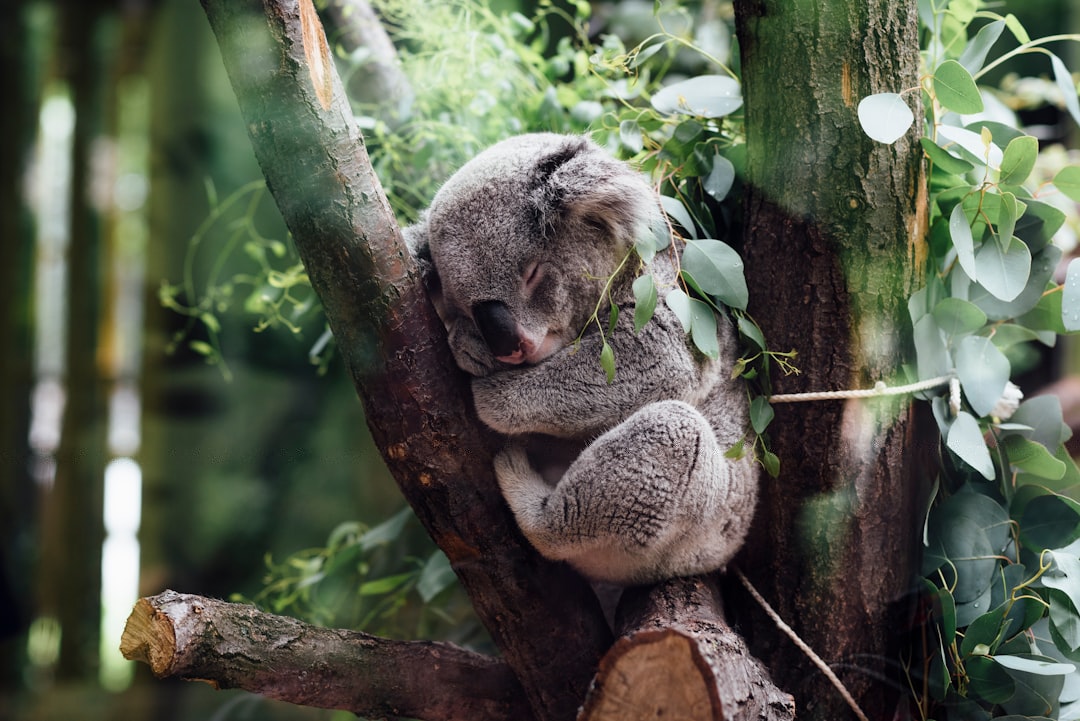
Color can also play a role in regulating temperature within the animal kingdom. The color of an animal’s skin or fur can influence how it absorbs and retains heat. Darker colors tend to absorb more sunlight and warmth, making them advantageous in cooler climates. Conversely, lighter colors reflect sunlight, helping animals stay cool in hotter environments. The polar bear’s transparent fur, which appears white, reflects the sun’s rays, providing insulation against the Arctic chill. This clever use of color ensures that animals maintain their optimal body temperature, adapting to their environments with remarkable efficiency.
Communication Among Species
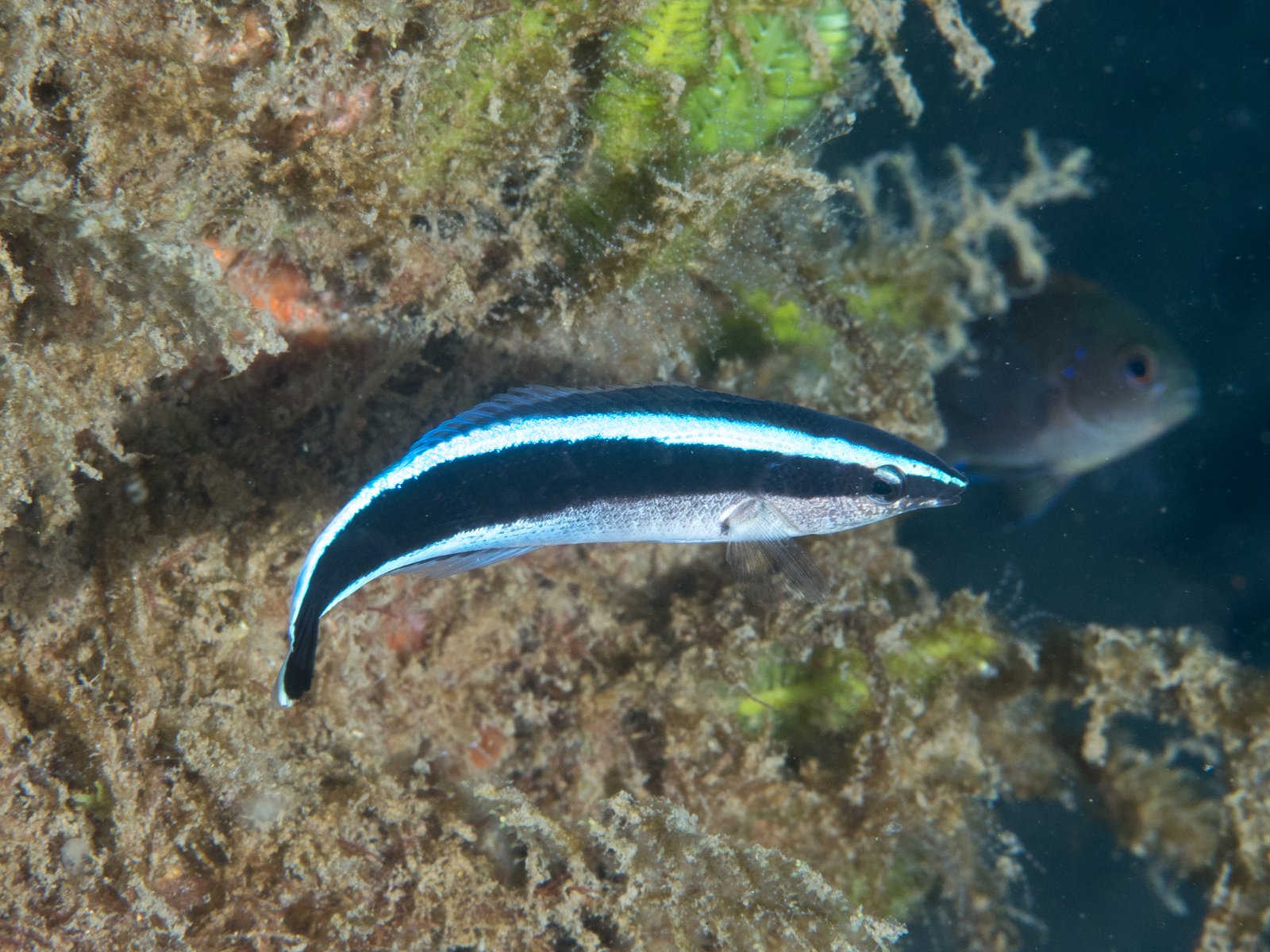
Color is not just a tool for communication within a species but also between different species. Some animals use color to communicate with those outside their immediate group. The cleaner wrasse fish, for example, displays distinctive blue stripes that signal its role in cleaning parasites from larger fish. This symbiotic relationship is facilitated through the language of color, where the wrasse’s markings assure larger fish of its harmless intentions. Such interspecies communication highlights the complexity of color as a tool for mutual understanding and cooperation in the natural world.
Seasonal Changes
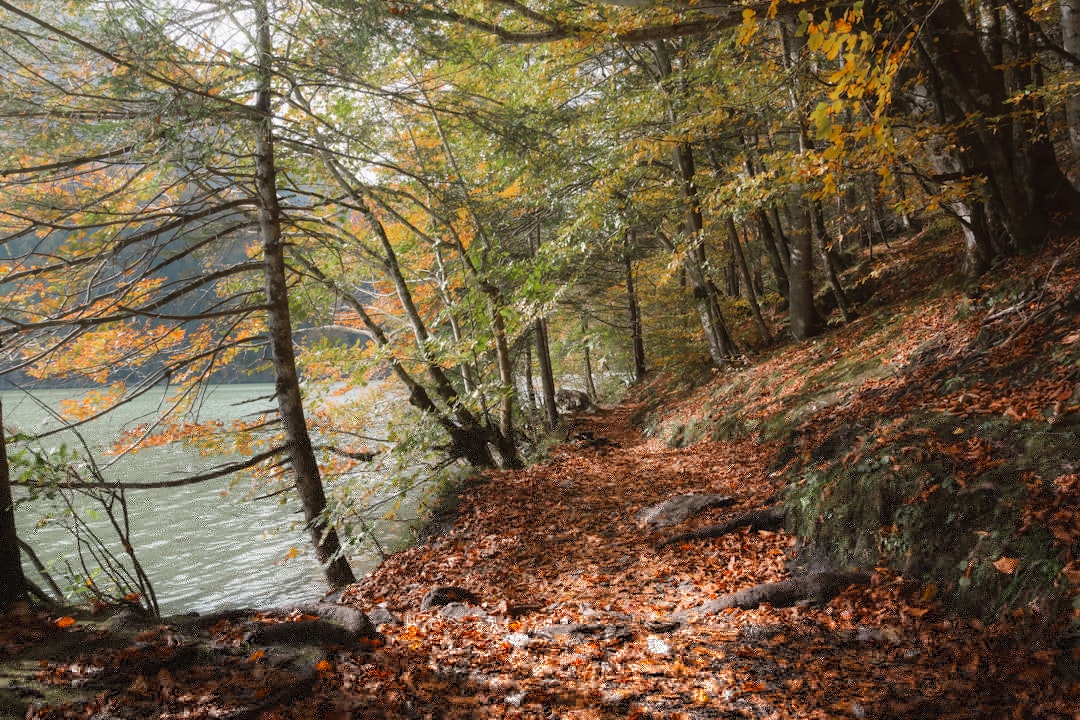
Nature’s colors also shift with the seasons, signaling changes in the environment. In autumn, deciduous trees transform, their leaves turning brilliant shades of red, orange, and yellow. This change is a response to decreasing daylight and temperature, as trees prepare for winter by conserving energy. The vibrant fall foliage is not just a spectacle for human enjoyment but a crucial adaptation for survival. Similarly, many animals change color with the seasons, like the Arctic fox, which turns white in winter to blend with the snow. These seasonal shifts in color are a testament to nature’s ability to adapt and thrive.
Deception and Mimicry
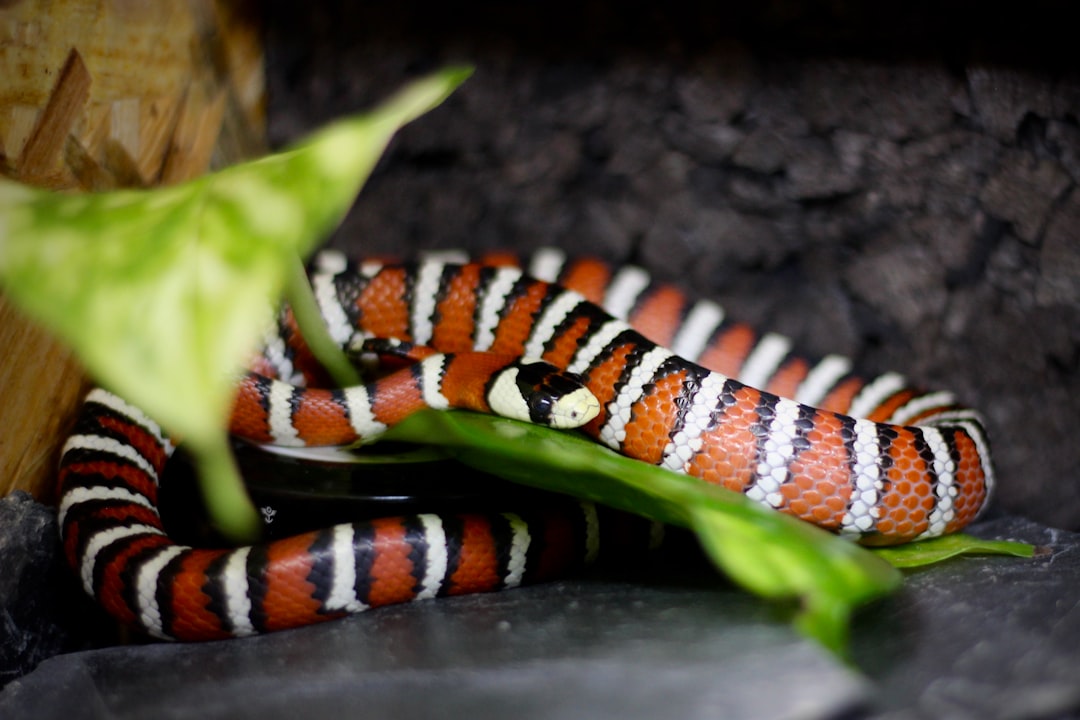
In the world of survival, deception can be a lifesaver. Some animals use color to mimic other species, fooling predators or prey. The harmless king snake, for instance, mimics the coloration of the venomous coral snake, deterring predators through imitation. This phenomenon, known as Batesian mimicry, allows non-threatening species to capitalize on the fearsome reputation of others. By resembling something they’re not, these animals gain a survival advantage. This deceptive use of color is a clever strategy, illustrating nature’s resourcefulness in the face of danger.
Emotional Expression
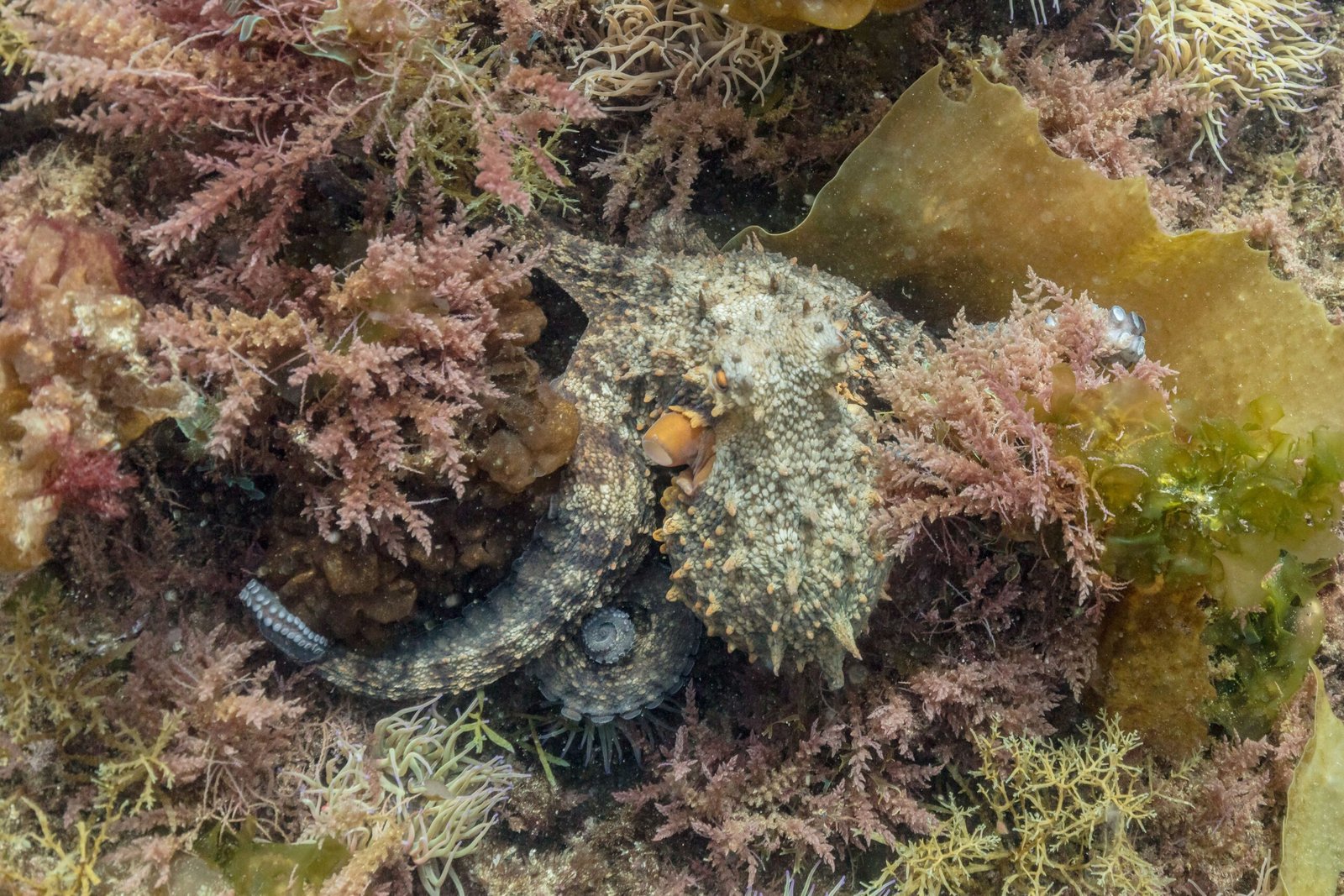
Color can also be a window into an animal’s emotional state. Some species change color in response to their mood or environment. The octopus is a master of this, using chromatophores in its skin to alter its appearance dramatically. It can shift from a neutral hue to a vivid display of colors when threatened or excited. This ability allows the octopus to communicate its emotions to others, signaling aggression, fear, or readiness to mate. Through color, animals express themselves in ways that transcend words, offering a glimpse into their inner world.
In conclusion, the use of color in nature is not merely decorative but a sophisticated form of communication. From warning signals to mating displays, nature’s palette is a testament to its adaptability and intelligence. As we marvel at these colorful spectacles, we are reminded of the intricate web of life and the silent dialogues that unfold within it. Through understanding these vibrant messages, we gain insight into the profound connections that bind us to the natural world.