Nature is a master artist, crafting breathtaking scenes of symmetry that leave us in awe. The beauty of symmetry is not just in its aesthetic appeal but also in its representation of balance and harmony in the natural world. From the intricate patterns on a butterfly’s wings to the mesmerizing structure of a snowflake, nature’s symmetrical designs captivate and inspire. Let’s delve into ten remarkable instances where nature has demonstrated its unparalleled ability to create perfect symmetry.
Butterfly Wings: A Canvas of Symmetry
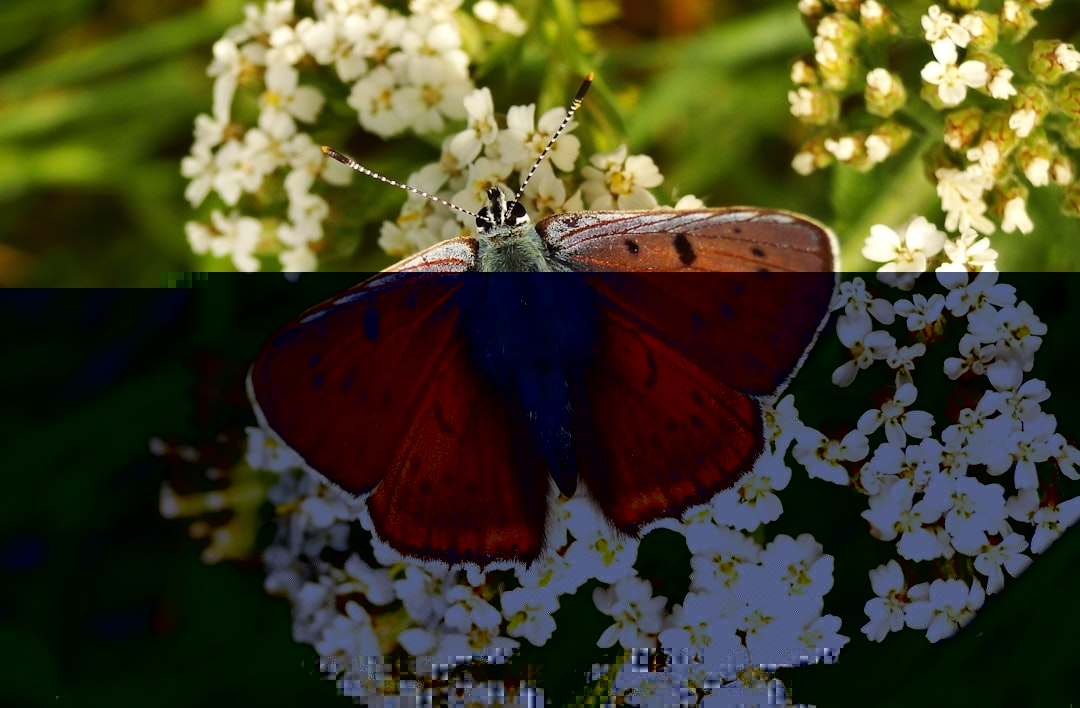
Butterflies are perhaps one of the most iconic examples of nature’s symmetrical artistry. Each wing mirrors the other, showcasing patterns and colors in perfect harmony. This bilateral symmetry is not just for show; it plays a crucial role in their survival. The symmetrical patterns can confuse predators, making it difficult to determine the butterfly’s exact shape and size. Moreover, the vibrant colors and designs often act as a warning to potential threats about the butterfly’s toxicity. In essence, the symmetrical beauty of a butterfly is a blend of art and evolutionary advantage.
Snowflakes: Nature’s Frozen Masterpieces
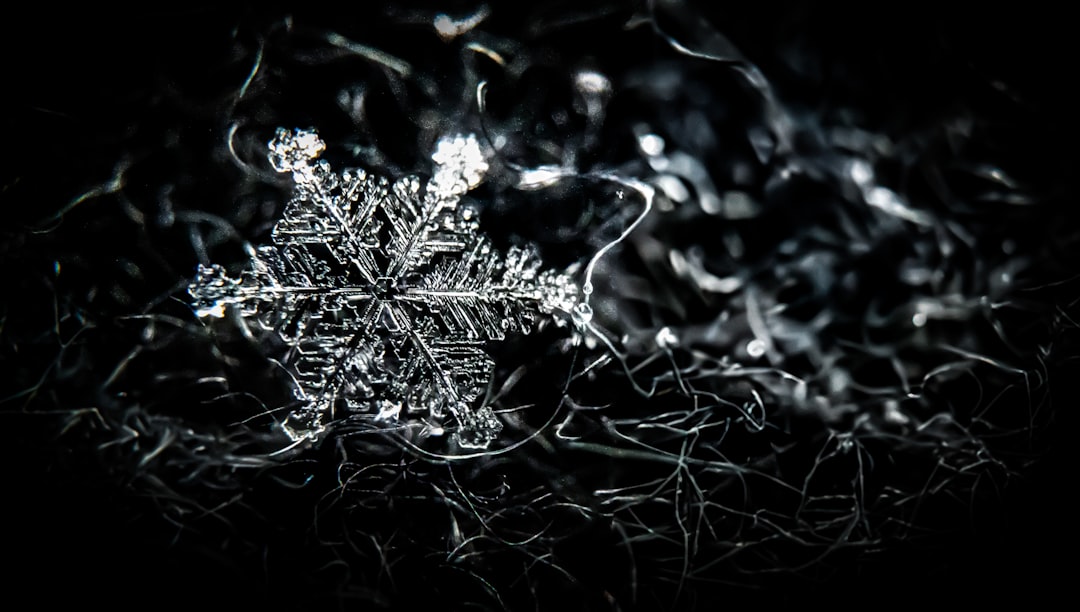
Every snowflake is a testament to nature’s ability to create intricate symmetry. As water vapor freezes, it forms a hexagonal structure due to the molecular arrangement of water. This results in a six-sided snowflake, with each arm growing in perfect symmetry. Despite their identical beginnings, no two snowflakes are alike, as they each take a unique path through the atmosphere. The conditions they encounter, such as temperature and humidity, influence their final symmetrical design, making each one a unique masterpiece of nature’s artistry.
Starfish: The Sea’s Symmetrical Stars
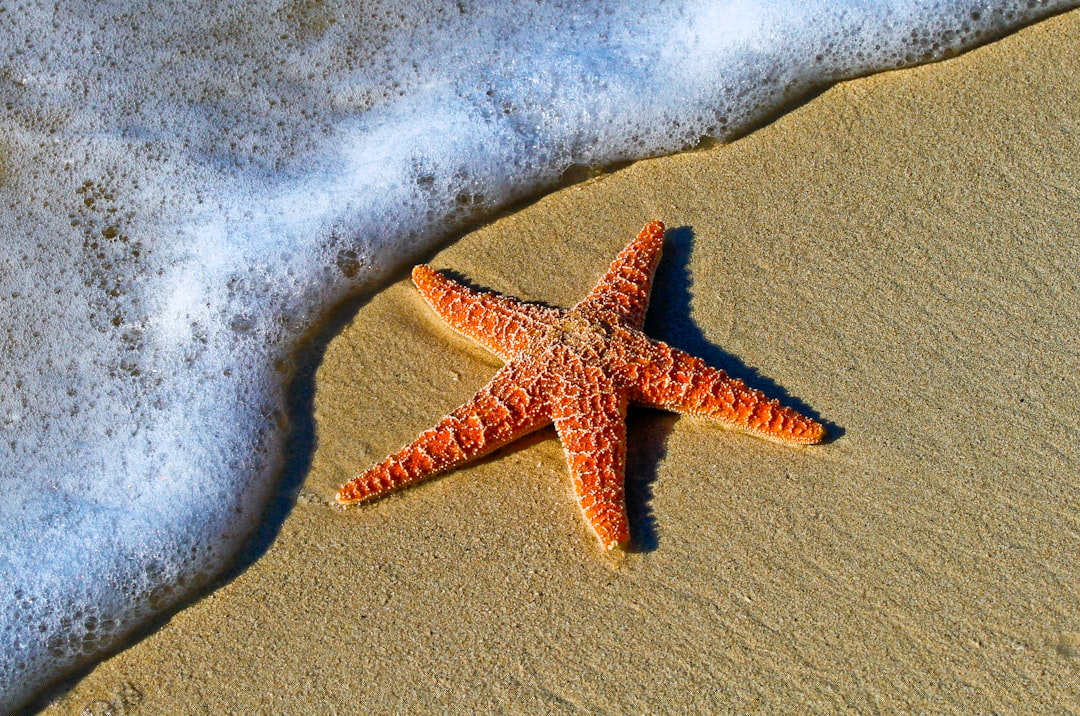
Starfish, with their radial symmetry, are fascinating creatures of the ocean. Typically possessing five arms radiating from a central disc, they exhibit a form of symmetry that is both functional and beautiful. This symmetry allows them to move efficiently across the ocean floor and regenerate lost arms. Their symmetrical design also aids in capturing food and defending against predators. The starfish’s body is a perfect example of how symmetry in nature is often intertwined with practicality and survival.
Flowers: Nature’s Symmetrical Blooms

Flowers are nature’s colorful expressions of symmetry. Many flowers, such as the daisy or the sunflower, exhibit radial symmetry, where petals radiate from a central point. This design is not just visually appealing but also functional, as it aids in efficient pollination. The symmetrical arrangement of petals provides a clear path for pollinators like bees and butterflies, ensuring the flower’s reproductive success. The harmony and balance in a flower’s design are a testament to nature’s meticulous attention to detail.
Human Faces: The Balance of Symmetry

Human faces are often considered beautiful when they exhibit a high degree of symmetry. This preference for symmetry is deeply rooted in evolutionary biology. Symmetrical features are often associated with health and genetic fitness, making them attractive to potential mates. While no human face is perfectly symmetrical, those with more balanced features are often perceived as more appealing. This natural preference highlights how symmetry is not just a visual delight but also a subconscious indicator of genetic quality.
Honeycombs: Geometric Precision in Nature
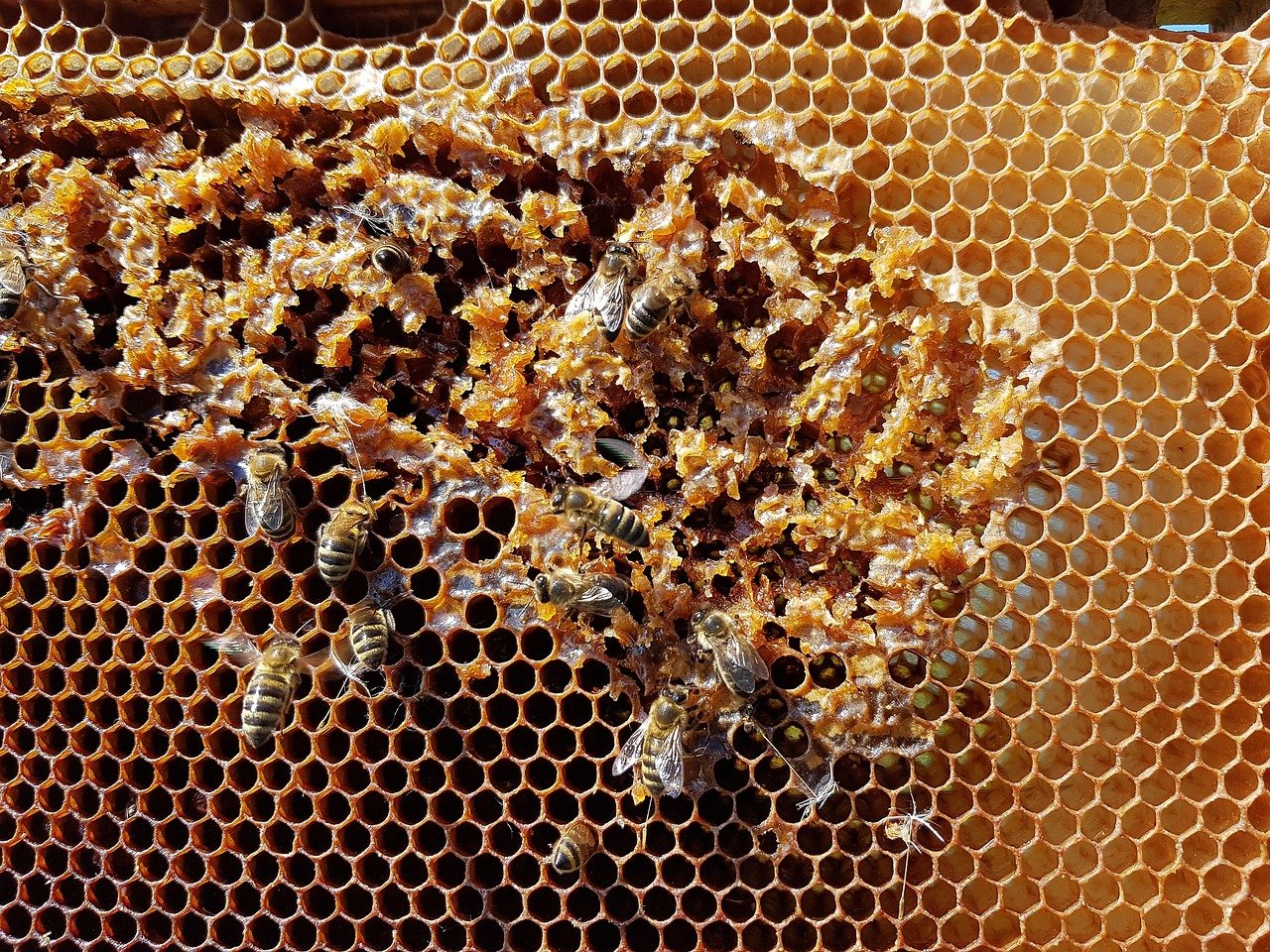
The honeycomb is an architectural marvel of symmetry and efficiency. Bees construct these hexagonal cells with precision, using the least amount of material to create a structure that is both strong and spacious. The hexagonal symmetry allows for optimal storage of honey and eggs, while also providing strength to withstand external pressures. This natural design is so efficient that it has inspired human engineering and architecture. The honeycomb is a prime example of how symmetry in nature often serves a practical purpose.
Peacock Feathers: A Display of Symmetrical Splendor
The peacock’s tail feathers are a dazzling display of symmetry and color. Each feather features a series of eye-like patterns, perfectly aligned and symmetrical. This display is not just for beauty; it plays a crucial role in mating rituals. The symmetry and vibrancy of the feathers are indicators of the peacock’s health and genetic quality, attracting potential mates. The peacock’s tail is a vivid reminder of how symmetry in nature often serves multiple purposes, blending beauty with biological function.
Crystals: Symmetrical Structures in Nature
Crystals are nature’s symmetrical wonders, formed by the orderly arrangement of atoms. This atomic symmetry results in the geometric shapes we admire in minerals like quartz and diamonds. The symmetrical structure of crystals is not just visually appealing but also affects their physical properties, such as strength and optical clarity. The study of crystals, known as crystallography, has provided valuable insights into the natural world, highlighting the intricate patterns that govern the formation of these symmetrical structures.
Spider Webs: Symmetrical Engineering
Spider webs are masterpieces of symmetrical design, crafted with precision and purpose. The radial symmetry of a web not only enhances its strength but also maximizes its ability to capture prey. Each strand is strategically placed to create a balance between flexibility and tension, ensuring the web can withstand external forces. The symmetry of a spider web is a testament to nature’s engineering prowess, demonstrating how balance and design come together to serve a practical purpose in the natural world.
Ferns: Fractal Symmetry in Plants
Ferns are a beautiful example of fractal symmetry in nature. Each frond of a fern unfurls in a pattern that mirrors the entire plant, a concept known as self-similarity. This fractal symmetry is not just aesthetically pleasing but also allows ferns to efficiently capture sunlight and thrive in diverse environments. The repeating patterns in ferns highlight how nature often uses symmetry and repetition to create structures that are both beautiful and functional, showcasing the intricate balance of form and function.
In exploring these ten examples, we see that symmetry in nature is far more than just an aesthetic choice. It is a fundamental principle that governs the design and function of countless natural phenomena. The seamless blend of beauty and practicality in these symmetrical creations is a testament to the intricate and intelligent design of the natural world. As we appreciate these wonders, we are reminded of the delicate balance and harmony that nature continually strives to maintain.