


In the wild, survival often hinges on the most unexpected strategies. When it comes to parenting, some animals have developed truly fascinating methods to ensure their offspring’s survival. It’s a world where the usual rules are turned on their head, and ingenuity is the name of the game. From self-sacrifice to unconventional nurturing, these strategies are not just peculiar—they’re incredibly effective. So, let’s dive into the intriguing world of bizarre animal parenting and discover ten strategies that are as captivating as they are successful.
Mouthbrooding: Carrying Young in Unusual Places
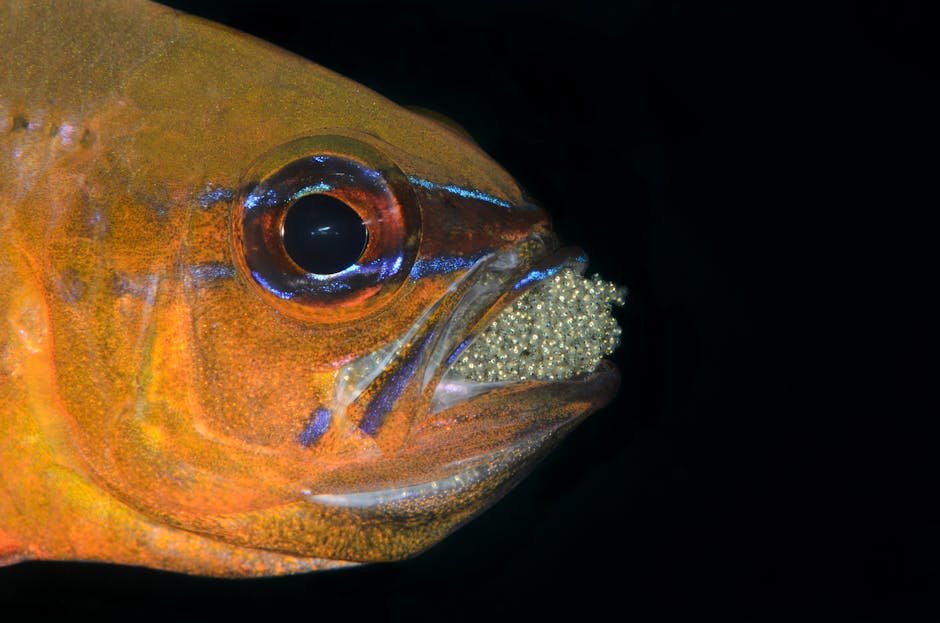
In the world of fish, some species have taken parental care to a whole new level by using their mouths as nurseries. Known as mouthbrooding, this strategy involves the parent—often the father—keeping the fertilized eggs in their mouth until they hatch. This might sound odd, but it provides the young with unparalleled protection from predators. The fish are safe in a literal bubble of safety, and once they hatch, they are released into the world, ready to swim on their own. In some species, the young even return to the parent’s mouth for shelter during their early days. It’s a remarkable example of how resourceful parenting can be in the animal kingdom.
Brood Parasitism: Outsourcing Parenting Duties
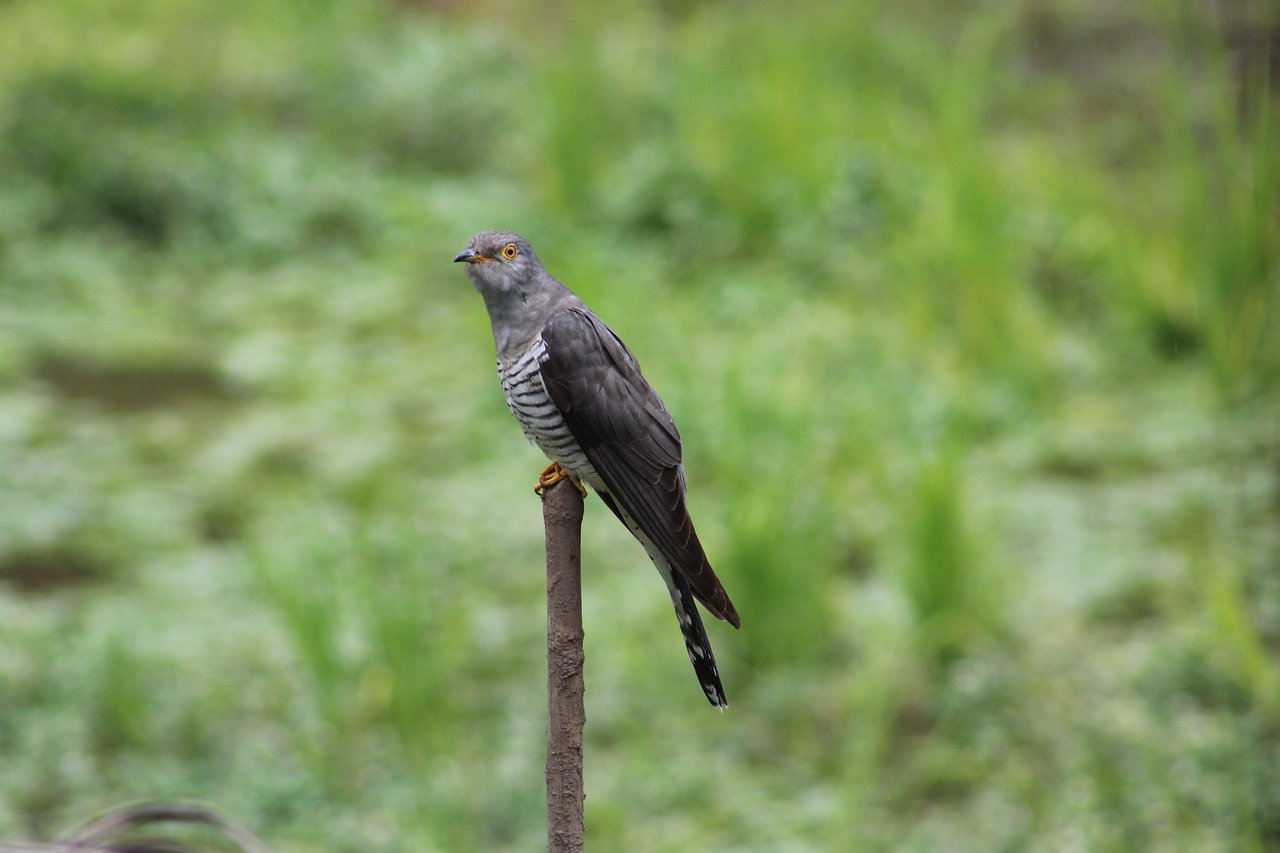
While some animals carry their young in their mouths, others prefer to let someone else do the hard work. Enter brood parasitism, a strategy perfected by birds like the cuckoo. These crafty creatures lay their eggs in the nests of other birds, leaving the unsuspecting host to raise their young. The host bird feeds and cares for the parasitic chick, often at the expense of its own offspring. While this strategy might seem unfair, it’s a highly successful way for parasitic birds to ensure their young are well-fed and protected without investing resources themselves. It’s a fascinating example of how nature can turn the tables in the parenting game.
Self-Sacrifice: The Ultimate Parental Commitment
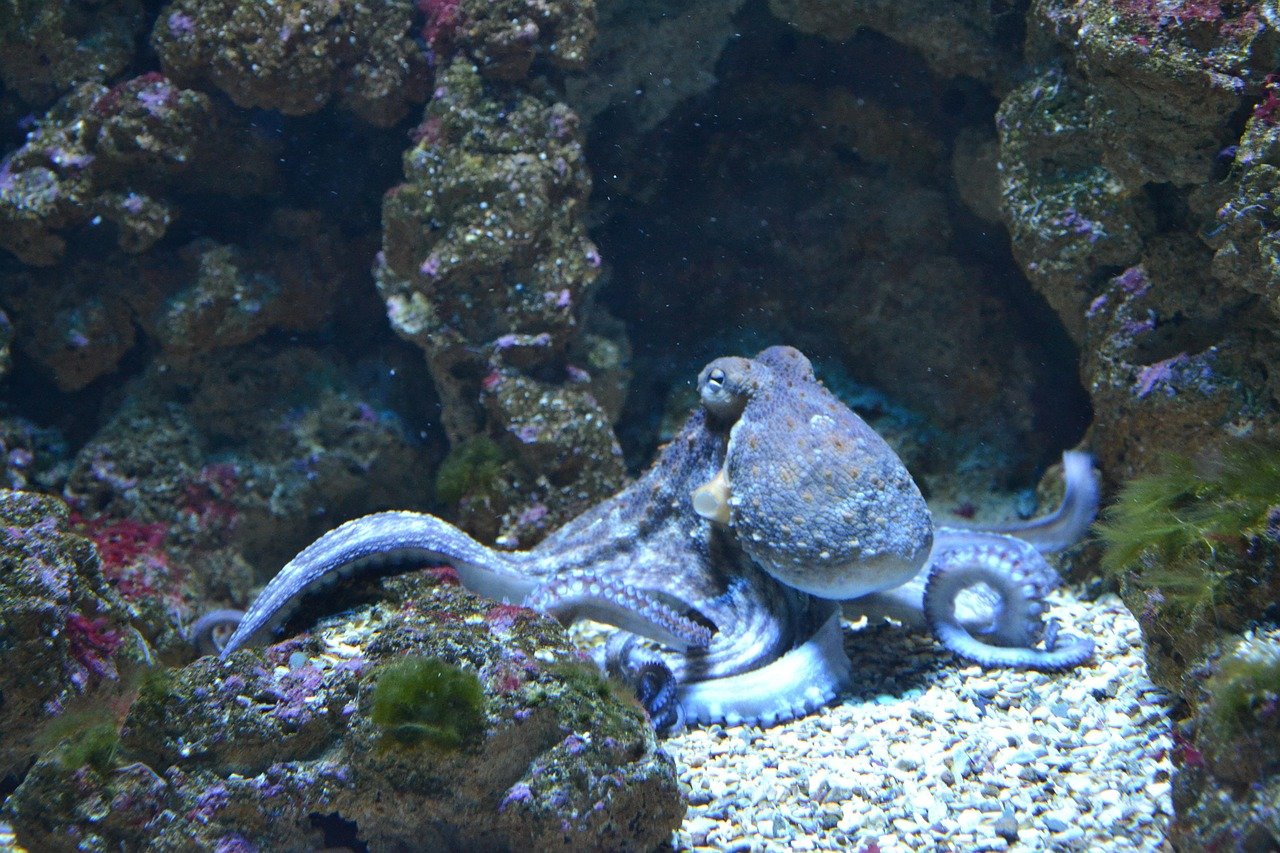
For some animals, parenting involves the ultimate sacrifice—their own lives. The octopus is a prime example of this extreme strategy. After laying her eggs, the female octopus dedicates herself entirely to protecting them, often going without food. In her final act of devotion, she dies, leaving her young to fend for themselves once they hatch. This self-sacrifice ensures that the eggs receive round-the-clock protection, increasing their chances of survival. It’s a poignant reminder of the lengths to which some animals will go to ensure the success of their offspring.
Alloparenting: The Community Approach
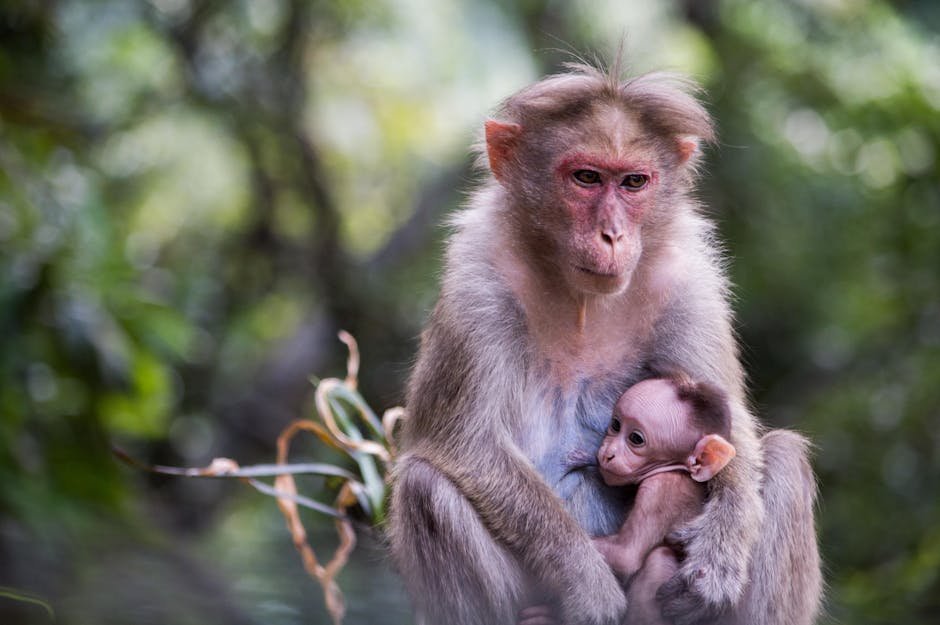
In the world of parenting, sometimes it takes a village. Alloparenting, or communal care, is a strategy employed by animals such as elephants and meerkats. In these societies, not only the biological parents but also other group members take turns caring for the young. This shared responsibility ensures that the young are always watched over and cared for, even if the parents are away. It’s a strategy that strengthens social bonds within the group while providing the young with a safe and nurturing environment. By working together, these animals ensure that their offspring have the best start in life.
Delayed Implantation: Timing is Everything
Some mammals, like the European badger, have mastered the art of timing when it comes to parenting. Through a process known as delayed implantation, these animals can control when their fertilized eggs begin to develop. This allows them to give birth during optimal conditions, ensuring their young have the best chance of survival. By aligning birth with favorable environmental conditions, such as abundant food supply or mild weather, these animals can maximize their offspring’s survival rates. It’s a remarkable example of how precision and timing play a crucial role in successful parenting strategies.
Protective Mimicry: Disguising the Young
In the animal kingdom, appearance can be a powerful tool for protection. Some species, like the Malaysian orchid mantis, use protective mimicry to keep their young safe. By resembling parts of their environment, these animals can hide their offspring in plain sight. This camouflage helps the young avoid predators, increasing their chances of survival. It’s a clever strategy that relies on deception rather than confrontation, showcasing how some animals have evolved to use their surroundings to their advantage.
Infanticide: A Dark Yet Effective Strategy
While it may seem counterintuitive, infanticide can be a successful parenting strategy for some animals. Lions, for instance, may kill the offspring of rival males to ensure their genes are passed on. This brutal tactic allows the dominant male to eliminate competition and increase the chances of his own cubs surviving. While it’s a harsh reality, infanticide plays a significant role in the social dynamics of certain animal groups, reinforcing the idea that survival often comes down to the fittest and most strategic.
Parental Role Reversal: Dads Taking Charge
In the seahorse world, it’s the fathers who take on the primary parenting role. Male seahorses have specialized pouches where the female deposits her eggs. The father then fertilizes and carries the eggs until they hatch, releasing fully-formed young into the water. This role reversal is rare in the animal kingdom but demonstrates how adaptable and diverse parenting strategies can be. By taking on this responsibility, male seahorses ensure their young are well-protected and increase their chances of survival.
Food Provisioning: Ensuring a Steady Supply
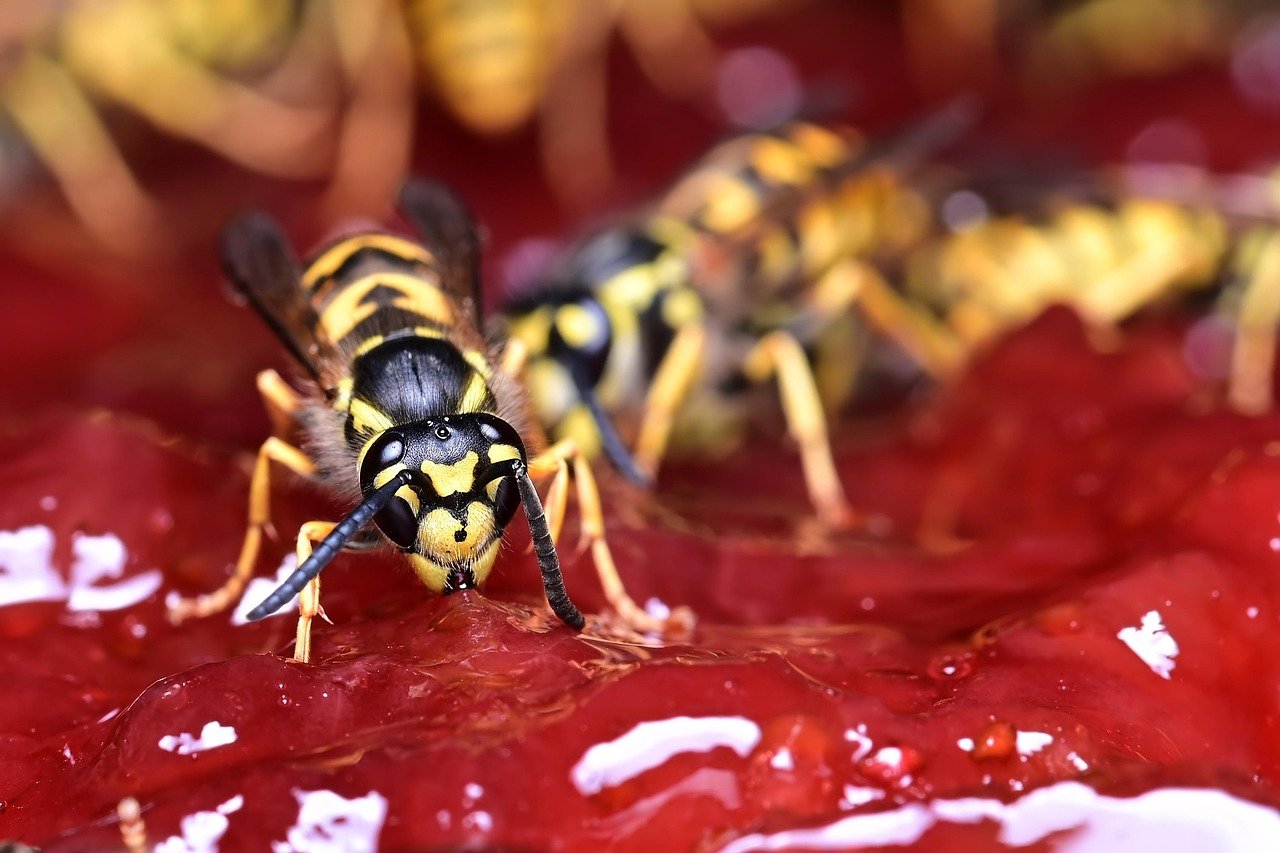
Some animals go to great lengths to ensure their young have a constant food supply. The beewolf, a type of wasp, captures and paralyzes bees to provide fresh food for its larvae. By storing these paralyzed bees in their nests, beewolves ensure their offspring have access to fresh prey as they grow. This meticulous planning and provisioning exemplify the lengths to which some animals will go to provide for their young, ensuring they have the resources needed to thrive.
Egg Guarding: Standing Watch Over the Next Generation
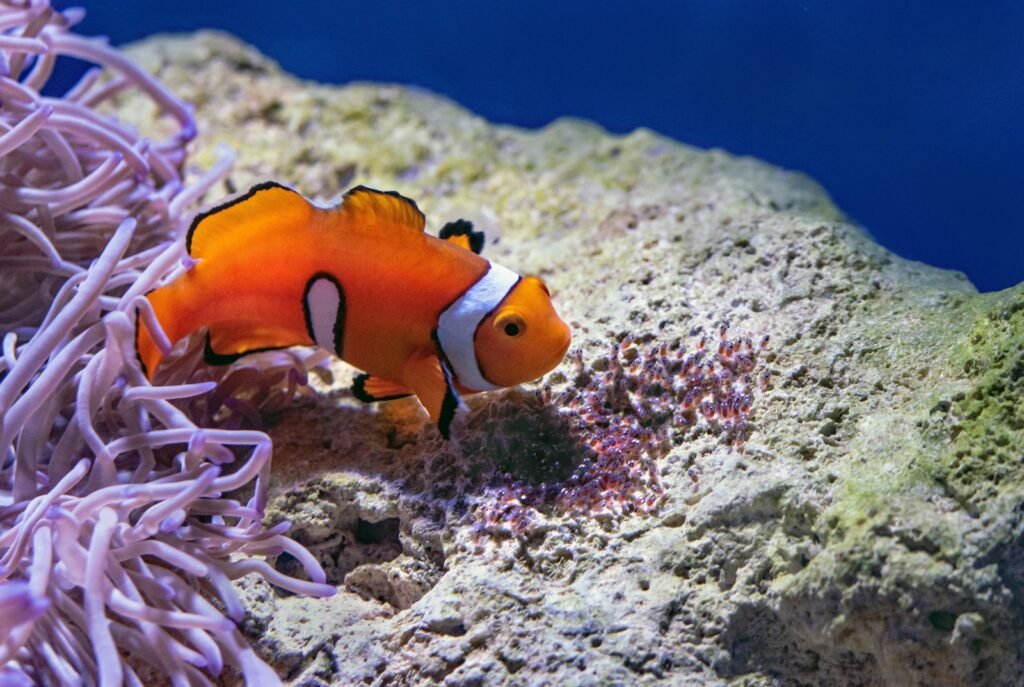
For some fish species, guarding their eggs is a full-time job. The male three-spined stickleback, for instance, fiercely protects his nest from predators and rivals. By fanning the eggs with his fins, he ensures they receive enough oxygen and remain clean. This vigilant care increases the chances of the eggs hatching successfully. It’s a testament to the dedication and effort some animals invest in their offspring, showcasing the diverse and often surprising strategies employed in the natural world.


