Nature has always been a source of inspiration for humans. From the flight of birds to the resilience of plants, countless natural phenomena have sparked human innovation. This connection between nature and technology is often referred to as biomimicry, where the intricate designs and processes found in nature are emulated to solve human challenges. Let us delve into twelve remarkable inventions inspired by the wonders of the natural world, showcasing how nature has shaped the course of human development.
The Velcro Revolution

The story of Velcro begins with a simple walk in the woods. Swiss engineer George de Mestral noticed how burrs clung stubbornly to his clothes and his dog’s fur. Intrigued, he examined them under a microscope and discovered tiny hooks on the burrs that latched onto the loops of fabric. This observation led to the creation of Velcro, a hook-and-loop fastener that revolutionized the textile industry. It found applications in everything from clothing to aerospace, demonstrating the power of nature’s simple yet effective designs.
Flight Inspired by Birds
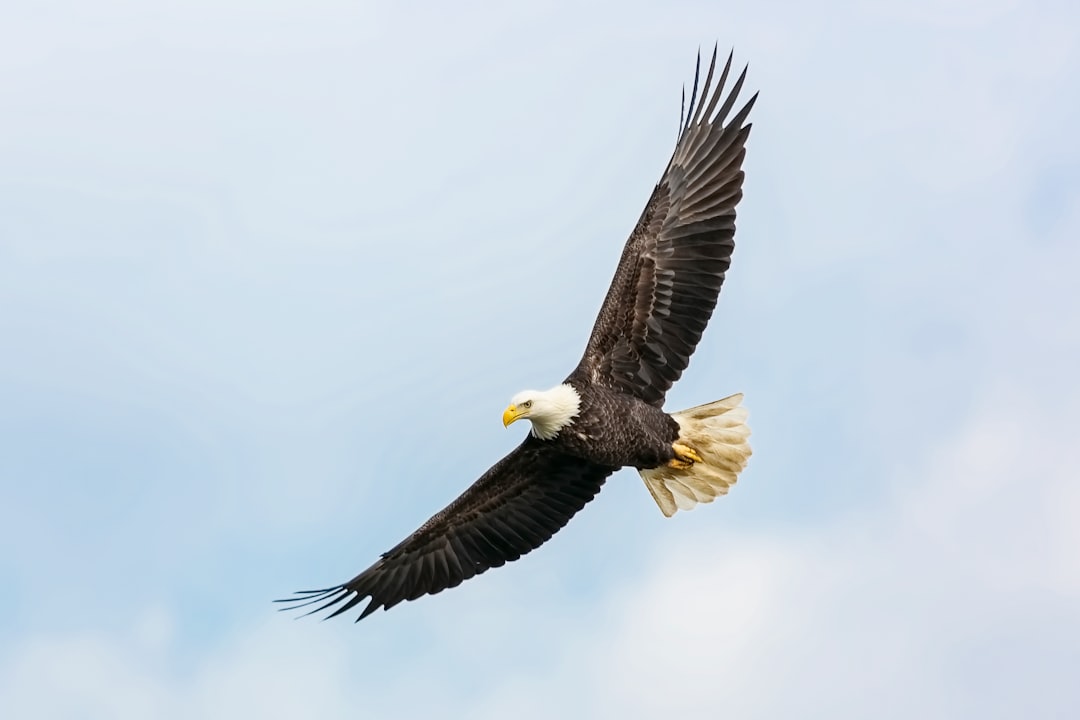
Birds have long fascinated humans with their graceful flight. The Wright brothers, pioneers of aviation, studied birds’ wings to understand lift and control. They observed how birds tilted their wings to navigate and incorporated these principles into their aircraft designs. This led to the successful invention of the first powered airplane. The aviation industry continues to draw from avian inspiration, using wing shapes and materials that mimic bird feathers to enhance efficiency and reduce noise.
Gecko Adhesives
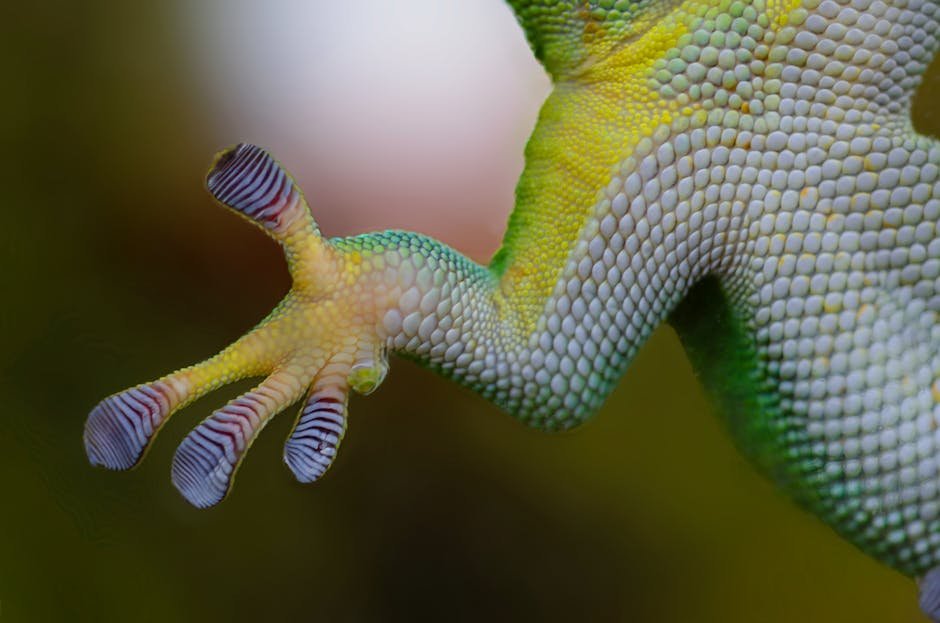
Geckos possess an extraordinary ability to traverse walls and ceilings effortlessly. This remarkable trait is attributed to the microscopic structures on their feet, which create van der Waals forces, allowing them to cling to surfaces. Scientists have mimicked this mechanism to develop adhesive materials that do not leave residue and can be used repeatedly. These gecko-inspired adhesives are finding applications in robotics, medical devices, and even space exploration, offering versatile solutions for various challenges.
Shark Skin Technology
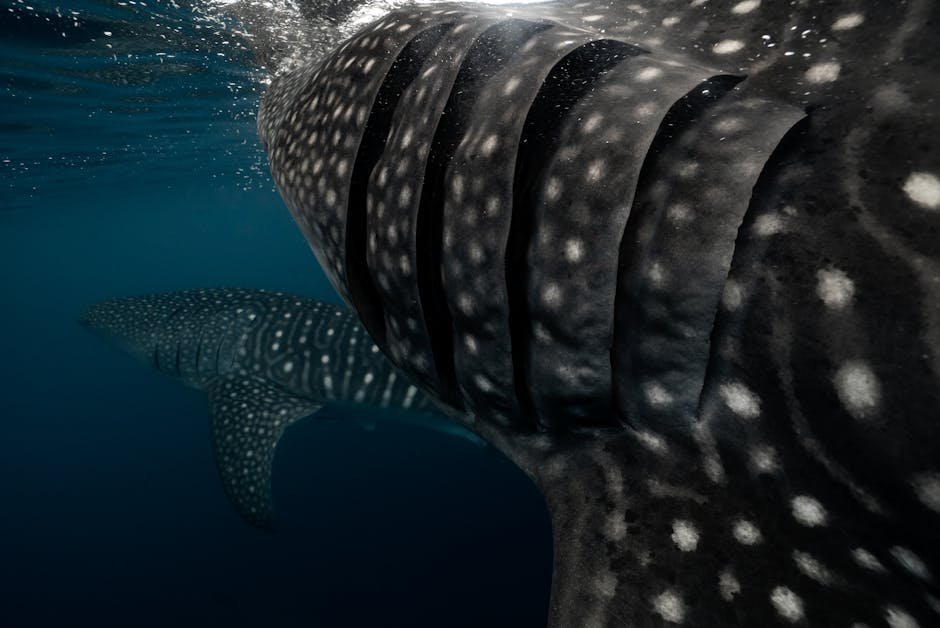
Sharks are known for their speed and agility in water, largely due to the textured surface of their skin. The tiny scales, called denticles, reduce drag and prevent the growth of algae and barnacles. Engineers have developed materials that mimic shark skin to enhance the efficiency of ships and submarines. It also finds use in swimwear, where the reduced drag can significantly improve athletes’ performance. This innovation underscores how nature’s adaptations can lead to breakthroughs in human technology.
Lotus Effect Coatings
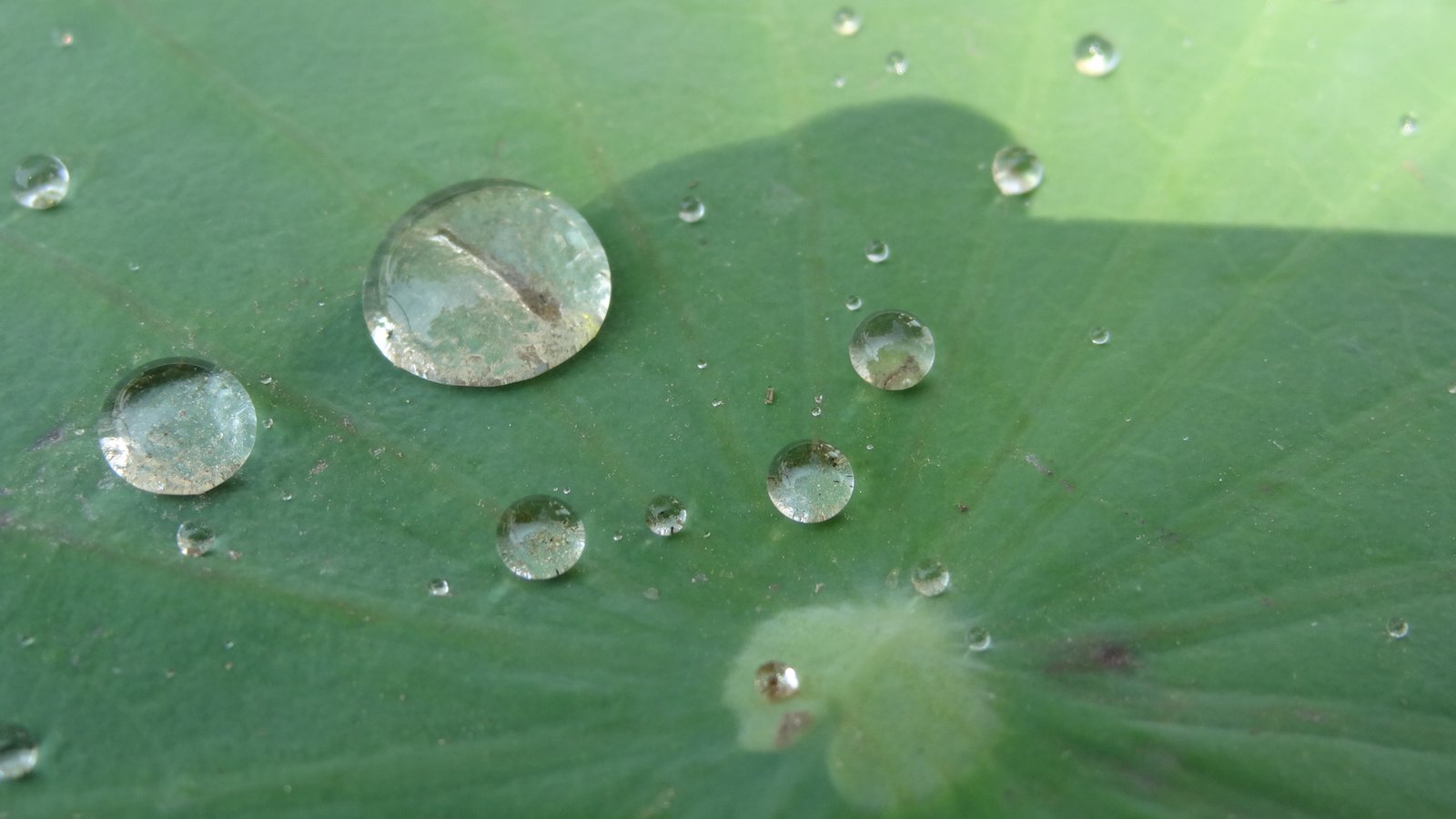
The lotus flower’s ability to remain clean in muddy waters has inspired the development of self-cleaning surfaces. The micro- and nano-structures on lotus leaves cause water droplets to bead up and roll off, taking dirt with them. This phenomenon, known as the lotus effect, has been replicated in coatings for windows, textiles, and even paints. These surfaces require less cleaning and maintenance, offering eco-friendly solutions by reducing the need for chemical cleaners.
Spider Silk Strength

Spider silk is one of the strongest natural materials, renowned for its tensile strength and elasticity. Researchers have sought to replicate its properties for use in various applications, including sutures, bulletproof clothing, and biodegradable fishing lines. By studying the proteins that make up spider silk, scientists have developed synthetic versions that hold promise for transforming industries reliant on strong, lightweight materials. The pursuit of spider silk exemplifies the potential for nature-inspired materials to surpass existing technologies.
Termite Mound Architecture
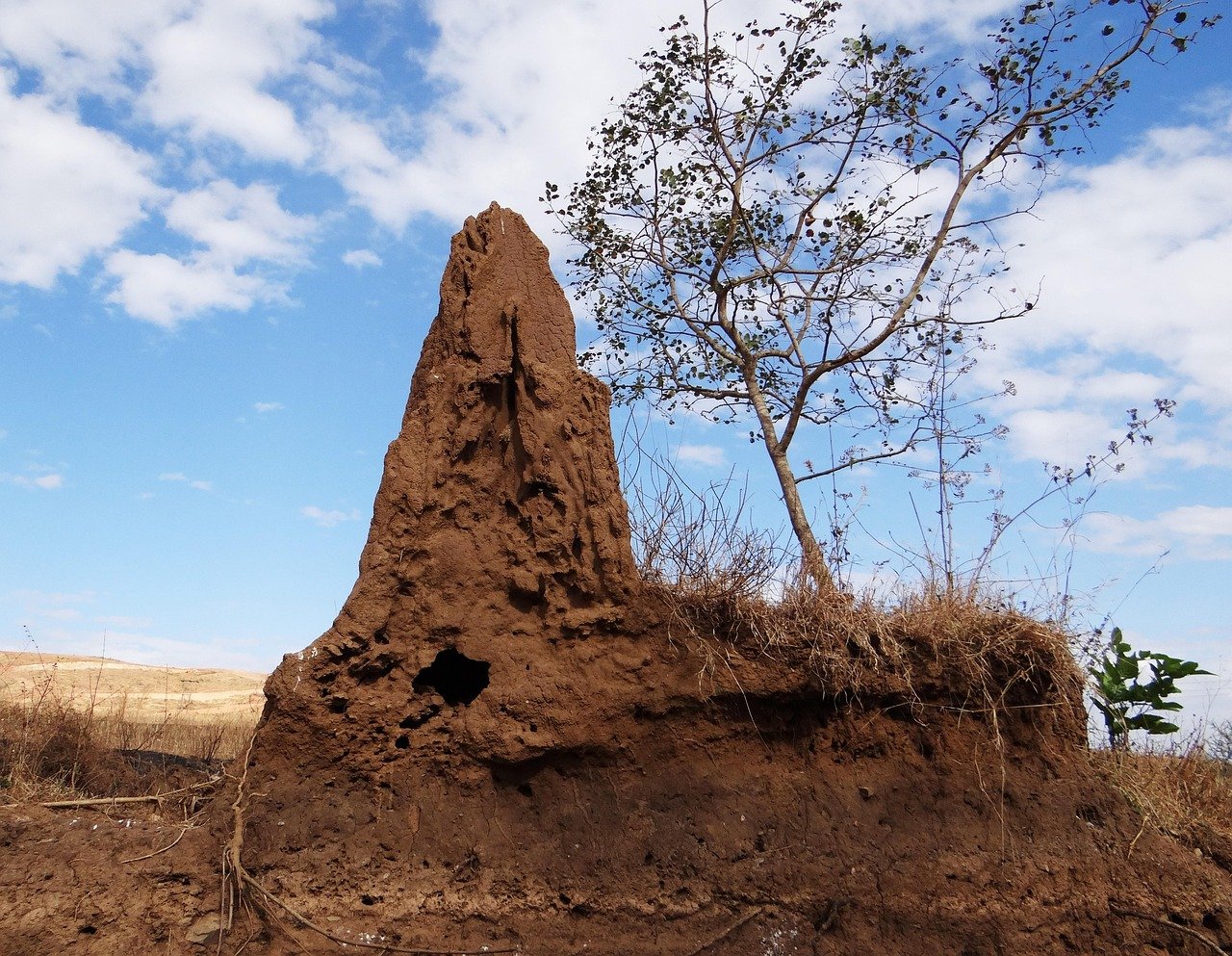
Termites might be small, but their architectural prowess is awe-inspiring. Their mounds maintain consistent internal temperatures despite external fluctuations, thanks to a natural ventilation system. Architects have drawn inspiration from these structures to design energy-efficient buildings that regulate temperature without relying heavily on air conditioning. This biomimetic approach not only conserves energy but also enhances comfort, illustrating how observing nature can lead to sustainable living solutions.
Kingfisher-Inspired Train Design
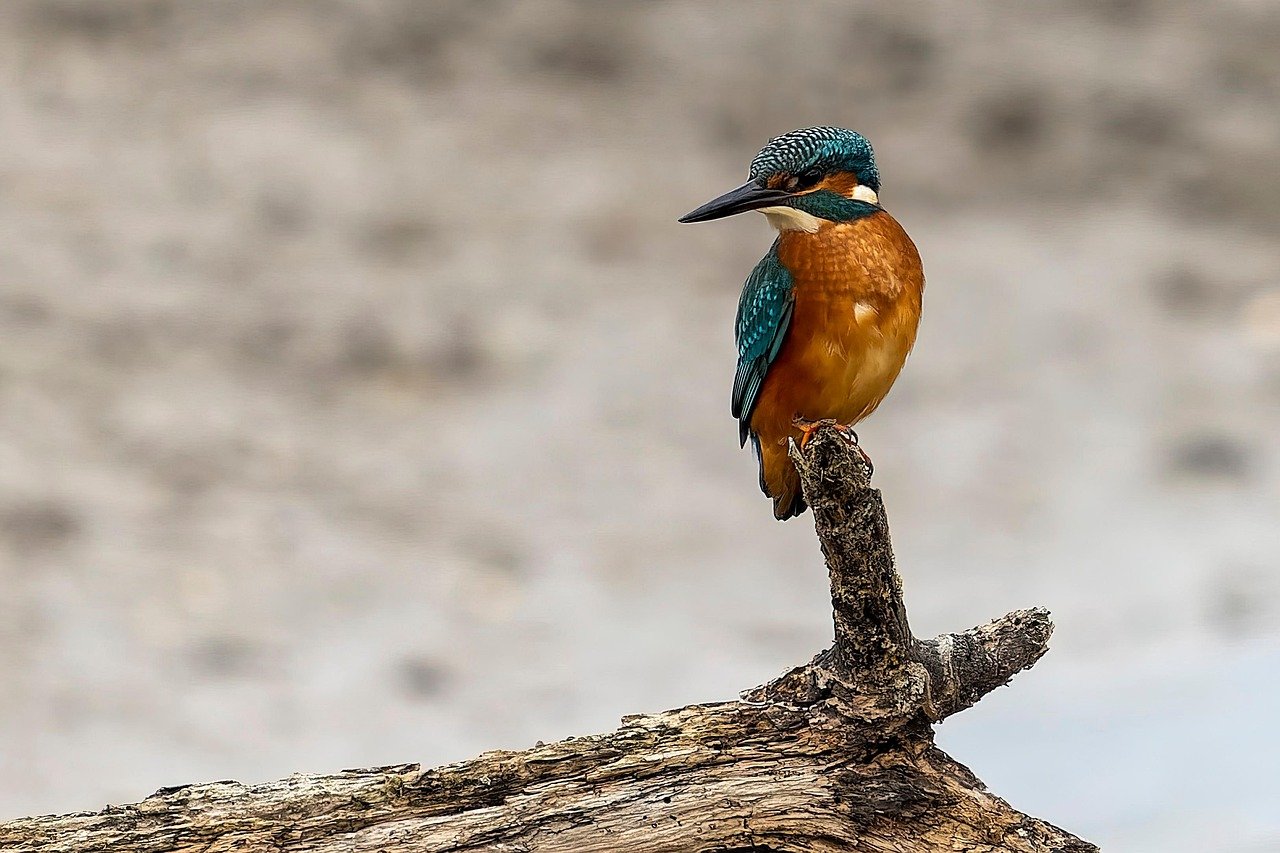
The kingfisher’s beak allows it to dive into water with minimal splash, a feature that inspired engineers designing high-speed trains. The Shinkansen bullet train in Japan faced noise issues due to air resistance, but modeling the train’s nose after the kingfisher’s beak reduced noise and improved speed. This example highlights how nature’s adaptations can address modern engineering challenges, enhancing performance while minimizing environmental impact.
Whale Fin Wind Turbines
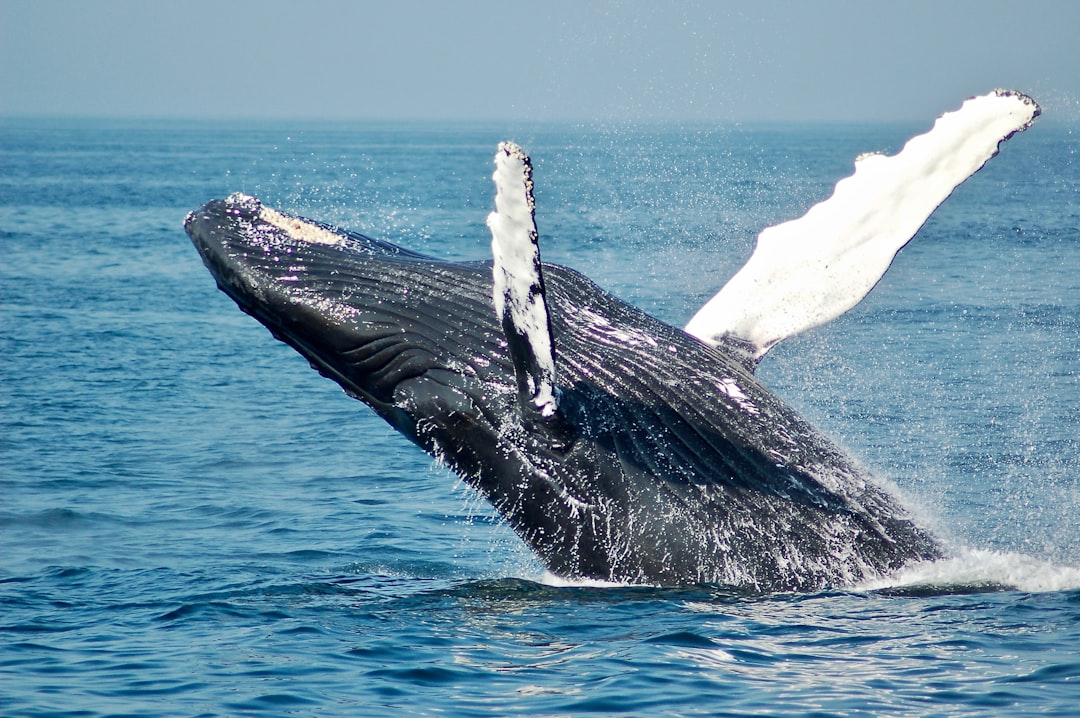
The humpback whale’s pectoral fins have unique bumps called tubercles, which enhance their maneuverability. Researchers applied this concept to wind turbine blades, improving their efficiency by reducing drag and increasing lift. These whale-inspired turbines generate more energy at lower wind speeds, making renewable energy more accessible. This innovation showcases the potential for nature-inspired designs to contribute to sustainable energy solutions.
Bioluminescent Lighting
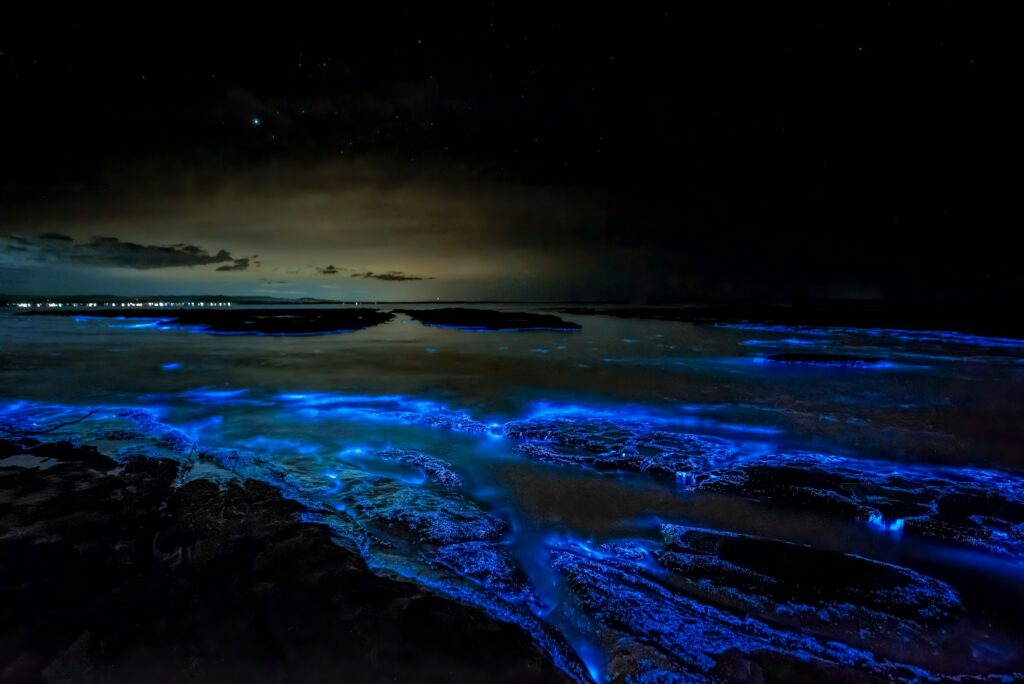
Certain organisms, like fireflies and deep-sea creatures, produce light through bioluminescence. Scientists have harnessed this phenomenon to develop energy-efficient lighting systems. By mimicking the chemical reactions that produce light in these organisms, researchers have created sustainable lighting solutions that consume less energy than traditional bulbs. This innovation represents a promising avenue for reducing energy consumption and minimizing environmental impact.
Beetle-Inspired Water Collection
The desert beetle thrives in arid environments by collecting water from fog using its textured shell. This adaptation has inspired the development of water-harvesting technologies in regions facing water scarcity. Engineers have designed surfaces that mimic the beetle’s shell, efficiently capturing water from the air. These innovations offer hope for addressing global water challenges, showcasing how nature’s solutions can be adapted to benefit human societies.
Ant-Inspired Algorithms
Ants are masters of organization and problem-solving, particularly when it comes to finding food. Their behavior has inspired algorithms used in computer science for optimizing complex systems, such as traffic flow and network routing. These ant-inspired algorithms mimic the way ants communicate and make decisions, offering efficient solutions to intricate problems. This example underscores the potential for nature-inspired strategies to revolutionize technology and improve human life.
In exploring these twelve nature-inspired inventions, it becomes evident that the natural world holds a treasure trove of solutions to human challenges. By observing and emulating the remarkable designs found in nature, we can continue to innovate and create technologies that are efficient, sustainable, and harmonious with the environment.