In the vast tapestry of life on Earth, some creatures possess the remarkable ability to defy the relentless march of time. These animals challenge our understanding of aging, exhibiting traits that allow them to live longer, healthier lives. While humans search for the fountain of youth, these fascinating creatures seem to have found it in their unique biological makeup. With the mysteries of nature as our guide, let us embark on a journey to explore eight extraordinary animals that defy aging in ways that seem almost magical.
Naked Mole Rat: The Underground Marvel
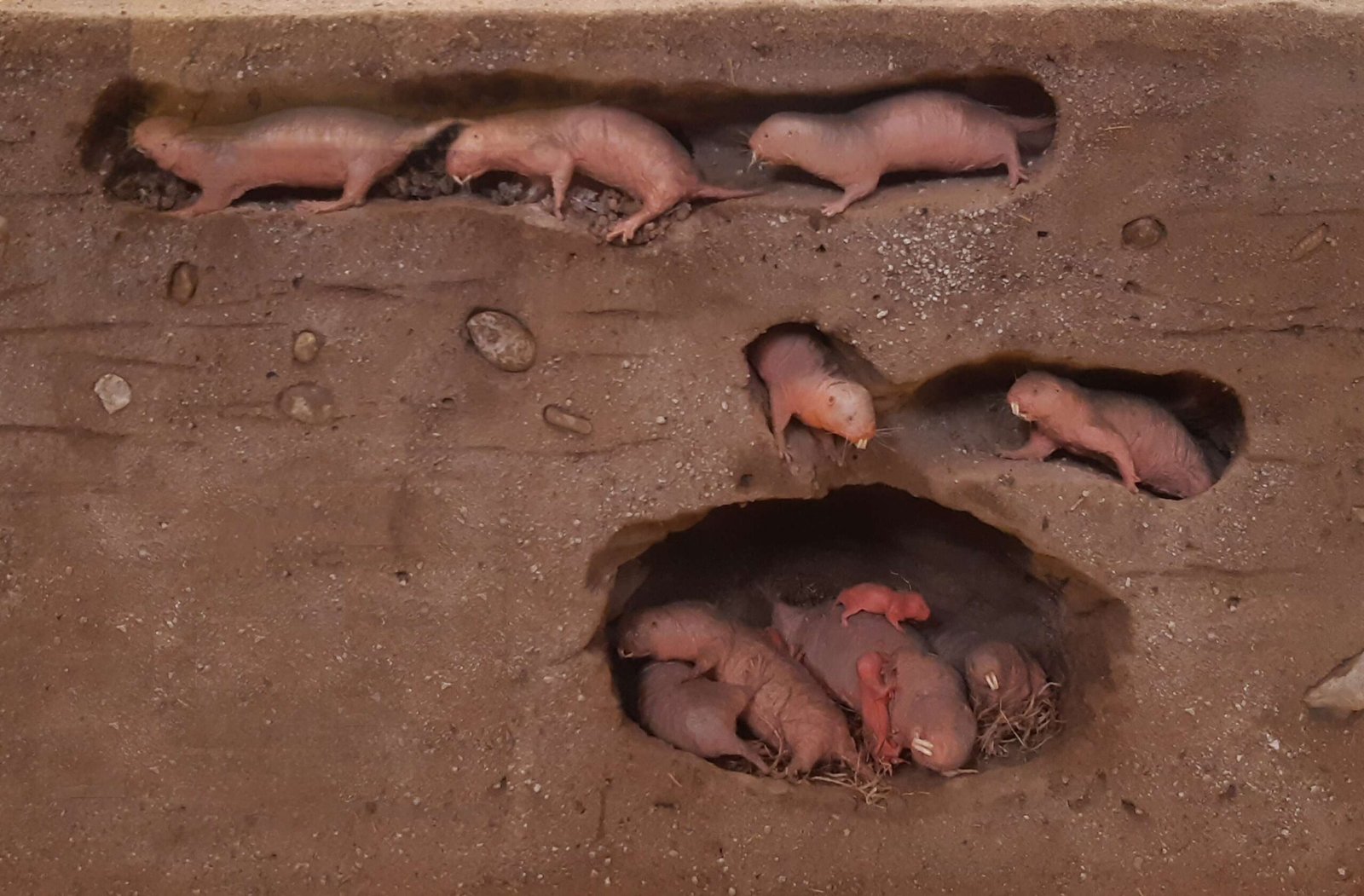
The naked mole rat is an odd-looking creature that resides beneath the Earth’s surface. Known for their hairless bodies and buck teeth, these rodents have captivated scientists with their ability to live up to 30 years, a remarkably long lifespan for a small mammal. What sets them apart is their resistance to cancer. Unlike most creatures, naked mole rats show little to no incidence of cancer in their lifetime. Their cells secrete a complex sugar called hyaluronan, which may play a role in this resistance. Additionally, they maintain a stable level of protein integrity, which helps them avoid age-related diseases. In essence, the naked mole rat is a testament to nature’s ability to engineer longevity.
Immortal Jellyfish: Nature’s Timeless Wonder
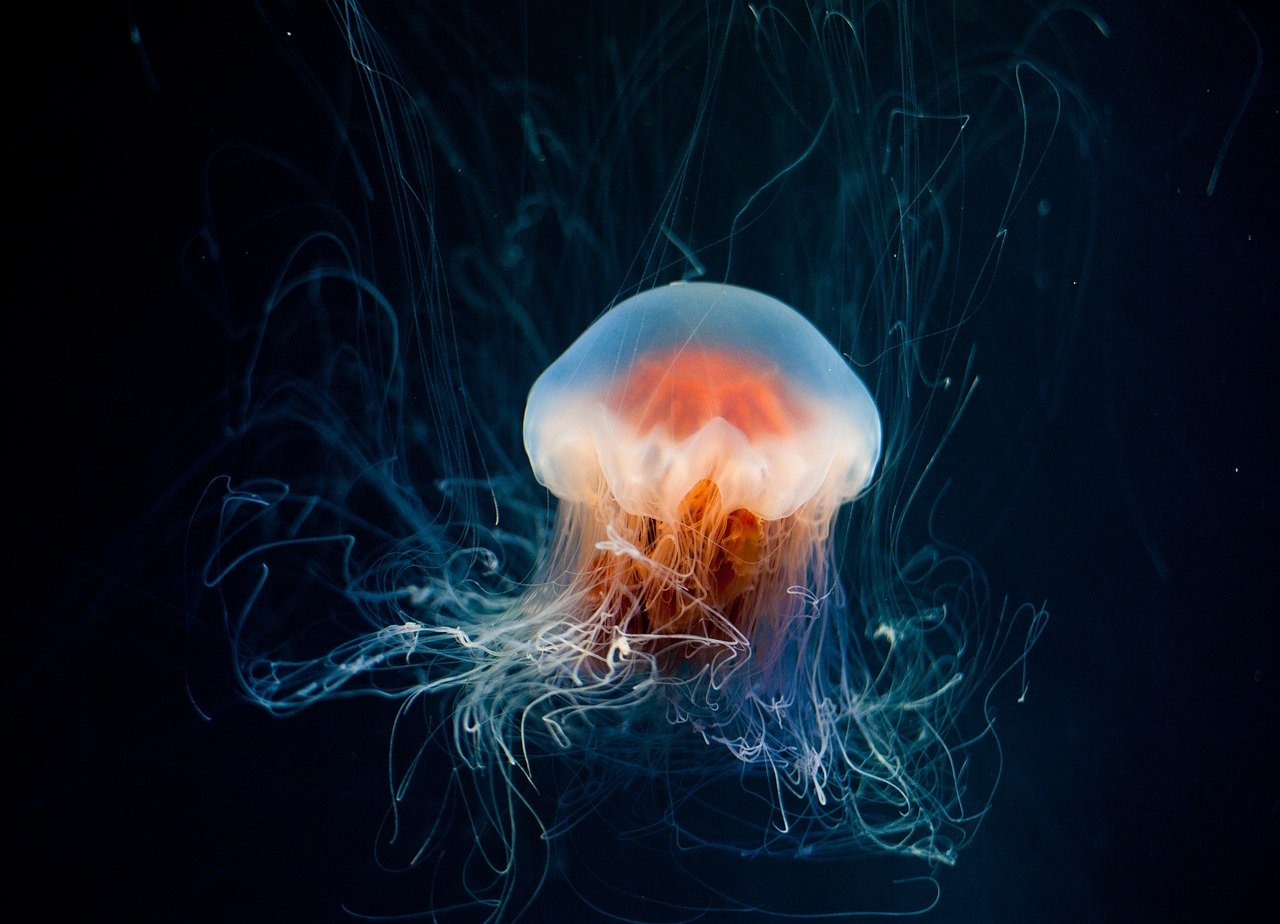
The immortal jellyfish, scientifically known as Turritopsis dohrnii, is a creature that seems to have cracked the code to eternal life. When faced with environmental stress or physical damage, this jellyfish can revert to its earlier life stage, effectively starting its life cycle anew. This process, known as transdifferentiation, allows the jellyfish to avoid death and continue living indefinitely. While this may not make them truly immortal in the face of predation, it provides a unique biological mechanism to circumvent aging. The existence of the immortal jellyfish raises intriguing questions about cellular regeneration and the boundaries of life itself.
Greenland Shark: The Ancient Voyager
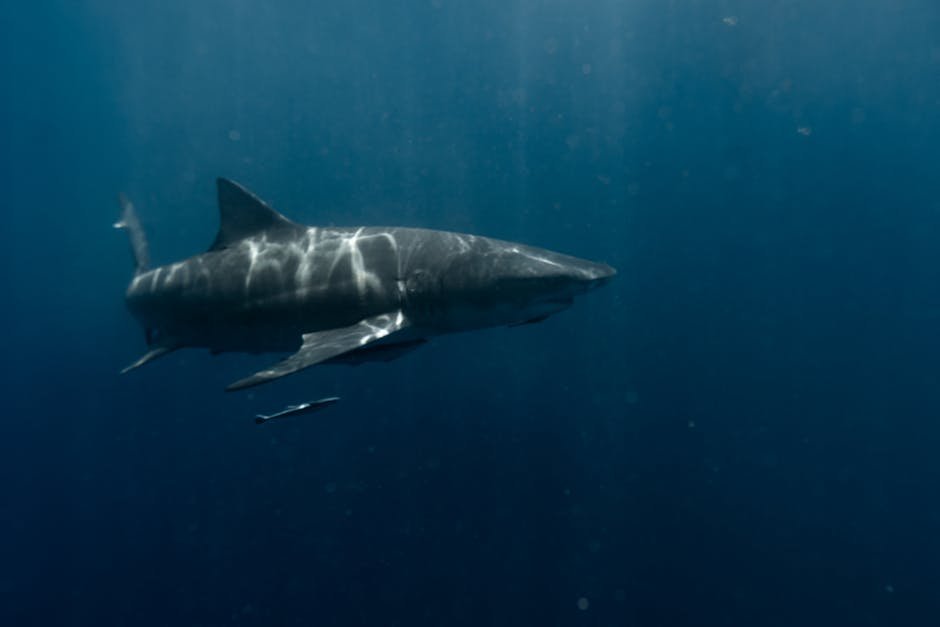
Living in the icy waters of the North Atlantic, the Greenland shark is a slow-moving giant with an astonishing lifespan. These sharks can live for over 400 years, making them the longest-lived vertebrates known to science. Their secret lies in their slow metabolism and frigid habitat, which seems to slow down the aging process. Greenland sharks grow at a snail’s pace, adding only about a centimeter a year, and reach sexual maturity at around 150 years of age. The longevity of these ancient creatures offers insights into how low metabolic rates can extend life, inviting us to reconsider the relationship between environment and aging.
Bowhead Whale: The Arctic Survivor
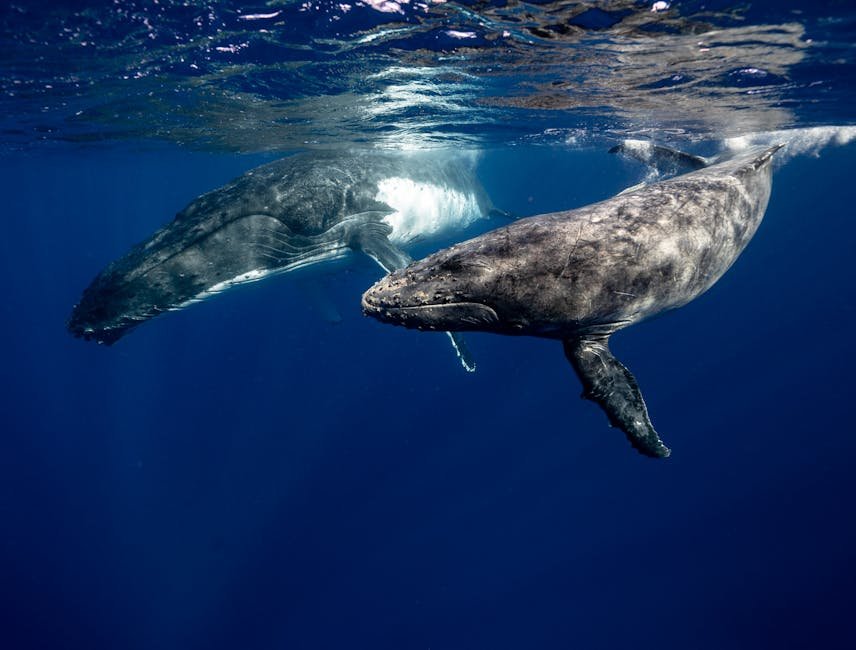
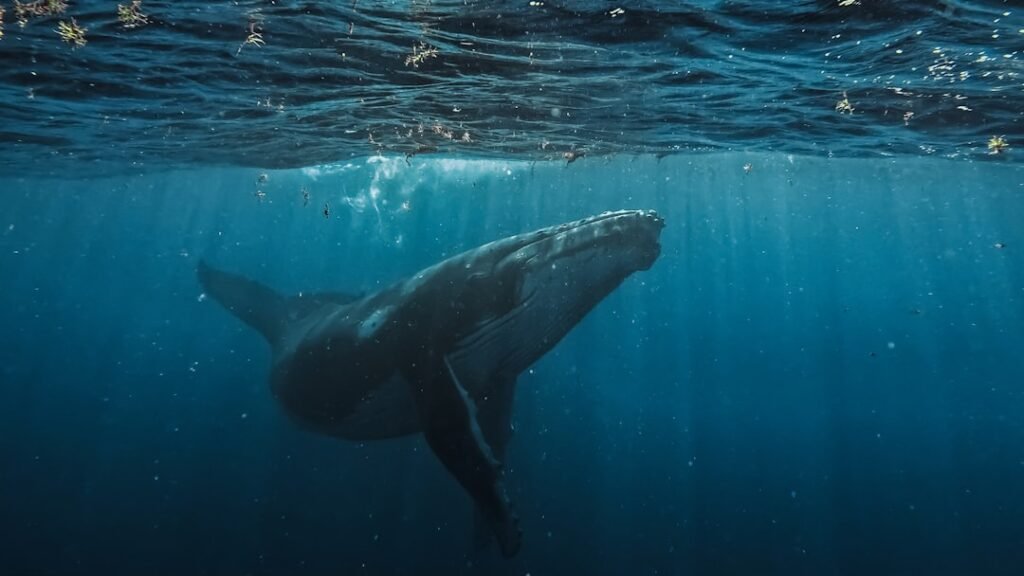
Bowhead whales are another testament to the wonders of the Arctic. These majestic marine mammals can live over 200 years, surviving in some of the harshest conditions on the planet. Their remarkable longevity is attributed to certain genetic adaptations that enhance DNA repair and resist age-related diseases. Bowhead whales have unique proteins that protect their cells from damage, allowing them to maintain healthy tissues for centuries. The ability to repair DNA efficiently and resist cancer is a key factor in their long lives. Their existence challenges our understanding of aging and inspires research into genetic factors that contribute to longevity.
Planarian Flatworm: The Regeneration Expert

Planarian flatworms are tiny creatures that demonstrate extraordinary regenerative abilities. These worms can regenerate entire bodies from small fragments, effectively reversing damage and maintaining their youth. The secret to their regenerative powers lies in their stem cells, which are highly potent and capable of differentiating into various cell types. This ability to regenerate not only extends their lifespan but also provides invaluable insights into the mechanisms of cellular regeneration. By studying planarians, scientists hope to uncover potential applications for regenerative medicine and age-related therapies in humans.
Hydra: The Ever-Youthful Polyp
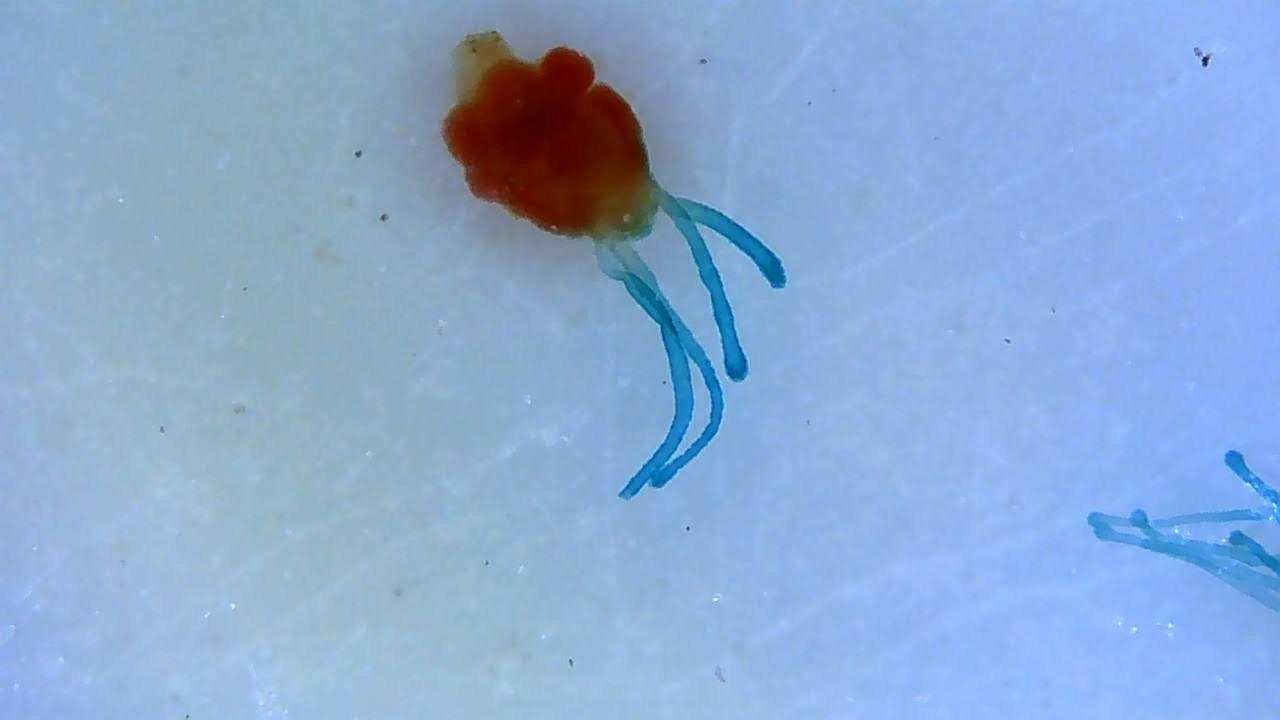
Hydras are simple, freshwater organisms that exhibit a fascinating ability to avoid aging. Unlike most animals, hydras do not show signs of senescence, the gradual deterioration of function with age. This phenomenon is attributed to their continuous production of stem cells, which replace old cells and maintain the organism’s youthfulness. Hydras can reproduce asexually through budding, allowing them to produce genetically identical offspring without the constraints of aging. Their perpetual youth has made them a subject of intense scientific study, offering insights into the potential for cellular rejuvenation and immortality.
Tuataras: The Ancient Reptiles

Tuataras are reptiles native to New Zealand, often mistaken for lizards but belonging to a distinct lineage. These ancient creatures can live over 100 years, displaying a slow rate of aging that sets them apart from other reptiles. Tuataras have a unique physiology that includes a third “parietal” eye on the top of their heads, which is thought to play a role in regulating circadian rhythms. Their slow metabolism and ability to survive in cool climates contribute to their longevity. Tuataras are living relics of the past, offering a glimpse into the evolutionary history of reptiles and the secrets of long life.
Galápagos Tortoise: The Island Giants
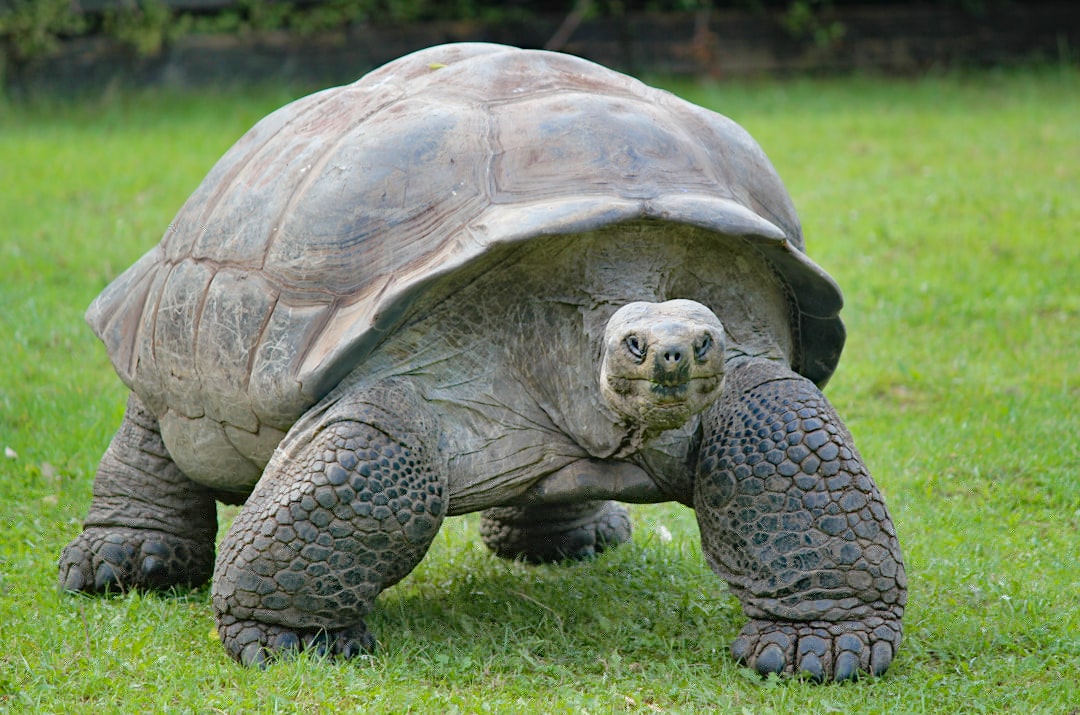
Galápagos tortoises are among the most iconic examples of longevity in the animal kingdom. These massive reptiles can live over 150 years, making them some of the longest-lived land animals. Their slow metabolism and relaxed lifestyle contribute to their extended lifespans. Galápagos tortoises have evolved to thrive in the isolated environment of the islands, developing unique adaptations to conserve energy and withstand harsh conditions. Their ability to store large amounts of water and fat allows them to survive long periods without food or water, a key factor in their survival and longevity. As symbols of endurance and resilience, Galápagos tortoises remind us of the incredible diversity of life and the wonders of evolution.