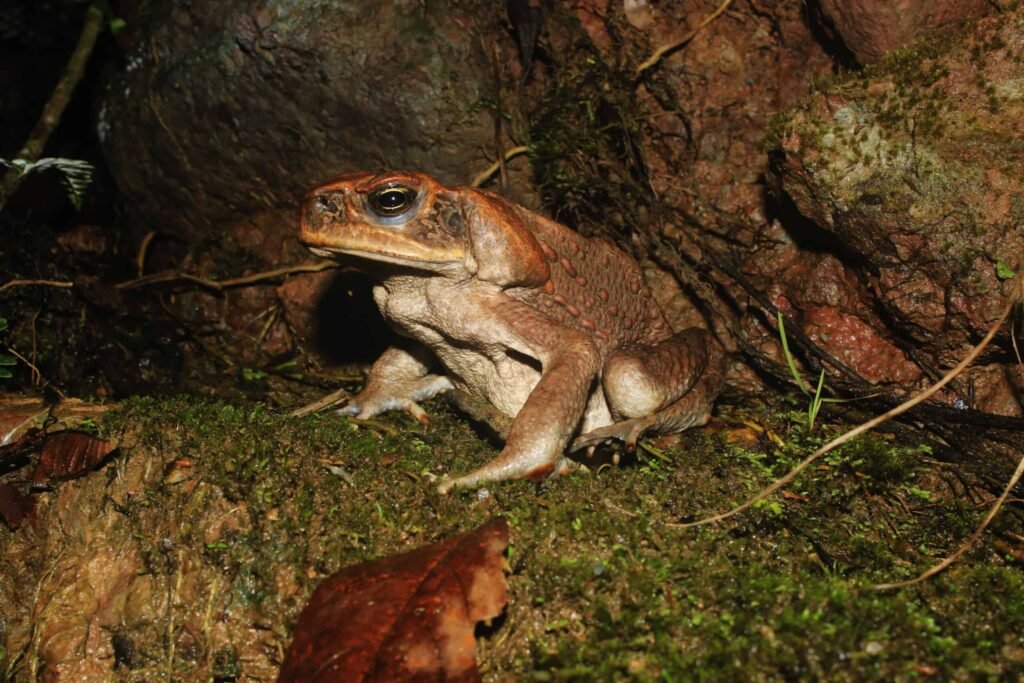

Australia’s diverse ecosystems are home to a wide array of native species. Among these, a significant threat has emerged over the years—the introduction and spread of the invasive cane toad. This article delves into the profound impact of cane toads on Australia’s native wildlife, offering an overview of the ongoing ecological battle across the northern regions of the country.
Introduction to the Cane Toad Invasion
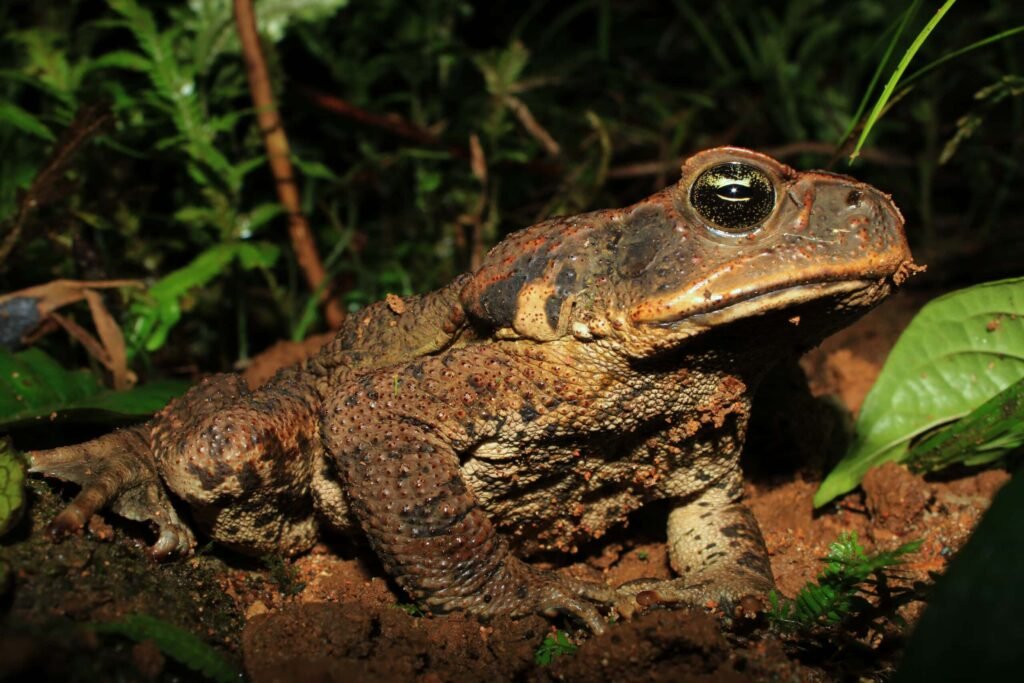
Cane toads, originally native to Central and South America, were introduced to Australia’s Queensland in 1935 in an attempt to control the sugar cane beetle population. This well-intentioned but misguided introduction has led to a prolific invasion, causing widespread ecological disruption as the toads spread across northern Australia. Highlighting the resilience and adaptability of this species, it is crucial to understand the challenges they pose to native wildlife and ecosystems.
Understanding the Cane Toad’s Adaptability
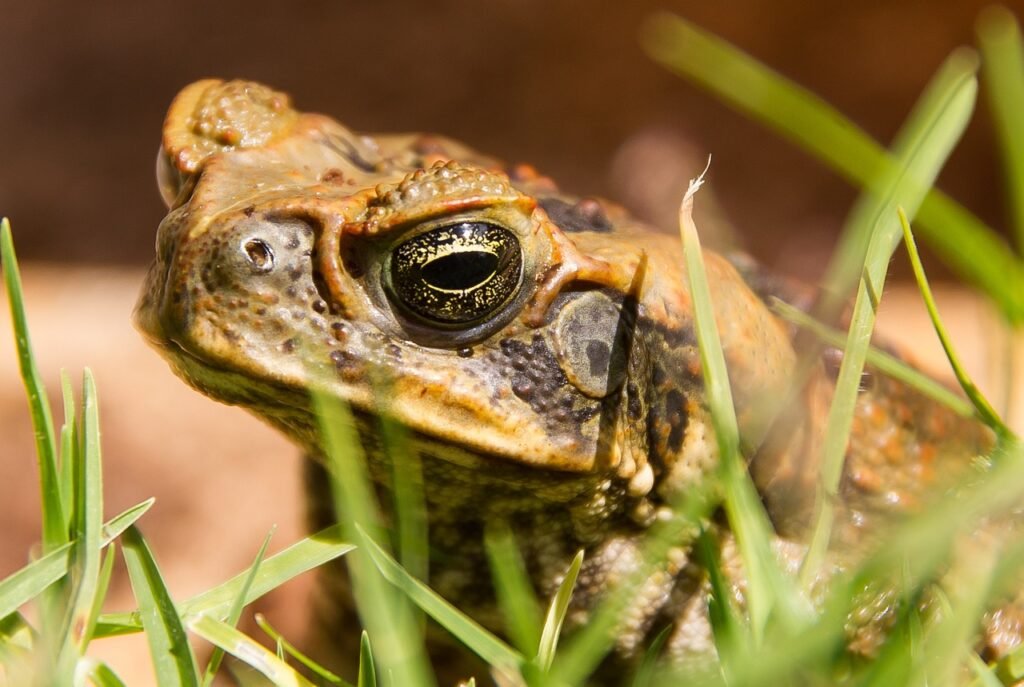
Cane toads have demonstrated remarkable adaptability, thriving in a range of habitats from rainforests to urban areas. This adaptability has facilitated their rapid spread across various terrains, posing a considerable threat to native species. Their ability to survive in diverse conditions, combined with a high reproductive rate, further exacerbates their invasive potential.
Toxicity: A Deadly Weapon

One of the most significant threats posed by cane toads is their potent toxicity. Both adult and juvenile cane toads secrete toxic chemicals from their skin, which can be lethal to predators that ingest them. This toxicity has led to significant declines in populations of native species, including snakes, quolls, and goannas, which have not evolved to cope with these defenses.
Impact on Native Predators
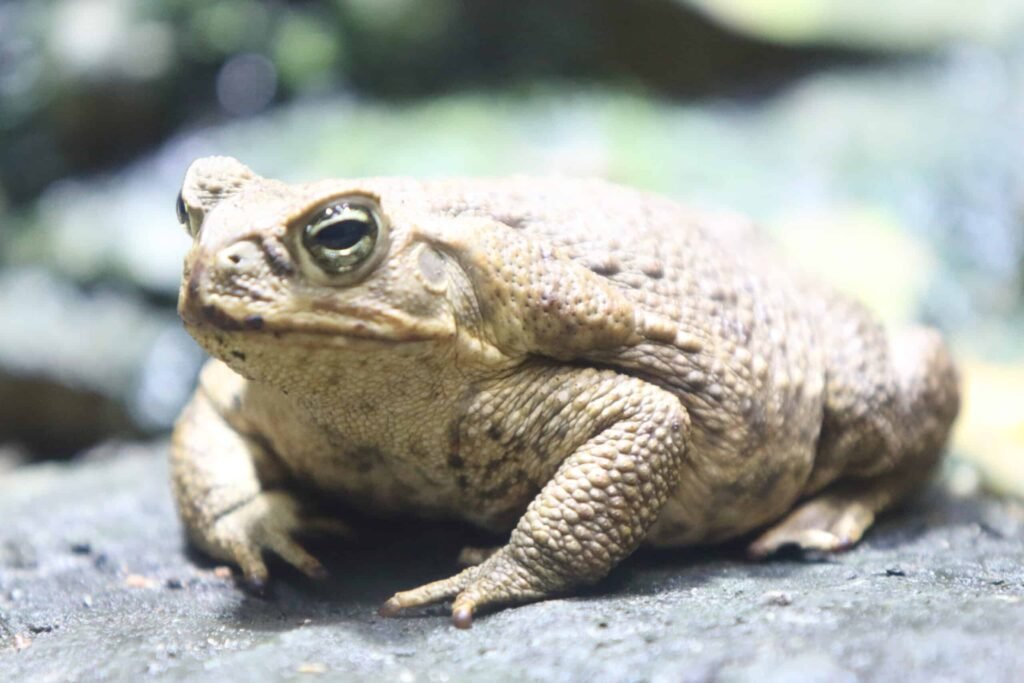
Native predators, such as the northern quoll, initially bore the brunt of the cane toad invasion. Unfamiliar with this invasive species, many native predators fell victim to the toad’s toxins. The rapid decline of these predators caused cascading effects throughout ecosystems, highlighting the interconnected nature of food webs and ecosystem dynamics.
Competition with Native Amphibians
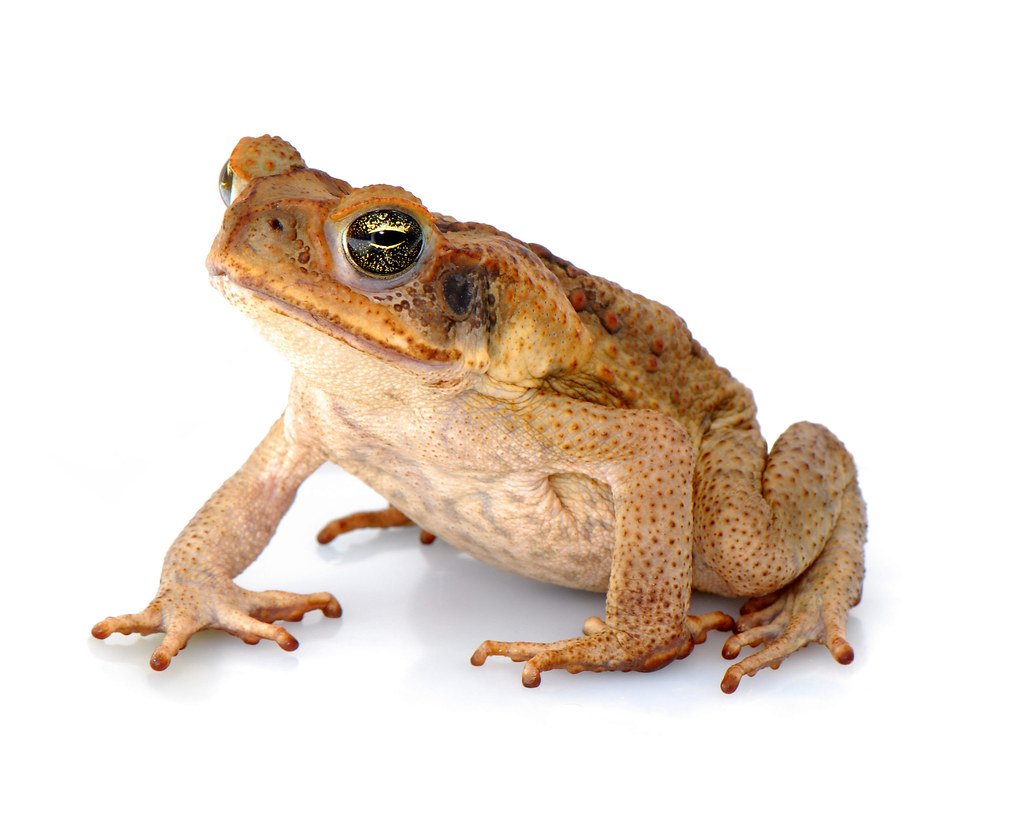
Cane toads also pose a threat through direct competition with native amphibians for resources such as food and breeding sites. Their aggressive nature and abundance often outcompete native frogs and toads, resulting in diminished populations and further disrupting ecological balance.
Impacts on Ecosystem Health
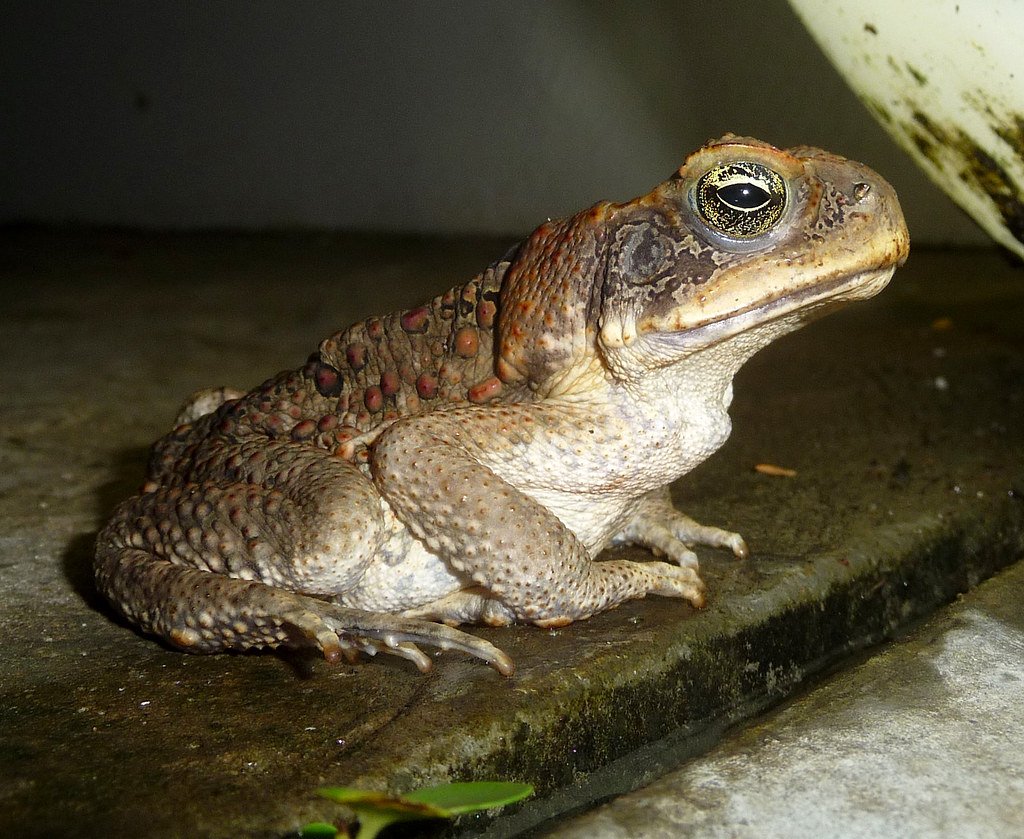
Beyond direct predation and competition, cane toads impact ecosystem health by altering nutrient cycles. The substantial population of cane toads contributes organic matter in the form of biomass, impacting soil composition and nutrient cycling processes. These changes can have long-term implications for plant and animal communities.
Research and Control Efforts
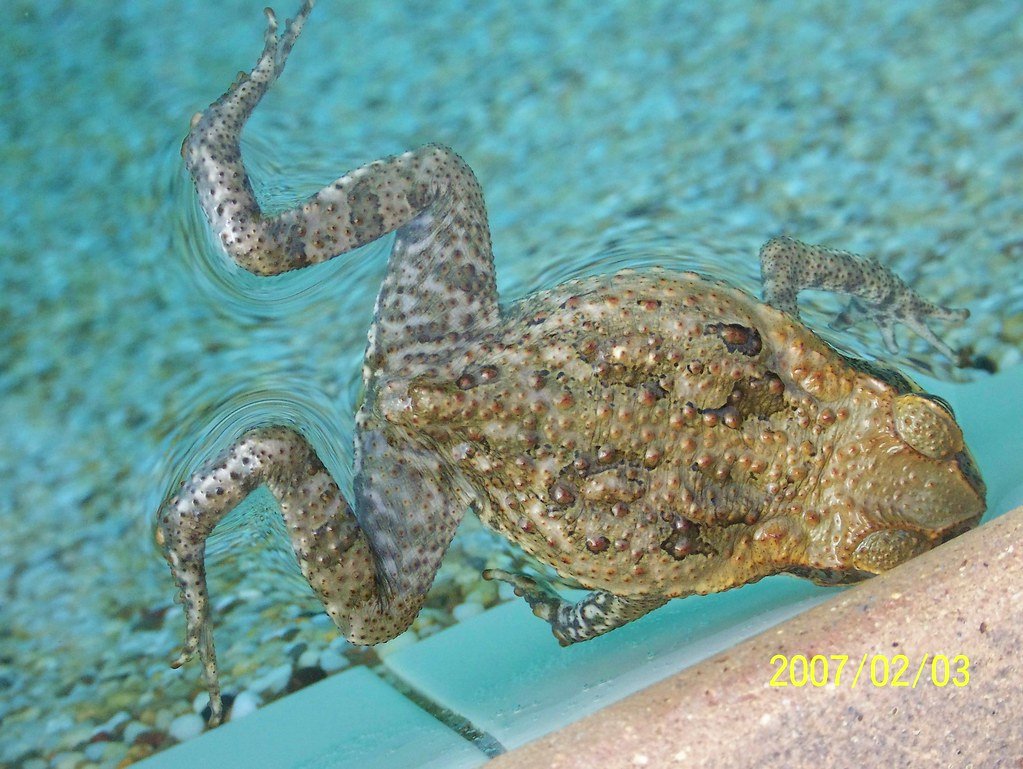
The battle against cane toads has prompted significant research efforts aiming to control and manage their spread. Strategies include biological control methods, habitat management, and public awareness campaigns. Researchers continue to explore innovative approaches, such as gene-editing technologies, to reduce cane toad populations and mitigate their impact on native wildlife.
Community Involvement and Conservation
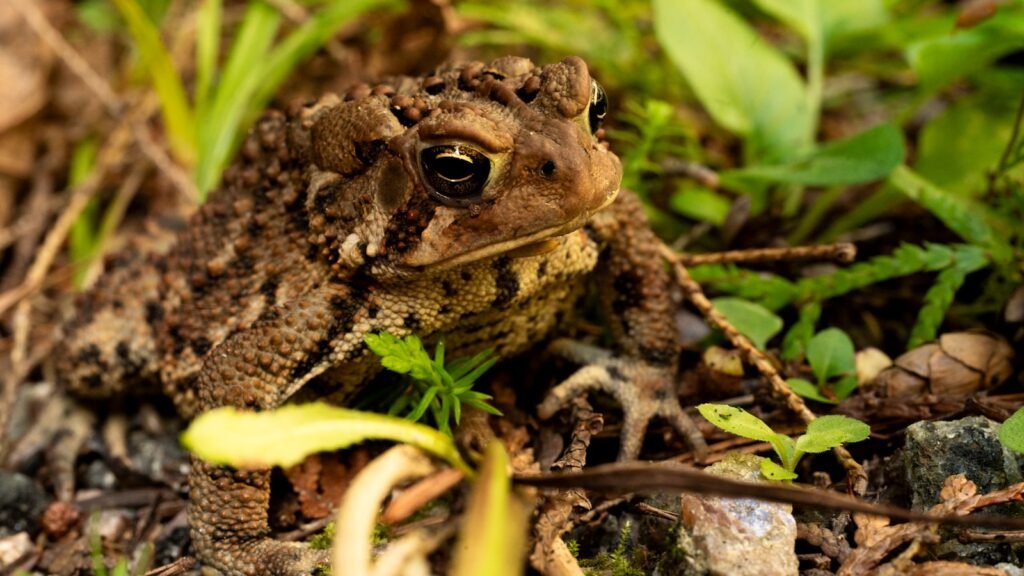
Community involvement plays a crucial role in managing the cane toad crisis. Citizen science initiatives and conservation programs engage local populations in monitoring and control efforts. By participating in toad management activities, communities contribute to conservation efforts and the protection of native wildlife.
Future Prospects and Challenges
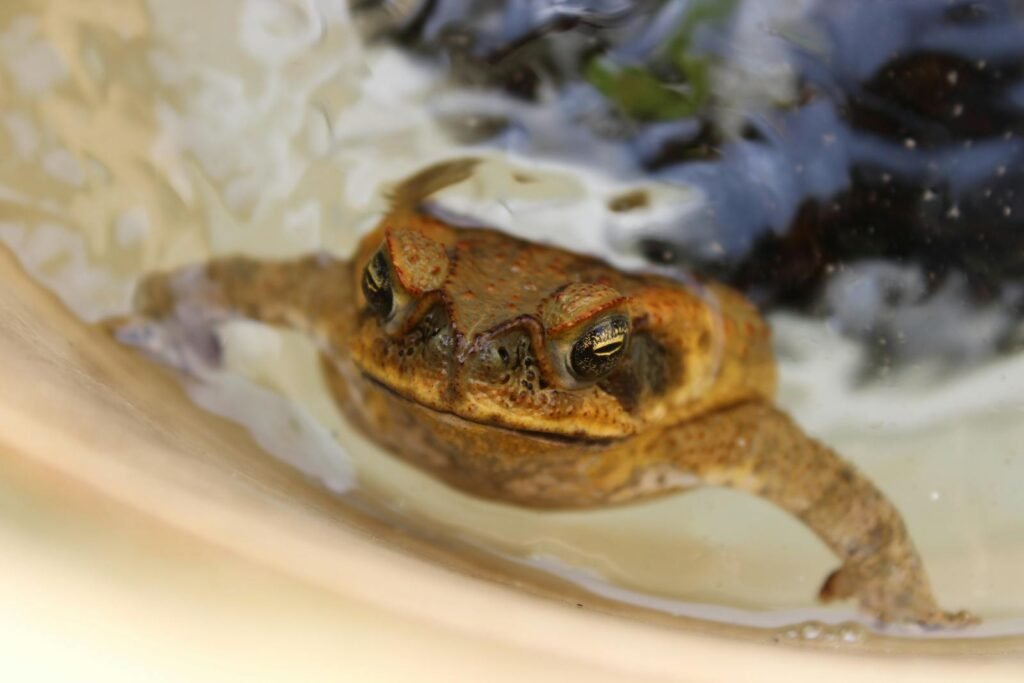
Despite ongoing efforts, the cane toad invasion remains a significant challenge. As climate change alters ecosystems and habitats, the potential for further geographic expansion of cane toads remains a concern. Continued research and adaptive management strategies will be essential in managing this invasive species and protecting Australia’s unique biodiversity.
Conclusion: A Call to Action
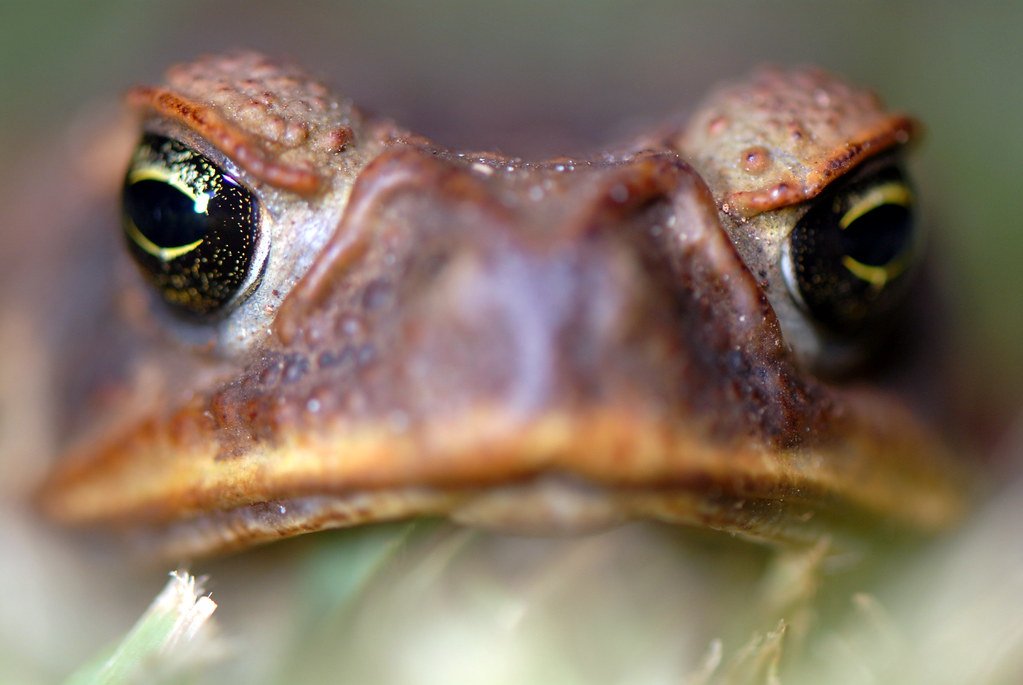
The impact of cane toads on Australia’s native wildlife is a poignant reminder of the delicate balance within our ecosystems. While significant challenges remain, the dedication of scientists, conservationists, and communities offers hope for mitigating this ecological threat. Understanding and addressing invasive species like the cane toad is crucial in preserving Australia’s natural heritage for future generations.