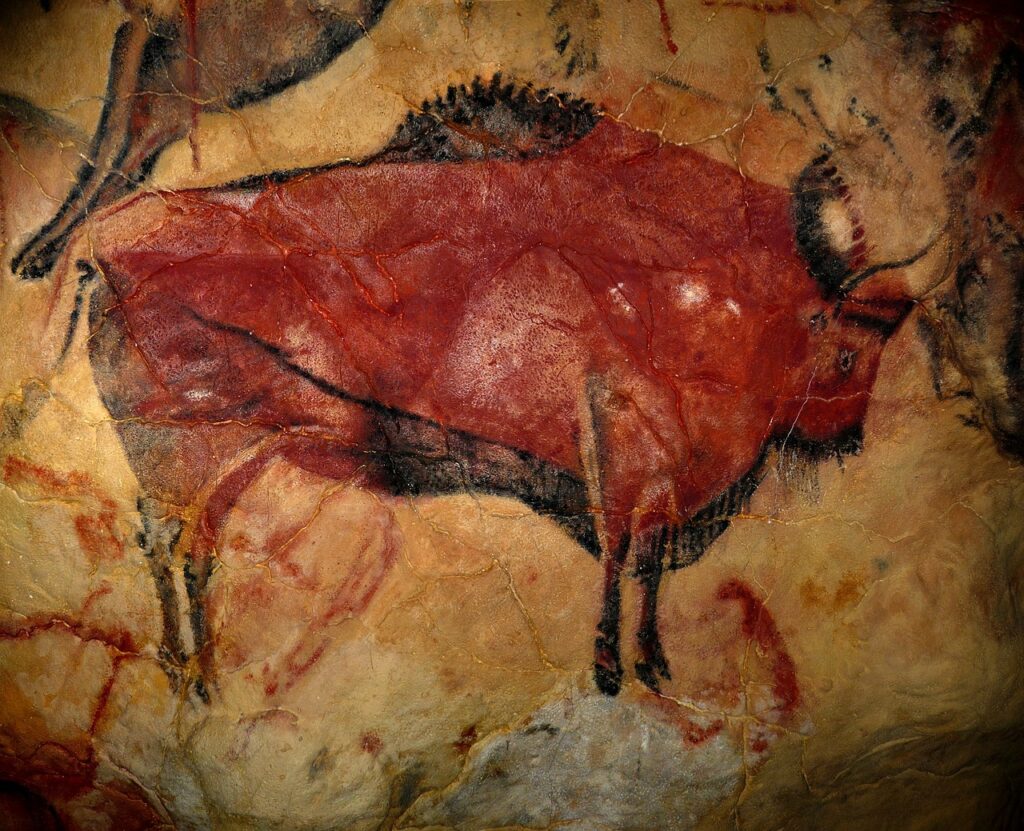
Home to an astonishing array of wildlife and rich cultural history, the Kakadu National Park in Australia’s Northern Territory is an iconic natural treasure. However, the looming threat of bushfires poses significant challenges to its diverse ecosystems and delicate cultural sites. In this engaging article, we’ll explore the threat bushfires present to Kakadu National Park and what measures are in place to mitigate these risks.
Understanding Kakadu National Park

Kakadu National Park spans nearly 20,000 square kilometers, making it one of Australia’s largest national parks. Recognized for its breathtaking landscapes, diverse wildlife, and profound indigenous culture, Kakadu attracts thousands of visitors annually. However, this majesty also makes it vulnerable to various environmental threats, with bushfires at the forefront.
The Ecology of Kakadu and Its Vulnerabilities
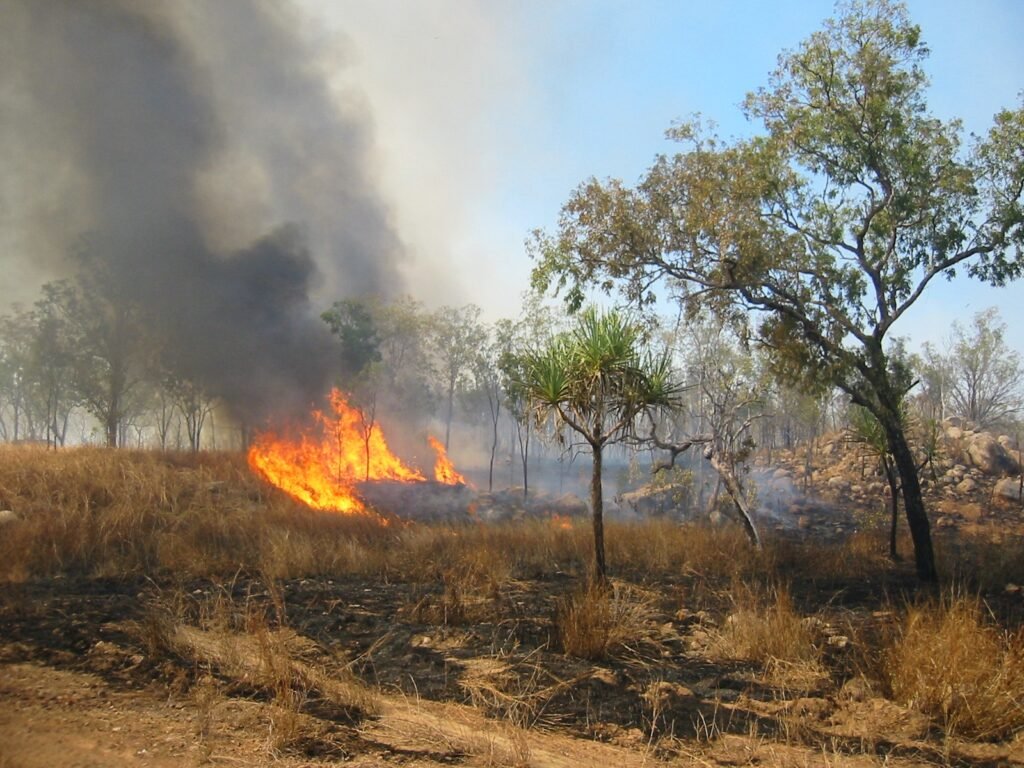
The park’s vibrant ecosystems range from wetlands and floodplains to woodlands and monsoon forests. This diversity supports species that are highly adapted to specific habitats, making them vulnerable to the sweeping changes caused by bushfires. With unique wildlife and plant species, any disruption can lead to long-term ecological consequences.
Historical Role of Fire in the Landscape
Historically, fire has played an integral role in shaping Kakadu’s landscape. Indigenous communities have long used controlled burns to manage the land, a technique known as fire-stick farming. These traditional practices helped sustain the ecological balance by clearing underbrush, promoting new growth, and preventing larger, more destructive fires. However, the frequency and intensity of uncontrolled wildfires today pose a different challenge.
Causes of Bushfires in Kakadu

Bushfires in Kakadu can ignite from various sources, including lightning strikes, unattended campfires, and human activities. Climate change also plays a role, leading to heightened temperatures and prolonged periods of dryness, which create an ideal environment for fires to spark and spread.
Impact of Bushfires on Biodiversity

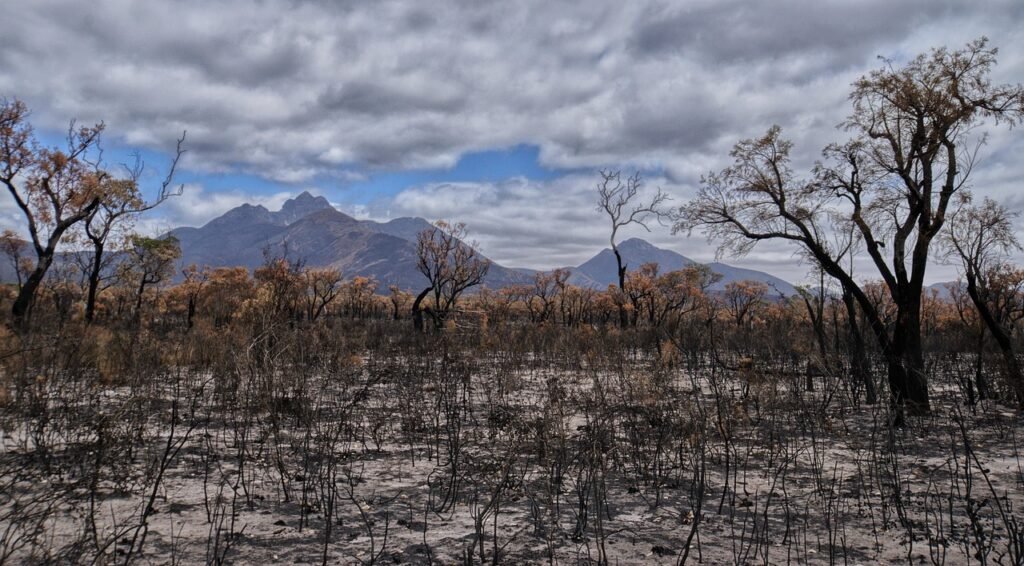
Bushfires can devastate wildlife by destroying habitats and food sources. Many of Kakadu’s species, some of which are highly specialized, could face population declines or even extinction if their habitats are severely affected. Furthermore, the smoke and ash from fires can impact air and water quality, further threatening the biodiversity in the park.
Threats to Cultural Heritage Sites
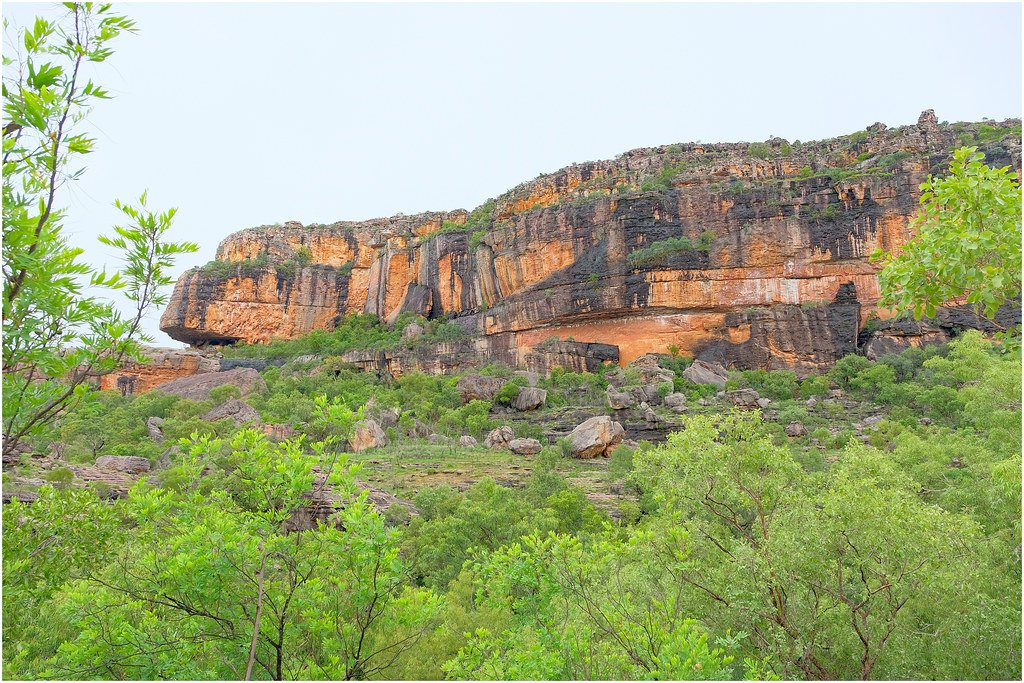
Kakadu is home to numerous indigenous cultural sites, many of which are thousands of years old. These sites include rock art and ceremonial grounds that offer invaluable insights into the world’s oldest living cultures. Bushfires pose a significant threat to these irreplaceable landmarks, potentially leading to the loss of cultural history and heritage.
Community and Governmental Efforts

Efforts to protect Kakadu from bushfires involve collaboration between park authorities, indigenous communities, and the broader public. Fire management plans are developed, taking into account traditional knowledge and modern science to prevent and control bushfires effectively. Regular consultation with indigenous elders helps ensure that land management respects cultural practices and priorities.
Traditional Fire Practices and Their Revitalization
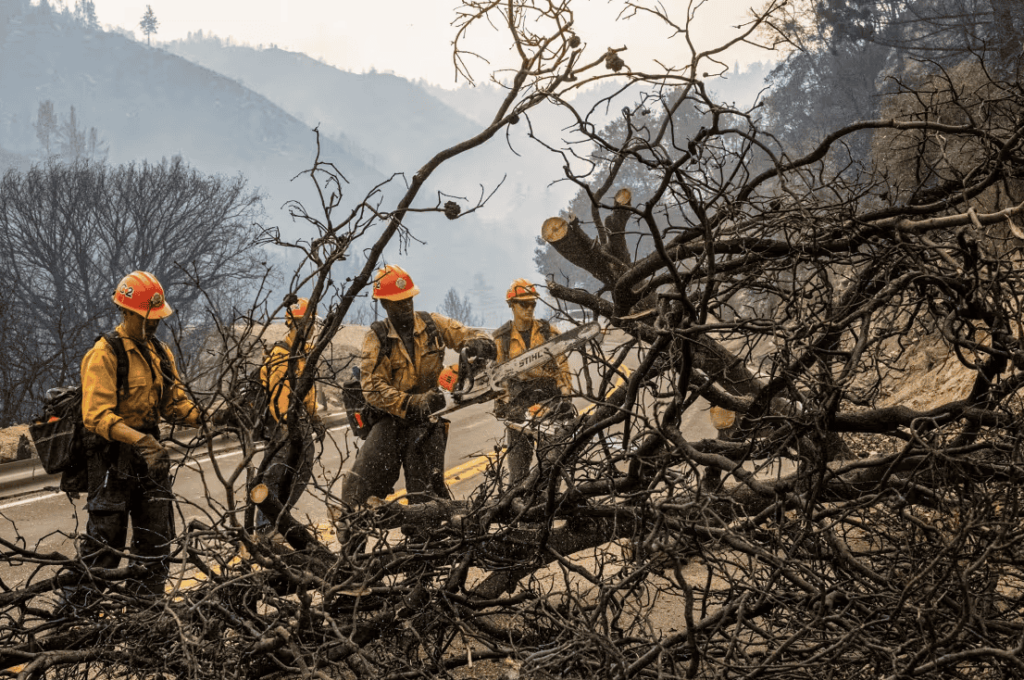
There is a renewed interest in traditional fire management techniques to combat the increasing threat of bushfires. Incorporating indigenous knowledge and practices can help maintain this delicate ecosystem by using controlled burns to minimize fuel loads and reduce the likelihood of large-scale fires.
The Role of Modern Technology in Fire Prevention

Modern technology, such as satellite monitoring and predictive modeling, plays a pivotal role in fire management. These tools help detect early signs of potential bushfire outbreaks, allowing for timely interventions. Remote sensing can also track fires in real-time, enabling better-coordinated responses to decrease their spread and impact.
Challenges in Fire Management

Despite technological advancements and traditional practices, fire management in Kakadu faces several challenges. The vastness of the landscape, combined with limited resources and unpredictable weather conditions, makes monitoring and managing fires complex. Additionally, balancing ecological needs with visitor safety and cultural site preservation is an ongoing challenge.
Visitor Awareness and Education
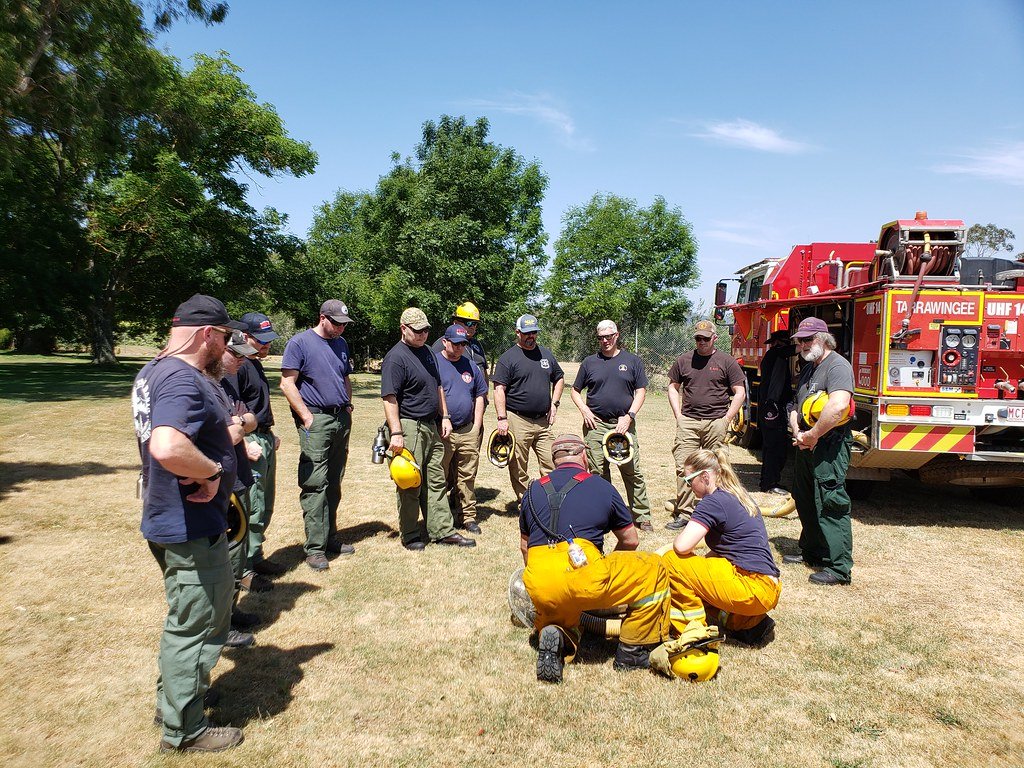
Educating visitors about fire safety and the importance of preserving Kakadu’s natural and cultural resources is critical. Awareness campaigns and clear communication can help reduce the risk of human-caused fires and encourage responsible behavior when visiting the park.
Research and Monitoring

Continuous research and monitoring efforts are crucial to understanding the long-term impacts of bushfires on Kakadu’s ecosystems. By studying how different species and habitats recover from fire, scientists can make informed recommendations for future land and fire management strategies.
Strategies for Enhancing Resilience

Enhancing the resilience of Kakadu’s ecosystems involves restoring habitats, managing invasive species, and reducing carbon footprints. Efforts to rehabilitate fire-damaged areas and support ecological regeneration are essential to preserving this world heritage site for future generations.
Conclusion: A Call to Action

Kakadu National Park is a natural and cultural jewel, whose preservation and protection require concerted efforts from all stakeholders. Understanding the threats posed by bushfires and taking proactive measures is crucial. By integrating traditional knowledge with modern technology, fostering community engagement, and educating visitors, we can help preserve Kakadu’s unique environment and heritage for years to come.