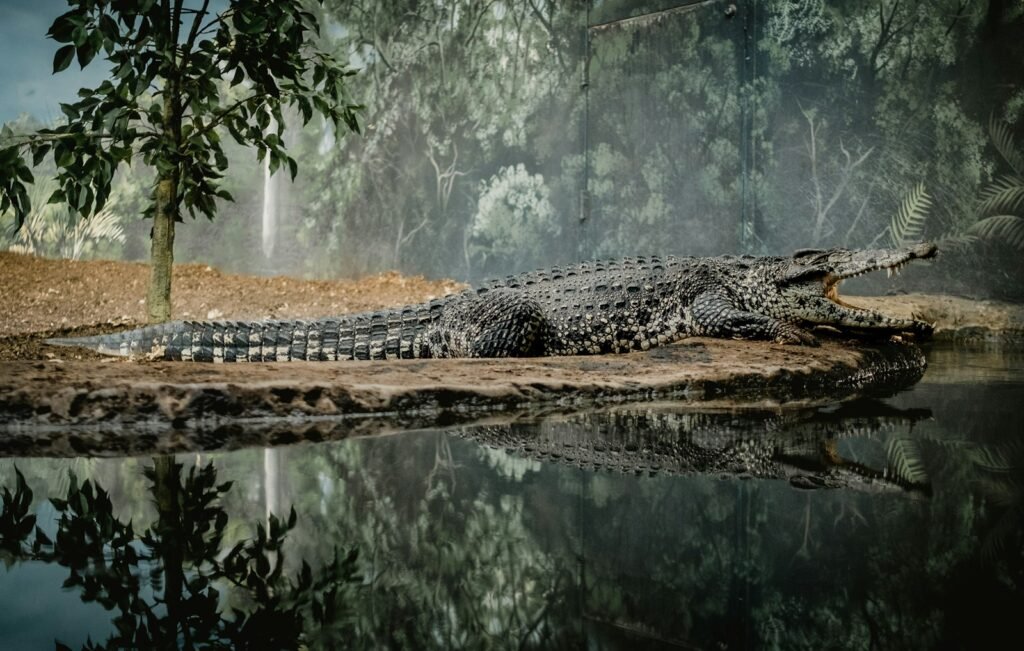

Crocodiles have long been an iconic symbol of Australia, particularly in the Northern Territory, where they are both revered and feared. These ancient reptiles play a crucial role in the ecosystem, and their protection is vital for maintaining ecological balance. This article explores the significant strides made in crocodile conservation in the Northern Territory, shedding light on the strategies and successes that have emerged over recent years.
Understanding the Importance of Crocodiles
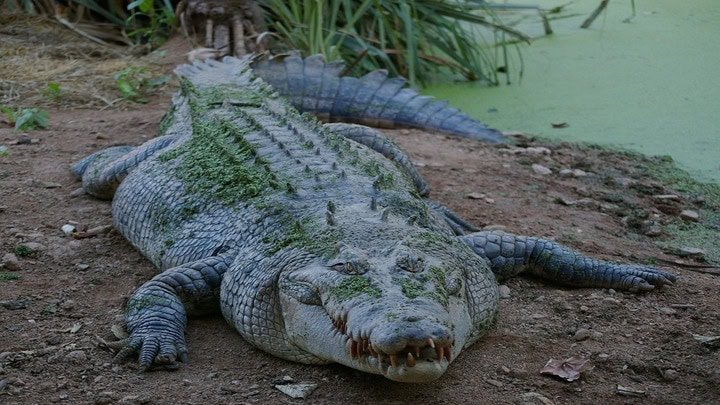
Crocodiles are apex predators that have maintained their evolutionary traits for millions of years. They regulate aquatic ecosystems by controlling the population of prey species and maintaining the health of fish stocks. In doing so, they ensure the balance of ecosystems, highlighting the critical nature of their conservation.
Historical Threats to Crocodiles
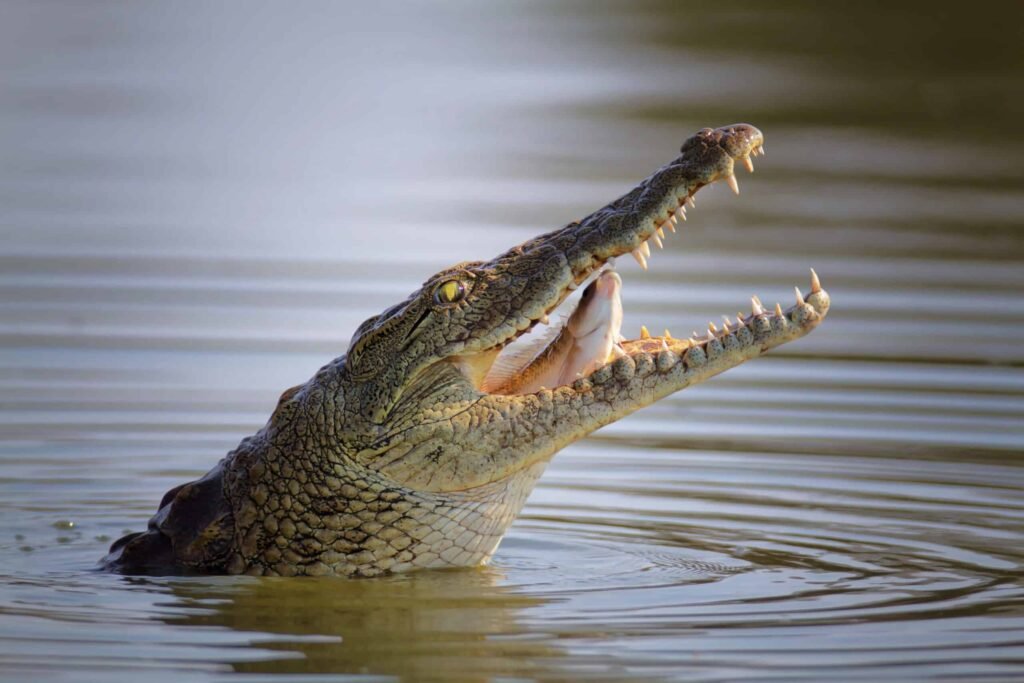
Historically, crocodile populations in the Northern Territory faced significant threats due to hunting and habitat destruction. During the mid-20th century, the demand for crocodile leather led to extensive hunting, pushing their numbers to the brink of extinction in some areas. Habitat loss due to agricultural expansion and urbanization further exacerbated the threat to these reptiles.
Legal Protections and Regulations
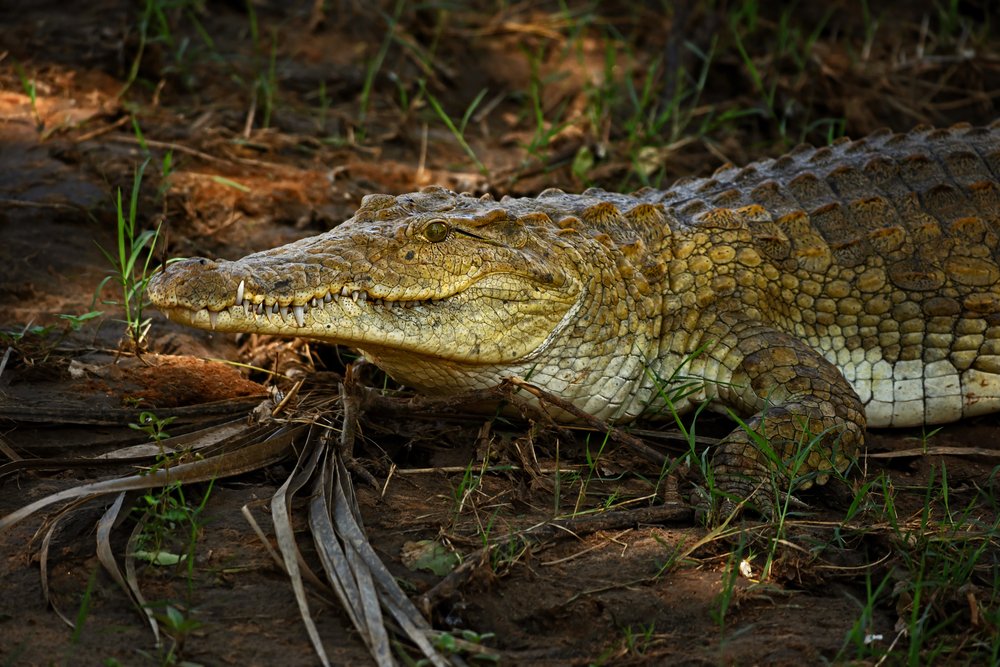
In response to declining populations, the Northern Territory government implemented stringent legal protections for crocodiles in the 1970s. Hunting was banned, and strict regulations were put in place to safeguard their habitats. These measures laid the foundation for crocodile population recovery and have been instrumental in their conservation success.
Habitat Conservation Efforts
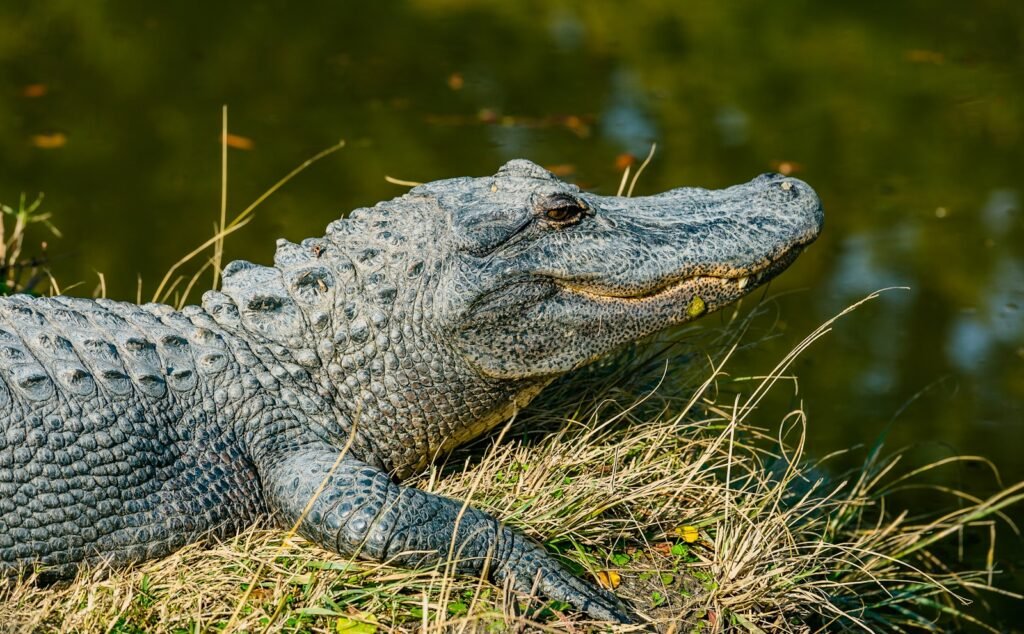
Preserving and restoring natural habitats is a cornerstone of effective crocodile conservation. Efforts have focused on protecting wetlands, river systems, and other natural habitats critical for crocodile survival. These protected areas serve as safe havens, providing the necessary resources for crocodiles to thrive.
Community Involvement in Conservation
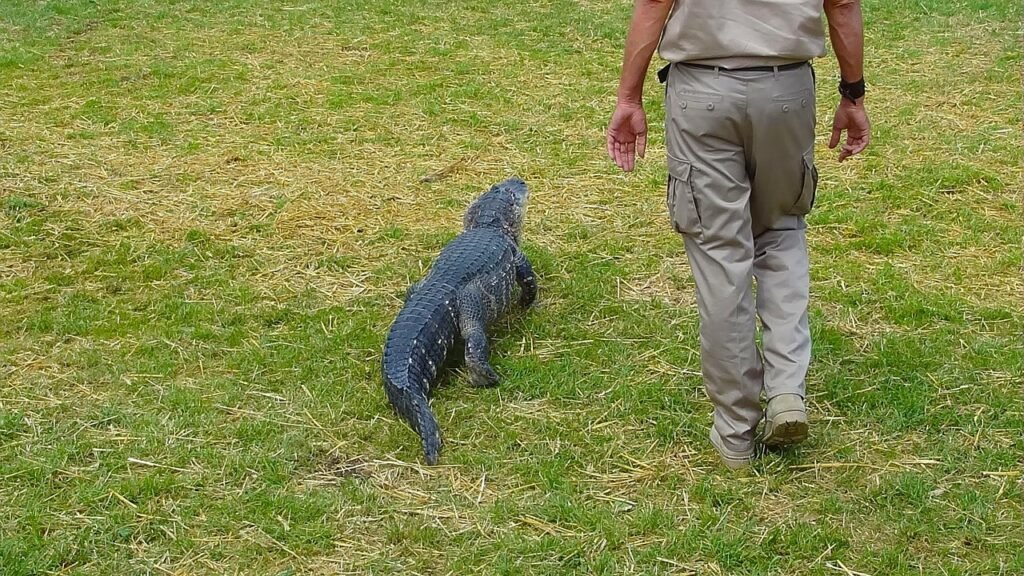
Local communities play a pivotal role in the success of conservation programs. Engaging with indigenous communities who have a deep cultural connection to crocodiles has been particularly beneficial. These communities are involved in monitoring crocodile populations, reporting sightings, and educating others about the importance of conservation.
Crocodile Management Programs
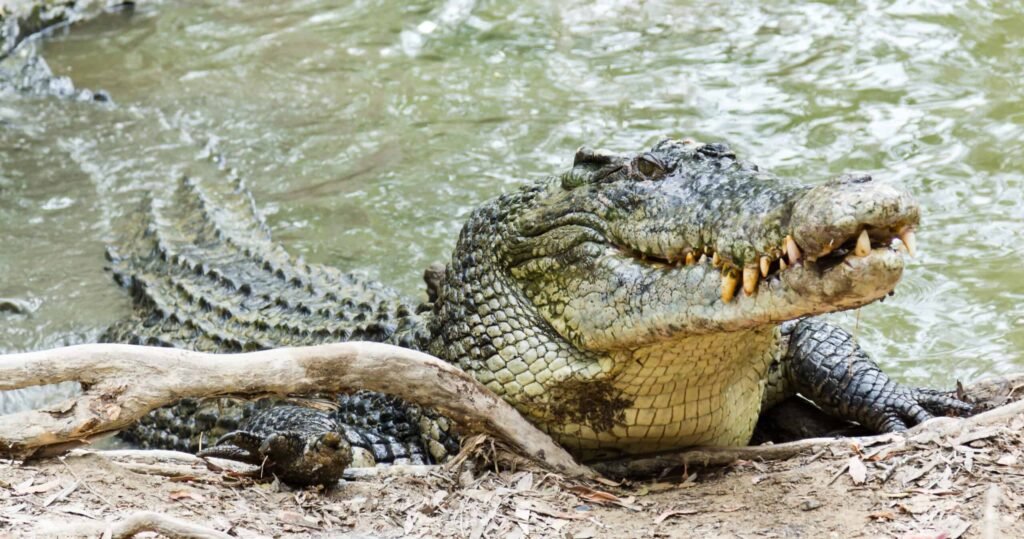
The Northern Territory has implemented several crocodile management programs aimed at minimizing human-crocodile conflict. Initiatives include installing warning signs in crocodile-prone areas, conducting regular surveys to monitor populations, and safely relocating crocodiles that venture close to human settlements.
Research and Monitoring Initiatives

Ongoing research and monitoring are vital components of conservation efforts. Researchers use satellite tracking, data logging, and field observations to study crocodile behavior, habitat use, and population dynamics. This data is crucial for making informed decisions regarding conservation strategies.
Success Stories and Increasing Populations
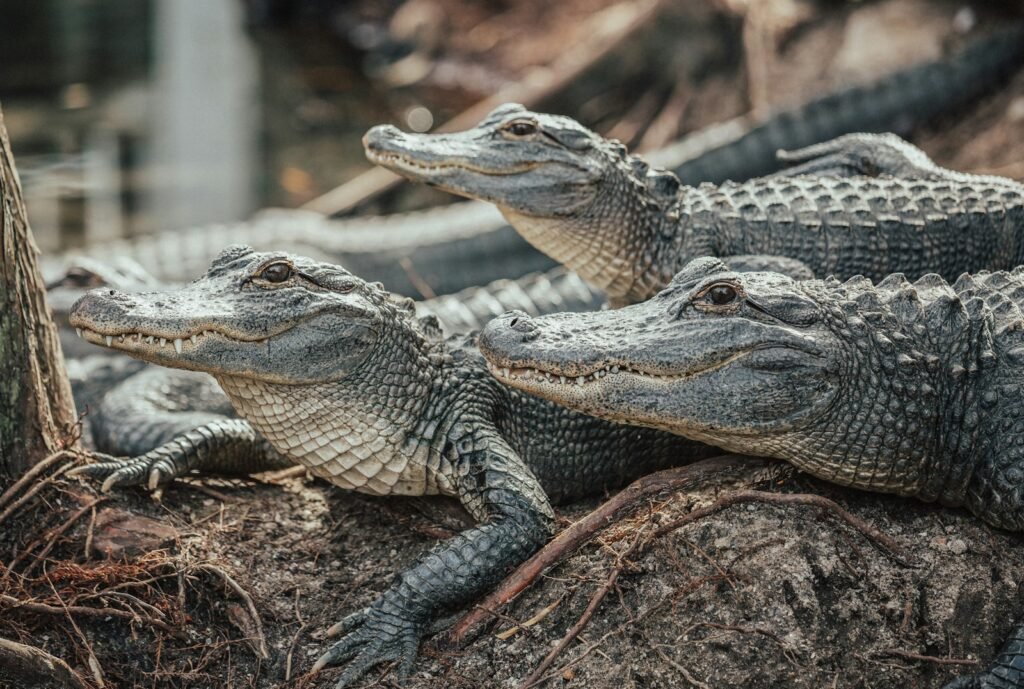
The concerted efforts in conservation have led to significant success stories. Crocodile populations in the Northern Territory have rebounded remarkably, with numbers increasing steadily since the implementation of conservation measures. This recovery is a testament to the effectiveness of the strategies employed.
Challenges and Future Directions
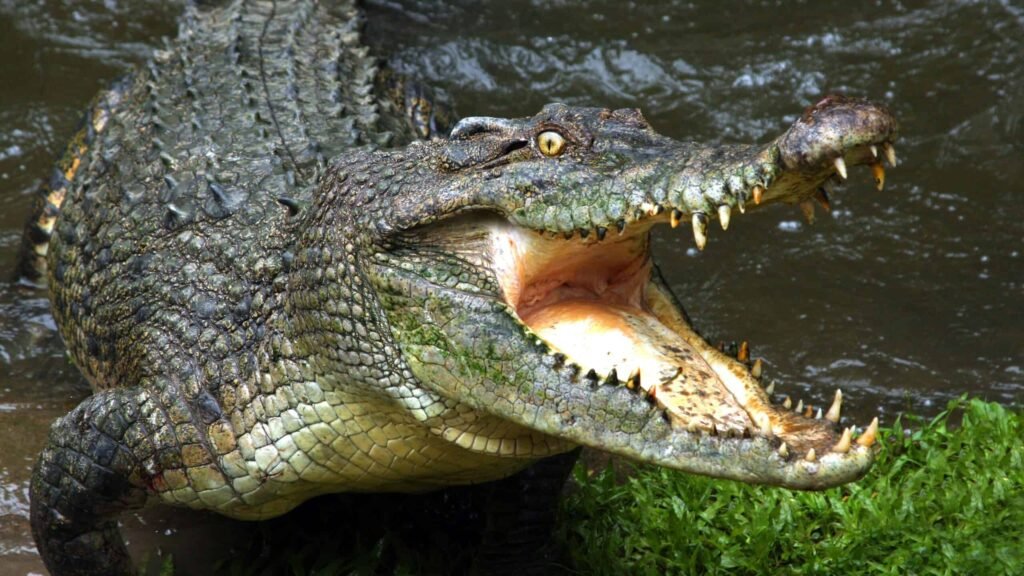
Despite the successes, challenges remain in crocodile conservation. Balancing human development with habitat protection continues to be a pressing issue. Future efforts will require innovative approaches, such as integrating technology and fostering cross-sector collaborations, to ensure crocodile populations remain stable.
Crocodile Conservation as a Model for Success
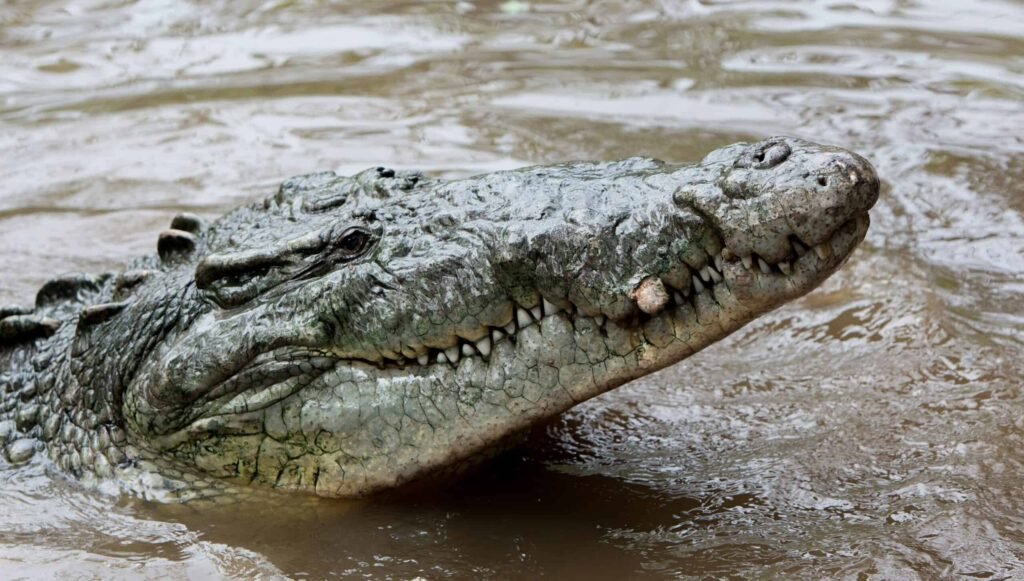
The successful recovery of crocodile populations in the Northern Territory serves as a model for global conservation efforts. It demonstrates the positive outcomes that can be achieved through comprehensive legislation, community engagement, and habitat protection. These strategies can be replicated for other endangered species facing similar threats.
Conclusion
Crocodile conservation in the Northern Territory showcases an inspiring turnaround story, where robust protections and proactive management have allowed these ancient creatures to thrive once more. The future of crocodile conservation hinges on continued collaboration between governments, communities, and conservationists, ensuring these formidable reptiles remain a vital part of Australia’s natural legacy. By protecting crocodiles, we contribute to a healthier, more balanced ecosystem for all species, including humans.