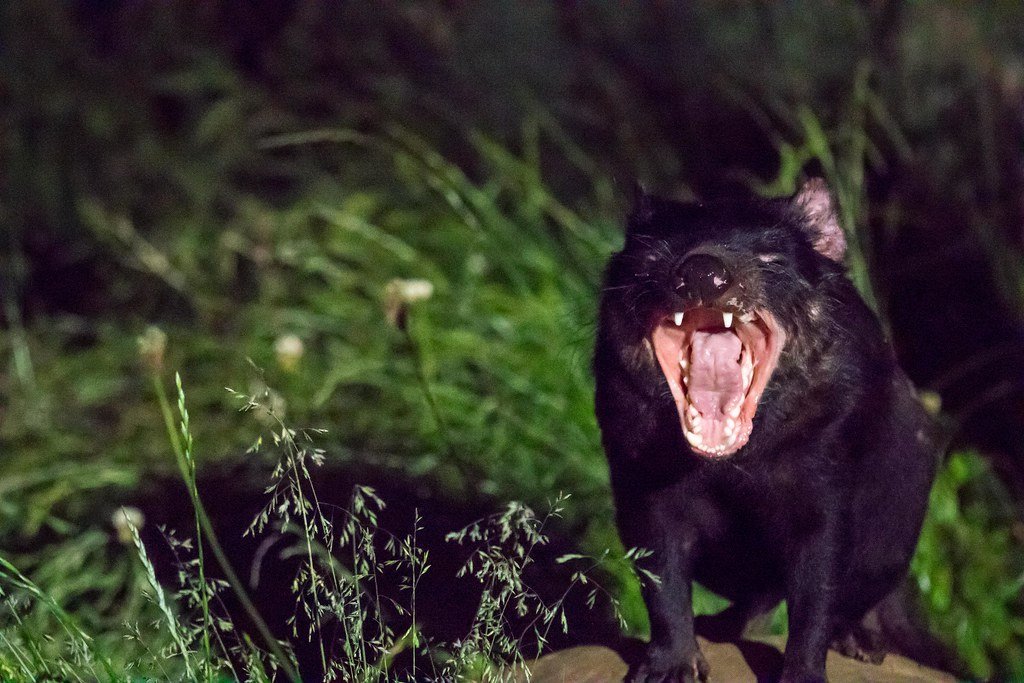
The Tasmanian devil, a creature synonymous with the wild and rugged landscapes of Tasmania, had been absent from mainland Australia for over 3,000 years. Their reintroduction marks a significant milestone in conservation efforts, promising to restore ecological balance and spark hope for other endangered species.
The Historical Context of Tasmanian Devils
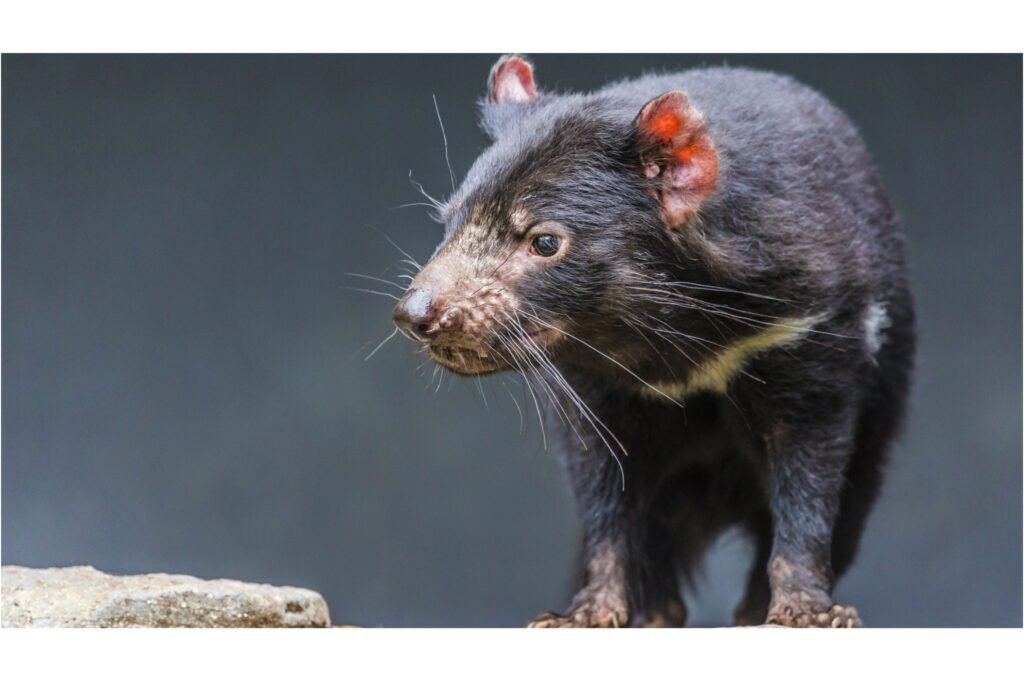
The Tasmanian devil, scientifically known as Sarcophilus harrisii, once roamed the entirety of mainland Australia. However, due to the introduction of dingoes and changes in climate, these unique marsupials gradually became confined to Tasmania, an island state to the south of the mainland. Estimates suggest that the species was completely wiped out from mainland Australia around 3,000 years ago. For millennia, they only existed in Tasmania, where they flourished until the emergence of a new threat in the late 20th century.
The Threat of Devil Facial Tumor Disease
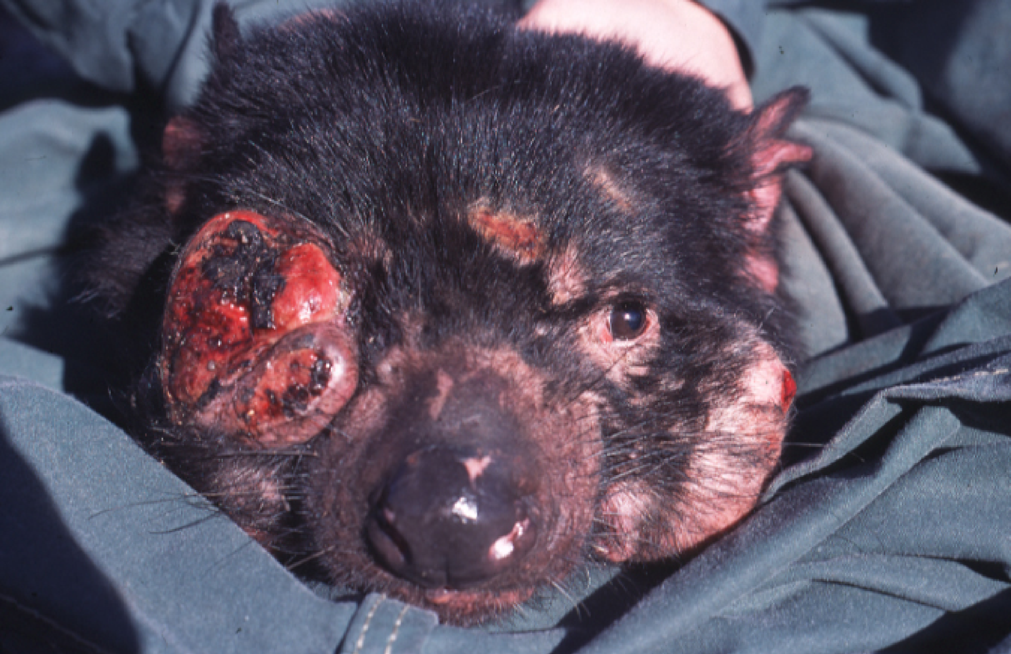
In the 1990s, Tasmanian devils faced an existential threat from a contagious cancer known as Devil Facial Tumor Disease (DFTD). This illness was particularly devastating because it spread through biting, a common behavior among devils during feeding. The disease led to the death of up to 90% of wild populations in some areas, prompting immediate conservation measures.
Conservation Efforts and Breeding Programs
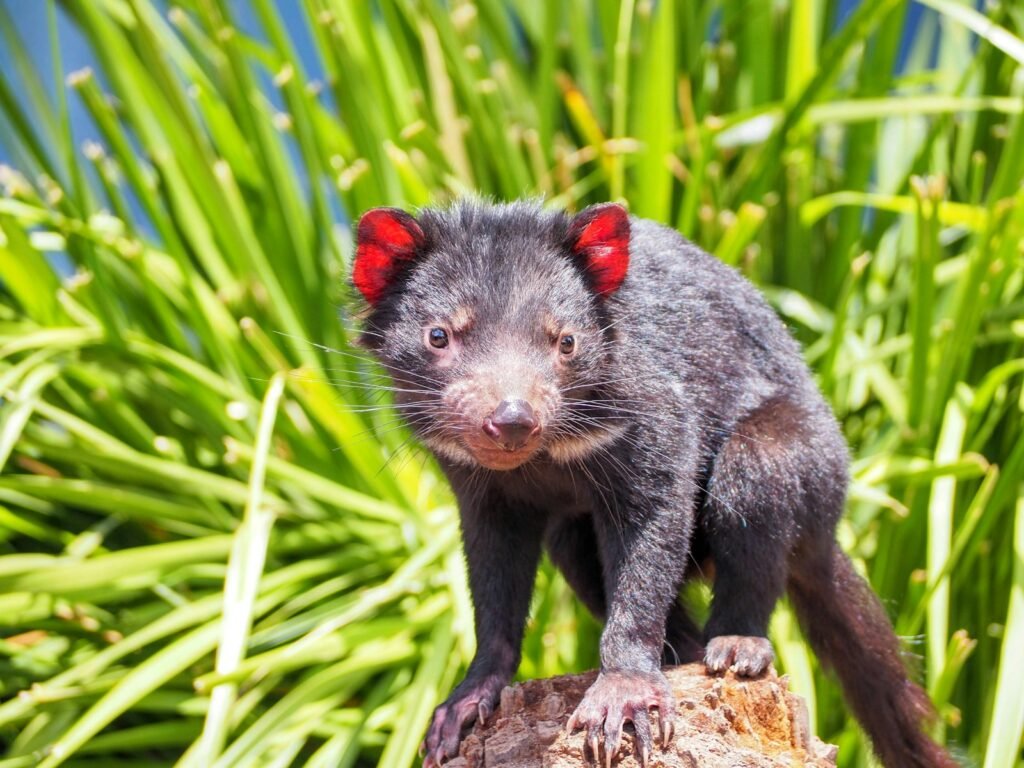
Recognizing the danger posed by DFTD, conservationists began developing breeding programs in safe environments. These programs aimed to create insurance populations that would ensure the species’ survival despite the disease. Zoos and wildlife parks played a vital role in breeding disease-free devils, which became central to reintroduction plans on the mainland.
Reintroduction to Mainland Australia
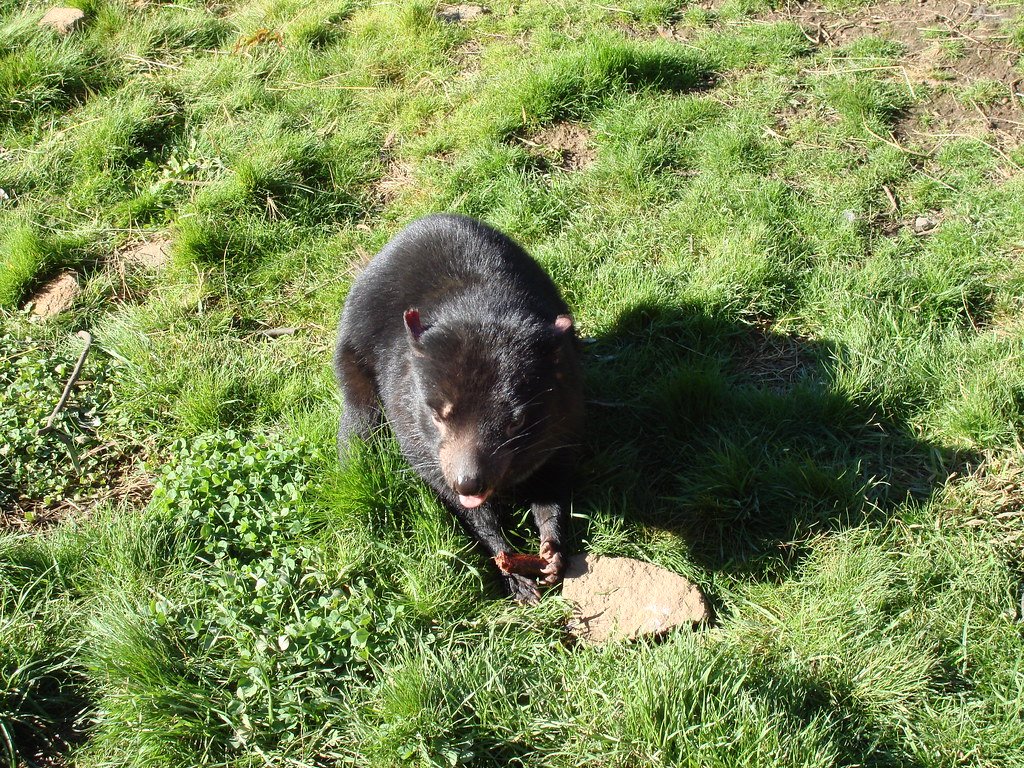
The reintroduction of Tasmanian devils to mainland Australia is a bold attempt to restore natural ecosystems. In 2020, a groundbreaking initiative saw conservationists release a group of healthy devils into a large, fenced area in Barrington Tops, New South Wales. This area was chosen because of its similarities to the devils’ natural habitat. The objective was not only to establish a secure population free from DFTD but also to study how they interact with the ecosystem.
The Role of Tasmanian Devils in Ecosystem Balance
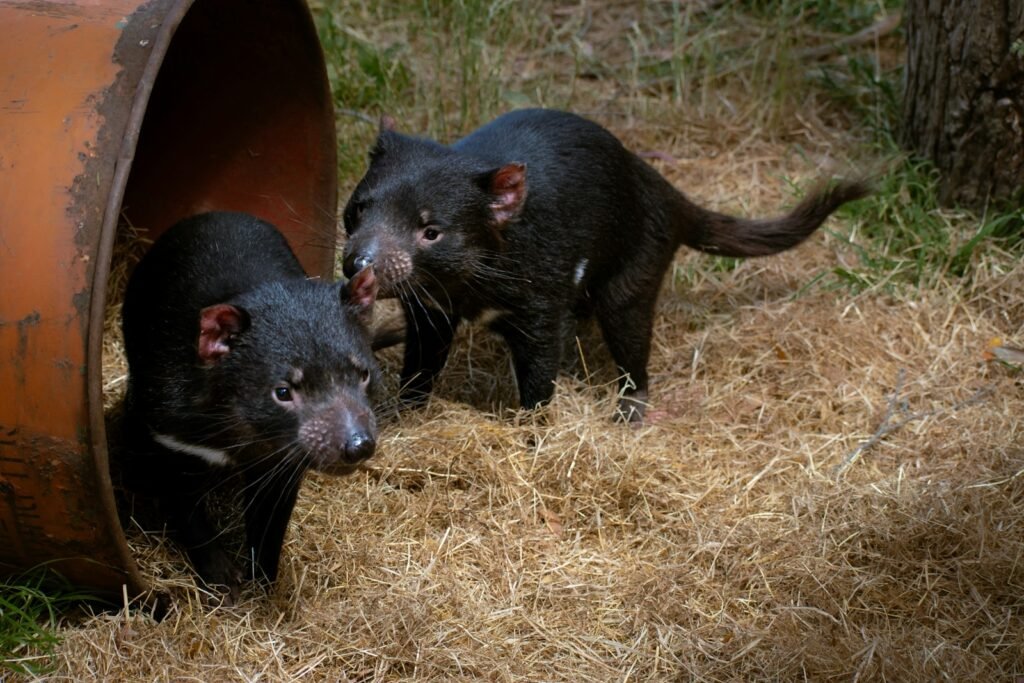
Tasmanian devils are crucial in maintaining ecological balance. As scavengers, they help clean the environment by consuming carcasses, which reduces the spread of disease. Additionally, their presence can control feral cat and fox populations by competing with these invasive species for food, potentially benefiting other native wildlife.
Monitoring and Assessing Ecosystem Impacts
The reintroduction project is heavily monitored by scientists and conservationists. They track the devils’ movements, health, and behavior using GPS collars and camera traps. This data helps determine the success of the reintroduction and provides insights into the broader impacts on the ecosystem, especially regarding interactions with other species.
Challenges and Future Prospects
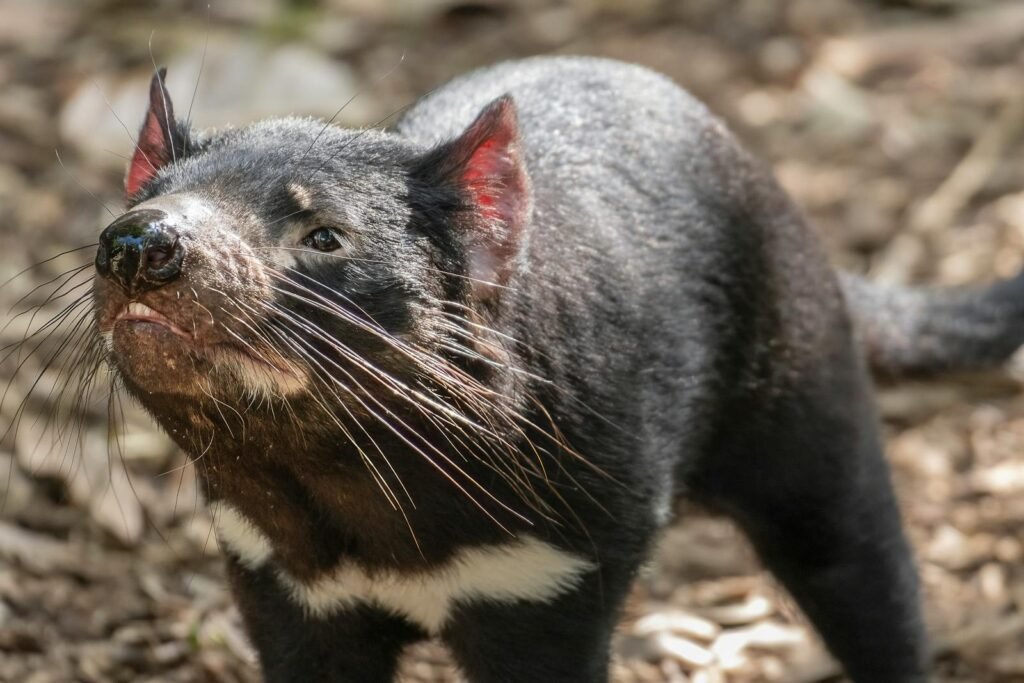
While the early stages of the reintroduction have shown promise, several challenges remain. Ensuring that the devils can survive and thrive without spreading DFTD is crucial. Moreover, addressing potential human-wildlife conflicts, such as livestock predation, is necessary for sustaining this initiative. Continued research and community support will be vital in addressing these challenges and making the reintroduction a long-term success.
Engaging with Local Communities
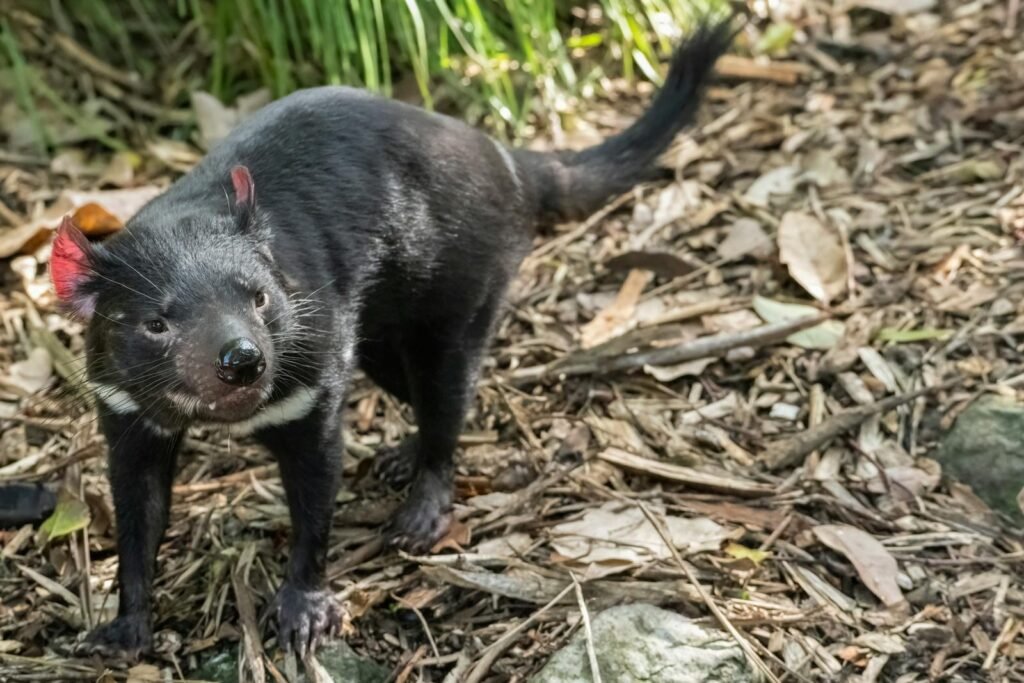
Engaging local communities is integral to the success of conservation projects. Educating people about the ecological benefits of Tasmanian devils and encouraging their involvement in monitoring efforts can foster a sense of stewardship. This engagement helps to ensure that the reintroduced populations are protected and valued by those who share their environment.
A Symbol of Hope for Conservation
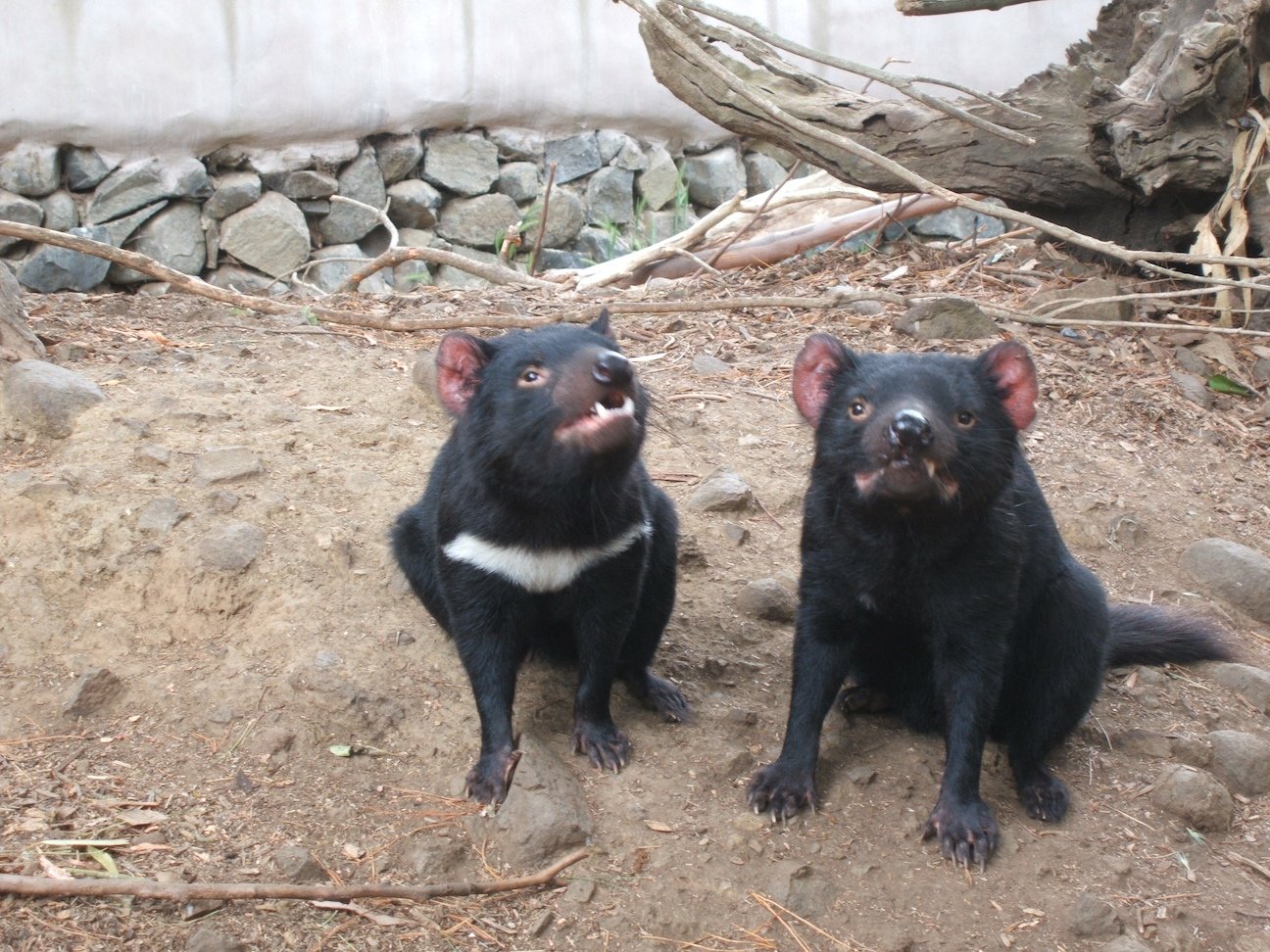
The revival of the Tasmanian devil on mainland Australia has sparked hope for the broader conservation community. It demonstrates the potential to restore ecosystems and protect endangered species through coordinated efforts and innovative conservation techniques. This endeavor could serve as a model for other projects aiming to counteract the impacts of habitat loss, climate change, and invasive species globally.
Conclusion: A Path Forward for Tasmanian Devils
The return of the Tasmanian devil to mainland Australia is more than a conservation success story; it is a testament to the resilience of both the species and those committed to its survival. This initiative underscores the importance of preserving biodiversity and the interconnectedness of ecosystems. As efforts continue, the Tasmanian devil stands as a symbol of hope for the future of wildlife conservation.