Melbourne, often lauded for its vibrant culture and dynamic urban landscape, is also emerging as a pioneer in sustainability and climate resilience. The city’s innovative approach to urban green spaces is a key strategy in its battle against climate change. By integrating vast, green expanses with urban planning, Melbourne is setting an example for cities worldwide. This article explores how these green spaces are helping to combat climate change and enhance the quality of life for residents.
The Importance of Urban Green Spaces
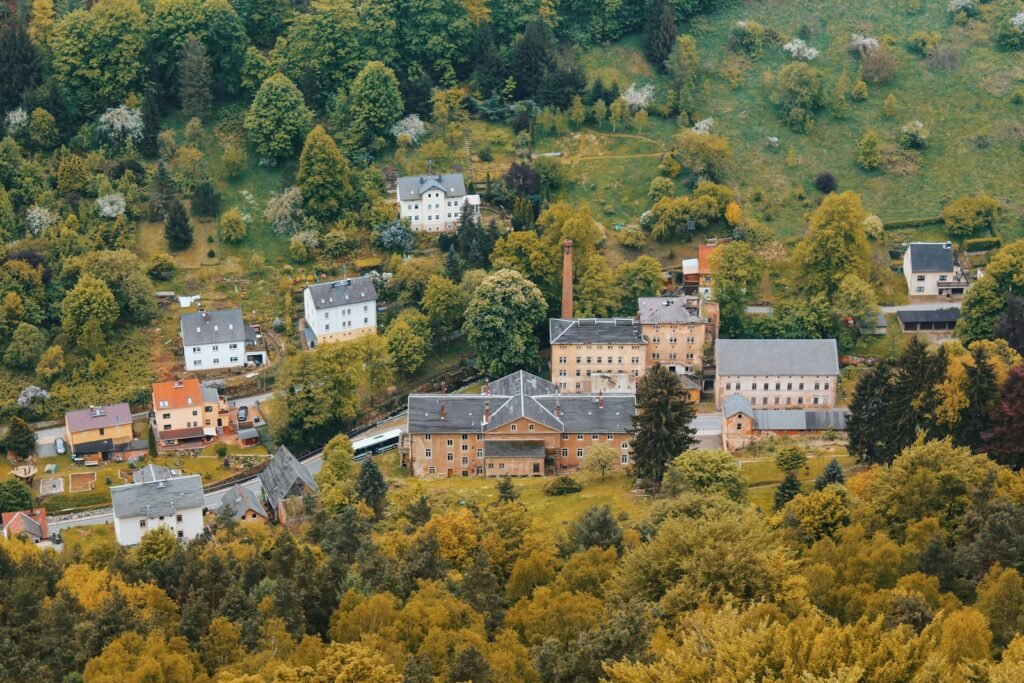
Urban green spaces are crucial in moderating urban temperatures, enhancing air quality, and providing habitat for biodiversity. In a city like Melbourne, where temperatures can soar in the summer months, green spaces offer much-needed shade and cooling. These areas also serve as the lungs of the city, filtering pollutants from the air and sequestering carbon dioxide.
Melbourne’s Green Infrastructure Strategy

Melbourne has developed a comprehensive Urban Forest Strategy, which aims to increase canopy cover to 40% by 2040. This ambitious plan focuses on planting trees and creating green roofs and walls, transforming the urban environment. By increasing greenery, Melbourne not only enhances the aesthetic appeal of the city but also reduces the urban heat island effect.
Climate Change Mitigation Through Trees

Trees are one of the most effective tools for climate change mitigation. They absorb carbon dioxide, releasing oxygen back into the atmosphere. Melbourne’s strategy emphasizes planting native species that are more adaptable to local conditions, ensuring long-term sustainability and resilience.
Enhancing Biodiversity

Urban greenery in Melbourne supports a rich tapestry of biodiversity. Parks and gardens within the city provide habitats for various species of birds, insects, and small mammals. This biodiversity not only contributes to the ecological balance but also enhances the resilience of the urban ecosystem against climate variations.
Community Engagement and Participation
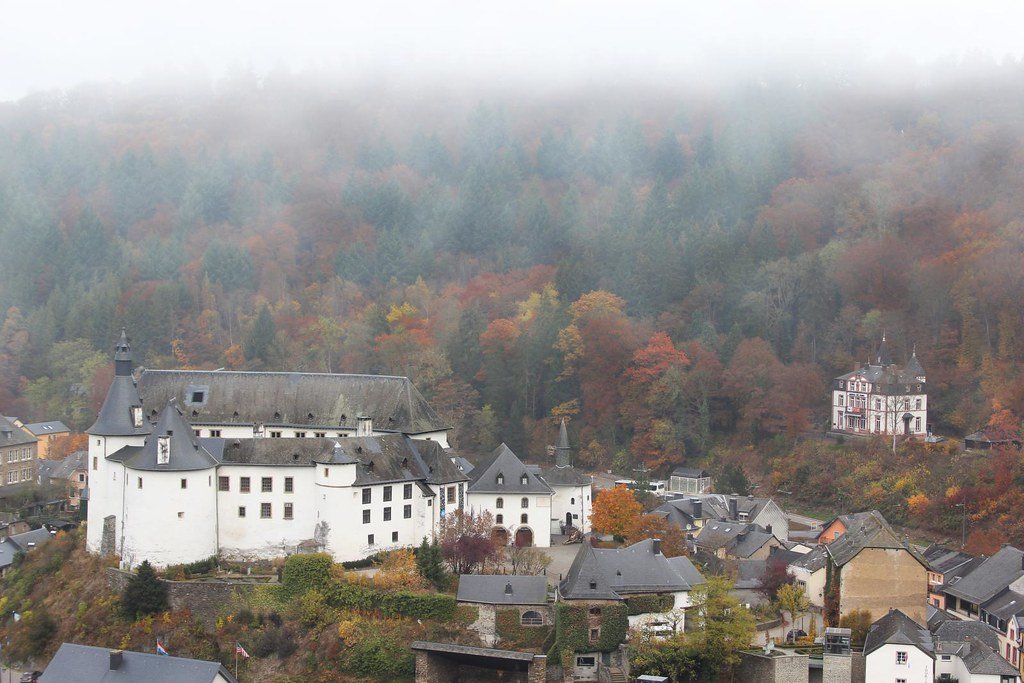
Melbourne actively involves its residents in the process of creating and maintaining green spaces. Community gardens and participatory planting events foster a sense of ownership and stewardship among residents. This involvement is crucial for the long-term success of urban greening initiatives.
Benefits Beyond Climate Mitigation
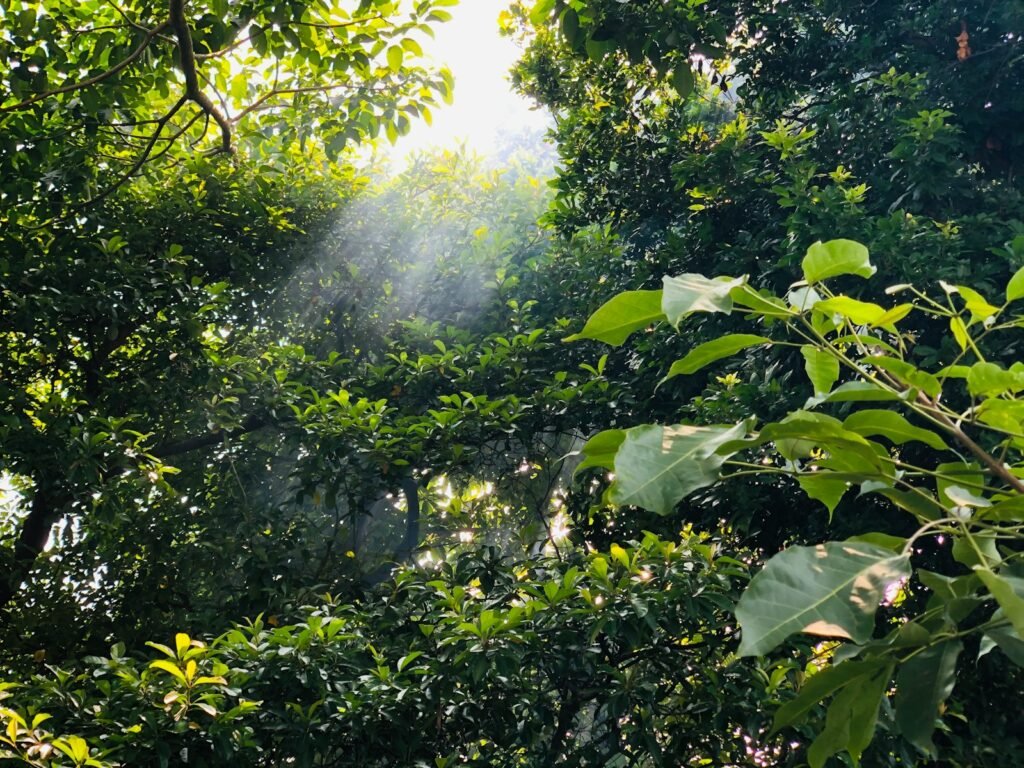
The advantages of urban green spaces extend beyond climate mitigation. Access to natural spaces improves mental health and wellbeing, offering a respite from the concrete jungle. These areas also promote physical activity, fostering healthier lifestyles among urban dwellers.
Green Space and Social Cohesion
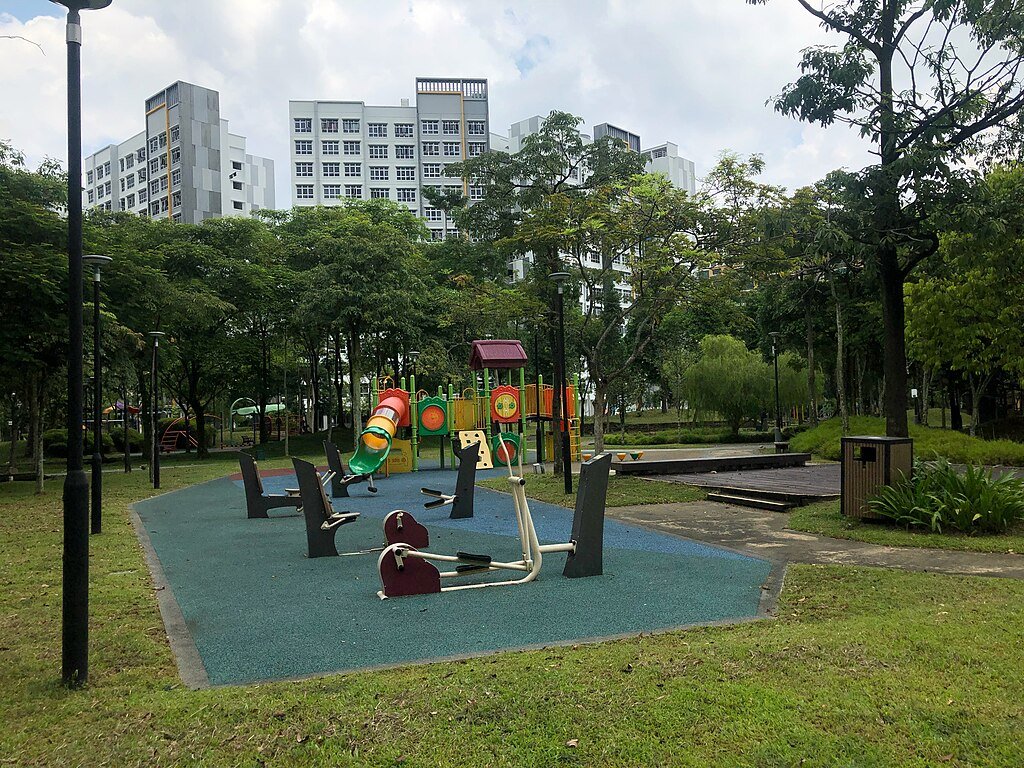
Urban parks and gardens serve as social hubs where people from diverse backgrounds can interact, enhancing social cohesion. In a city as multicultural as Melbourne, these spaces play a vital role in bringing communities together and fostering inclusivity.
Challenges and Solutions
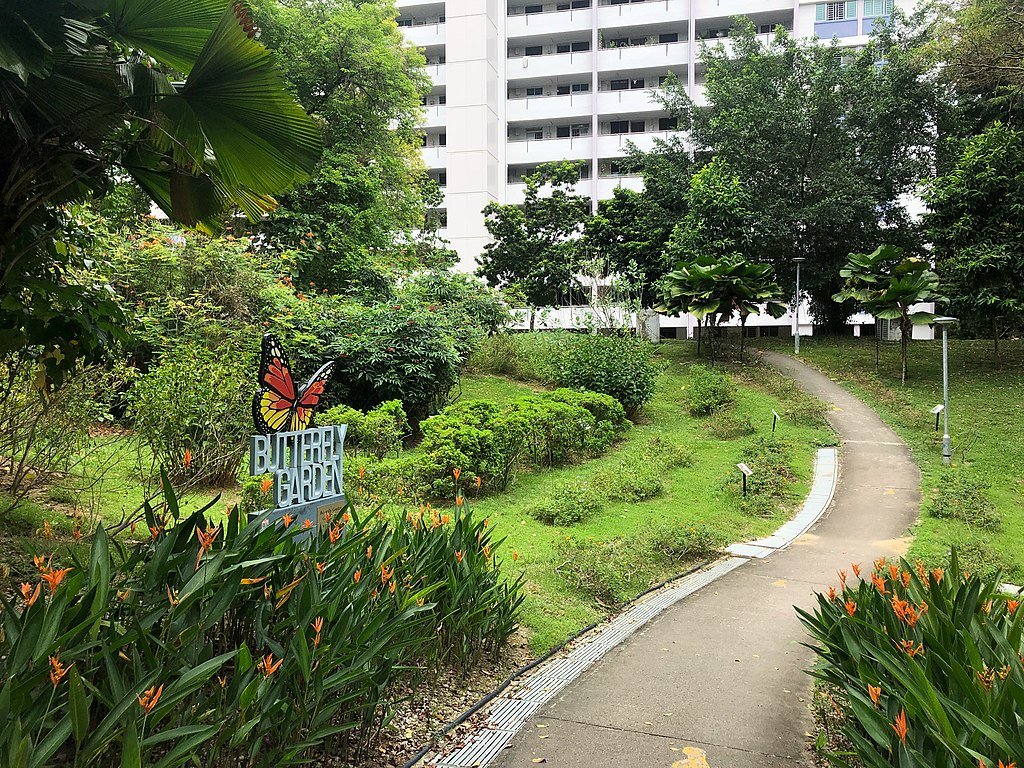
Despite the benefits, expanding urban green spaces is not without challenges. Limited space in densely populated areas and competition for land use can hinder green initiatives. Melbourne addresses these issues through creative solutions like vertical gardens and converting underutilized areas into green zones.
Educational Opportunities

Green spaces in Melbourne also provide educational opportunities. Schools and universities often use these areas for outdoor learning, teaching students about ecology, sustainability, and the importance of preserving the natural environment.
Innovative Urban Planning
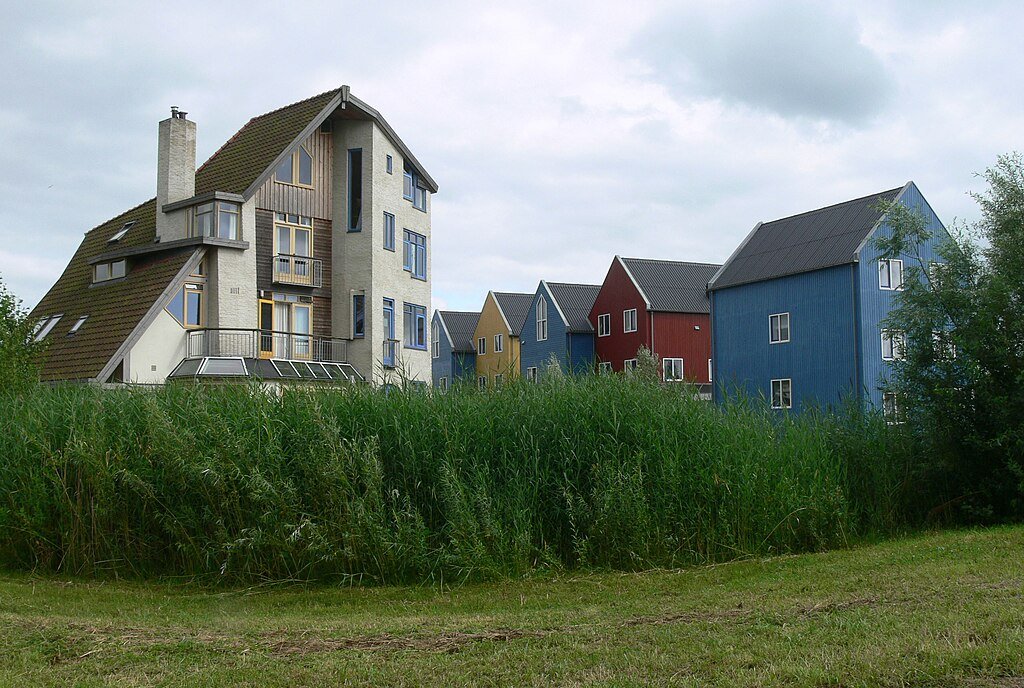
Melbourne’s urban planning integrates green spaces with transportation and housing projects. This holistic approach ensures that greenery enhances the living environment without compromising urban development and growth.
Monitoring and Adaptation Strategies

To ensure the effectiveness of its green initiatives, Melbourne employs advanced monitoring tools. Data collected on plant health, biodiversity, and climate impacts guides ongoing adaptation strategies, ensuring that green spaces continue to thrive amid changing climatic conditions.
Funding and Policy Support

Government policies and funding play a crucial role in Melbourne’s green space initiatives. Partnerships between local authorities, non-profits, and the private sector provide the necessary resources for sustaining these efforts.
Global Recognition and Influence

Melbourne’s commitment to urban greening sets a benchmark for cities worldwide. The city’s efforts have gained international recognition, inspiring other urban centers to adopt similar approaches in their fight against climate change.
Melbourne’s Green Space Future

Looking ahead, Melbourne aims to continue expanding and enhancing its green spaces, ensuring that they remain vibrant and resilient. Future plans include integrating more smart technology to manage these environments efficiently and sustainably.
Conclusion

Melbourne’s dynamic approach to urban green spaces underscores the vital role that metropolitan areas can play in combating climate change. Through innovative strategies and community engagement, the city is leading the way in creating a sustainable urban future. As cities around the world grapple with environmental challenges, Melbourne stands as a testament to the power of green spaces in building climate resilience and improving the quality of urban life.