Oregon’s lush old-growth forests are a quintessential part of the Pacific Northwest landscape, rich in biodiversity and steeped in ecological significance. These towering giants not only represent a stunning natural heritage but also support a complex web of life. However, the debate over whether logging should be restricted to protect these biodiverse environments remains contentious. This article delves into the complexities surrounding Oregon’s old-growth forests, examining both the ecological imperatives and economic considerations at play.
The Significance of Old-Growth Forests
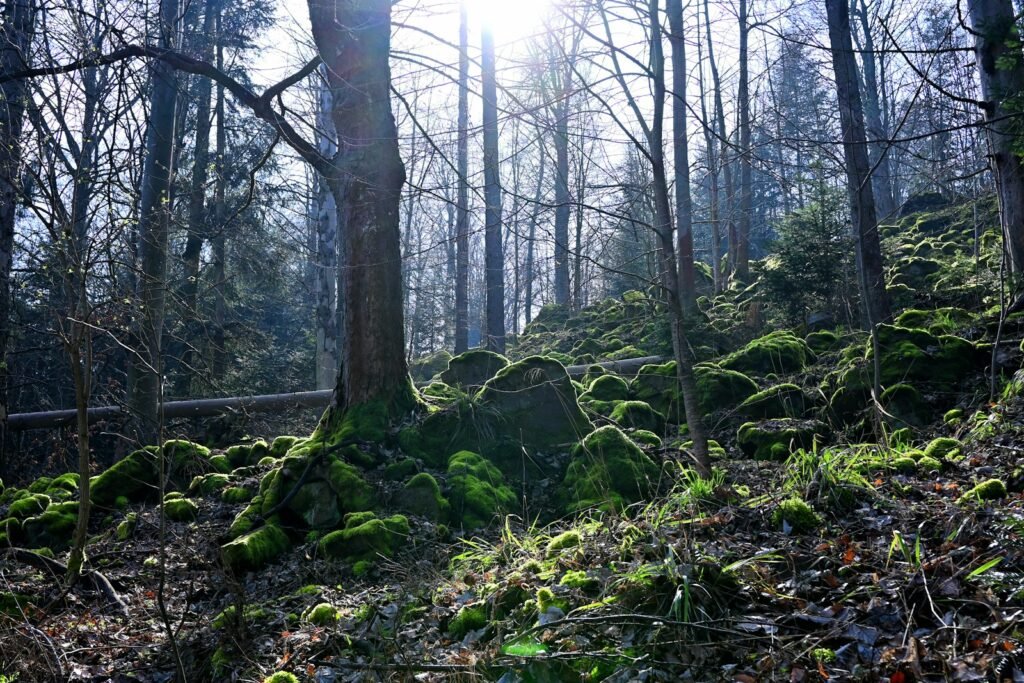
Old-growth forests in Oregon are unique ecosystems characterized by ancient trees, sometimes over 200 years old, and a diverse array of species. These forests house an intricate mosaic of plant and animal life, some species of which are found nowhere else on earth. The ecological functions they serve—such as carbon storage, water filtration, and habitat provision—are critical not just locally but globally.
Biodiversity: The Heart of the Forest

The biodiversity in old-growth forests is staggering. Tall conifers like Douglas firs and western hemlocks provide habitat for numerous bird species, while the forest floor teems with mushrooms, ferns, and insects. These older forests are also crucial for certain endangered species, like the northern spotted owl, which depend on the complex canopy structures for nesting and foraging.
Logging and Its Economic Importance

Logging has historically been a significant economic driver in Oregon, providing jobs and contributing to the state’s economy through timber exports. However, the pressure to log these ancient forests raises questions about sustainability and the long-term environmental costs versus short-term economic gains.
Ecological Impacts of Logging

Logging, especially clear-cutting, disrupts ecosystems, leading to soil erosion, loss of habitat, and decreased biodiversity. Removing these ancient trees reduces the forests’ capacity to sequester carbon, exacerbating climate change and impacting global efforts to reduce carbon emissions.
Legal Protections and Management Strategies

Laws such as the Northwest Forest Plan have sought to mediate the conflict between timber industry interests and environmental preservation. These regulations aim to strike a balance, protecting significant ecological areas while allowing sustainable logging practices in others. However, the effectiveness and enforcement of these policies remain points of debate.
Conservation Challenges and Opportunities

Conserving old-growth forests involves addressing various challenges, including climate change, invasive species, and disease, which threaten these ecosystems. Yet, there are opportunities to harness environmental policy, innovative management, and community engagement to foster conservation efforts.
Public Perception and Community Involvement

Public support is crucial for successful conservation efforts. Engaging local communities through education and involving them in managing forest resources can be instrumental in building a sustainable relationship between human needs and ecological preservation.
Scientific Advances and Restoration Efforts

Advancements in ecology and wildlife management provide tools to restore and maintain old-growth features even in logged areas. Through techniques such as selective thinning and reforestation, some of the ecological functions of these ancient forests can be recovered or enhanced.
The Balance: Economic Needs vs. Ecological Integrity

Finding the right balance between logging to support local economies and preserving the ecological integrity of old-growth forests is challenging. Collaborative approaches that integrate economic incentives with strict environmental safeguards could serve as viable solutions.
Conclusion: A Call for Sustainable Preservation

Oregon’s old-growth forests are invaluable to both our natural world and human well-being. While logging offers economic benefits, its practice must be carefully managed to protect these irreplaceable ecosystems. By aligning conservation efforts with sustainable economic practices, it is possible to ensure that these forests, and the biodiversity they support, thrive for generations to come. To truly safeguard these ancient giants, a holistic approach that considers ecological, economic, and social factors is imperative.