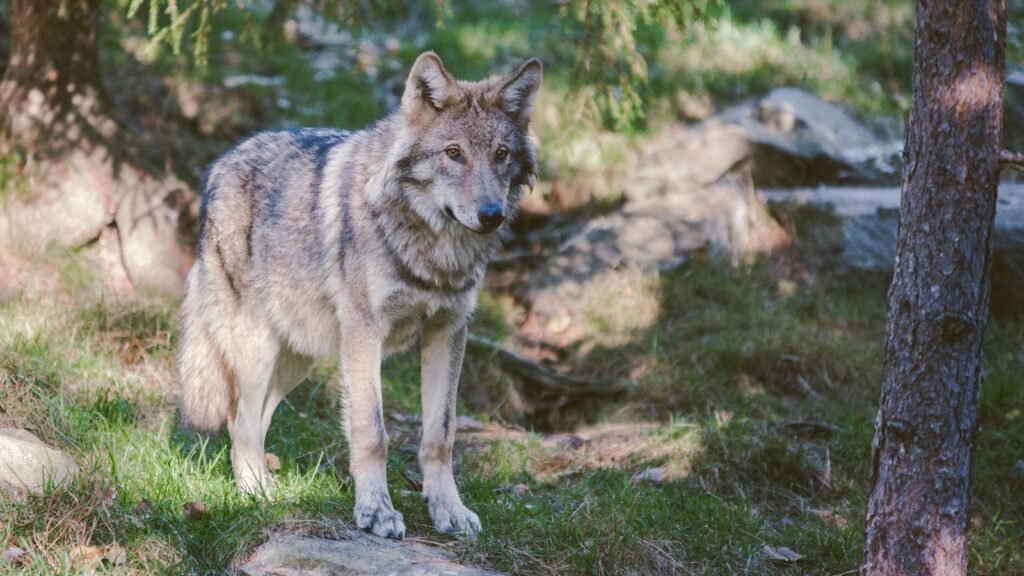

In a historic move towards biodiversity and ecological balance, Colorado has taken center stage in the reintroduction of wolves to its wild landscapes. Hailed as a landmark conservation effort, the initiative is not just about bringing back a native species but also about restoring an ecological balance that was disrupted over a century ago. Wolves, once eradicated from the state due to past policies and human-wildlife conflicts, are now making a comeback, and Colorado’s approach is being watched closely across the nation as a model for wildlife restoration.
The Historical Context of Wolves in Colorado

The presence of wolves in Colorado dates back centuries, with the species once roaming freely across the state. However, during the early 20th century, wolves were virtually eliminated due to widespread hunting, government extermination programs, and loss of habitat. This disappearance significantly impacted the ecosystem, creating an imbalance that has affected various other species and the landscape as a whole.
The Significance of Reintroducing Wolves
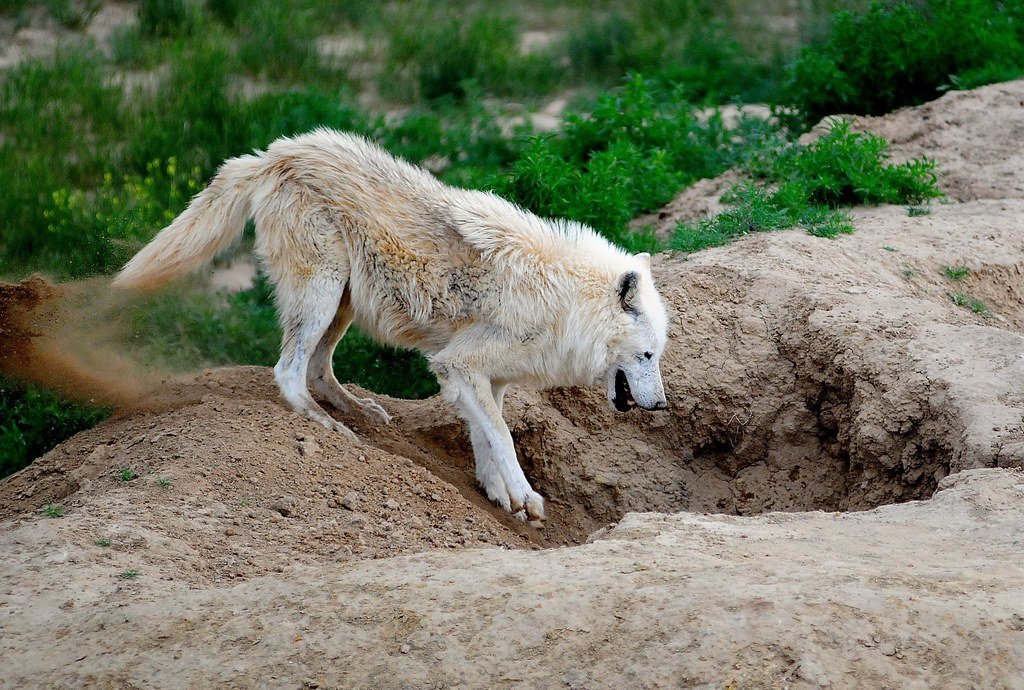
Wolves play a crucial role in maintaining healthy ecosystems. As apex predators, they help control the populations of prey animals such as deer and elk, which in turn influences the vegetation and supports a diverse range of other wildlife. The reintroduction of wolves is expected to restore these natural processes and create a more balanced and thriving ecosystem in Colorado.
The Approval of Proposition 114

In November 2020, Colorado voters narrowly approved Proposition 114, mandating the Colorado Parks and Wildlife Commission to develop a plan to reintroduce wolves by the end of 2023. This was a groundbreaking decision, as it marked the first time a state mandated the reintroduction of a carnivore through a voter-driven initiative, highlighting the growing public support for wildlife conservation efforts.
The Role of Science and Research

The reintroduction plan is grounded in extensive scientific research and collaboration with wildlife biologists, ecologists, and conservation experts. Studies have been conducted to identify suitable habitats, understand potential impacts on local ecosystems, and develop strategies to minimize human-wildlife conflicts. This science-driven approach ensures that the reintroduction process is both effective and sustainable.
Collaboration with Local Communities

A critical aspect of the reintroduction effort is engaging with local communities, particularly ranchers and farmers, who are directly impacted by the presence of wolves. The state has implemented programs to provide compensation for livestock losses and promote coexistence strategies, ensuring that the needs and concerns of local residents are addressed.
Monitoring and Adaptive Management
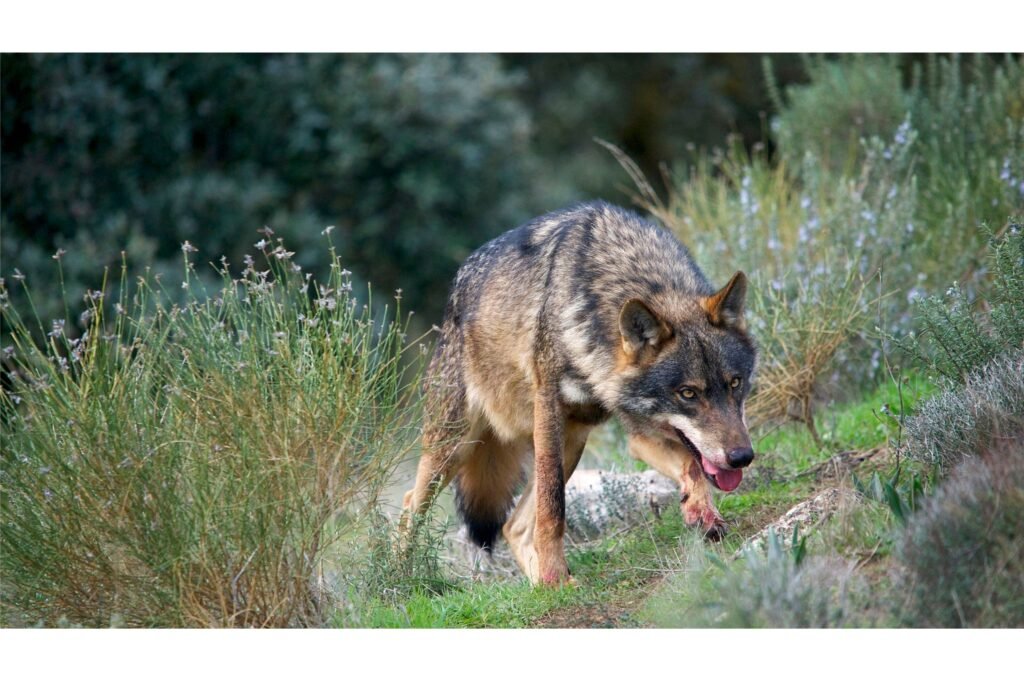
Once wolves are reintroduced, ongoing monitoring will be essential to assess their impact and ensure their successful integration into the ecosystem. Adaptive management strategies will allow for adjustments based on real-time data and feedback, helping to address any emerging challenges and optimize conservation outcomes.
Educational and Public Awareness Campaigns

Raising public awareness about the importance of wolves and their role in the ecosystem is a key component of the reintroduction initiative. Educational campaigns aim to inform the public about wolf behavior, the benefits of their presence, and ways to coexist peacefully. These efforts help build widespread support and understanding for the reintroduction program.
Looking Ahead: The Future of Wolves in Colorado

As Colorado embarks on this ambitious and hopeful journey, the future of wolves in the state looks promising. Success will be measured not only by the number of wolves thriving in the wild but also by the health and balance of the ecosystems they inhabit. Colorado’s dedication to thoughtful, informed, and community-centered conservation efforts sets a precedent for other regions considering similar initiatives.
Conclusion: A Bold Step in Conservation

Colorado’s decision to reintroduce wolves signifies a bold and forward-thinking approach to conservation that balances the needs of wildlife, humans, and the environment. By integrating scientific research, public engagement, and adaptive management, the state is taking significant steps towards restoring a crucial component of its natural heritage. As wolves return to the Colorado wilderness, they bring with them the promise of a healthier, more vibrant landscape, inspiring similar efforts across the United States and beyond.