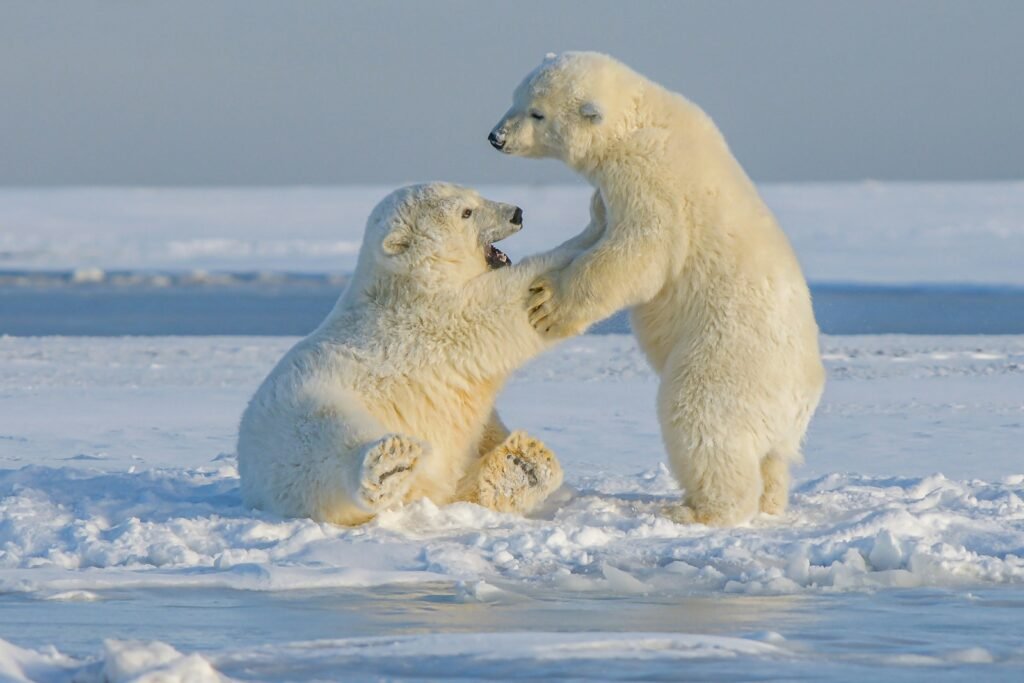

Climate change in the Arctic is reshaping the landscape and the lives of its iconic inhabitants, particularly Alaska’s polar bears. As sea ice diminishes, these majestic creatures are facing unprecedented challenges. Yet, they are also exhibiting remarkable resilience and adaptability in response to their changing environment. In this article, we delve deep into the ways Alaska’s polar bears are navigating these uncharted waters and what it means for their survival.
The Impacts of Climate Change on Arctic Habitats

The Arctic is warming twice as fast as the rest of the planet, leading to rapid ice melt and habitat loss. For polar bears, who rely on sea ice for hunting seals, this presents a grave challenge. As their traditional environment shrinks, polar bears must adapt to survive.
Changes in Hunting Patterns

With the reduction in sea ice, polar bears are altering their hunting strategies. They are spending more time on land and relying on a more diverse diet. While seals remain their primary prey, some polar bears are turning to bird eggs, vegetation, and even carcasses to supplement their diet.
Longer Fasting Periods

As the ice-free periods extend, polar bears are forced to fast for longer. These fasting periods can stretch for several months, during which they rely on fat reserves accumulated during the hunting season. This shift is taxing on their energy levels and health, especially for pregnant females and cubs.
Increased Interactions with Humans
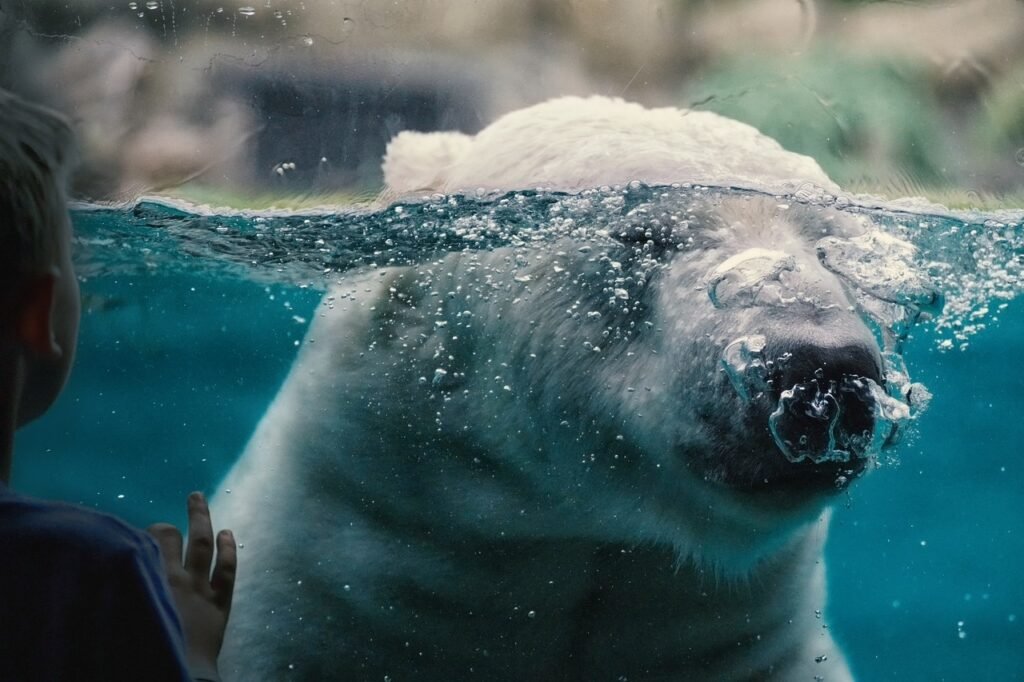
As polar bears spend more time on land, interactions with human communities are becoming more common. These interactions can lead to conflicts, as polar bears are drawn to human settlements in search of food. Conservation efforts are underway to manage these interactions, balancing bear safety with human needs.
Genetic Adaptations Over Time

Scientists are studying genetic adaptations in polar bears as they adjust to warming temperatures. While evolutionary changes can take many generations, researchers are interested in understanding how certain genetic traits may offer advantages in the new Arctic conditions.
Importance of Maternal Energy Reserves
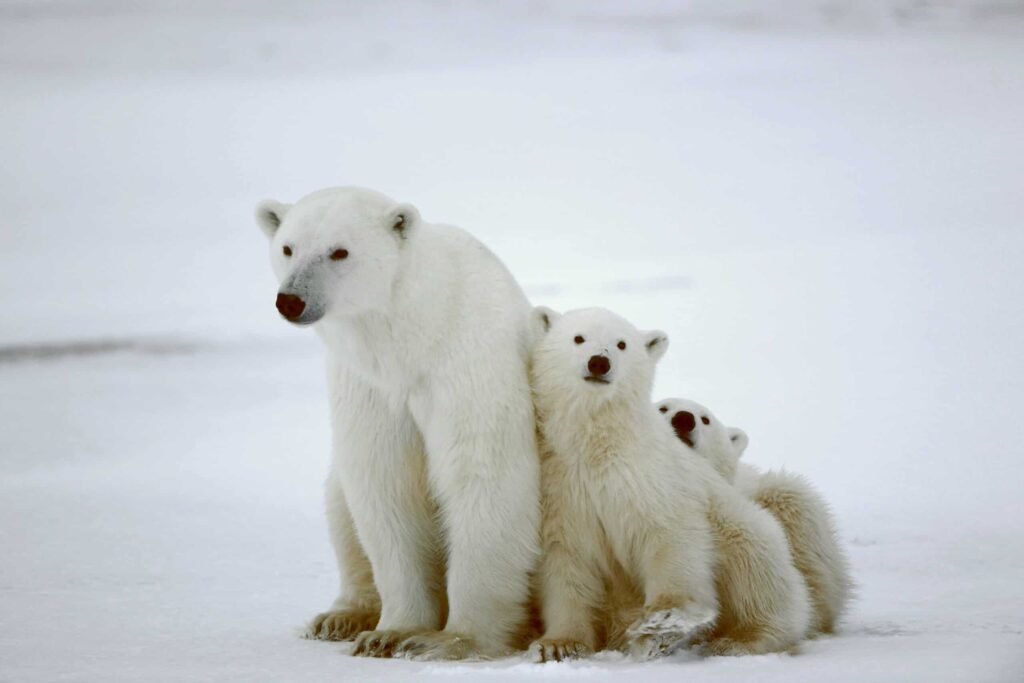
For mother polar bears, maintaining energy reserves is critical, especially during the denning period. They fast for months while nursing their young, and the dwindling sea ice affects their ability to build sufficient fat reserves. This impacts cub survival rates and overall population health.
Conservation Efforts and Challenges
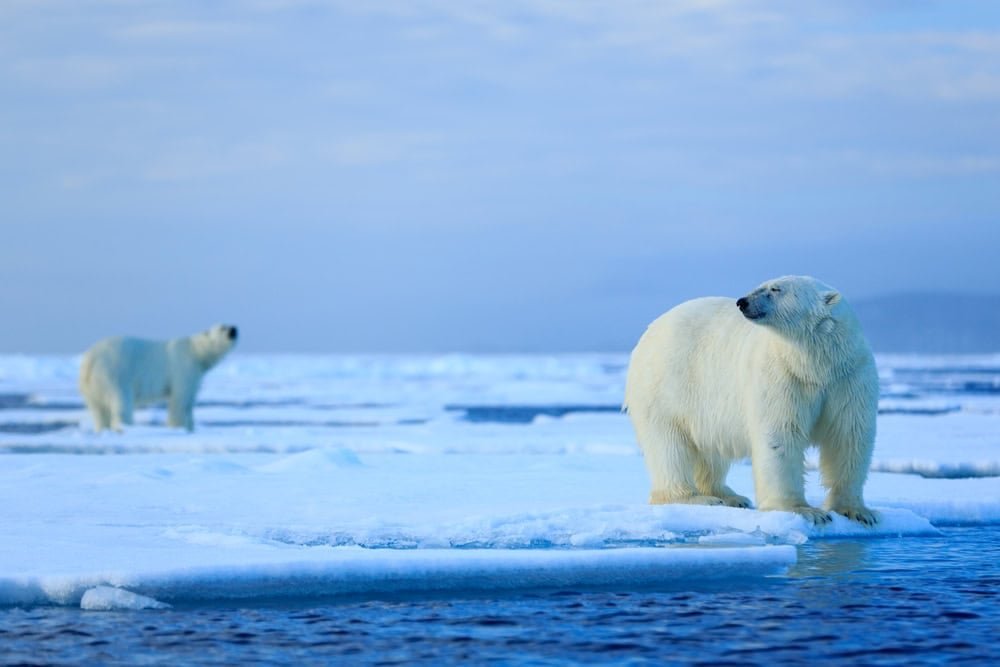
International conservation organizations are working to protect polar bear habitats and mitigate the effects of climate change. This includes preserving critical hunting grounds and implementing policies to reduce carbon emissions. However, these efforts face significant challenges, including geopolitical conflicts and economic interests.
Adapting to New Prey
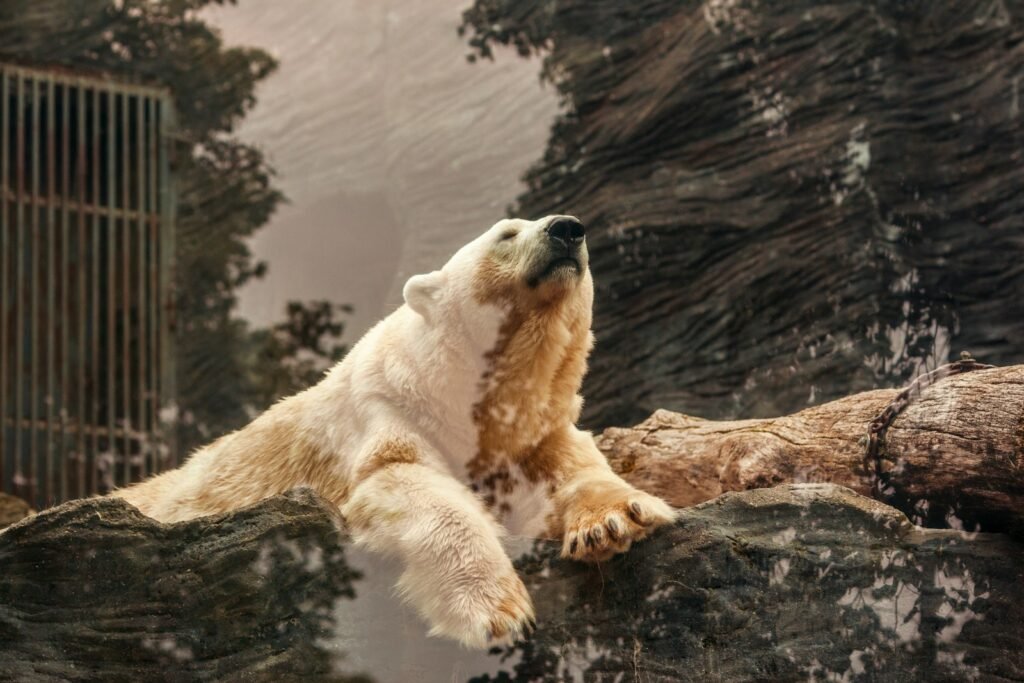
In some regions, polar bears are adapting to prey on different species. They have been observed hunting and feeding on dolphins and narwhals trapped in the ice. Such behavior indicates an ability to exploit new food resources as traditional prey becomes scarce.
Impact on Reproductive Success
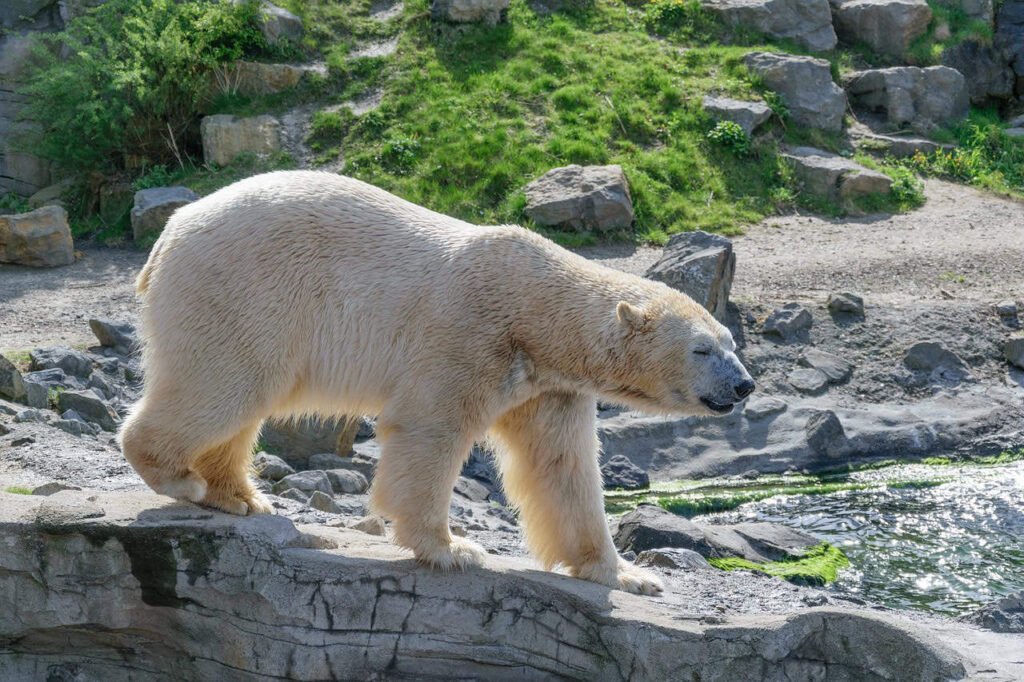
The changing environment is impacting polar bear reproduction. Extended ice-free seasons can lead to fewer cubs being born and lower cub survival rates. Researchers are closely monitoring these trends to predict future population dynamics.
Role of Ice Corridors
Despite the overall loss of ice, certain regions continue to serve as critical corridors for polar bear movement. These areas provide refuge and connectivity between habitats, enabling polar bears to traverse large distances in search of food and mates.
The Science of Polar Bear Monitoring

Advancements in satellite tracking and collar technology have revolutionized our understanding of polar bear movements and behavior. These tools allow scientists to collect crucial data on how polar bears are adapting to changing environments, informing conservation strategies.
Public Education and Awareness
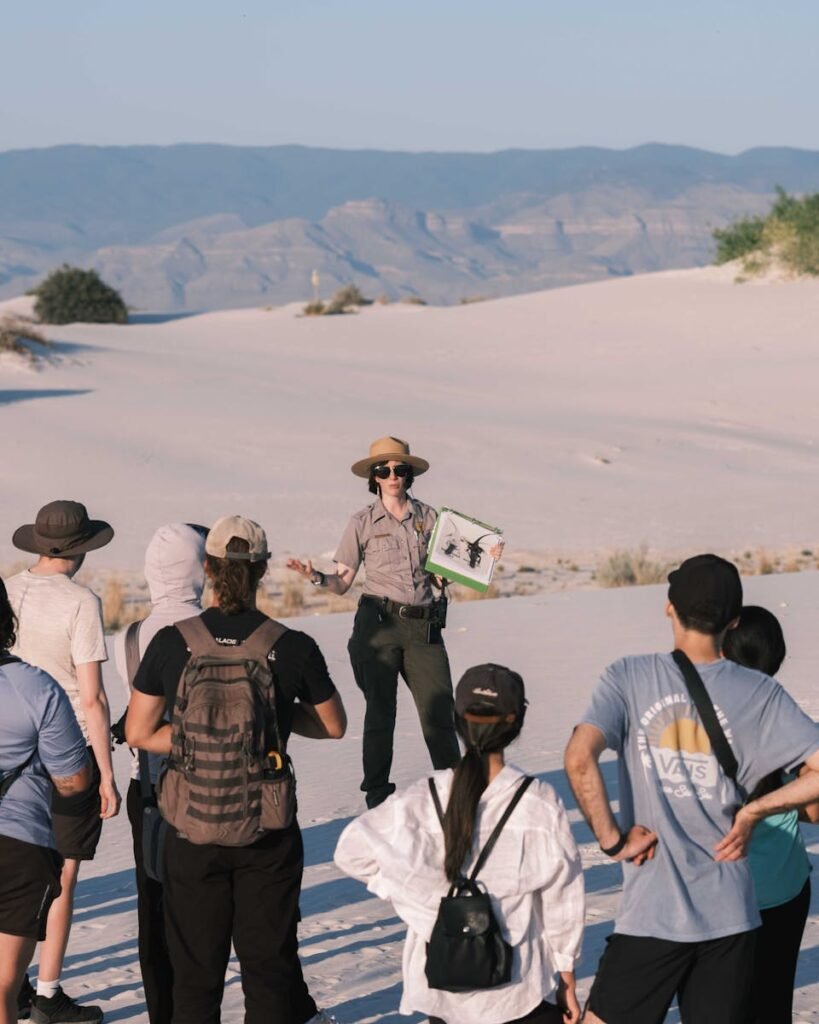
Raising public awareness about the plight of polar bears is essential in garnering support for conservation efforts. Educational initiatives aim to highlight the connection between global climate policies and the future of these majestic animals.
Indigenous Knowledge and Collaboration

Local Indigenous communities have lived alongside polar bears for generations, possessing invaluable knowledge about the species. Collaborative efforts between scientists and Indigenous peoples are enhancing our understanding of polar bear ecology and crafting culturally sensitive conservation strategies.
Threats from Industrial Activities
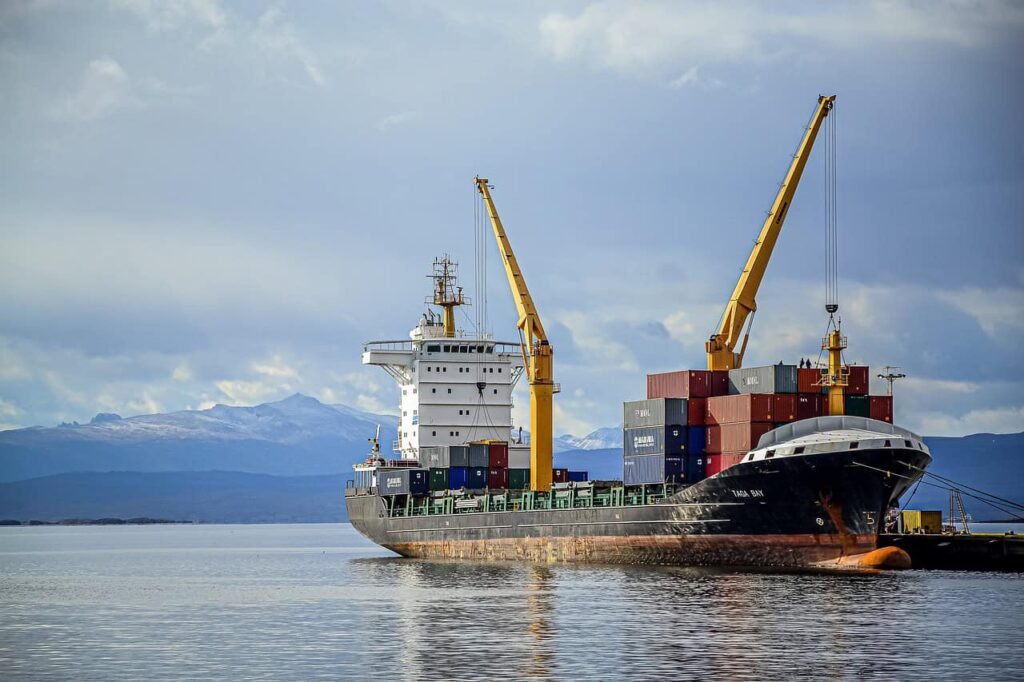
The expansion of industrial activities such as oil drilling and shipping routes poses additional threats to polar bears. These activities can lead to habitat destruction and increased pollution, further stressing already vulnerable populations.
Developing Predictive Models

Researchers are developing predictive models to forecast future scenarios for polar bears under varying climate conditions. These models help policymakers and conservationists devise strategies to mitigate negative impacts and ensure the bears’ long-term survival.
Polar Bears as Climate Indicators

Polar bears are often viewed as indicators of ecosystem health in the Arctic. Their response to environmental changes provides insight into broader ecological shifts and the impacts of climate change on Arctic biodiversity.
Understanding Human Impact
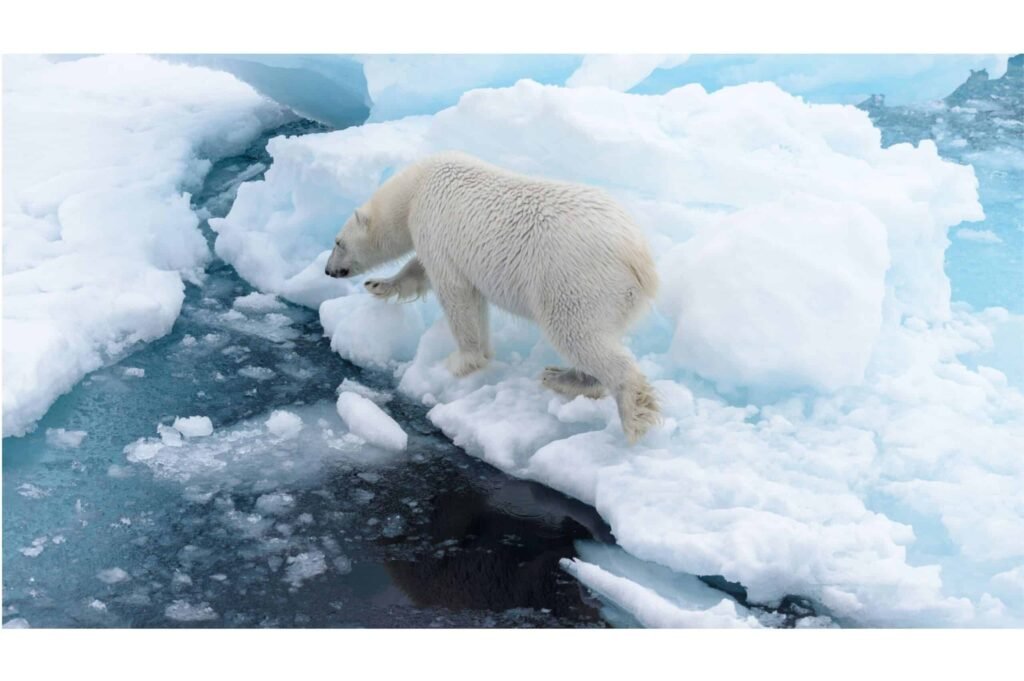
Reducing human-induced stresses on polar bear populations is crucial. This includes minimizing carbon footprints, avoiding pollution, and implementing sustainable development practices that consider the needs of Arctic wildlife.
The Future of Polar Bears in the Arctic
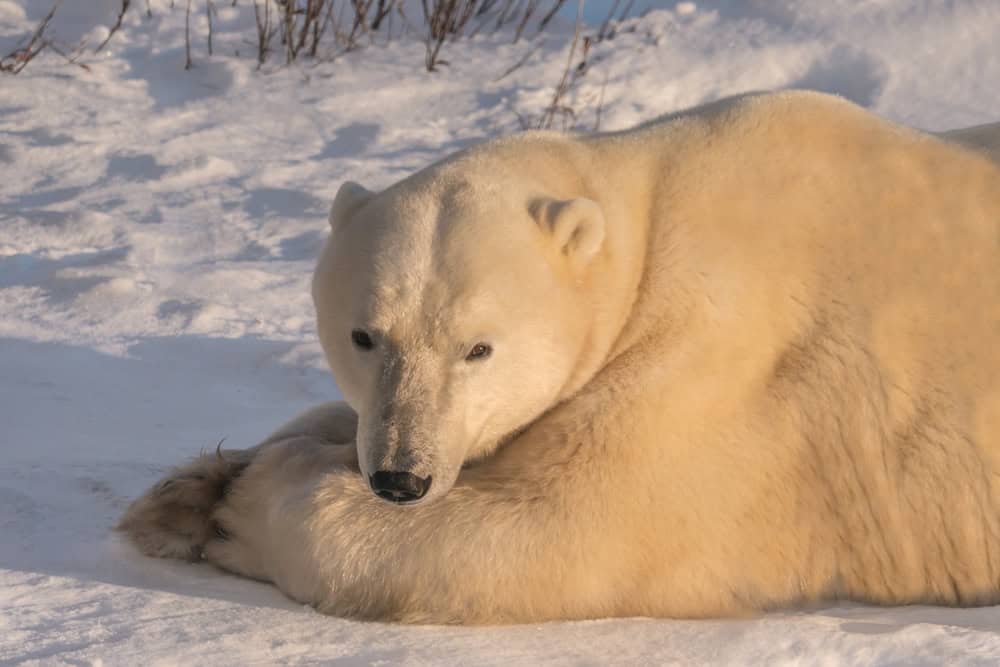
The future of Alaska’s polar bears is uncertain, as it hinges on the pace of climate change mitigation efforts. While they have shown incredible adaptability, the long-term survival of these creatures depends on global actions to curb greenhouse gas emissions and protect their natural habitats.
In summary, Alaska’s polar bears are a testament to the resilience of wildlife facing a rapidly changing world. By understanding their adaptations and challenges, we can better appreciate the urgent need for global action to ensure that these magnificent animals remain a part of our planet’s natural heritage for generations to come.