The Coral Triangle, a marine area located in the western Pacific Ocean, is a global epicenter of marine biodiversity, home to a phenomenal variety of species and ecosystems. Encompassing the waters of Malaysia, Indonesia, the Philippines, Papua New Guinea, East Timor, and the Solomon Islands, it is known as the “Amazon of the Seas” for its rich coral species count. In this vibrant maritime tapestry, Malaysia plays a key role in safeguarding these underwater treasures. Let’s dive into Malaysia’s marine conservation efforts and how these endeavors play a crucial role in protecting the Coral Triangle.
Understanding the Coral Triangle
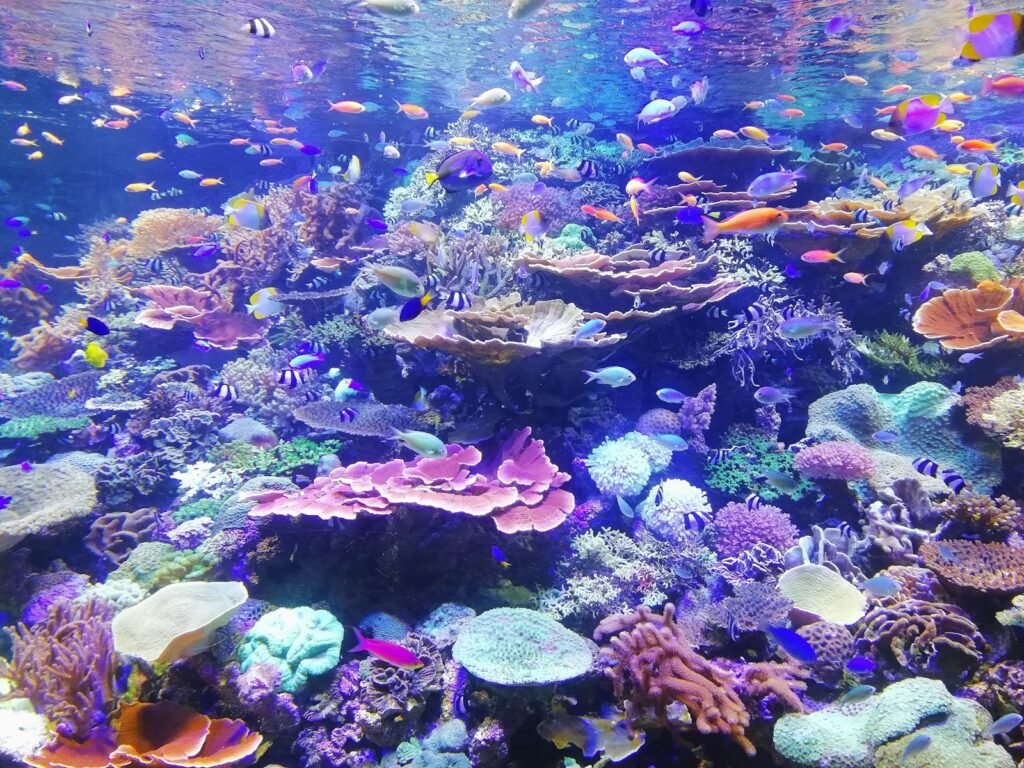
The Coral Triangle spans approximately 6 million square kilometers, encompassing the richest marine habitats on the planet. It hosts over 600 species of corals, 2,000 species of reef fish, and numerous other marine creatures. The area is critical not only for marine biodiversity but also for the livelihood of millions, supporting fisheries and tourism industries.
Malaysia’s Marine Biodiversity

Malaysia boasts key sections of coral reefs within the Coral Triangle, extending over 4,006 square kilometers. These rich ecosystems are home to many marine species, making up an integral part of the country’s ecological and economic framework.
Threats to Malaysia’s Marine Ecosystems

Despite its riches, the Coral Triangle faces significant threats, including overfishing, illegal fishing methods, coastal development, pollution, and the ever-looming effects of climate change. Coral bleaching, in particular, presents a formidable challenge, as increased sea temperatures stress and weaken these vital ecosystems.
Malaysia’s Commitment to Conservation

Malaysia has recognized the importance of protecting its marine resources and has committed to various international agreements. This includes participation in initiatives like the Coral Triangle Initiative on Coral Reefs, Fisheries, and Food Security (CTI-CFF) that focus on regional collaboration to address marine conservation challenges.
Marine Protected Areas (MPAs)

One of the primary strategies Malaysia employs is establishing Marine Protected Areas (MPAs) to conserve the rich marine biodiversity. These areas restrict activities like fishing and tourism, ensuring ecosystems can regenerate and flourish. Prominent MPAs include the Tun Mustapha Park and Sipadan Island Park.
Community Involvement in Conservation

Malaysia emphasizes community-based approaches to conservation. Local communities are encouraged to participate in and lead sustainable practices, ensuring that conservation efforts are culturally sensitive and economically beneficial.
Scientific Research and Monitoring

Research plays a vital role in understanding marine ecosystems. Malaysia invests in scientific research to monitor coral health, biodiversity, and the effectiveness of conservation strategies, ensuring policies are guided by robust evidence.
Education and Awareness Campaigns

Public education campaigns are instrumental in promoting awareness about marine conservation. Efforts are made to educate locals and tourists on the importance of marine ecosystems and the roles they can play in preserving these treasures.
Innovative Conservation Technologies

Malaysia is harnessing technology to aid conservation efforts. Innovations such as the use of drones for monitoring and remote sensing tools to track coral bleaching events help manage and mitigate conservation challenges effectively.
Challenges in Enforcement

Enforcing regulations within MPAs and combating illegal fishing remain significant challenges. Collaborative efforts with law enforcement and international bodies are crucial to enhancing compliance and curbing destructive activities.
Collaborative Regional Efforts

Malaysia works closely with neighboring countries within the Coral Triangle to ensure regional policies align and synergize. Such cooperation maximizes the impact of conservation efforts across national boundaries.
The Role of Ecotourism
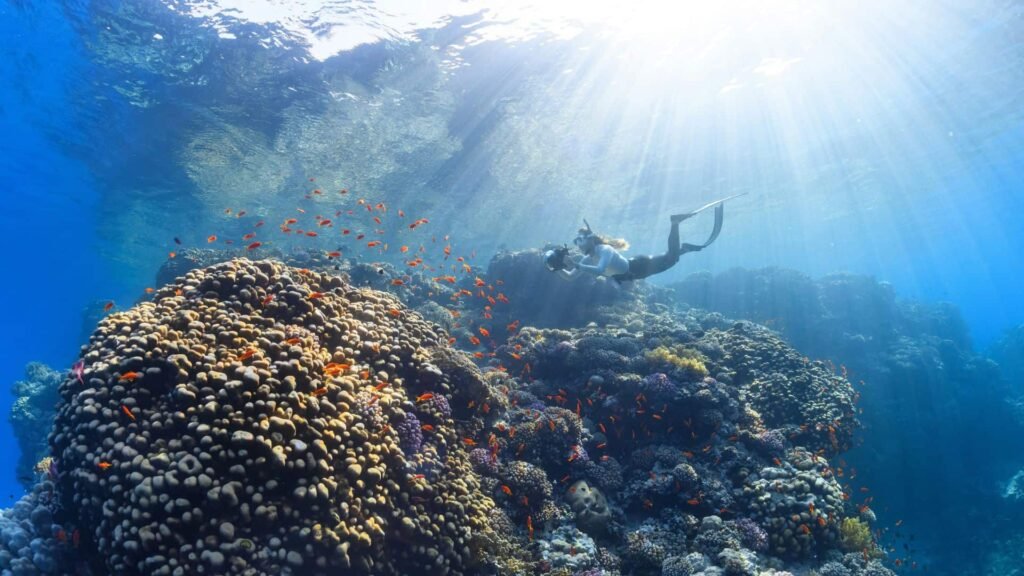
Ecotourism provides an economic incentive for marine conservation. By promoting responsible tourism that values and protects natural resources, Malaysia can sustain its economic interests while ensuring ecological preservation.
Future Prospects and Challenges
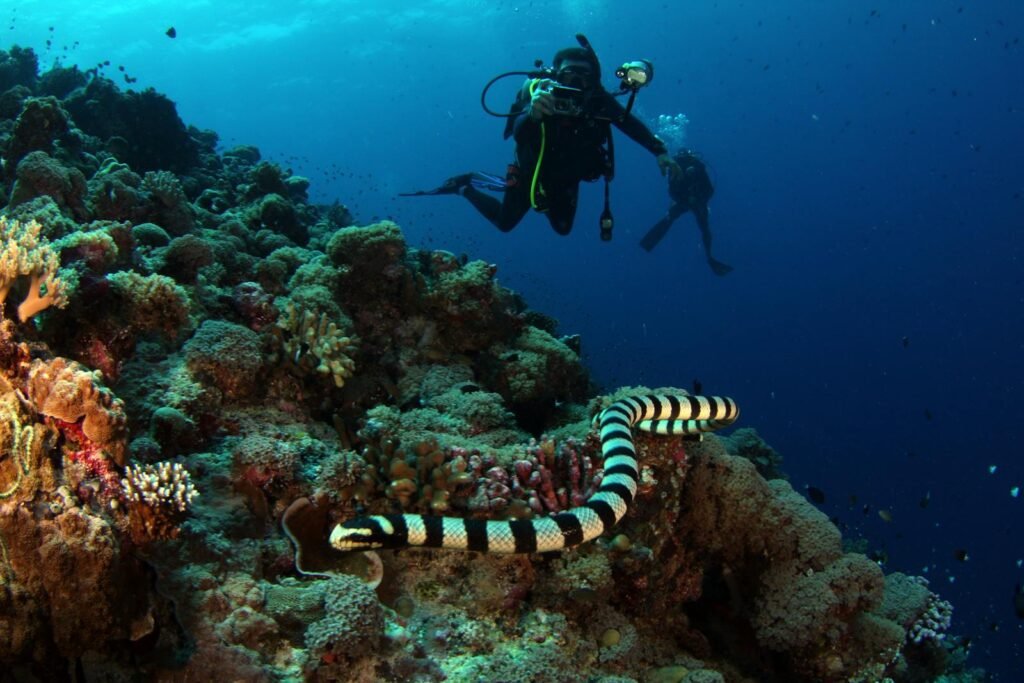
The future of Malaysia’s marine ecosystems will depend on sustained efforts and adaptive management strategies. With the looming threat of climate change, innovative, flexible approaches are essential to safeguard these vibrant ecosystems for generations to come.
Conclusion: A Call to Protect the Coral Triangle

Malaysia’s efforts in marine conservation reflect a commitment to protecting a global ecological treasure within the Coral Triangle. Through dedicated research, innovative conservation strategies, community engagement, and international cooperation, Malaysia is making strides in the battle to preserve marine biodiversity. As custodians of some of the world’s most precious marine resources, the stakes are high, and the collective actions today will shape the future of our oceans.