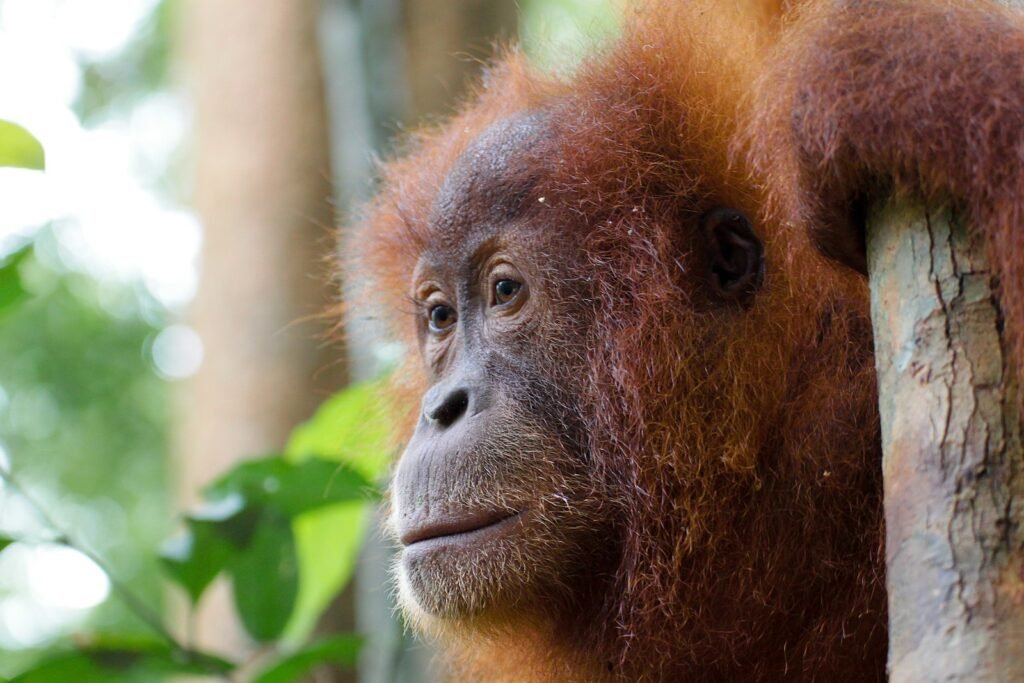
The dense, verdant rainforests of Malaysia are a marvel of biodiversity, home to countless species, including the iconic orangutan. Yet, as imperious palm oil plantations spread and illegal logging takes its toll, the future of these apes hangs in the balance. This article delves into how the orangutan serves as a symbol of the broader conservation battle for Malaysia’s rainforests, the challenges faced, and the efforts underway to ensure a future where both orangutans and their habitats can thrive.
The Importance of Malaysia’s Rainforests
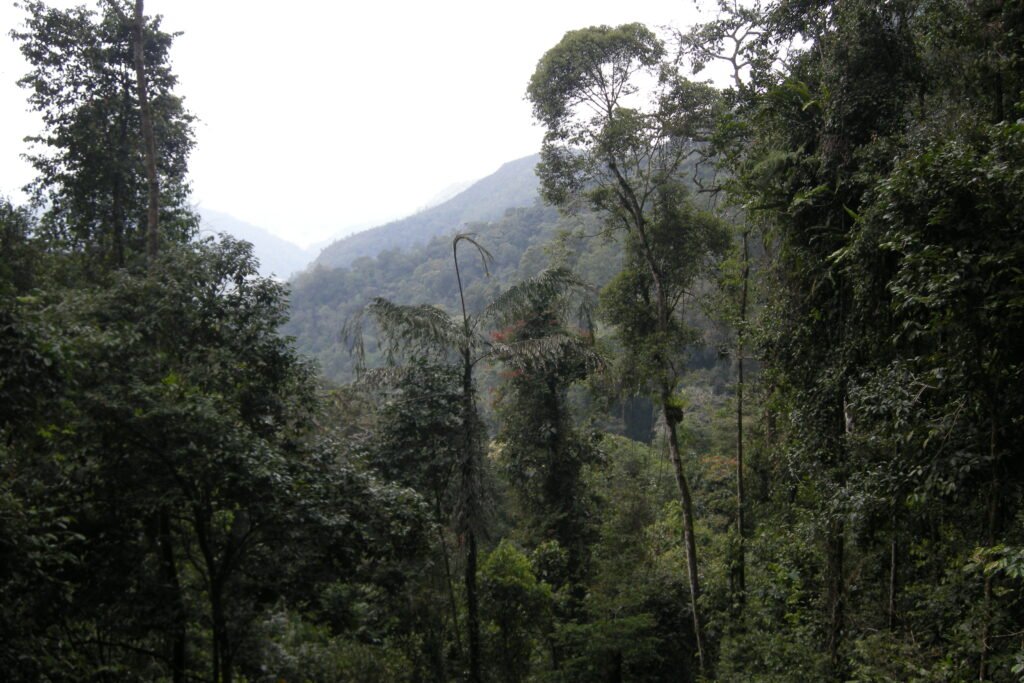
Malaysia’s rainforests are among the oldest and most biologically diverse ecosystems on the planet. They serve as critical carbon sinks, influencing global climate patterns, and are vital for maintaining regional water cycles. Home to thousands of species, these forests provide a natural sanctuary for a variety of flora and fauna, some of which are found nowhere else on Earth.
Orangutans: The Gardeners of the Forest

Orangutans play an integral role in their ecosystems as “gardeners” of the forest. By spreading seeds through their excrement as they travel, orangutans foster new growth, contributing to forest regeneration and the maintenance of plant diversity. This seed dispersal is critical for the health of the forests they inhabit, reflecting the vital role these apes have in sustaining their environments.
Threats to Orangutans

Despite their ecological importance, orangutans face a multitude of threats. The rapid expansion of palm oil plantations, one of Malaysia’s leading exports, has resulted in extensive habitat loss. Deforestation, both legal and illegal, further compounds this issue, while poaching and the illegal pet trade pose additional dangers to orangutan populations.
Conservation Efforts in Action

Numerous conservation organizations and governmental bodies are working tirelessly to halt the decline of orangutan populations. These efforts include habitat restoration, research initiatives, and the establishment of wildlife protection laws. Programs like the Sepilok Orangutan Rehabilitation Centre in Sabah play a crucial role in rescuing and rehabilitating orphaned or displaced orangutans, preparing them for reintroduction into the wild.
The Role of Education and Awareness
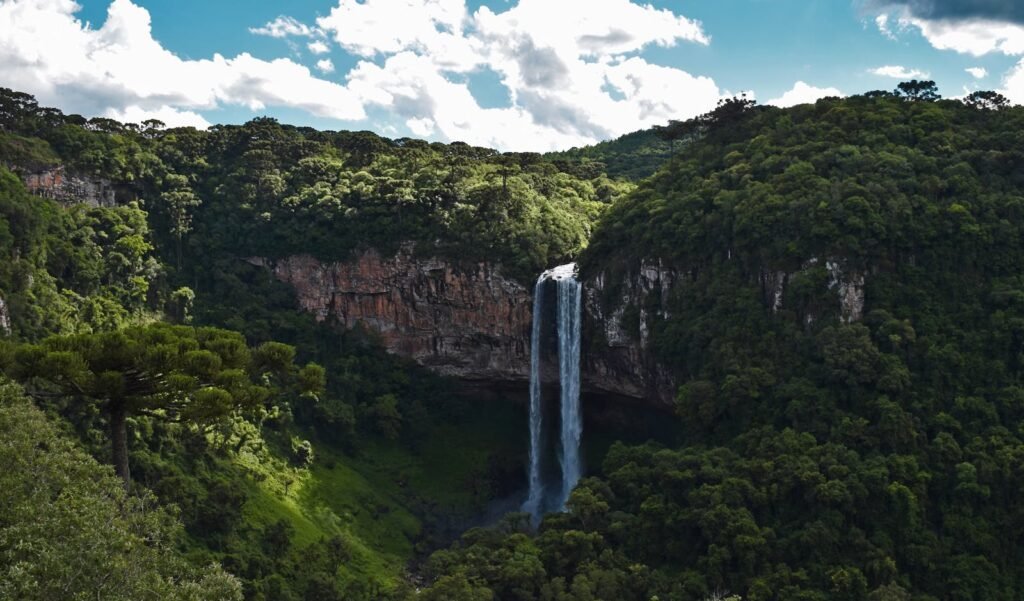
Educating local communities about the importance of orangutans and rainforests is essential for long-term conservation success. Community-based programs aim to provide sustainable livelihood alternatives to prevent deforestation, fostering a sense of stewardship among local populations. Increased awareness about the ethical issues surrounding palm oil cultivation and the impact of deforestation helps to drive consumer choices toward sustainably sourced products.
Technological Innovations in Conservation

Advancements in technology are providing new tools in the fight to save orangutans and their habitats. Drones and satellite imagery offer precise data on deforestation rates and help monitor illegal logging activities. These technologies allow for more effective enforcement of environmental laws and better management of protected areas.
The Impact of Climate Change

Climate change presents another layer of complexity in the conservation of orangutans, as shifts in weather patterns can alter their habitats and food sources. Conservation strategies must consider the adaptive capacities of these ecosystems to ensure they remain viable for orangutans and other species in the face of climatic changes.
Case Study: The Kinabatangan River
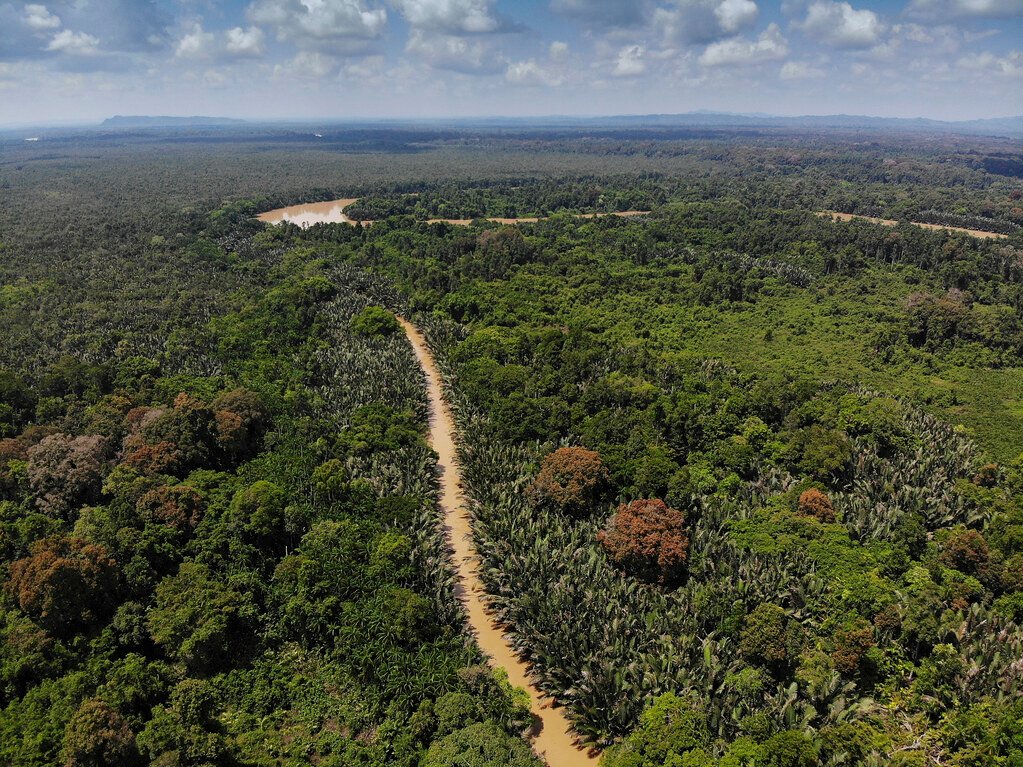
The Kinabatangan River area in Sabah, Malaysia, is a critical habitat for orangutans and a focal point of conservation efforts. Here, various non-governmental organizations collaborate with the local government to implement land-use planning that promotes coexistence between human activities and wildlife conservation. The river serves as a lifeline for both orangutans and the biodiversity that depends on these interconnected habitats.
The Role of Ecotourism

Ecotourism has emerged as a promising avenue to fund conservation efforts and support local economies. Responsible wildlife tourism provides an economic incentive to preserve natural habitats, offering an alternative to practices that threaten orangutan populations. Visitors contribute to conservation efforts by financially supporting reserves and learning about the species firsthand.
Global Collaboration and Policy Interventions

Conserving Malaysia’s rainforests and its orangutans requires a concerted global effort. International agreements, such as the Convention on Biological Diversity, emphasize the shared responsibility of nations to preserve biodiversity. Global coalitions are essential to enforce policies that minimize the ecological footprint of industries like palm oil production.
Conclusion: A Path to Coexistence

The survival of the orangutan is interconnected with the broader health of Malaysia’s rainforests. It symbolizes the urgent need for responsible stewardship of natural resources and the commitment to preserving biodiversity. By fostering collaboration among governments, local communities, NGOs, and individuals, there is hope that orangutans can be rescued from the brink of extinction. The integrated efforts to save these great apes and their habitats reflect a global imperative to protect the natural world for future generations.