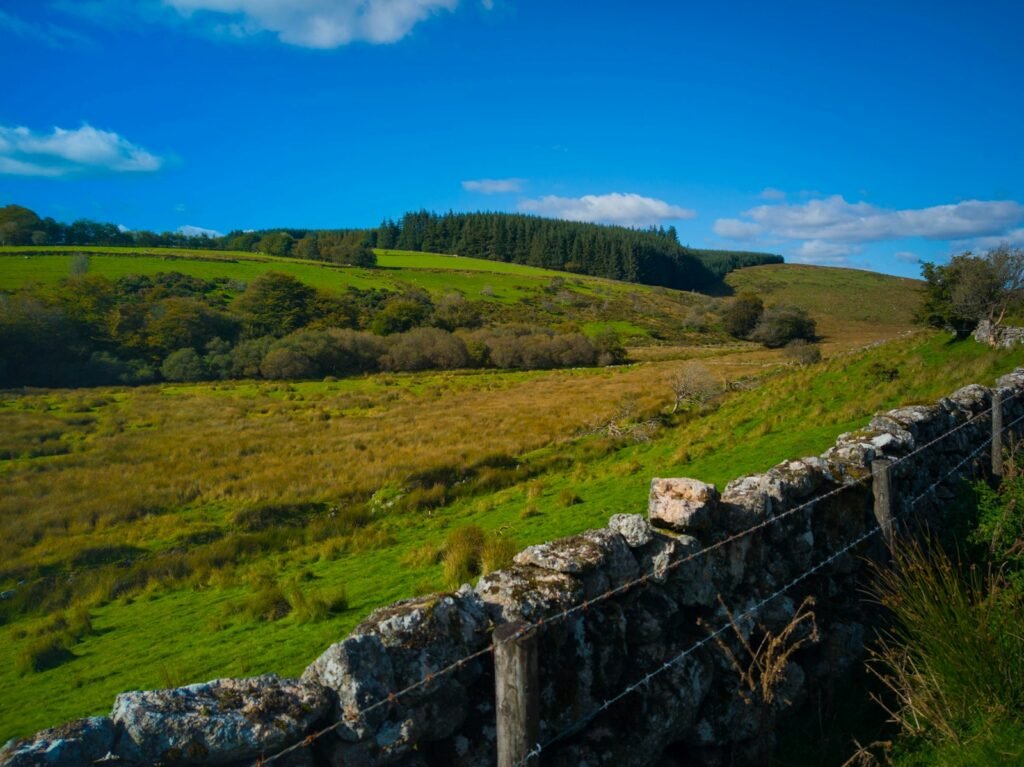

The British countryside, renowned for its picturesque landscapes and rich biodiversity, is undergoing a remarkable transformation. Rewilding projects are breathing new life into ecosystems that have long been degraded or imbalanced. This movement, driven by a desire to reconnect with nature and restore ecological integrity, is having a profound impact on wildlife, climate resilience, and community well-being. Let’s explore how rewilding is reshaping the United Kingdom’s natural environments and what it means for the future.
Understanding Rewilding: A New Approach to Conservation
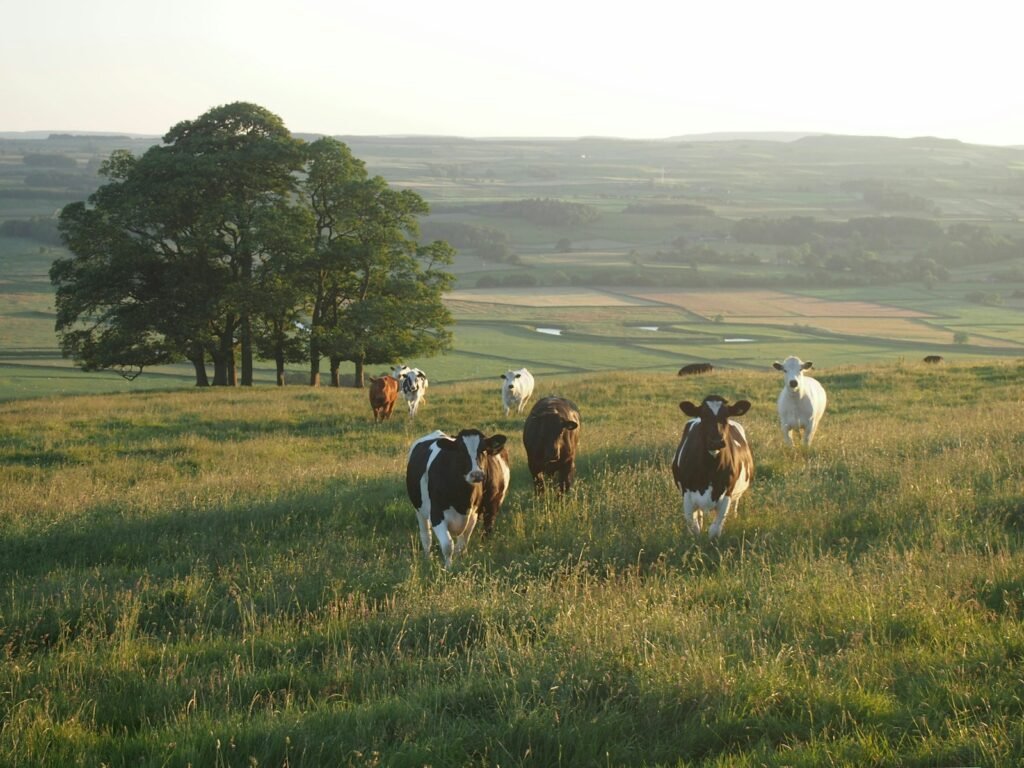
Rewilding is a progressive approach to conservation that seeks to restore ecosystems to their natural, unmanaged states. Unlike traditional conservation, which often focuses on preserving specific species, rewilding emphasizes the restoration of dynamic ecological processes. This involves reintroducing keystone species, reestablishing native plant life, and allowing natural processes like flooding or fire to occur, all aimed at fostering self-sustaining and resilient ecosystems.
The Origins of Rewilding in the UK

The concept of rewilding began gaining traction in the UK around the late 20th century. Inspired by successful projects in North America and Europe, conservationists began to consider how similar approaches could revitalize Britain’s landscapes. The movement has gained momentum, propelled by high-profile projects and widespread public support. Organizations and individuals across the country have embraced this vision, catalyzing numerous initiatives to restore degraded lands.
Reintroducing Keystone Species

One of the critical components of rewilding is the reintroduction of keystone species, which play a pivotal role in maintaining ecosystem balance. In the UK, projects have included the reintroduction of beavers, which help create wetlands that support a variety of wildlife. Similarly, the potential reintroduction of lynx and wildcats could help control deer populations, encouraging forest regeneration.
Restoring Biodiversity

Rewilding projects are instrumental in restoring biodiversity, which has suffered from centuries of human activity. By allowing natural processes to take hold, these projects enhance habitats for a wide array of flora and fauna. As diverse plant species recolonize, they provide food and shelter for insects, birds, and mammals, resulting in richer ecosystems that are more resilient to environmental changes.
Ecological and Climate Benefits

By revitalizing ecosystems, rewilding projects offer substantial ecological benefits. Healthy, functioning ecosystems enhance carbon sequestration, aiding in climate change mitigation. Forests and wetlands can capture and store carbon dioxide more effectively than agricultural lands. Additionally, restored landscapes improve flood management, water quality, and soil health.
Community Involvement and Economic Opportunities

Rewilding is not just an ecological initiative; it also holds socioeconomic potential. Communities involved in rewilding projects benefit from increased opportunities in ecotourism and sustainable land management. These projects often engage local residents, fostering a sense of stewardship and connection to the land. Moreover, they can create jobs and support local economies, particularly in rural areas.
Challenges and Criticisms
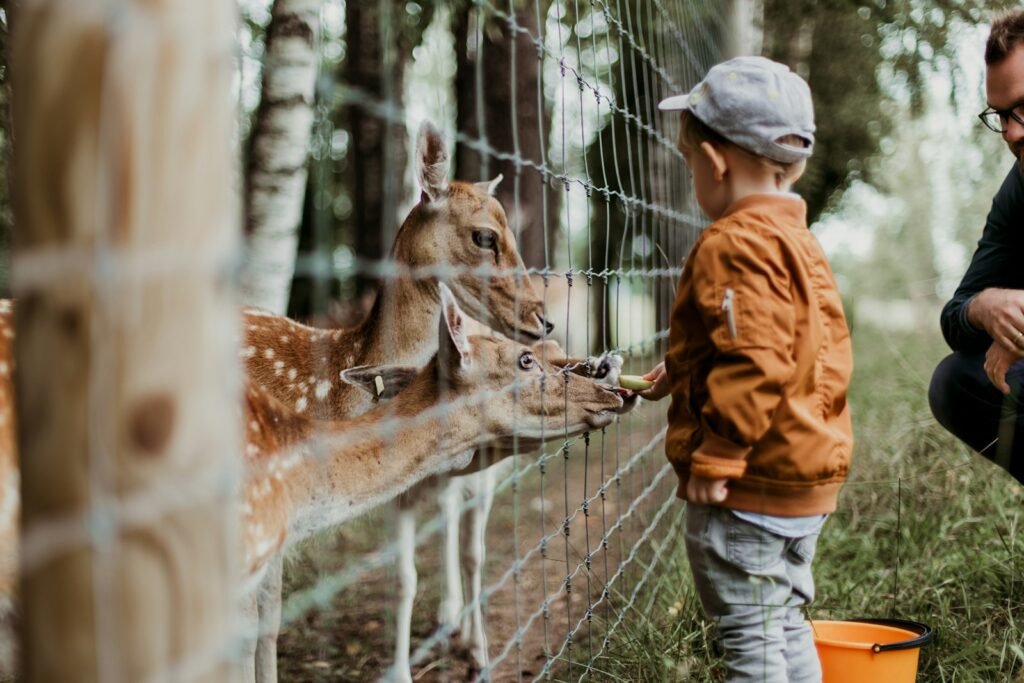
While rewilding offers many benefits, it is not without challenges. Critics argue that some reintroductions could have unforeseen consequences or that certain landscapes may not be suitable for rewilding. Additionally, there can be conflicts with agricultural interests and concerns over changes to traditional land use practices. Balancing human needs with ecological goals remains a delicate task.
Success Stories: Notable Rewilding Projects

Several notable rewilding projects in the UK serve as inspiring examples of what can be achieved. The Knepp Wildland Project in Sussex has transformed a traditional farm into a thriving mosaic of habitats, supporting a diverse range of species. Similarly, the Carrifran Wildwood project in Scotland has reestablished native woodlands, providing a habitat for countless plants and animals.
The Future of Rewilding in the UK

The future of rewilding in the UK looks promising as more stakeholders recognize its potential benefits. Government policies and funding are increasingly supportive, permitting broader and more ambitious projects. As climate change and biodiversity loss remain pressing global issues, rewilding offers a hopeful path forward, helping to restore nature and the myriad lifeforms it supports.
Conclusion: A Path Toward Ecological Resilience

Rewilding projects are transforming the British countryside, offering not only ecological benefits but also new opportunities for communities to engage with and benefit from nature. By embracing the dynamics of natural processes, these initiatives are rekindling ecological integrity, enhancing biodiversity, and promoting climate resilience. As the movement continues to grow, it holds the promise of a sustainable coexistence between humans and the natural world, forging a harmonious future for generations to come.