In recent years, Ireland has emerged as a leader in Europe’s renewable energy sector, particularly in wind energy. Amidst increasing concerns about climate change and the urgent need for sustainable solutions, Ireland’s commitment to harnessing wind power has set an inspiring standard globally. This article explores how Ireland is achieving this and the implications for its future and that of Europe as a whole.
Harnessing Wind: Ireland’s Strategic Advantage
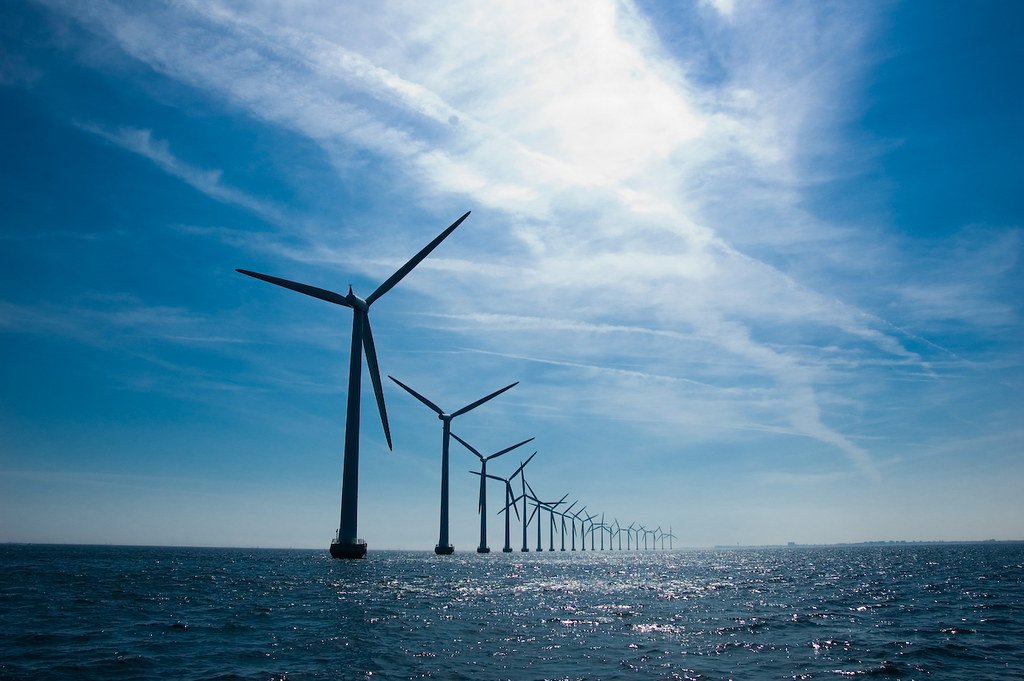
Ireland is uniquely positioned to become a leader in wind energy due to its geographical location. Situated in the North Atlantic, the country is exposed to some of the world’s most favorable wind conditions, making it an ideal spot for wind farms. This advantage has been systematically leveraged by the Irish government and private sector to advance wind energy technology and infrastructure.
Government Policies Driving Change

The Irish government has played a crucial role in fostering the wind energy sector through strategic policies and investments. Initiatives such as the Climate Action Plan target reducing carbon emissions systematically, with ambitious goals to increase the share of renewable sources in Ireland’s energy supply. The plan indicates a strong commitment to transitioning away from fossil fuels towards cleaner, sustainable energy forms.
Investment in Innovation and Technology
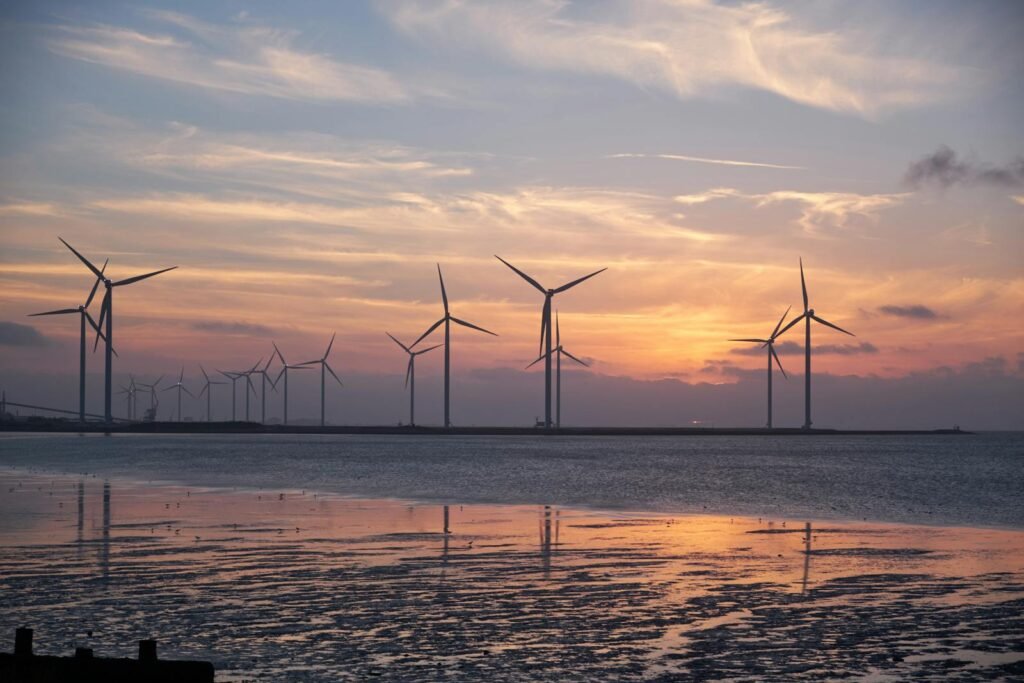
Investment in cutting-edge technology has been a key driver of Ireland’s success in wind energy. Ireland has embraced advancements in turbine technology, allowing for greater efficiency and lower costs. Collaboration between government agencies, universities, and private companies has spurred innovation, fostering a robust ecosystem that supports further development in the sector.
Public and Private Sector Collaboration

The collaboration between the public and private sectors has been pivotal in scaling wind energy projects in Ireland. Businesses are actively investing in wind farms, encouraged by government incentives and a favorable regulatory framework. This cooperation has not only enhanced energy infrastructure but has also contributed significantly to economic growth and job creation in rural areas.
Community Engagement and Support

Community acceptance and support are essential in the expansion of renewable energy initiatives. Ireland has placed significant emphasis on engaging local communities in wind energy projects, ensuring they benefit from the developments. Revenue sharing, infrastructure improvements, and job opportunities have helped garner widespread community support for wind energy projects across the country.
Environmental and Economic Benefits
Wind energy’s rapid growth in Ireland has yielded substantial environmental benefits by significantly reducing the nation’s carbon footprint. Economically, it has diversified energy sources, reducing dependence on imports and shielding the economy from fossil fuel volatility. Furthermore, it has generated numerous jobs and stimulated local economies, particularly in rural areas where many wind farms are located.
Challenges and Future Prospects

Despite its progress, Ireland faces challenges in expanding its wind energy potential. Grid capacity and the need for modernization present ongoing obstacles. However, plans to upgrade national grid infrastructure are underway, promising to alleviate these constraints and facilitate further growth. The continued focus on technology, policy frameworks, and community engagement remains vital for future expansion.
A Model for Sustainability in Europe

Ireland’s journey in wind energy serves as an inspiring model for other European nations. By prioritizing renewable energy, implementing supportive policies, and fostering innovation, Ireland has demonstrated the feasibility and benefits of a sustainable energy future. Other countries can look to Ireland’s approach as a blueprint for accelerating their own renewable energy goals.
Conclusion: Wind Powering a Greener Tomorrow

Ireland’s leadership in wind energy stands as a beacon of sustainability in Europe. Its proactive strategies in embracing renewable energy represent a commitment not only to reducing carbon emissions but also to fostering economic resilience and environmental stewardship. As Ireland continues to expand its wind energy capabilities, it not only supports its national interests but also sets a precedent for Europe and the world in paving the way to a sustainable energy future.