As global temperatures continue to rise, nations worldwide are scrambling to devise effective strategies to combat climate change. Despite being a small island city-state, Singapore is making significant strides in transforming itself into a “Green City.” Through the intelligent integration of innovative infrastructure and sustainable practices, Singapore is not only mitigating its impact on the environment but also setting a standard for cities around the world. This article explores how Singapore’s smart infrastructure is at the forefront of its climate change efforts.
A Legacy of Environmental Commitment
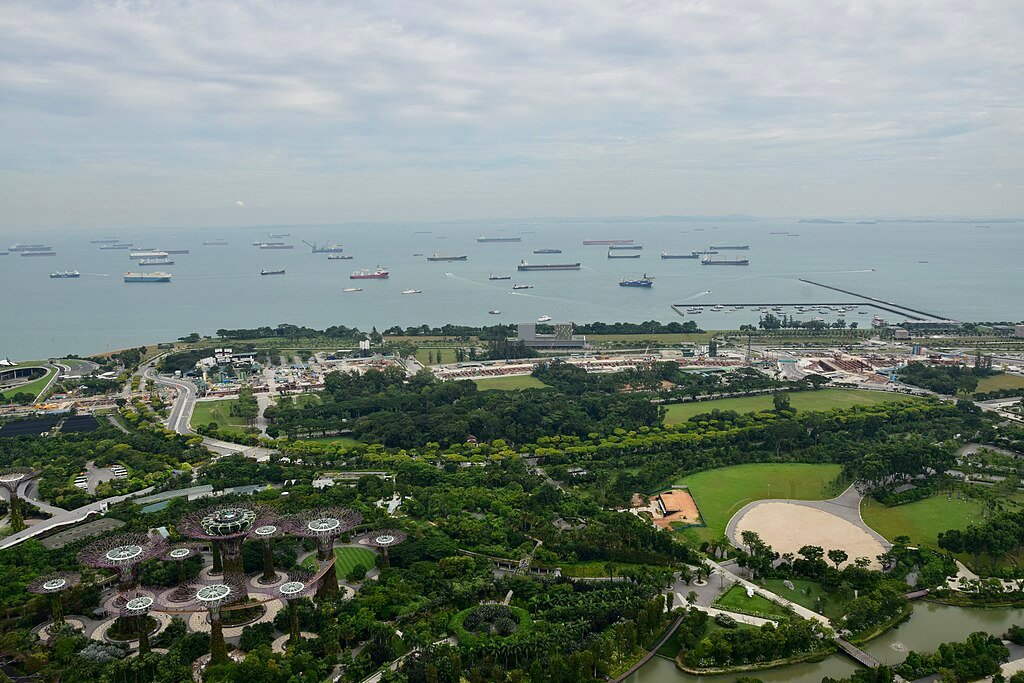
Singapore’s journey towards sustainability is deeply rooted in its history. From the early days of development, the city-state has prioritized green spaces and clean environments as part of its urban planning. The government’s commitment to maintaining lush gardens and parks has earned Singapore the nickname “City in a Garden.” This ethos has evolved into a broader commitment to sustainability and smart infrastructure.
Green Building Initiatives
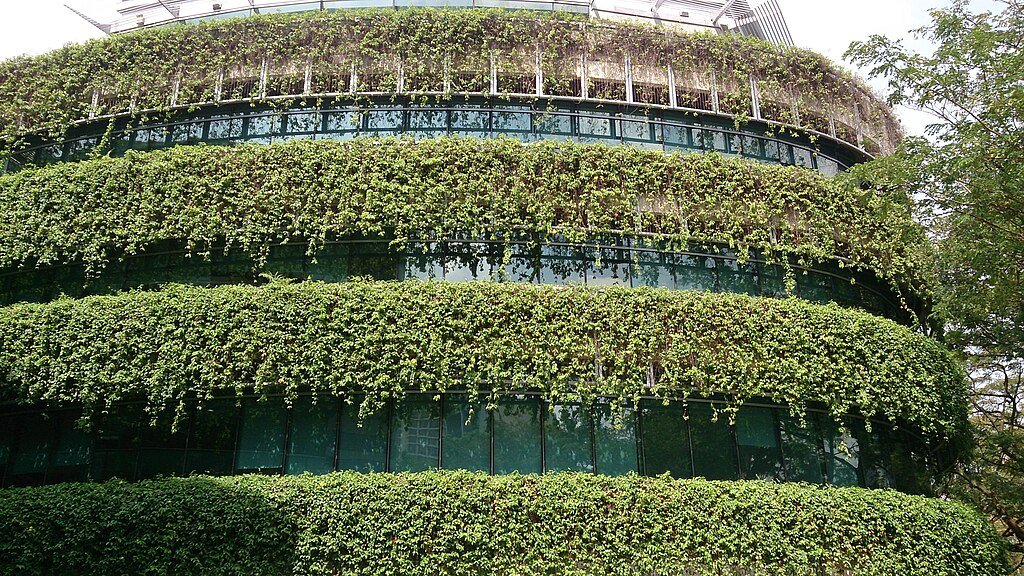
One of Singapore’s primary strategies in combating climate change is through the implementation of green building standards. The Building Construction Authority (BCA) Green Mark Scheme encourages developers to incorporate sustainable designs and construction practices. Buildings are evaluated based on their energy and water efficiency, environmental protection measures, and indoor air quality. As of now, Singapore aims to have 80% of its buildings certified by the Green Mark by 2030.
Sustainable Transport Solutions
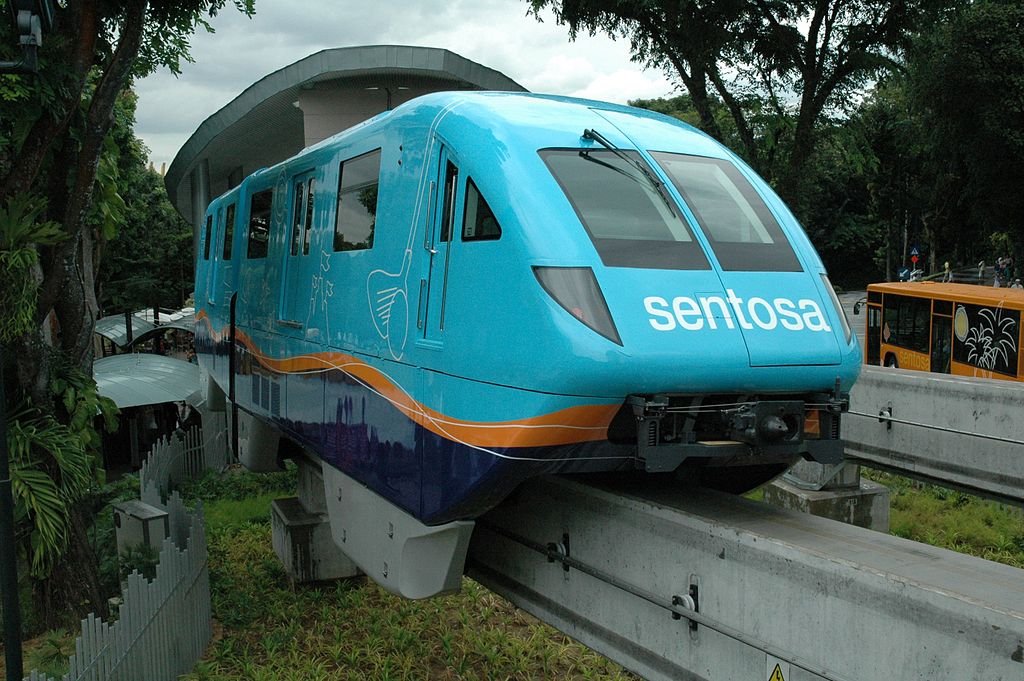
To complement its infrastructure developments, Singapore is enhancing its transportation network to be more sustainable. The city has invested heavily in public transportation, promoting the use of buses and trains to reduce carbon emissions. Electric and hybrid vehicles are incentivized through tax rebates, and extensive bike lanes and pedestrian-friendly pathways have been established to encourage walking and cycling.
Water Management Innovations
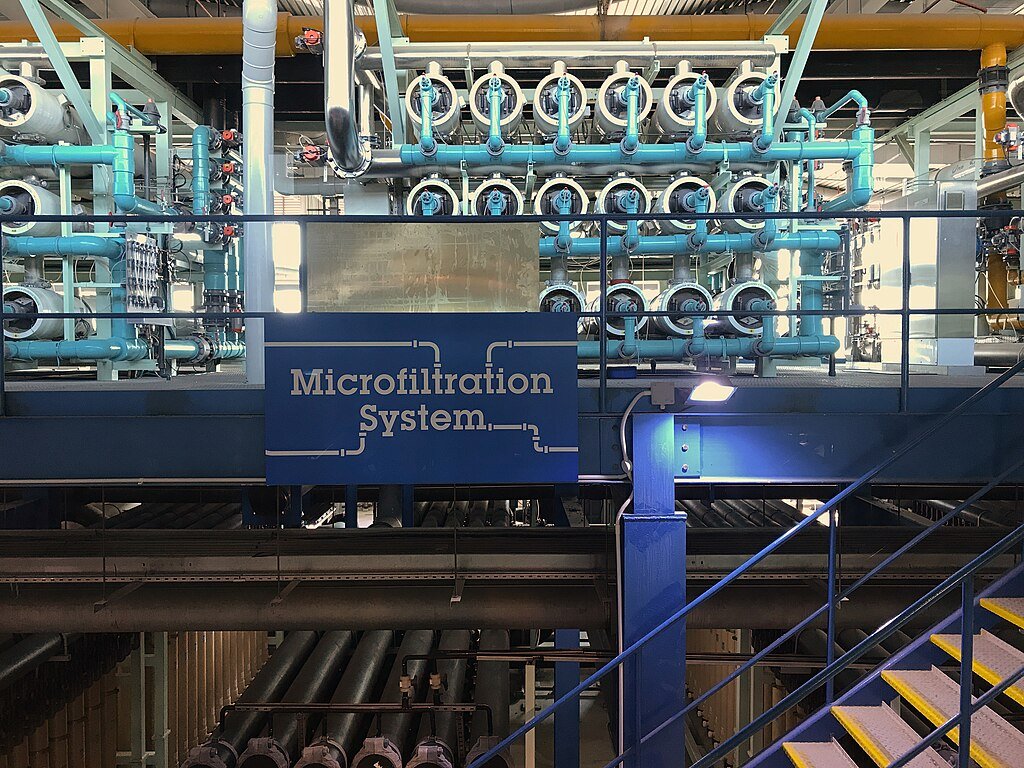
Despite being scarce in natural water resources, Singapore has devised a highly sophisticated water management system called the “Four National Taps.” This system comprises imported water, local catchment areas, desalinated water, and recycled water (known as NEWater). Through advanced technology and innovative practices, Singapore has achieved a self-sufficient water supply, reducing its dependency on natural water sources.
Harnessing Renewable Energy
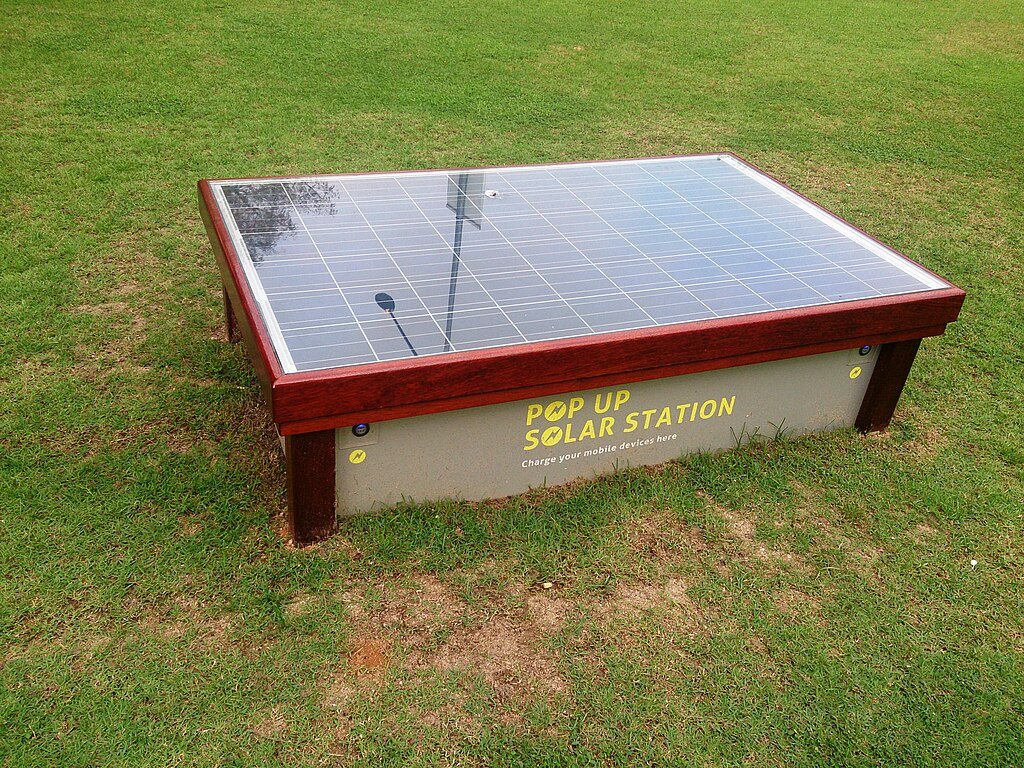
Singapore is actively exploring renewable energy sources despite its limited land area. Solar energy is at the forefront, with the government investing in solar panel installations on buildings and deploying floating solar farms on reservoirs. This move is aimed at increasing the country’s solar capacity, contributing to its target of generating 2000 MW of solar power by 2030.
Urban Farming as a Sustainable Practice
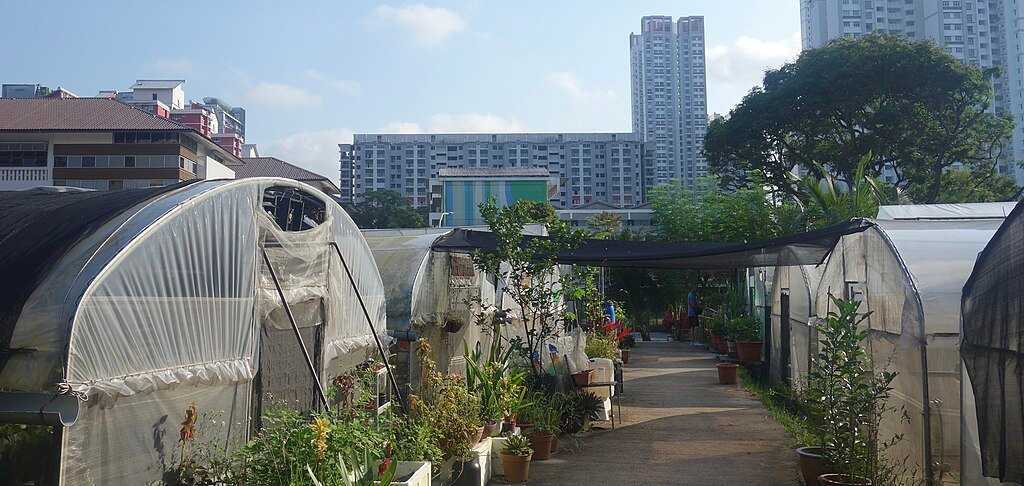
Amidst its urban landscape, Singapore is pioneering urban farming to enhance food security and reduce carbon footprints. Sky-gardens and vertical farming initiatives have been integrated into the urban architecture, supplying fresh produce directly to the urban population and minimizing transportation-related emissions.
Comprehensive Waste Management
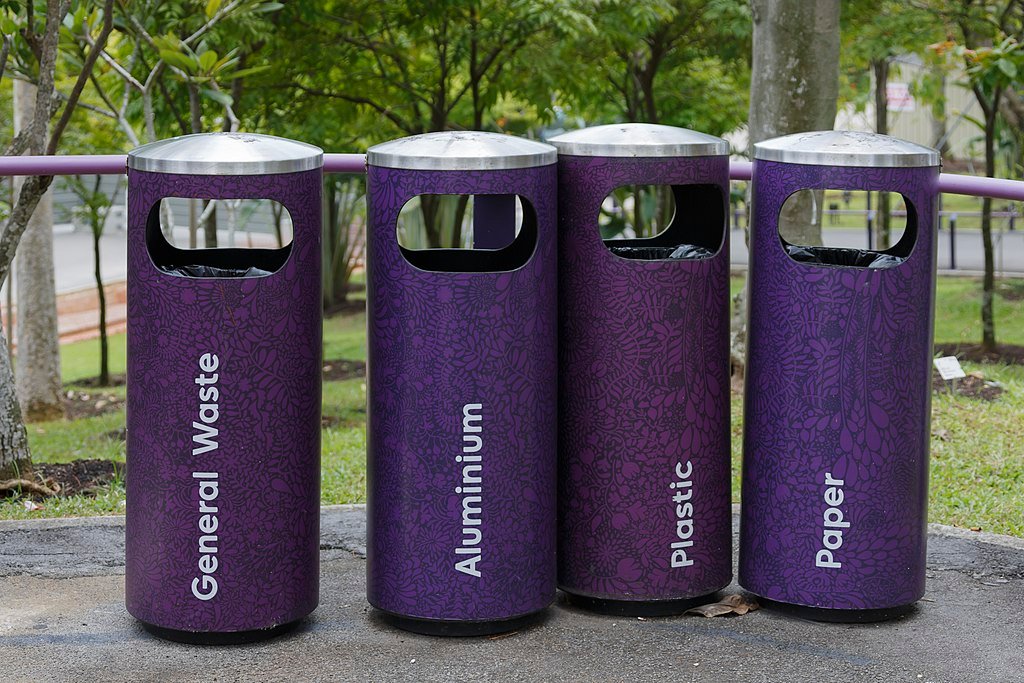
Singapore’s waste management system is designed to minimize landfill usage and promote recycling. The city’s waste-to-energy plants convert waste into electricity, significantly reducing landfill waste. Additionally, Singapore promotes a strong recycling culture among its residents, contributing to a circular economy.
Protecting Biodiversity in an Urban Setting

Singapore has made remarkable efforts to preserve biodiversity within its urban environment. From designing eco-corridors that connect natural habitats to safeguarding its marine biodiversity, Singapore is ensuring the survival of its native species while promoting environmental education and awareness.
Smart City Technologies for Better Urban Management
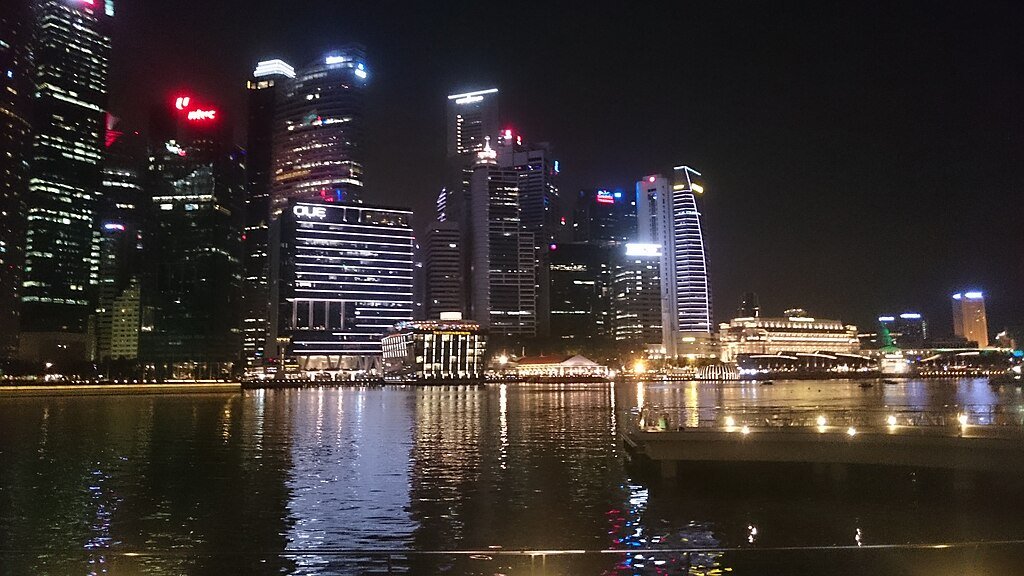
Leveraging the power of technology, Singapore has implemented various smart city solutions, such as real-time data analytics for efficient city management. Smart systems are used to monitor energy consumption, traffic flow, and environmental conditions, providing data-driven solutions for environmental challenges.
Enabling Community Engagement in Sustainability
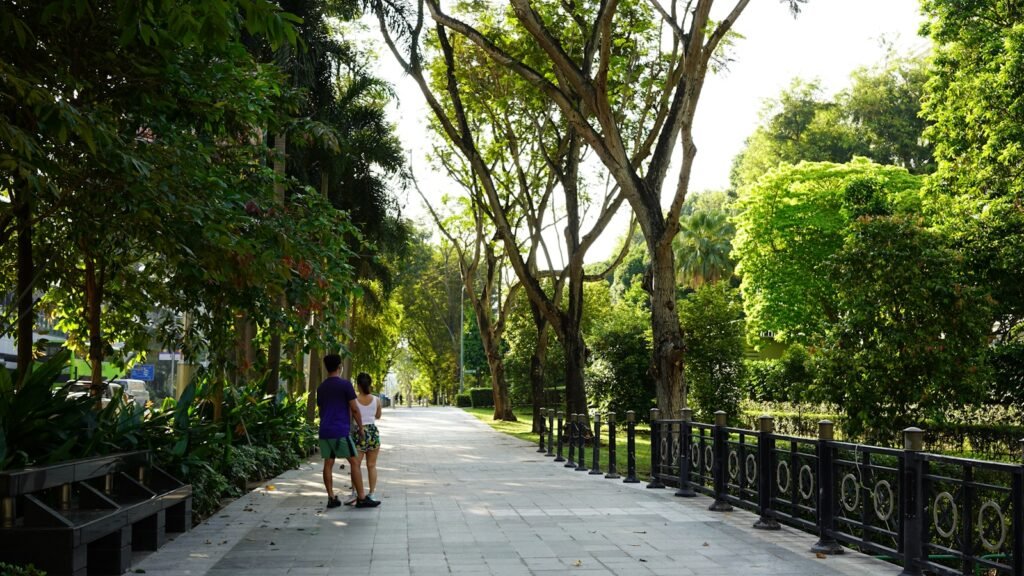
Singapore’s approach to sustainability involves active community engagement and education. Through public campaigns, workshops, and eco-friendly community events, residents are encouraged to adopt sustainable practices in their everyday lives, fostering a collective responsibility towards environmental stewardship.
Conclusion
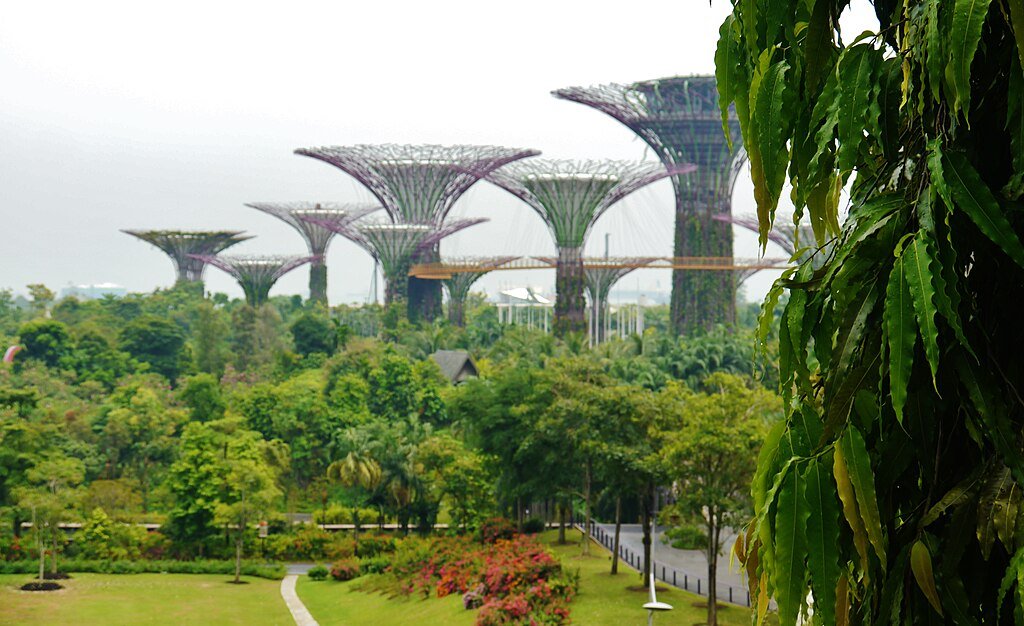
Singapore stands as a exemplary model showing how cities can embrace sustainability through smart infrastructure and innovative practices. As this green city continues to push the boundaries of urban development, it provides not only a blueprint for combating climate change but also serves as a testament to the power of ambitious visions in fostering a sustainable future.