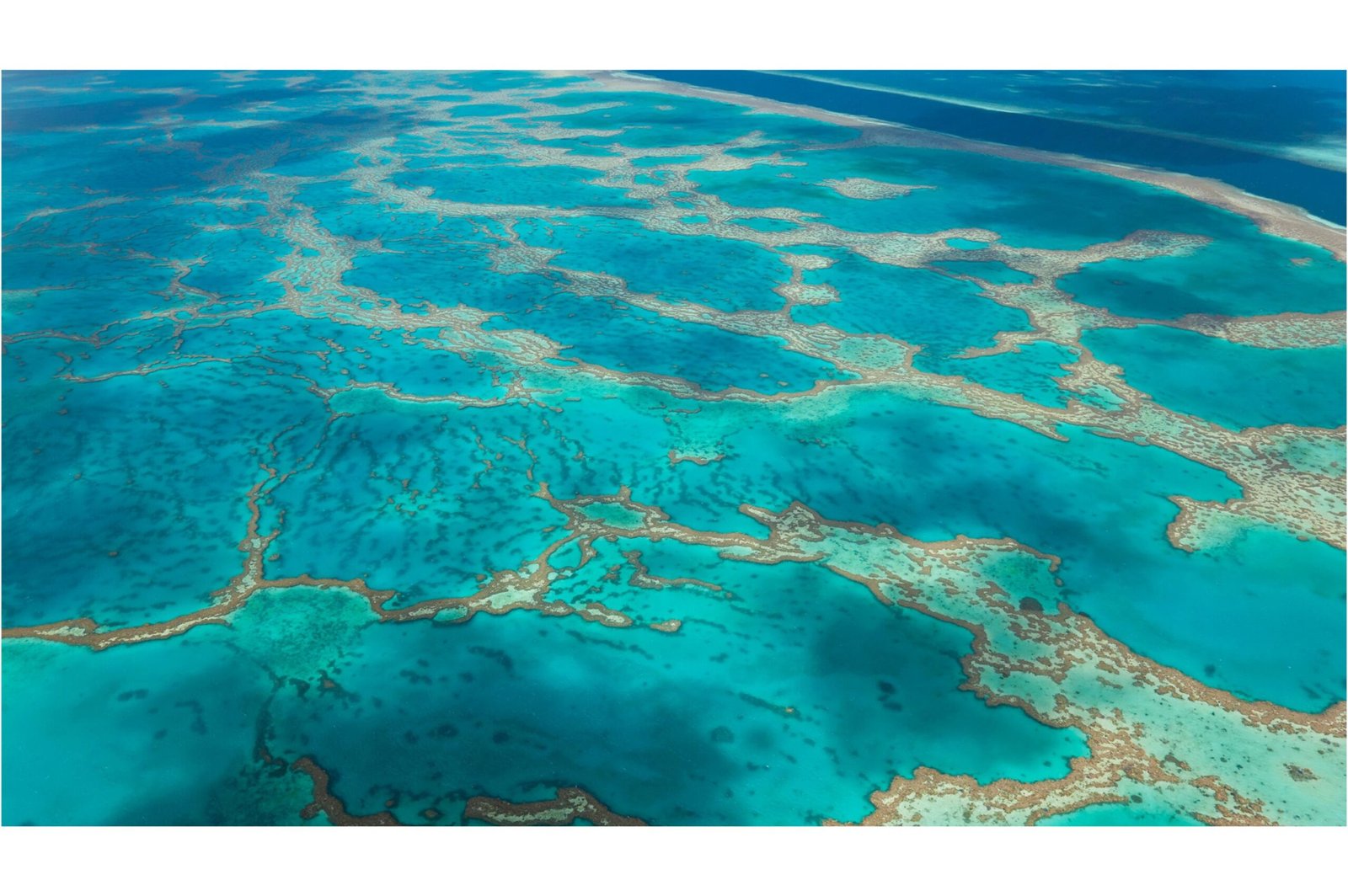
The Great Barrier Reef, a mesmerizing marine marvel stretching over 2,300 kilometers off the coast of Queensland, Australia, stands as a testament to the Earth’s beauty and biodiversity. This underwater paradise, chosen as a World Heritage site in 1981, is an intricate ecosystem teeming with diverse marine life. However, in recent decades, the Great Barrier Reef has been at the forefront of what many call an environmental crisis. This article delves into the factors contributing to the reef’s decline and explores whether Australia can save this iconic natural wonder.
The Biological Significance of the Great Barrier Reef

The Great Barrier Reef is not only the world’s largest coral reef system but also a biodiversity hotspot. Home to thousands of marine species, including 1,500 types of fish and 400 species of coral, the reef supports a complex interplay of life. Its colorful corals and vast underwater gardens provide essential habitats for marine organisms, making it a critical location for scientific study and conservation efforts.
Environmental Stressors on the Reef

The reef faces numerous environmental stressors, primarily stemming from climate change. Rising sea temperatures trigger mass coral bleaching events, which have increased in frequency and severity. These events cause corals to expel symbiotic algae, leading to a loss of color and, if prolonged, coral death. Additionally, ocean acidification, resulting from increased CO2 levels, hampers coral growth and resilience.
Anthropogenic Impacts

Human activities compound the reef’s plight. Coastal development, pollution, and overfishing are significant threats to the reef’s ecosystem. Runoff from agriculture introduces pollutants like pesticides and fertilizers into the ocean, fostering conditions that lead to outbreaks of the crown-of-thorns starfish, a venomous predator that devastates coral populations.
Conservation Efforts and Strategies

In response to the growing crisis, Australia has implemented several conservation strategies. These efforts include the establishment of protected marine parks, restrictions on fishing practices, and investments in cutting-edge research to develop coral genetic restoration techniques. The government also focuses on reducing terrestrial runoff to improve water quality around the reef.
Innovative Restoration and Resilience Building

Researchers are exploring innovative methods to enhance the reef’s resilience. Projects such as large-scale coral farming and selective breeding of heat-resistant coral species hold promise. Scientists are also utilizing artificial intelligence and technology to monitor reef health and model future scenarios.
The Role of Global Climate Policy

While local actions are crucial, the fate of the Great Barrier Reef is tied to global climate policy. International efforts to reduce greenhouse gas emissions are vital for mitigating climate change impacts. The 2015 Paris Agreement highlighted the importance of limiting global temperatures to safeguard ecosystems like the Great Barrier Reef.
The Economic Importance of the Reef
The Great Barrier Reef is a vital contributor to Australia’s economy, generating billions in tourism revenue and supporting thousands of jobs. It draws millions of visitors annually, eager to experience its breathtaking beauty. Thus, its preservation is not just an environmental imperative but an economic necessity.
Indigenous Involvement in Conservation

Indigenous communities have long had a deep connection with the Great Barrier Reef. Recognizing their traditional knowledge, these communities are increasingly involved in conservation efforts, contributing valuable insights into sustainable practices and reef care.
Educational and Awareness Campaigns

Raising public awareness about the reef’s plight is crucial for its protection. Educational campaigns aimed at schools, communities, and tourists emphasize the importance of the reef and encourage behavioral changes to reduce human impact.
Challenges of Coral Bleaching Events

Coral bleaching poses one of the most immediate threats to the reef. The frequency of these events has increased dramatically since the late 20th century, leaving large swathes of the reef devastated. Understanding and mitigating these events is a priority for scientists worldwide.
Long-term Outlook and Research Directions

Despite significant challenges, ongoing research offers hope. Scientists continue to study the resilience mechanisms of coral species, artificial reefs, and the ecological impacts of restoration projects to inform better future conservation strategies.
Community Involvement and Volunteering

Community engagement is pivotal in reef conservation. Volunteer programs allow individuals to participate in reef monitoring and restoration activities, fostering a collective stewardship mentality for the reef’s future.
Conclusion

The Great Barrier Reef is a precious global asset, yet it faces unprecedented challenges that threaten its existence. While Australia’s conservation efforts are commendable, the burden also falls on international policy and community action. The path to saving the Great Barrier Reef is fraught with challenges, but through innovation, collaboration, and commitment to sustainability, there remains hope that future generations will continue to be enchanted by this natural wonder. The fate of the reef is not just an Australian concern—it’s a global responsibility.