Smog is one of the most pressing environmental challenges faced by cities worldwide, with significant impacts on public health and the environment. However, many of the world’s most polluted cities are implementing innovative strategies to reduce air pollution and improve their air quality. This article explores how these cities are combating smog through various initiatives and pioneering efforts to safeguard their citizens’ health and the planet’s future.
Understanding the Roots of Urban Smog
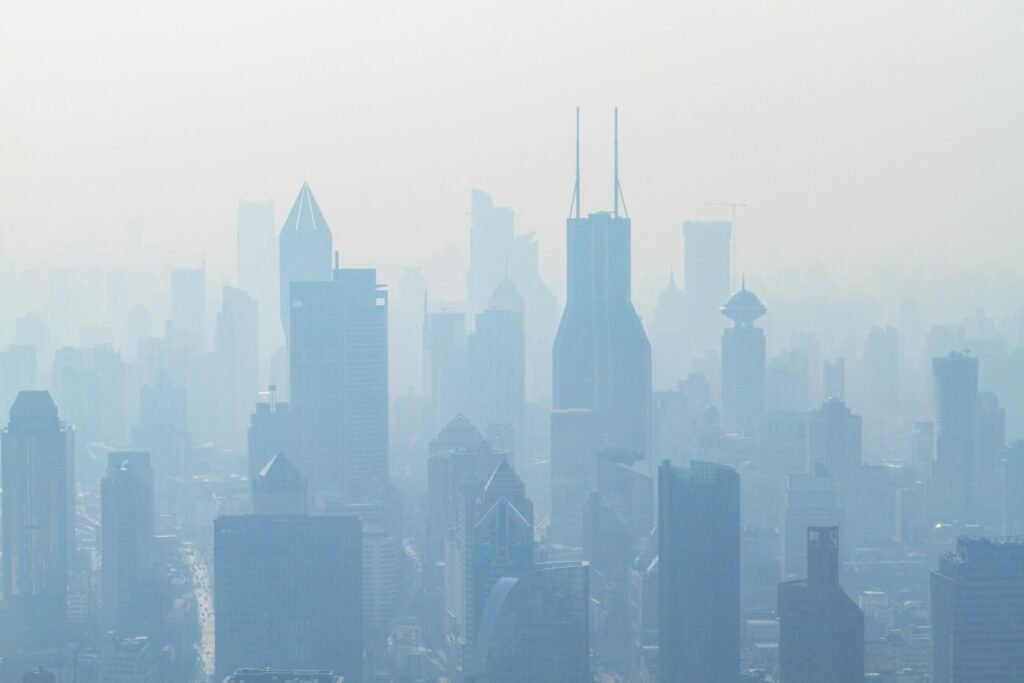
Urban smog primarily arises from industrial emissions, vehicle exhaust, and the burning of fossil fuels. It is a dense layer of polluted air that significantly reduces visibility and poses serious health risks, particularly respiratory illnesses. Cities with large populations and high levels of industrial activity are often the most affected, requiring immediate and effective solutions to combat air pollution.
Delhi’s Comprehensive Action Plan
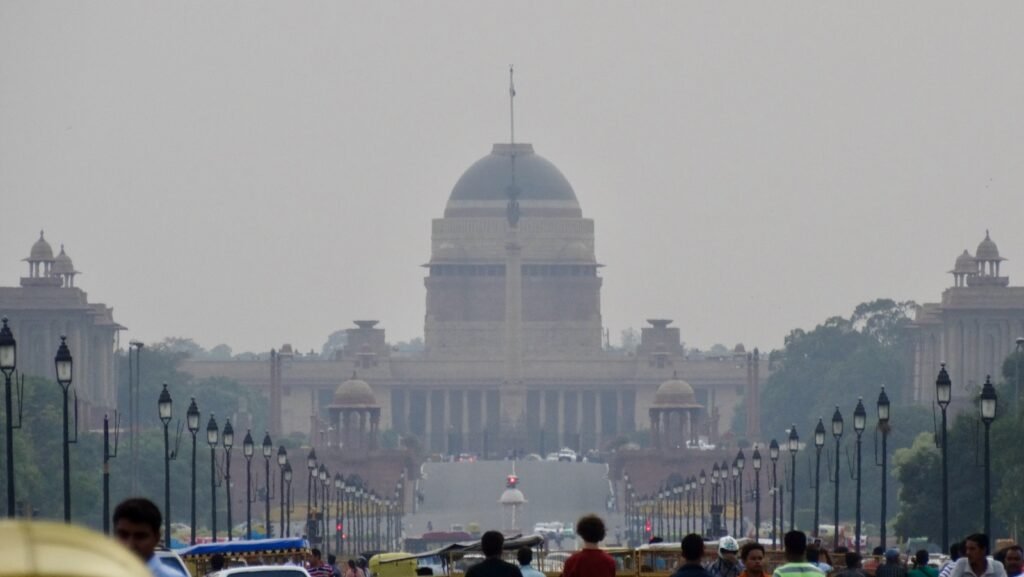
Delhi, India, frequently tops the list of the world’s most polluted cities. In response, the local government has implemented the Graded Response Action Plan, a multi-faceted approach designed to reduce pollution levels. Measures include restrictions on the use of diesel generators, enforcement of construction site regulations, and the implementation of odd-even vehicle policies during high pollution days. The city is also expanding its green cover and promoting public transportation to further decrease vehicular emissions.
Beijing’s Transition to Clean Energy
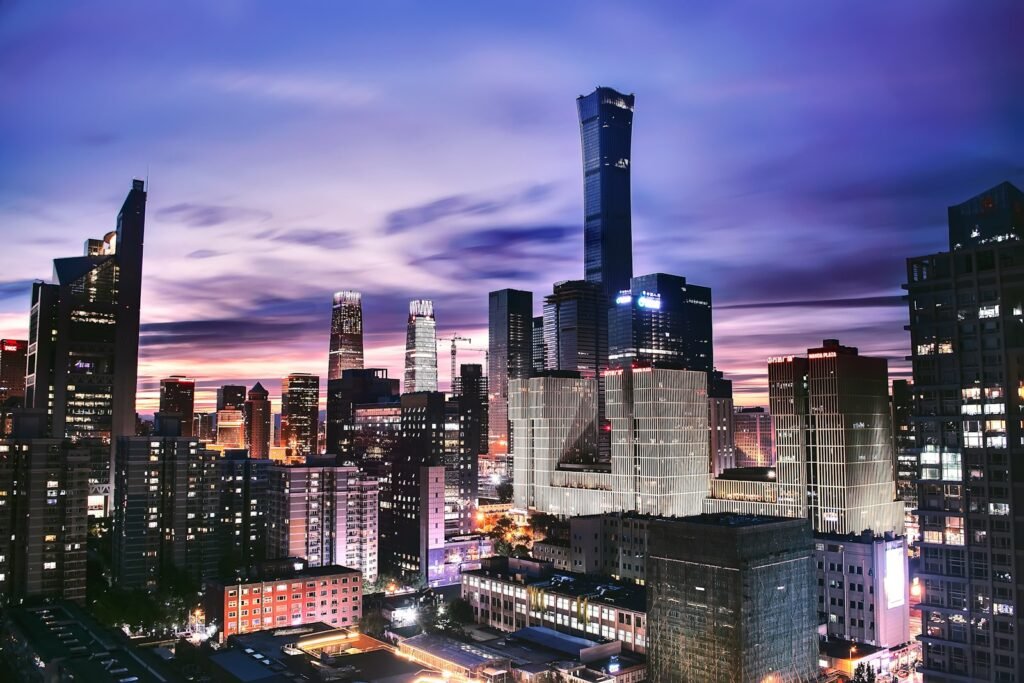
Beijing has long struggled with severe air pollution due to its rapid industrial growth. To tackle this, the city has embarked on an ambitious transition towards clean energy. The government has instituted stringent emissions standards for industries, shifted from coal to natural gas for heating, and is heavily investing in renewable energy sources like wind and solar. These efforts have resulted in noticeable reductions in smog and have set a precedent for other cities facing similar challenges.
México City’s Green Transport Revolution

The capital of Mexico has introduced several initiatives aimed at reducing vehicle emissions, a major contributor to its smog problem. The city has expanded its bike-sharing programs, developed electric bus networks, and enforced stricter emissions standards for private vehicles. Public awareness campaigns encourage citizens to adopt eco-friendly transportation alternatives, bolstering the city’s fight against air pollution.
Lagos’ Waste Management Reforms
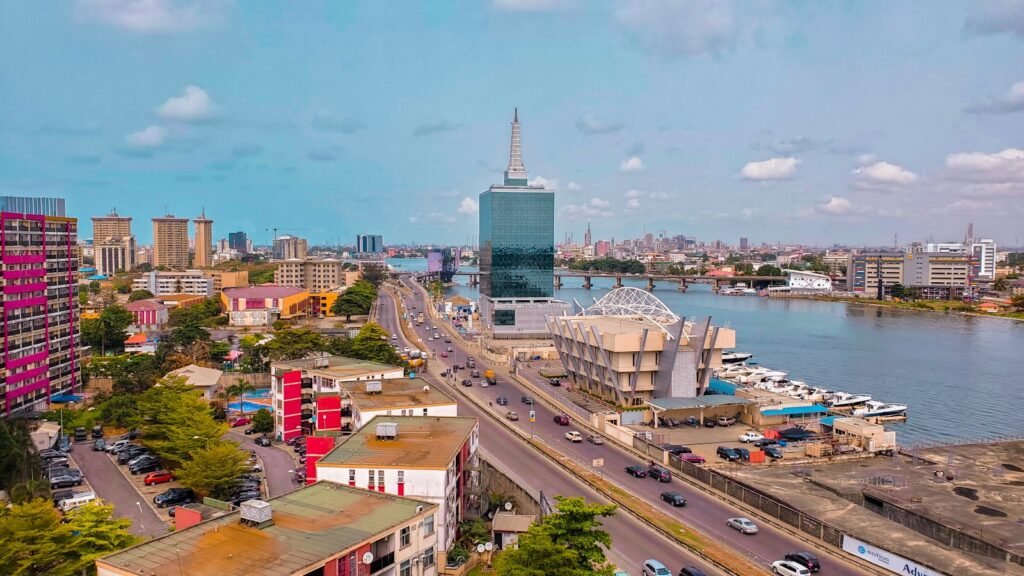
Lagos, Nigeria, is addressing its smog issue through waste management reforms. The city has implemented programs to reduce the open burning of waste—a significant source of pollution—and is promoting recycling and sustainable waste disposal practices. These efforts aim to not only improve air quality but also foster a cleaner urban environment for its residents.
Jakarta’s Anti-Smoking and Industrial Regulations

Jakarta’s government has imposed strict regulations on industries and set limits on local plastic and biomass burning. With initiatives to curb illegal sand mining and advocate for anti-smoking campaigns, the city tackles multiple pollution sources concurrently. Citizens are also encouraged to participate in tree planting drives, contributing to a greener metropolitan landscape.
Lahore’s Strategic Urban Planning
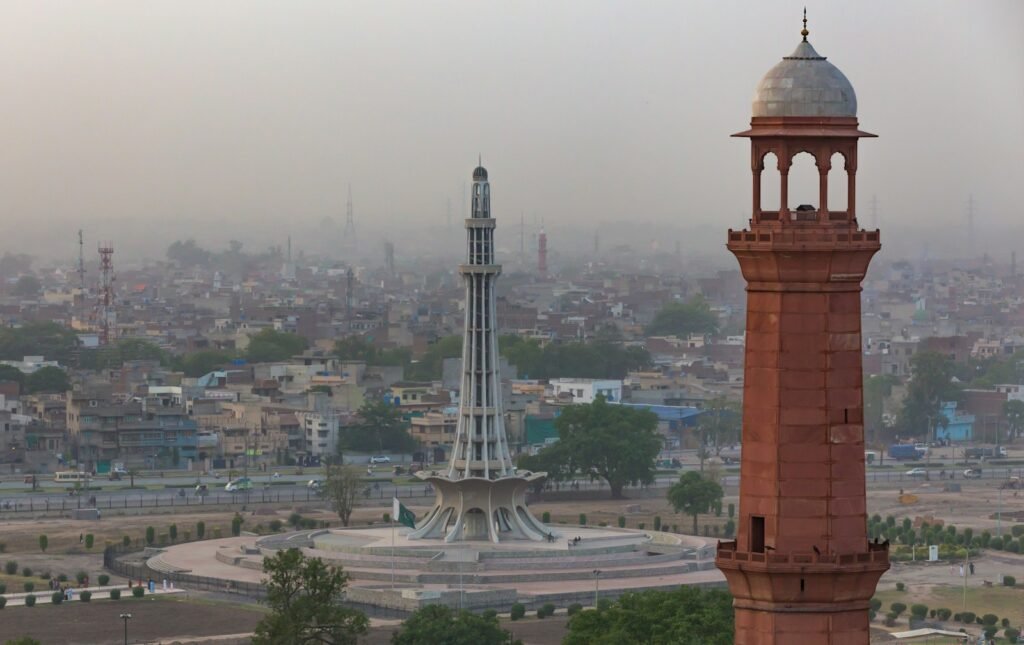
Lahore, Pakistan, has been investing in urban tree-planting initiatives and expanding green spaces to buffer against pollution. Strategic urban planning focuses on environmental considerations, integrating nature into the cityscape. The government is also working on upgrading public transport systems to reduce the number of private vehicles on the road.
Bangkok’s Network of Air Quality Monitoring

Bangkok is enhancing its air quality monitoring network to provide timely data on pollution levels. This data is crucial in formulating actionable strategies for minimizing smog. The city actively promotes public awareness about pollution levels, encouraging citizens to take precautionary measures and engage in activities that help reduce emissions.
Cairo’s Industrial Emission Reductions
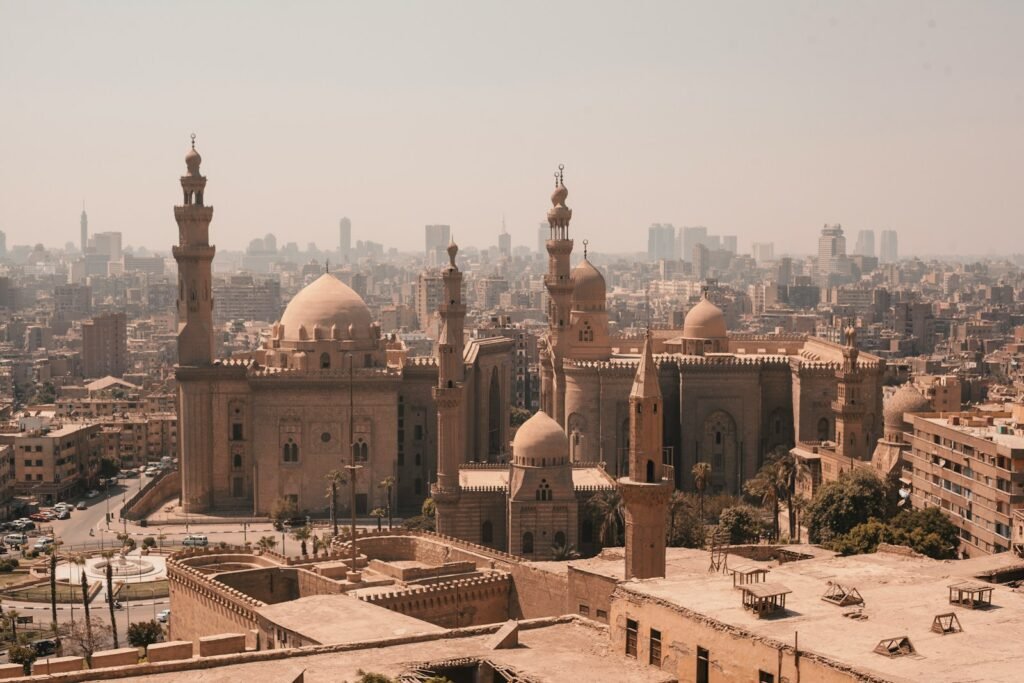
Cairo has focused its efforts on controlling industrial emissions through strict regulation and enforcement. The city is working with industries to upgrade technologies for cleaner processes and promotes the use of natural gas instead of heavier fossil fuels. By modernizing industrial practices, Cairo seeks to achieve significant reductions in air pollution.
Ulaanbaatar’s Heating System Innovations

In Ulaanbaatar, Mongolia, coal-burning stoves used widely for heating in winter months contribute heavily to the city’s smog problem. Recent initiatives focus on replacing these stoves with electric heating alternatives powered by cleaner energy sources. The government is also implementing air quality education programs to involve residents in pollution reduction efforts.
Conclusion: A Global Call to Action

The fight against smog in the world’s most polluted cities is a testament to human ingenuity and resilience. While these cities still face significant challenges, the success of their efforts demonstrates the potential for meaningful change. By continuing to invest in sustainable technologies, enforce strict regulations, and foster public engagement, these urban centers can lead the way in building a cleaner, healthier future. Other cities can learn from their strategies and innovations, joining the global endeavor to combat air pollution and protect the planet for future generations.