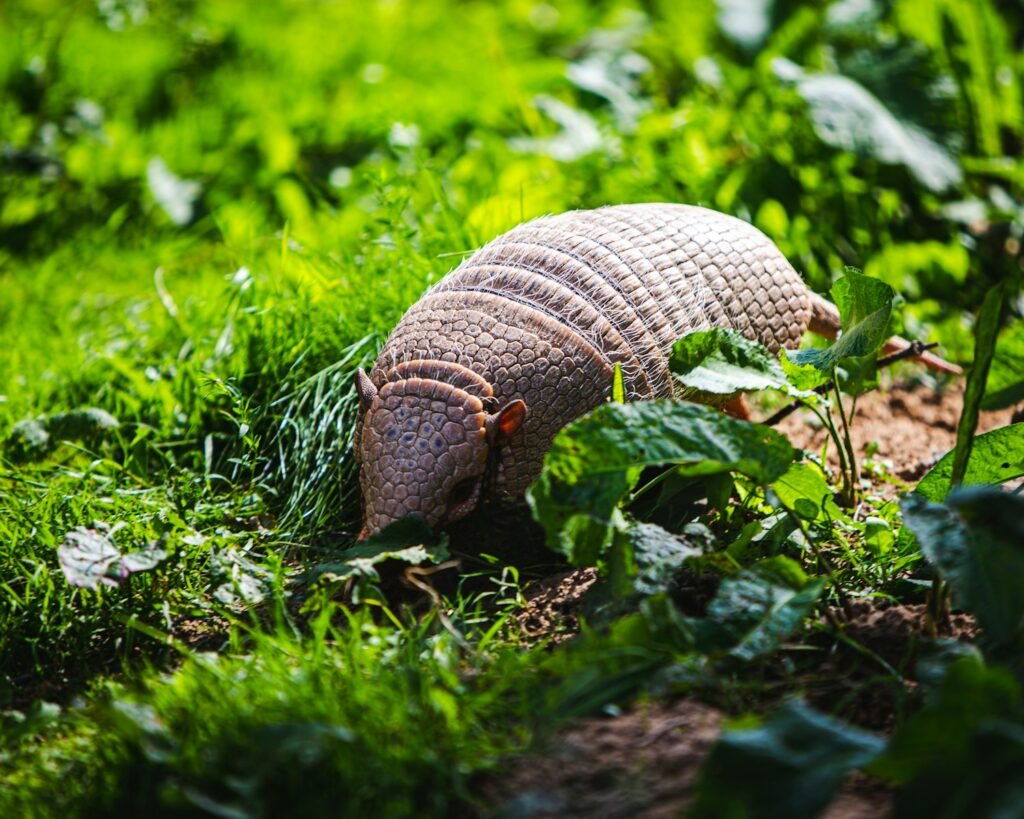

The mysterious world of nocturnal animals unfurls its hidden wonders with the setting sun. As twilight descends, a bustling world awakens, unseen by most of us. These creatures of the night have adapted perfectly to thrive in the darkness, exhibiting remarkable behaviors that often eclipse those of their daylight counterparts. From specialized senses to intriguing social structures, nocturnal animals provide a unique glimpse into the marvels of nature. Join us as we delve into the enigmatic lives of these night dwellers and discover what happens when the sun goes down.
Evolutionary Adaptations to the Dark

Nocturnal animals have evolved over millions of years to master the art of living in darkness. Many have developed heightened senses such as superior hearing, keen sense of smell, or exceptional night vision. Owls, for example, possess eyes specially adapted to low light conditions, increased eye size proportional to their skull, and a reflective layer behind the retina that amplifies incoming light. These adaptations allow them to hunt with precision even on the darkest nights.
The Role of Nocturnal Animals in Ecosystems
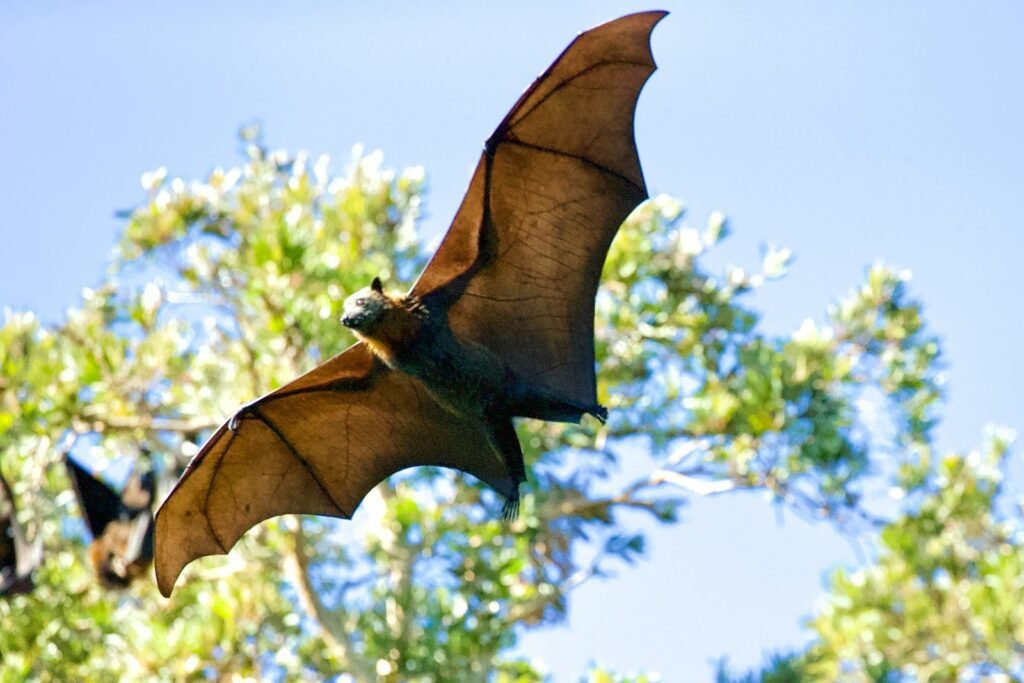
Nocturnal creatures play a critical role in the balance of ecosystems worldwide. Bats, for instance, are vital for pollination and seed dispersal in many environments. They help control insect populations by consuming vast quantities of pests each night, contributing to agricultural health and stability. Night-active predators like owls and foxes maintain the delicate balance between predator and prey, ensuring population controls that benefit biodiversity.
Unique Social Structures and Behaviors
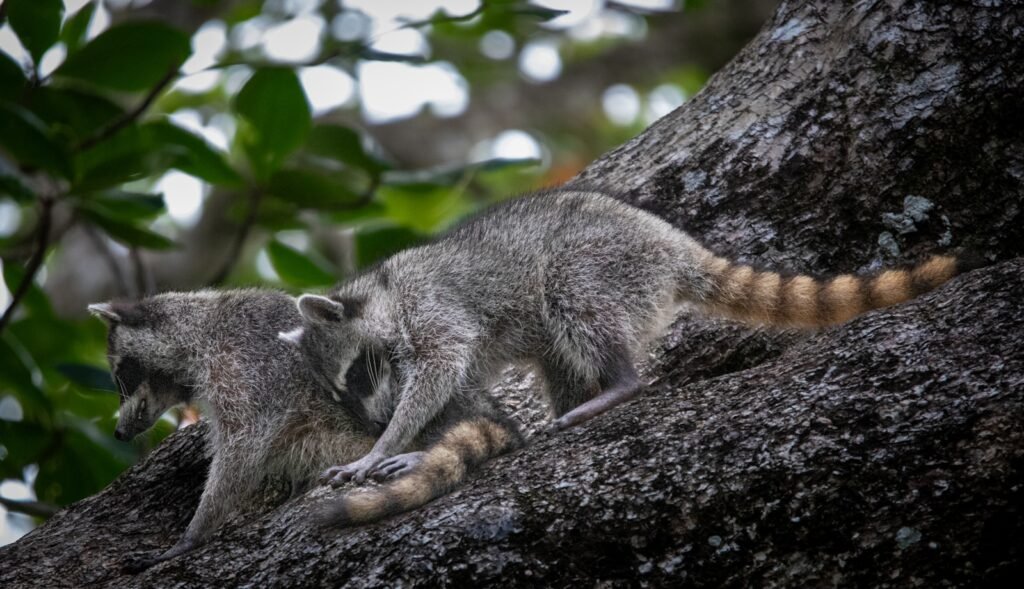
Quite a few nocturnal animals exhibit complex social structures. For example, some species of bats demonstrate remarkable levels of social intelligence characterized by strong communal bonds and cooperative behaviors. Many animals, such as raccoons and possums, communicate through vocalizations, scents, and body language, maintaining sophisticated relationships that can include shared foraging and family rearing.
Navigating the Night: Echolocation and Beyond

Bats, among the most well-known nocturnal animals, have mastered the art of echolocation. By emitting sound waves and interpreting the returning echoes, they can navigate through pitch-black environments with stunning accuracy. Other species rely on sensitive whiskers or an acute sense of smell to explore their surroundings under the cover of darkness.
The Mystique of Nocturnal Predation
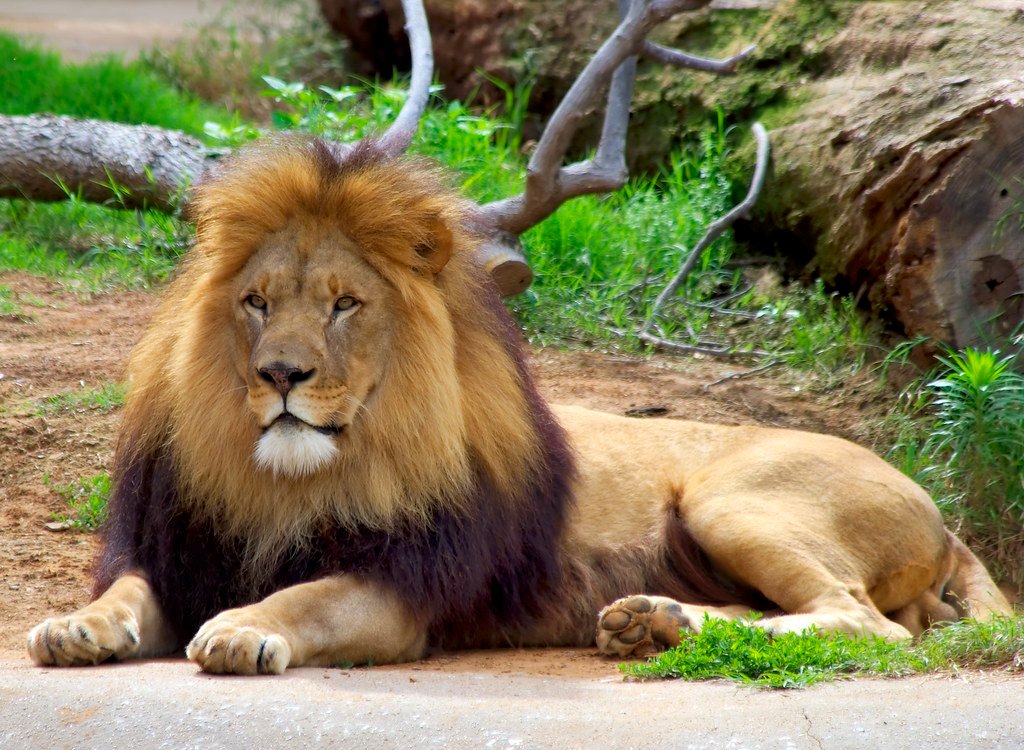
Nighttime predators, from the stealthy big cats of the African savanna to the wily canids prowling suburban backyards, have adapted to take advantage of their nocturnal habitats. Their hunting strategies often rely on silent movement and the element of surprise, enabled by their specialized physical adaptations like padded feet or silent flight feathers. These animals exploit the night to outmaneuver less adapted prey, securing their next meal through a blend of patience and prowess.
Myths and Legends: Night Creatures in Human Culture

Nocturnal animals have long been the subject of superstition and mythology. From the wise owl to the ominous presence of the wolf, these creatures inspire both wonder and fear in human culture. Their secretive habits have led to a plethora of stories and beliefs, often shaping human perceptions and cultural narratives about the night and its denizens.
Conservation Challenges for Night-Dwellers
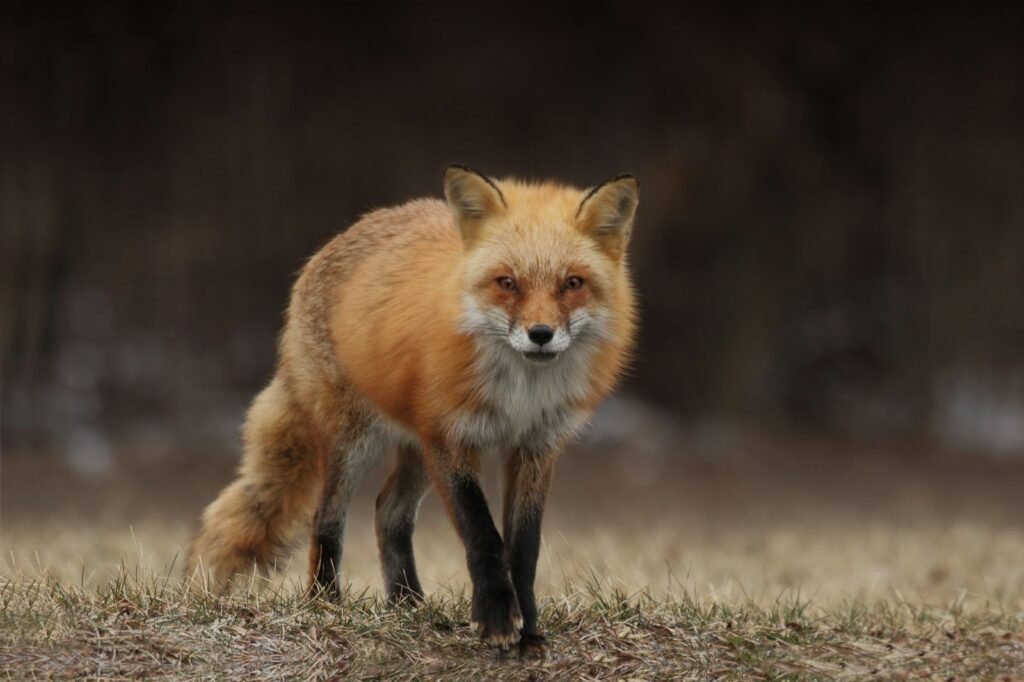
Nocturnal animals face unique conservation challenges, primarily due to human encroachment and light pollution. The increasing use of artificial lighting disrupts their natural patterns, impacting behaviors such as foraging, mating, and navigation. Conservation efforts aim to mitigate these effects by promoting dark sky initiatives and preserving critical habitats, ensuring that these unique creatures can continue to thrive in their nocturnal realm.
Coexistence with Human Habitats
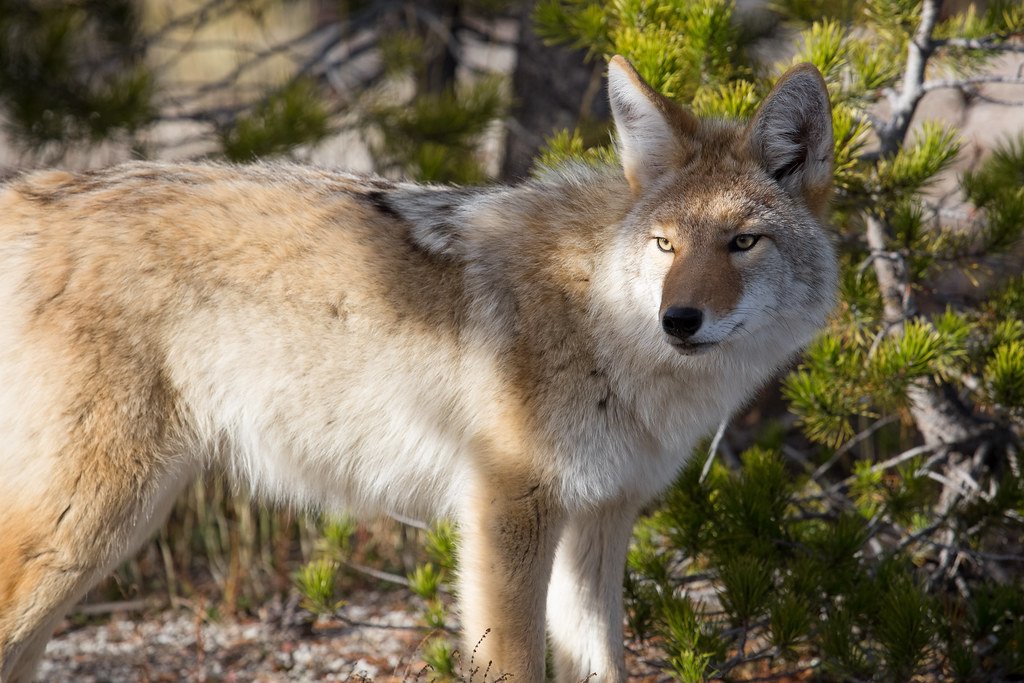
Many nocturnal animals have adapted to living alongside human environments, often driven by the availability of food and shelter. Urban raccoons, coyotes, and possums have become adept at navigating city landscapes, while some birds like the barn owl are frequently seen gracing rural areas. Despite occasional conflicts, many of these animals have become an accepted and integral part of urban ecosystems.
Nocturnal Insects: A World Beneath Our Feet
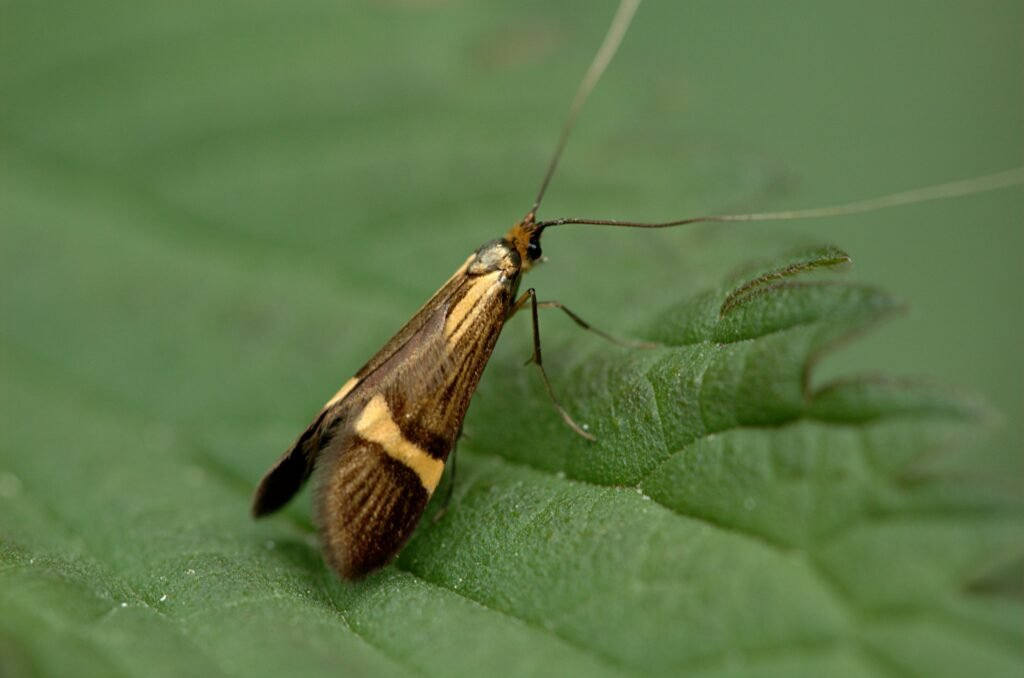
The night sky isn’t the only domain of nocturnal creatures; the ground teams with active insects like crickets and moths. These insects fulfill crucial ecological roles including pollination and serving as prey for larger animals. Moths, for example, are as important as bees in pollinating night-blooming plants, ensuring the perpetuation of various plant species.
A Glimpse into the Secret World of Night Singing
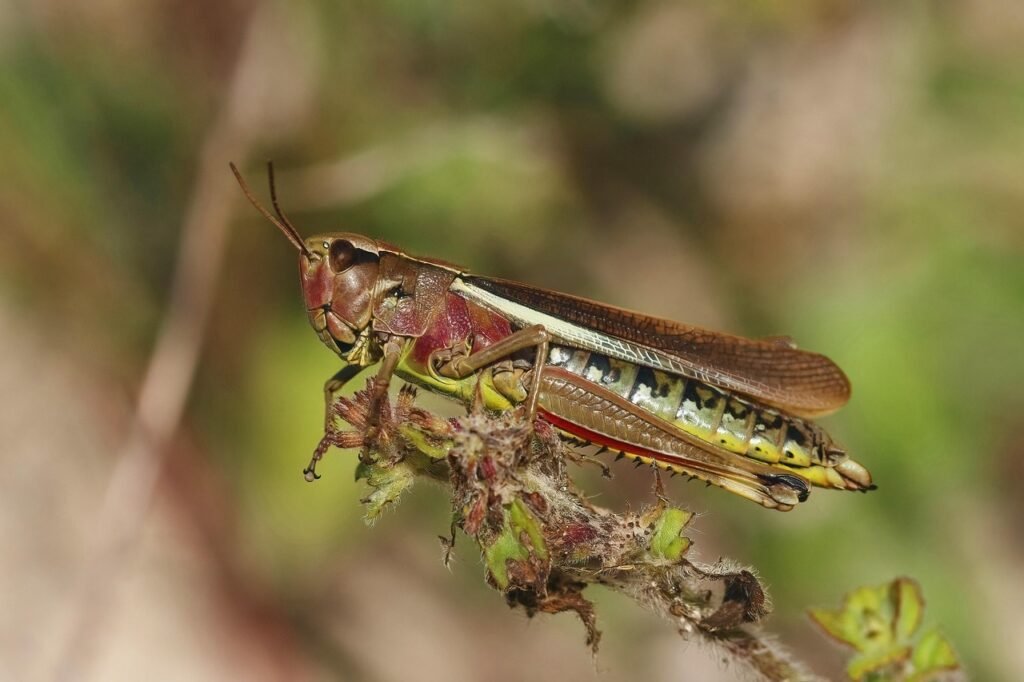
The night can be filled with a symphony of sounds produced by nocturnal animals. From the melodious call of the nightingale to the rhythmic stridulation of crickets, these sounds serve as communication, mating calls, or territorial warnings. The night appears far from silent, as these varied vocalizations create a stunning auditory tapestry that evokes both serenity and intrigue.
Conclusion

As the sun dips below the horizon, a vibrant and complex nocturnal world awakens, filled with fascinating creatures that have mastered the art of living in darkness. Through remarkable adaptations and critical ecological roles, nocturnal animals not only contribute to biodiversity but also offer us a new perspective on the world around us. Their secret lives remind us of nature’s infinite capacity for wonder and the intricate interconnections that sustain all life. By appreciating and protecting these remarkable night dwellers, we ensure that the tapestry of life continues to flourish, illuminated by the light of the moon.