For decades, thrift stores were viewed primarily as treasure troves for frugal shoppers and those with eclectic tastes. Today, secondhand fashion is stepping into the mainstream spotlight as more people embrace sustainability, affordability, and unique style. Environmental concerns and digital innovations are shifting consumer attitudes, paving the way for secondhand fashion to revolutionize how we shop. Let’s explore why thrifting is not just a trend but a future-forward movement in fashion.
Environmental Impact

Fashion is one of the world’s most polluting industries, contributing significantly to water usage, carbon emissions, and textile waste. Thrifting offers a sustainable alternative by extending the life cycle of garments, reducing the demand for new production, and minimizing environmental impact. The increasing awareness of the ecological footprint of fast fashion has driven consumers to search for more sustainable options, with secondhand clothing leading the charge.
Affordable Fashion
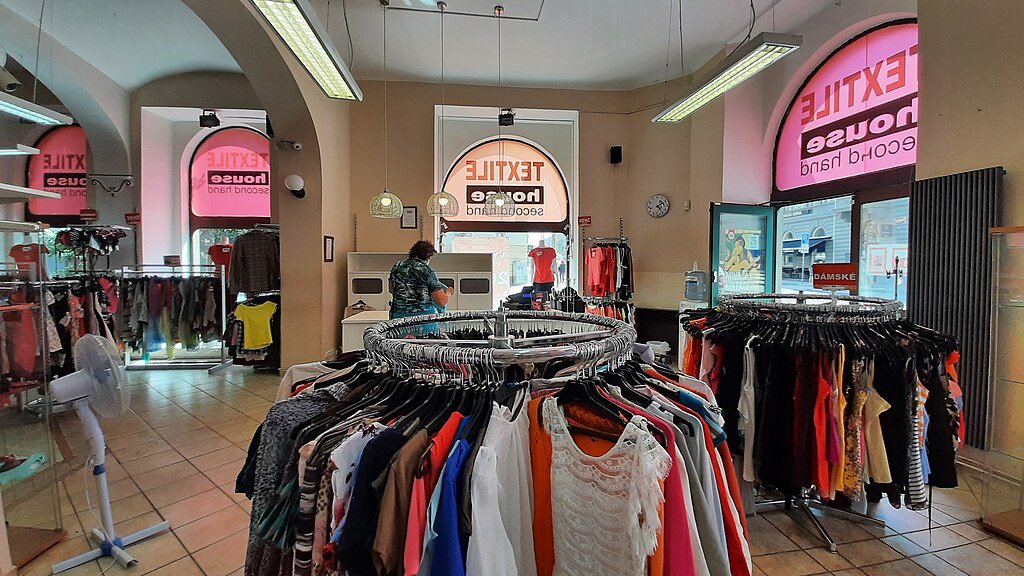
The cost of living has soared, leaving many individuals searching for affordable fashion options without compromising style. Thrift stores and online secondhand platforms provide access to high-quality used clothing at a fraction of the price of new items. With the economic uncertainties of recent years, affordability has become a more significant factor in purchasing decisions, making thrifting a practical choice for budget-conscious consumers.
Unique Style

Secondhand shopping offers a treasure hunt experience, allowing consumers to find unique and vintage items not available in mainstream retail stores. This appeal to individuality and personal expression resonates especially with younger generations, like Gen Z and Millennials, who value originality and are less inclined to follow cookie-cutter fashion norms. Thrifting allows people to create distinct looks that stand out, feeding the desire for unique, personalized fashion identities.
Digital Transformation

The rise of digital platforms has revolutionized thrifting. Online secondhand marketplaces like ThredUp, Depop, and Poshmark have made it easier than ever to buy and sell gently used fashion pieces. These digital transformations have expanded the reach of thrifting from local shops to global audiences, providing convenience and a vast selection. The integration of technology has effectively dismantled geographical barriers, making secondhand fashion accessible to anyone with internet access.
Influence of Social Media

Social media has played a pivotal role in popularizing secondhand fashion. Influencers and celebrities showcasing their thrifted finds have helped to normalize, and even glamorize, the idea of wearing pre-owned clothes. Platforms like Instagram and TikTok are filled with thrift hauls, styling tips, and upcycling tutorials, further embedding secondhand shopping into mainstream culture. These platforms have helped shift perceptions, making secondhand chic and desirable.
Corporate Involvement

Recognizing the shift in consumer preferences, many fashion retailers are embracing secondhand models within their business strategies. Brands like Levi’s and Patagonia have launched buy-back programs and resold worn items, while others partner with resale platforms. This corporate involvement not only legitimizes secondhand fashion but also introduces a hybrid model wherein new and used goods coexist, broadening the appeal of secondhand shopping.
Thrifting and Minimalism

The minimalist lifestyle, which advocates for intentional living with fewer possessions, aligns seamlessly with the ethos of thrifting. By choosing high-quality, long-lasting pieces and adopting a “less is more” attitude, consumers find a comfortable middle ground between conscious consumerism and personal style. Thrifting supports this movement by emphasizing the quality and longevity of items over quantity and immediate trends.
Circular Economy

Thrifting is a fundamental component of the circular economy, which aims to keep resources in use for as long as possible. By extending the lifecycle of clothing, secondhand fashion reduces the need for new resources and energy, thereby closing the loop in fashion production. This sustainable model is increasingly attracting attention as industries seek innovative solutions to reduce waste and promote environmental stewardship.
Community Connection

Thrifting often fosters a sense of community, whether through local thrift stores or online platforms. These spaces create opportunities for connecting over shared interests in sustainability and fashion. Community-driven initiatives like clothing swaps and repair workshops are gaining popularity, reinforcing the social aspects of secondhand fashion while promoting environmentally friendly practices.
The Future of Thrifting

The future of thrifting looks promising as more people acknowledge their buying power and its impact on the environment. With technological advancements, increased awareness, and a growing community, secondhand fashion is set to become a staple in our wardrobes, helping shift the fashion industry toward more sustainable practices. The embrace of thrifting marks a collective move towards a more responsible and conscious approach to fashion, where consumers are excited to be part of this transformative journey.
The thrifting trend is not just a fleeting wave but a burgeoning movement reshaping the fashion landscape. The future of thrifting promises a shift towards a more equitable fashion industry that prioritizes the planet and individuality over conformity and waste. By embracing secondhand fashion, we’re taking a crucial step toward a future where style and sustainability go hand in hand.