The natural world is full of incredible diversity, boasting millions of species that contribute to the fragile ecosystems we depend on. However, many of these species are on the brink of extinction, facing numerous threats to their survival. In this article, we explore ten species that may disappear within the next decade if no urgent action is taken to protect them. Read on to learn about the challenges they face and the steps we can take to ensure their survival.
1. Vaquita Porpoise

The vaquita is a small porpoise found only in the northern part of the Gulf of California, Mexico. Known as the world’s most endangered marine mammal, fewer than 10 individuals remain today. Illegal fishing operations targeting the totoaba fish—a species whose swim bladder is highly valued in traditional Chinese medicine—have led to the vaquita’s decline. Vaquitas often become entangled in gillnets used for totoaba fishing and drown as a result. Conservation efforts are focusing on removing these gillnets and promoting safe fishing practices, but the situation is dire.
2. Javan Rhino
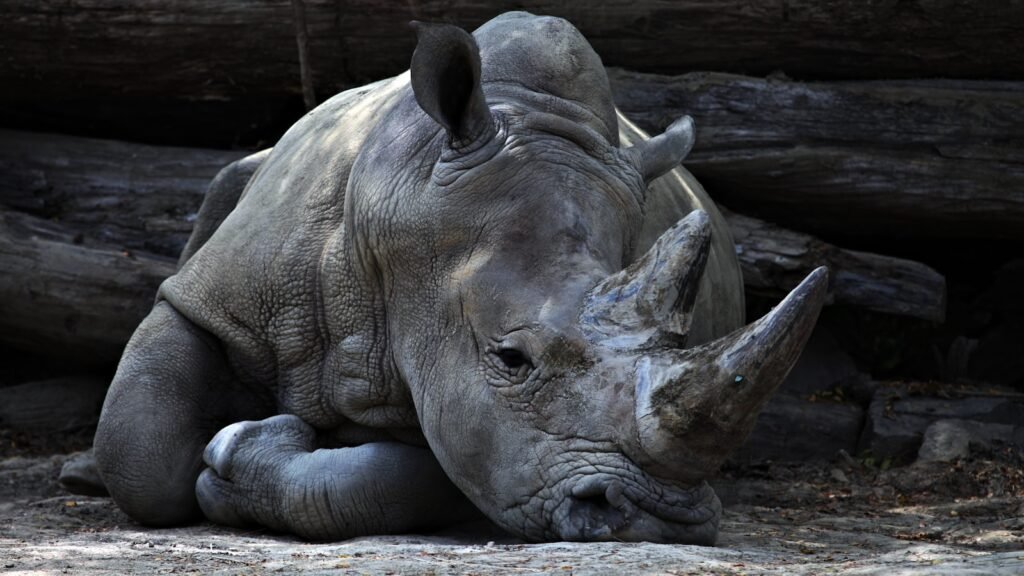
Once widespread across Southeast Asia, the Javan rhino now survives in a single population in Ujung Kulon National Park in Indonesia, with about 75 individuals remaining. Habitat destruction and poaching for their horns have significantly reduced their numbers. The Javan rhino’s habitat is also threatened by natural disasters such as tsunamis and volcanic eruptions. Conservationists are working to expand their habitat by turning depleted areas into suitable environments for the rhinos and establishing stringent anti-poaching measures.
3. Malagasy Lemurs
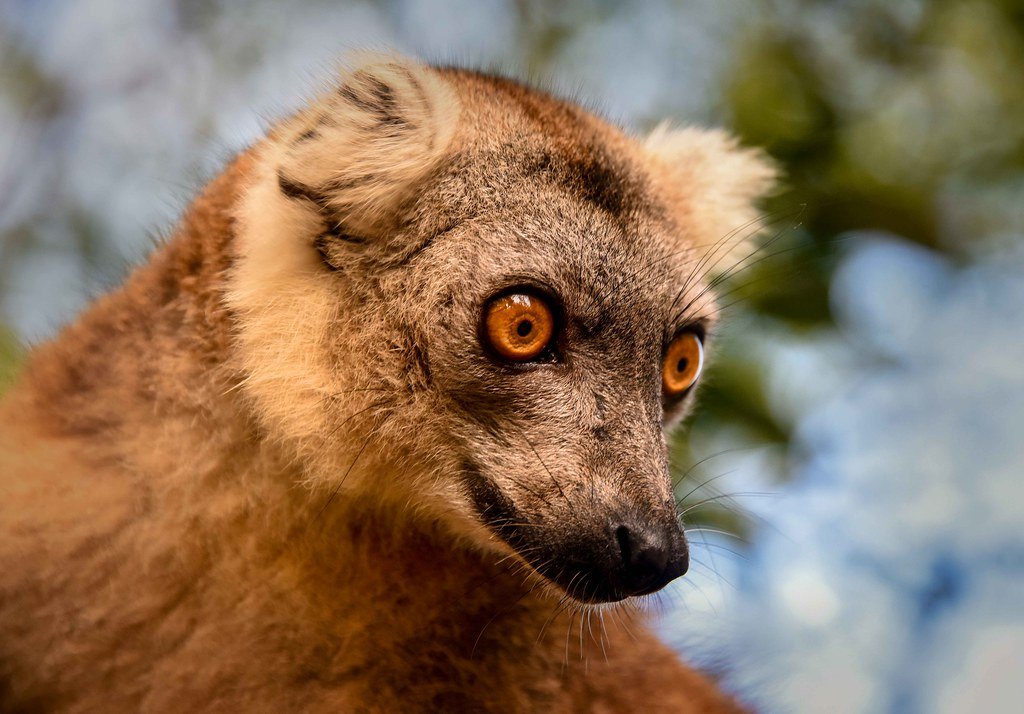
Madagascar is home to unique wildlife, including over 100 species of lemurs. Unfortunately, these charming primates are highly threatened due to deforestation, hunting, and the illegal pet trade. The island’s forests are being cleared for agriculture and charcoal production, leading to habitat loss. Conservation organizations are working with local communities to promote sustainable agriculture and protect remaining forest areas while also conducting research and breeding programs to increase lemur populations.
4. Sumatran Elephant
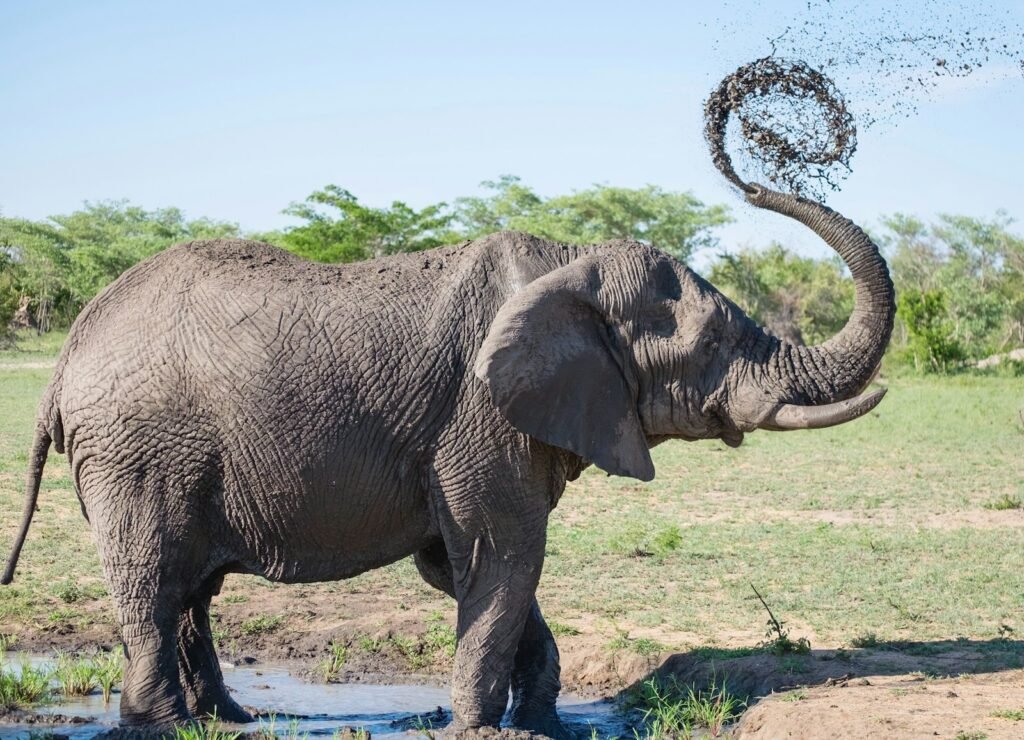
The Sumatran elephant is classified as critically endangered, with less than 2,000 individuals left in the wild. Rapid deforestation and habitat encroachment for palm oil plantations have significantly reduced their natural habitat. Elephants may also come into conflict with human populations, resulting in retaliatory killings. Efforts to protect them focus on habitat conservation, anti-poaching patrols, and promoting human-elephant conflict mitigation strategies.
5. Hawksbill Turtle
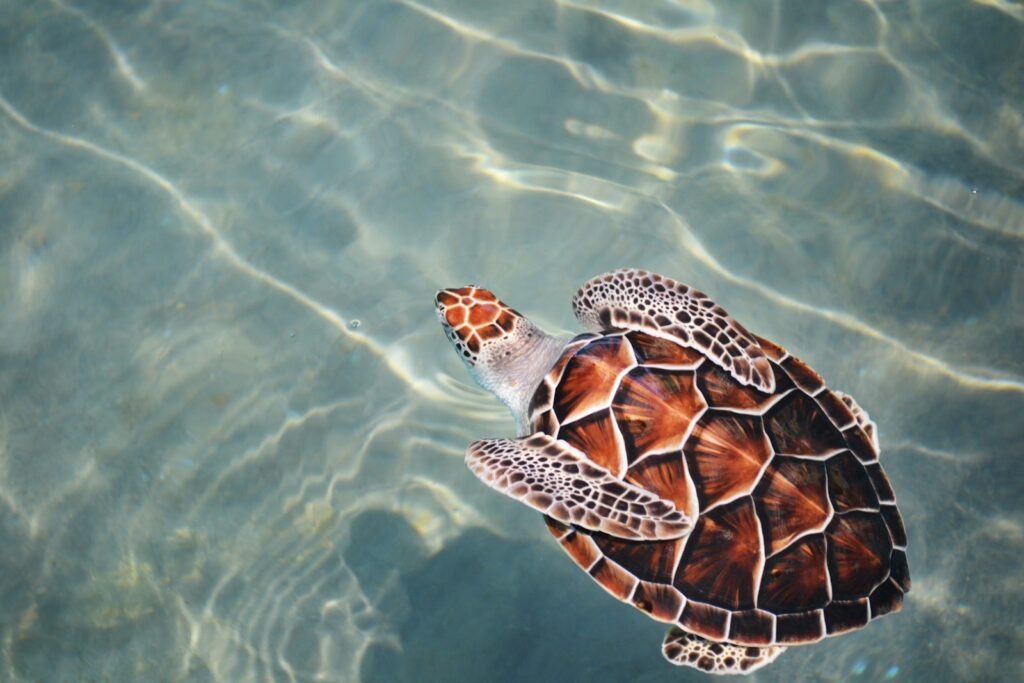
Hawksbill turtles are crucial for coral reef health but are critically endangered due to illegal poaching for their beautiful shells. These turtles face other threats, including habitat loss, accidental capture in fishing gear, and climate change, which affects their nesting sites. Various conservation initiatives aim to protect nesting habitats, enforce laws against illegal trade, and promote awareness among local communities about the turtles’ ecological importance.
6. Mountain Gorilla
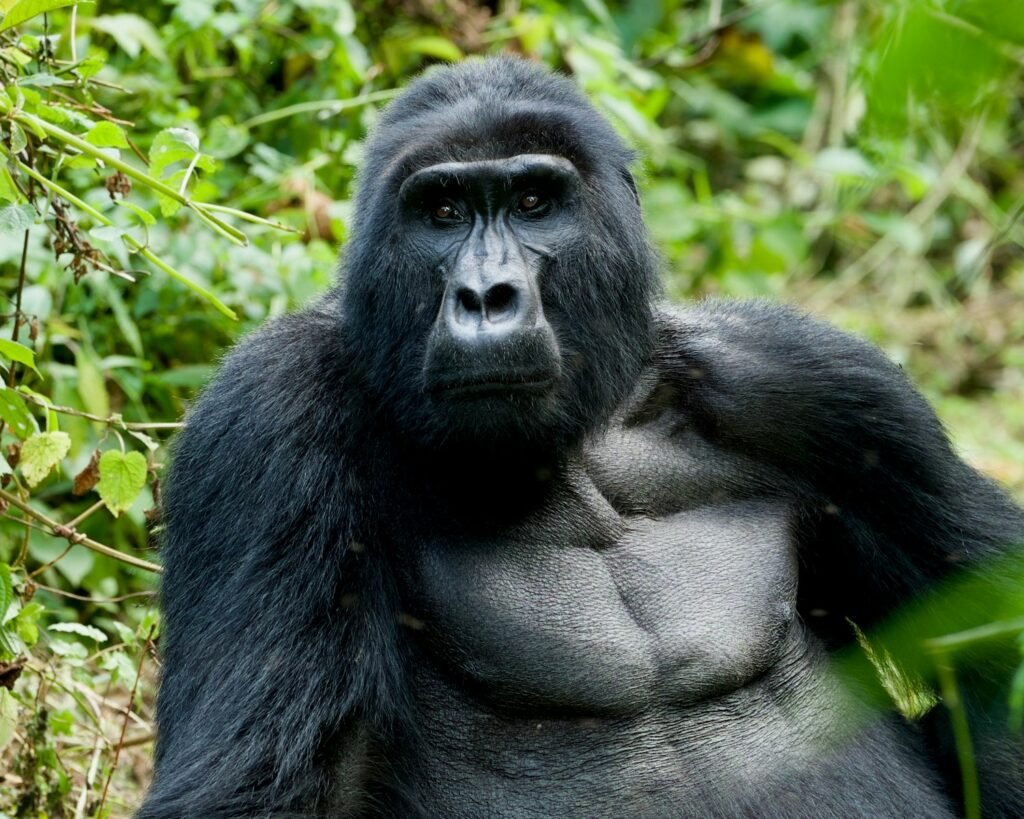
Mountain gorillas reside in the dense forests of the Virunga Mountains and Bwindi Impenetrable National Park in Africa. Despite recent population increases, they remain critically endangered due to poaching, disease, and habitat encroachment. Conservation efforts, such as community-based tourism, anti-poaching patrols, and habitat restoration, have shown promise, but continuous funding and international cooperation are essential for long-term success.
7. Amur Leopard
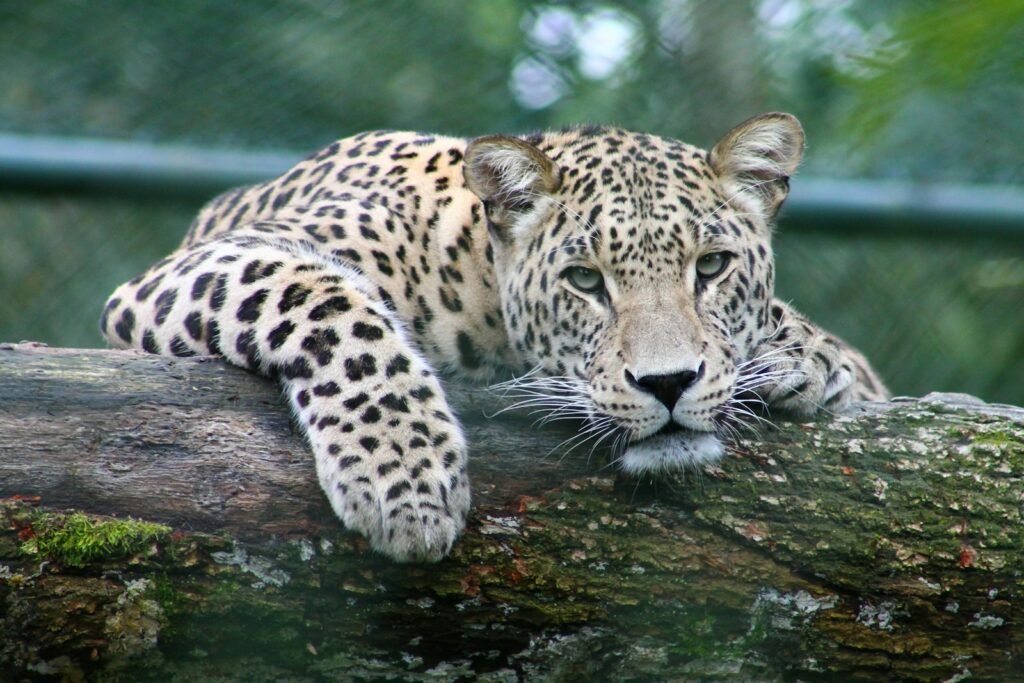
The Amur leopard, one of the rarest big cats in the world, is found in the forests of eastern Russia and northeastern China. With fewer than 100 individuals left, they face threats from habitat destruction due to logging, poaching for their beautiful fur, and prey scarcity. Conservation plans focus on strengthening protected areas, preventing poaching, and ensuring a healthy prey population to support the leopards.
8. Saola

Sometimes called the “Asian unicorn,” the elusive saola was discovered in 1992 in the Annamite Range of Vietnam and Laos. With its population not exceeding fifty, threats include habitat loss due to infrastructure development and hunting. Conservationists are working to protect saola habitats and reduce poaching pressure through community-based monitoring and law enforcement.
9. Kakapo

The kakapo, a nocturnal flightless parrot from New Zealand, faces extinction primarily due to introduced predators like rats and cats. Intensive conservation efforts include predator-free island sanctuaries, breeding programs, and around-the-clock monitoring. Thanks to ongoing efforts, the kakapo population has slowly increased, but ongoing vigilance is necessary to ensure their survival.
10. Yangtze Finless Porpoise
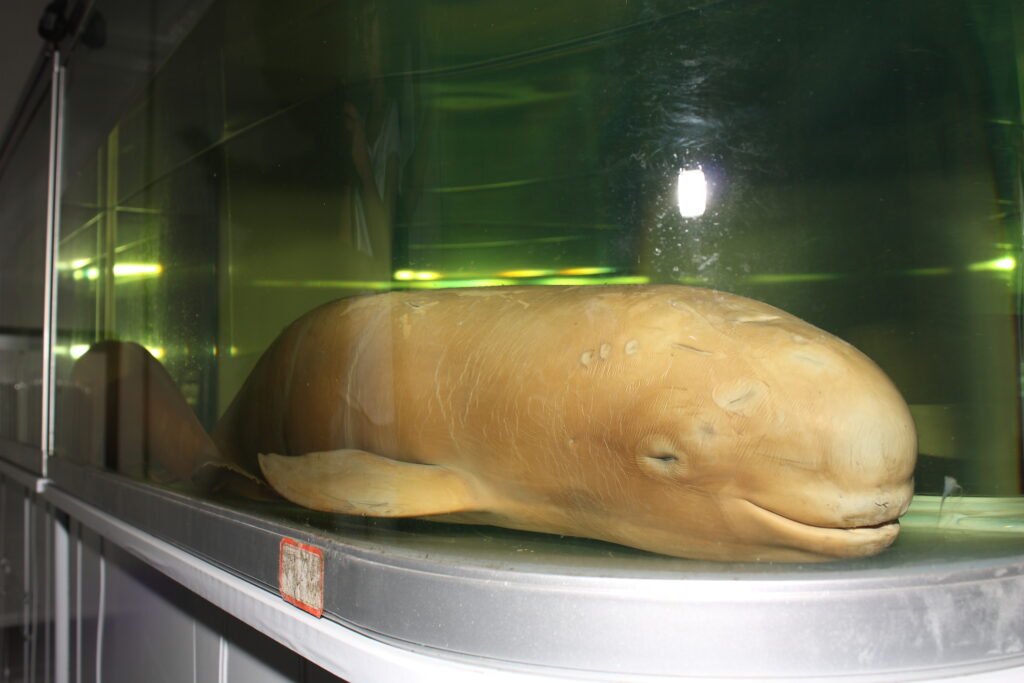
The Yangtze finless porpoise, residing in the Yangtze River in China, is teetering on the brink of extinction due to rapid industrialization, pollution, and water traffic. With an estimated 1,000 left, their numbers are declining due to habitat degradation and food scarcity. Conservation measures involve habitat restoration, pollution control, and relocation to protected waters.
In conclusion, the potential extinction of these remarkable species should serve as a wake-up call for global conservation efforts. Each species plays a vital role in their respective ecosystems, and their loss would have dire consequences for the natural world. Urgent and coordinated action is needed to protect these species, encompassing habitat conservation, anti-poaching measures, and sustainable development initiatives. By supporting conservation efforts and raising awareness, we can help ensure that these incredible animals continue to thrive for generations to come.