Earth is a planet full of wonders, and among its many mysteries are the enigmatic earthquake lights. These unusual illuminations, often occurring before or during seismic events, have fascinated scientists and enthusiasts alike. This article delves into the intriguing world of earthquake lights, exploring their characteristics, possible explanations, and the ongoing scientific quest to understand them.
Understanding Earthquake Lights

Earthquake lights are atmospheric phenomena that manifest in various forms, such as bright flashes or luminous clouds, usually in proximity to seismic activity. Reports of these lights go back centuries, yet their elusive nature has made them difficult to study and understand comprehensively. While not visible during every earthquake, their appearance still poses a captivating question: what causes these lights?
Historical Observations
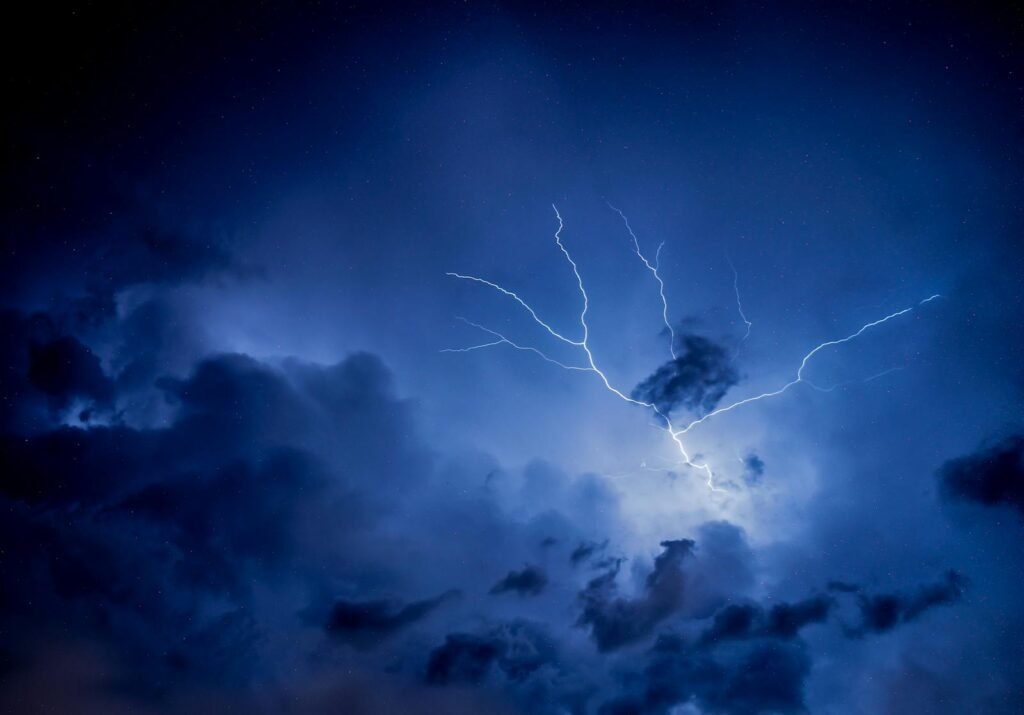
Accounts of earthquake lights have been recorded throughout history, with some of the earliest documented occurrences dating back to the ancient Chinese and Roman eras. These historical accounts often describe strange glows or fireballs seen in the sky before or during seismic activity. Despite the lack of scientific equipment to validate these observations at the time, they remain an integral part of the historical narrative of seismic events.
Reported Characteristics
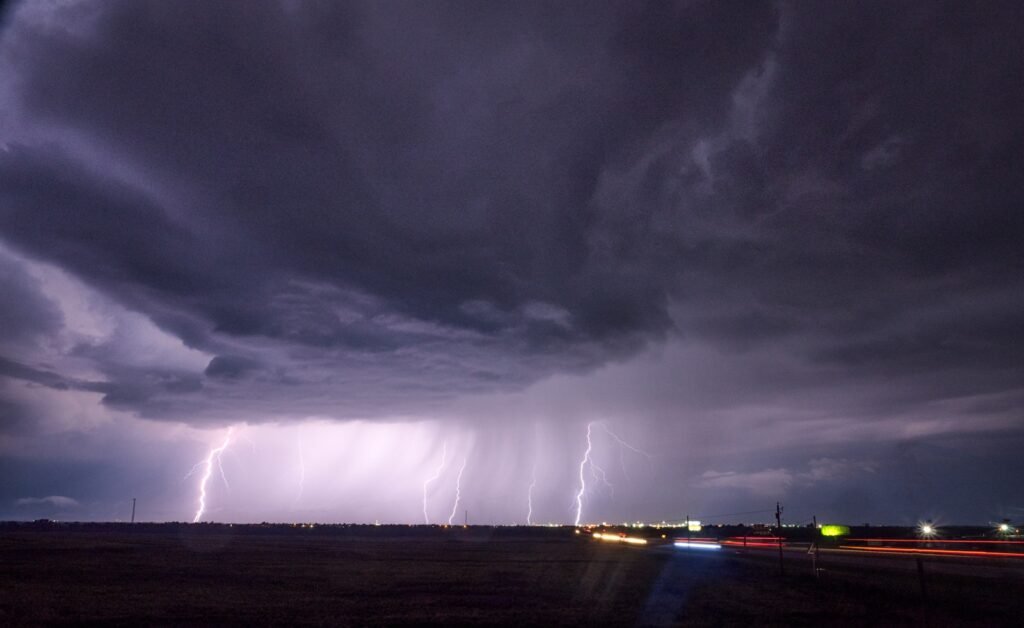
Earthquake lights can appear as white or bluish flashes, luminous clouds, or even flame-like appearances dancing along the horizon. Their duration is typically brief, lasting a few seconds to several minutes. These lights have been seen both during the night and in broad daylight, adding layers of complexity to their study and verification.
Possible Explanations

Over the years, scientists have proposed various hypotheses to explain earthquake lights. One popular theory suggests that they are caused by the release of energy due to the stress and strain in the Earth’s crust. This energy might ionize air molecules, creating visible light. Another hypothesis links the phenomenon to piezoelectric effects, where certain rocks produce an electrical charge when subjected to mechanical stress.
Modern Scientific Exploration
Advancements in technology have allowed scientists to gather more data and analyze the conditions under which earthquake lights occur. Modern seismic sensors, satellite imagery, and field studies have played a pivotal role in confirming some occurrences of these lights, fueling further research into their underlying mechanisms.
Recorded Incidents and Research

There have been several documented cases of earthquake lights in recent times, including those associated with earthquakes in Japan, Italy, and Canada. In each of these instances, witnesses provided valuable data that scientists used to back up their theories. The consistency in reports across different regions suggests a connection between geological conditions and light emissions.
The Challenge of Verification
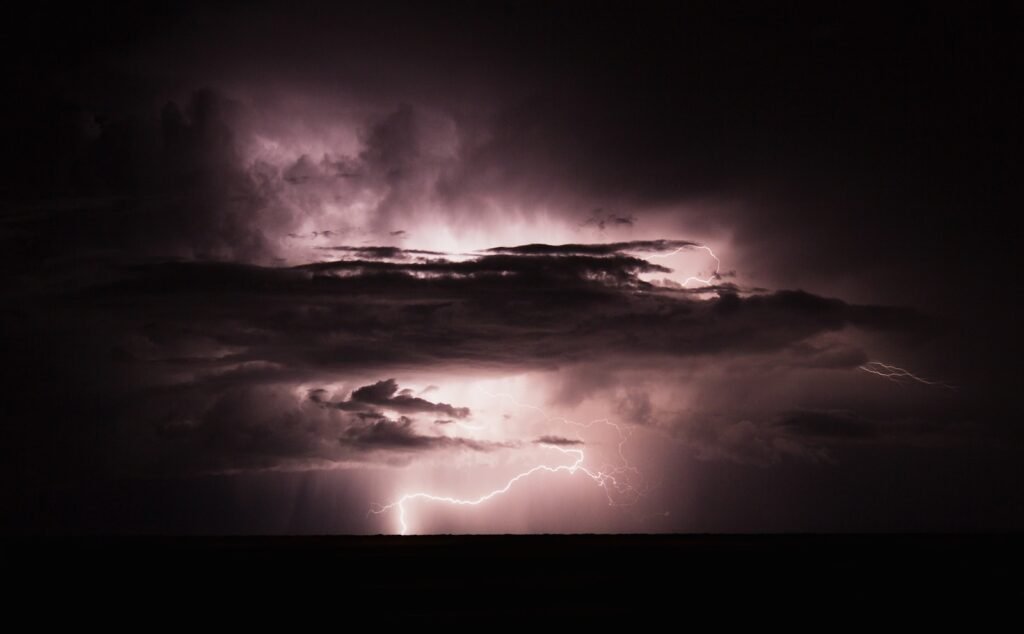
One of the main challenges in the study of earthquake lights is the need for serendipity—being in the right place at the right time. The unpredictable nature of earthquakes, coupled with the sporadic occurrence of these lights, makes it difficult for scientists to set up dedicated observations, resulting in a limited number of empirical studies.
Earthquake Lights and Earthquake Prediction

While the hope exists that earthquake lights could be used to predict seismic events, current understanding falls short of making reliable forecasts. The rarity and variability of these occurrences mean they cannot be solely relied upon as precursors to earthquakes. Nonetheless, each instance adds to the wealth of data necessary for future breakthroughs in earthquake prediction science.
Public Interest and Media Coverage

Interest in earthquake lights often spikes following reports in the media, as these enigmatic phenomena capture the public’s imagination. Videos and photographs, albeit rare, add an element of intrigue, sparking discussions and encouraging people to share their own experiences and sightings.
Global Collaborations in Research

Recognizing the global nature of this phenomenon, scientists from around the world have collaborated to pool research, observations, and technology. These collaborations aim to standardize data collection and enhance observation networks that can detect and analyze earthquake lights more efficiently.
Challenges in Replicating Earthquake Conditions

Replicating the exact conditions that result in earthquake lights in laboratory settings has proven to be a formidable challenge. The complex interplay of geological and atmospheric factors involved is difficult to simulate, leaving much of the research dependent on field observations and correlational studies.
The Role of Technology in Advancing Studies

As technology continues to evolve, so does the potential for studying earthquake lights. Drones, remote sensing technology, and artificial intelligence are opening new frontiers in capturing and interpreting data associated with these phenomena. These technologies promise to expand our understanding and potentially uncover new insights.
Conclusion: The Continuing Mystery
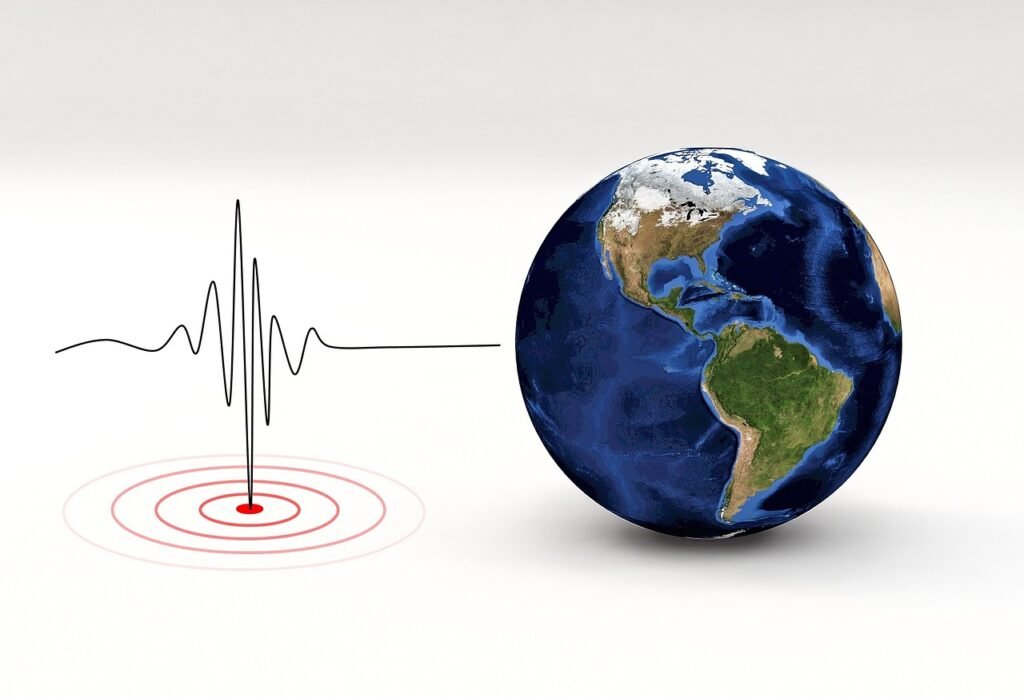
Earthquake lights remain one of Earth’s fascinating mysteries, captivating scientists and the public alike. Despite the progress made in understanding them, much remains unknown. The phenomenon invites further exploration and deepened collaboration among researchers worldwide. As technology advances, it holds the promise of unveiling the secrets behind these celestial occurrences, taking us one step closer to understanding the extraordinary processes that operate beneath our feet.