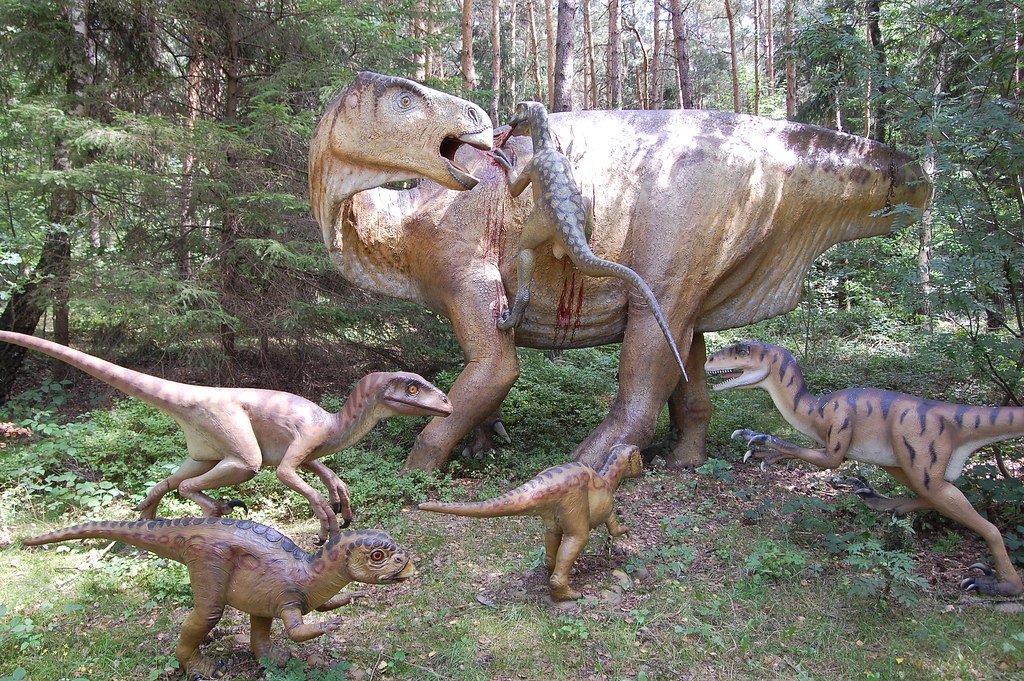
In the fascinating world of paleontology, few stories are as captivating as that of the Iguanodon. As one of the earliest dinosaurs to be scientifically described, its discovery marked a turning point in our understanding of prehistoric life. This groundbreaking moment in history unfolded in the lush landscape of early 19th-century Britain, a time when the concept of dinosaurs was just beginning to take shape. In this article, we’ll explore the origins of the Iguanodon, its significance in the history of paleontology, and the journey that led to its realization as one of the first named dinosaurs.
The Birth of Paleontology in Britain

The early 1800s was a period marked by intense scientific curiosity and exploration. Britain, at the forefront of the Industrial Revolution, was also a hotbed for geological inquiry. This era witnessed an increasing interest in the Earth’s past, with researchers paying closer attention to fossils unearthed during mining and construction activities. Among these curious minds was Mary Anning, whose discoveries along the cliffs of Lyme Regis began to challenge prevailing notions about the history of life on Earth. It was within this vibrant intellectual context that the story of the Iguanodon began to unfold.
The Discoverer: Gideon Mantell
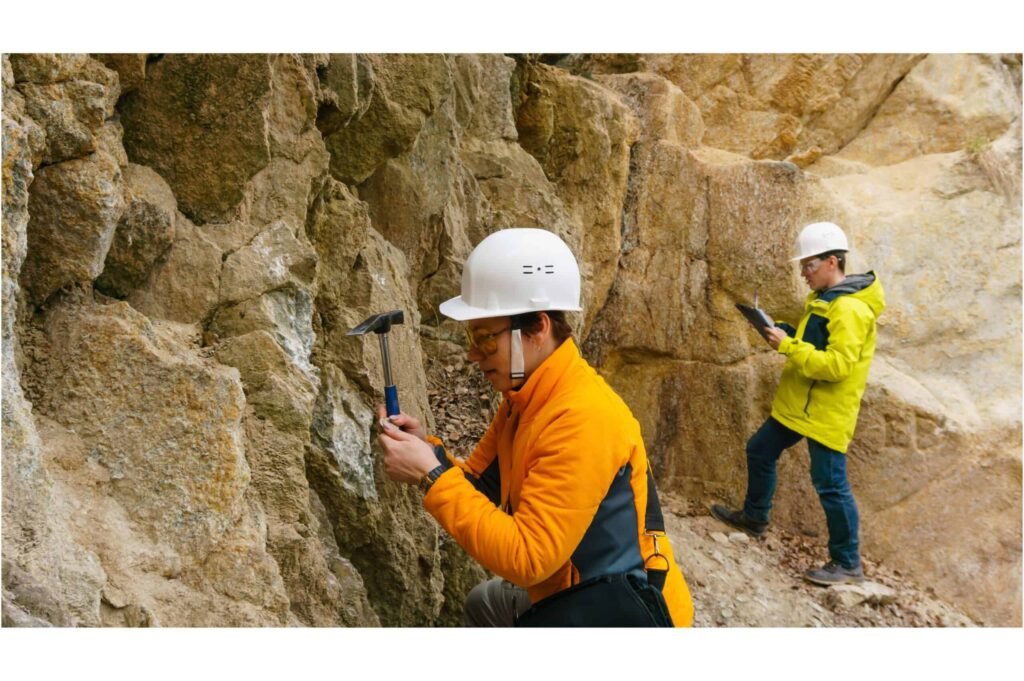
Gideon Mantell, an English doctor and amateur geologist, was a key figure in the discovery of the Iguanodon. In 1822, Mantell stumbled upon a set of substantial fossilized teeth near Cuckfield in Sussex. Intrigued but uncertain about their origins, he embarked on an ambitious quest to uncover the truth. Mantell’s meticulous research and unwavering dedication to understanding these ancient remains were instrumental in the eventual identification and naming of the Iguanodon.
Naming the Iguanodon

Mantell’s examination of the fossils led him to notice similarities between the teeth he found and those of modern iguanas. In 1825, he proposed the name “Iguanodon” for the creature, a term derived from “iguana” and the Greek word “odon,” meaning tooth. Despite initial resistance from prominent scientists of the time, Mantell’s persistence paid off and the name Iguanodon was accepted, securing its place in history as one of the first dinosaurs formally identified and named.
The Iguanodon’s Place in Dinosaur History

The naming of the Iguanodon was a significant milestone in paleontology, as it was one of the first dinosaurs to be scientifically described. Alongside Megalosaurus and Hylaeosaurus, Iguanodon played a crucial role in the establishment of the Dinosauria, a term coined by Sir Richard Owen in 1842. This was a pivotal moment in paleontological history that redefined our understanding of prehistoric life, leading to the recognition of an entirely new group of reptiles that once dominated the Earth.
Fossil Evidence and Reconstruction
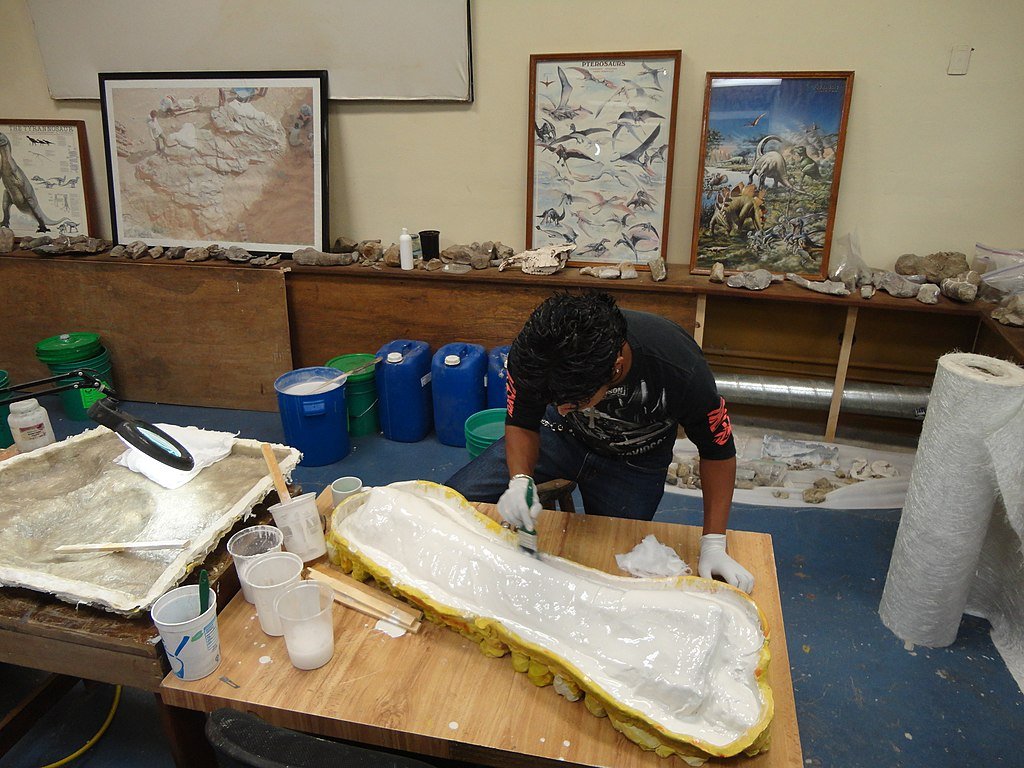
Further discoveries of Iguanodon fossils, especially in Belgium and Germany, provided more comprehensive insights into its anatomy and lifestyle. A major turning point came in the 1870s with the discovery of well-preserved skeletons in a Belgian coal mine. These fossils allowed scientists like Louis Dollo to reconstruct Iguanodon’s physical structure more accurately. The remarkable preservation of these fossils revealed Iguanodon’s distinctive thumb spikes and bipedal posture, painting a clearer picture of this fascinating dinosaur.
Anatomy and Physical Characteristics

The Iguanodon was a large, herbivorous dinosaur characterized by its bulky body, long tail, and robust limbs. One of its most peculiar features was the thumb spike, originally misunderstood as a nasal horn, which was likely used for defense against predators. With a length of up to 10 meters and weighing several tons, the Iguanodon was a formidable presence in its time. Its hands, equipped with hoof-like fingers, suggest it could move both bipedally and quadrupedally, adapting its posture to suit different activities.
The Evolutionary Significance of Iguanodon
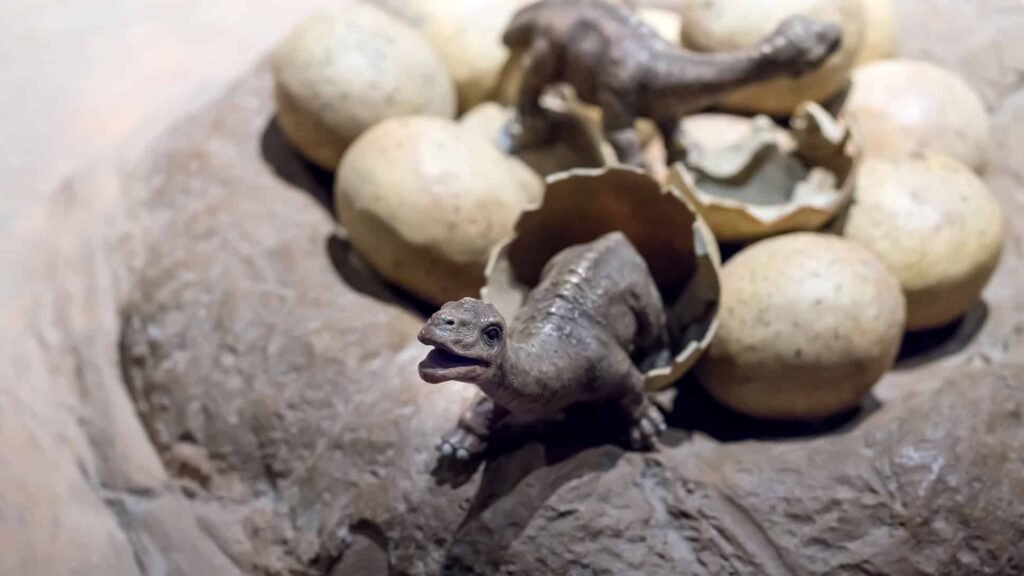
As a member of the Ornithopoda, a group of herbivorous dinosaurs that thrived during the Cretaceous period, the Iguanodon represents a critical stage in dinosaur evolution. Its anatomical features provide evidence of the transition from more primitive reptiles to the diverse range of ornithopods that followed. Studying the Iguanodon has helped paleontologists understand significant evolutionary adaptations, such as the development of complex chewing mechanisms crucial for its herbivorous diet.
Cultural Impact and Legacy

The discovery of the Iguanodon left a lasting imprint on both science and popular culture. Its reconstruction at Crystal Palace Park in the 1850s as part of a series of dinosaur sculptures captured the public’s imagination, bringing prehistoric life into the public realm for the first time. These sculptures, despite being scientifically outdated by today’s standards, marked the beginning of society’s enduring fascination with dinosaurs and have become iconic symbols in the history of paleontology.
The Iguanodon’s Influence on Modern Paleontology

The legacy of the Iguanodon extends beyond its initial discovery and public fascination. Its identification and the subsequent research efforts it sparked laid the groundwork for modern dinosaur paleontology. As scientists continue to study and uncover new fossils, the foundational contributions made by researchers like Gideon Mantell and their early discoveries like the Iguanodon remain key to our ongoing exploration of the Earth’s prehistoric past.
Conclusion: Reinforcing the Impact of Iguanodon’s Discovery
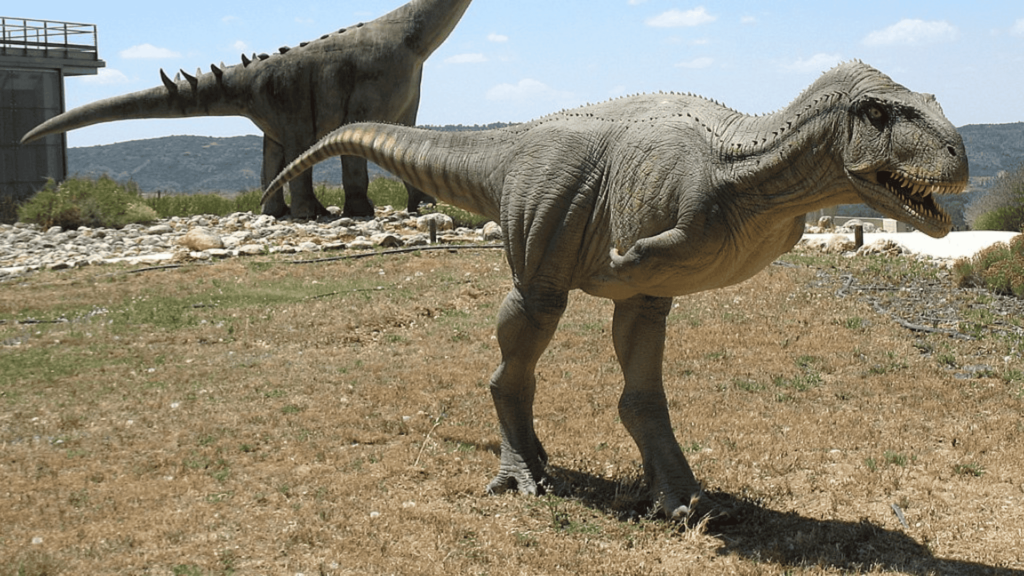
The discovery of the Iguanodon was a pivotal moment in scientific history that transformed our understanding of the natural world. From its identification by Gideon Mantell to its enduring cultural impact, the Iguanodon has played a crucial role in shaping the field of paleontology. Its story is a testament to the power of human curiosity and the profound impact that determined individuals can have on the scientific landscape. As we continue to unearth the mysteries of the past, the tale of the Iguanodon stands as a reminder of how much there is yet to learn and discover.