The enigma of New Zealand’s prehistoric past is akin to a thrilling detective story that involves a vanished continent, ancient giants, and a land shrouded in mystery. While New Zealand today is known for its breathtaking landscapes and unique biodiversity, it once formed part of a vast and enigmatic continent known as Zealandia. But did dinosaurs ever live in New Zealand? This question has puzzled scientists and intrigued dinosaur enthusiasts alike. Join us on an expedition through time as we explore the evidence and theories surrounding dinosaurs in New Zealand.
The Rise and Fall of Zealandia
Zealandia, the largely submerged continent, stretches over five million square kilometers beneath the southwest Pacific Ocean. Once part of the supercontinent Gondwana, Zealandia began to separate around 85 million years ago. This landmass, of which New Zealand is the highest peak, has remained largely underwater, leaving precious little land exposed. The study of Zealandia offers vital clues about the prehistoric life that once thrived there, including the tantalizing possibility of dinosaurs.
Evidence of Dinosaurs in Zealandia
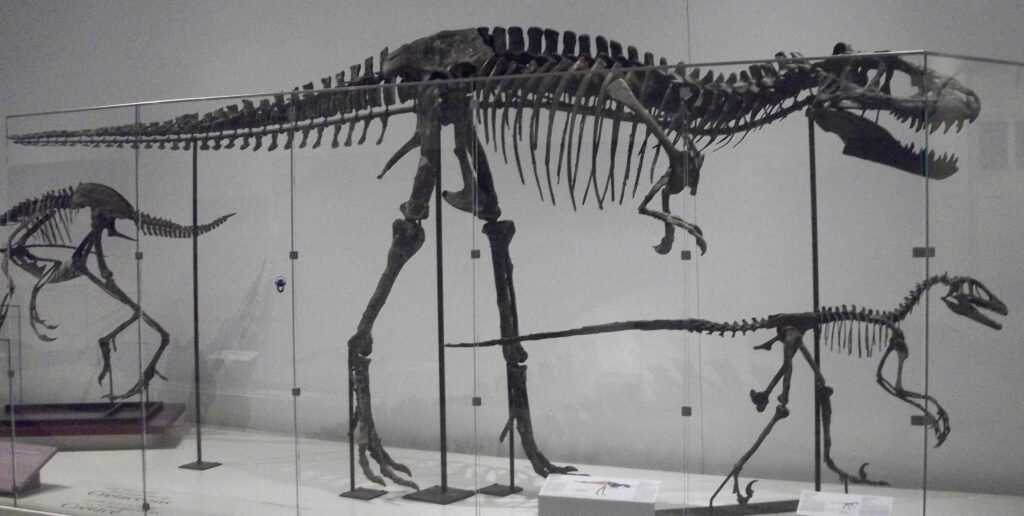
The fossil record is notoriously scant in New Zealand, largely due to its geographic and geological history. However, paleontologists have discovered fragments and fossils indicating that dinosaurs did indeed roam this land. In 1975, the first confirmed dinosaur fossils were found in the South Island’s Otago region, belonging to a theropod, a bipedal carnivorous dinosaur. Subsequent discoveries, including fossils of sauropods and ankylosaurs, further bolster the case for dinosaur habitation in Zealandia.
Challenges of Finding Fossils

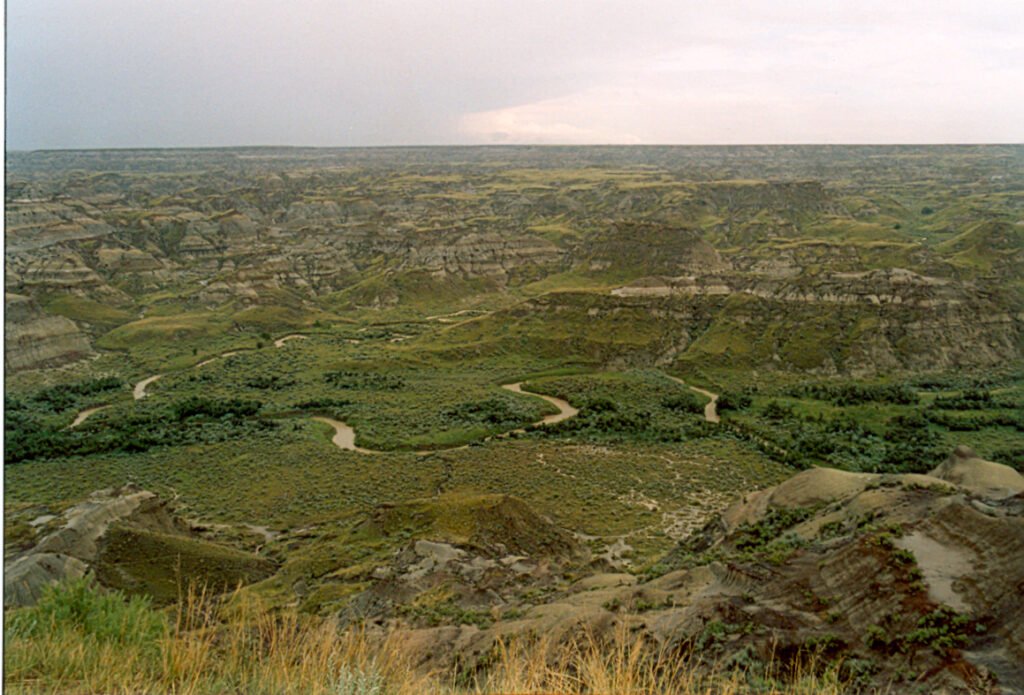
Discovering dinosaur fossils in New Zealand poses significant challenges, primarily due to the country’s dynamic landscape. Frequent geological activity, including earthquakes and volcanic eruptions, has reshaped the land over millions of years. Additionally, much of the terrain is covered by dense forests, making excavation efforts difficult. Nevertheless, these challenging conditions only fuel the determination of paleontologists to unearth New Zealand’s prehistoric secrets.
The Climate of Ancient Zealandia

During the age of the dinosaurs, Zealandia enjoyed a milder, more temperate climate compared to today. Lush forests and abundant vegetation would have provided an ideal habitat for various dinosaur species. The separation of Zealandia from Gondwana contributed to its unique flora and fauna, setting the stage for the island’s biodiversity, which persists to this day.
Dinosaurs as Part of the Gondwanan Ecosystem

Zealandia’s separation from Gondwana meant that its dinosaur species were likely similar to those found elsewhere in the supercontinent. As members of the Gondwanan ecosystem, New Zealand’s dinosaurs would have shared characteristics and overlapping lineages with dinosaurs from regions that make up modern-day South America, Africa, Antarctica, Australia, and India.
Understanding Zealandia’s Isolation

As Zealandia drifted further away from other land masses, its ecosystem increasingly evolved in isolation. This geographic isolation has been key to understanding the evolutionary pathways taken by New Zealand’s unique species, including the iconic kiwi. Similarly, studying fossil remnants of dinosaurs in Zealandia may provide insights into how isolation affected their evolution at the time.
Zealandia’s Connection to the South Pacific

Zealandia’s strategic location in the South Pacific meant that it played a vital role in the dispersal of species across the Southern Hemisphere. As dinosaurs roamed this landscape, their movements and subsequent fossil records may reveal patterns of migration and evolutionary changes, informing us about how species adapted over time.
The Role of Plate Tectonics
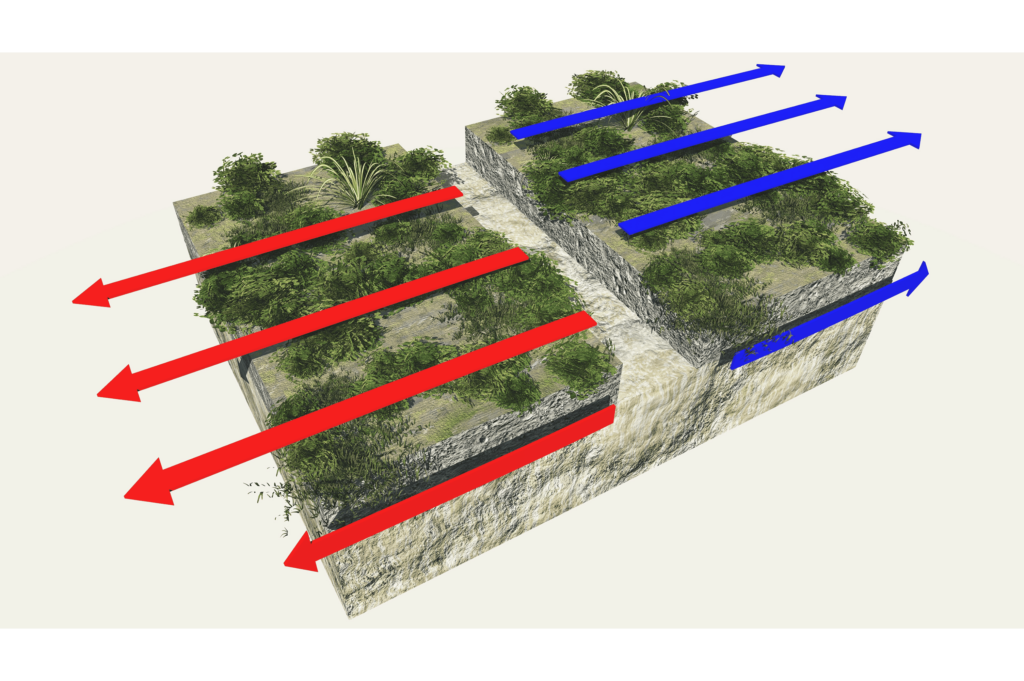
The tectonic forces responsible for Zealandia’s submersion and fragmentation also played a significant role in shaping the landscape and habitats available to prehistoric creatures. These forces continue to impact New Zealand today, reflecting the dynamic nature of Earth’s geological processes and their impact on life across millennia.
Ongoing Research and Discoveries
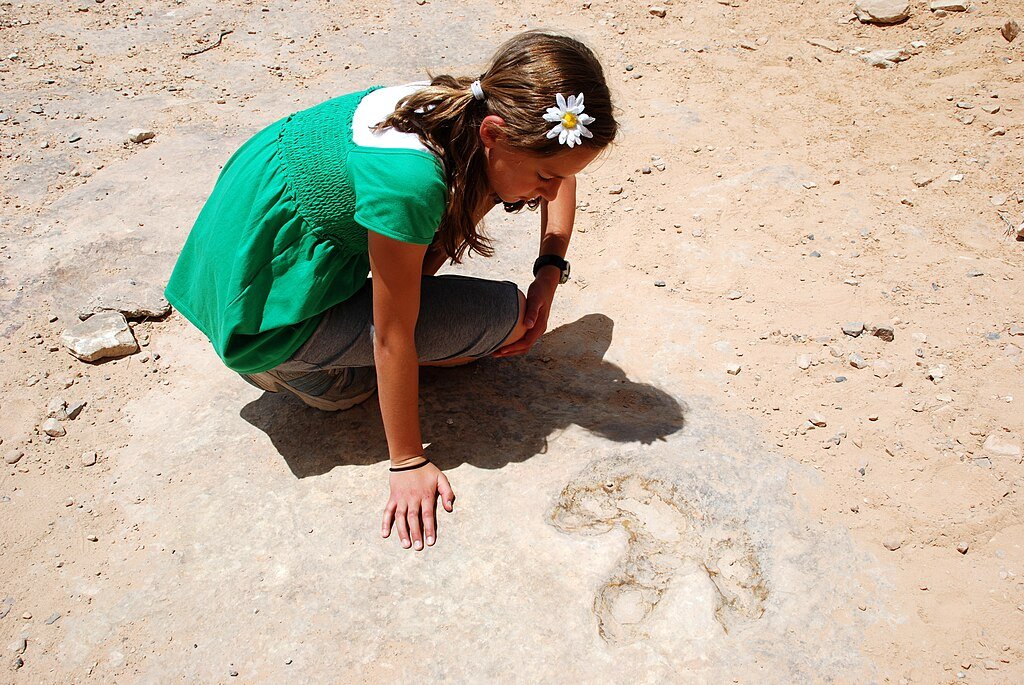
The quest to uncover more about Zealandia’s prehistoric past is an ongoing mission. Each fossil find and geological study adds new pieces to the puzzle, contributing to our understanding of how dinosaurs lived and evolved in this isolated corner of the world. The dedication of scientists and exploration of new technologies promise exciting discoveries in the years to come.
The Mystery Lives On
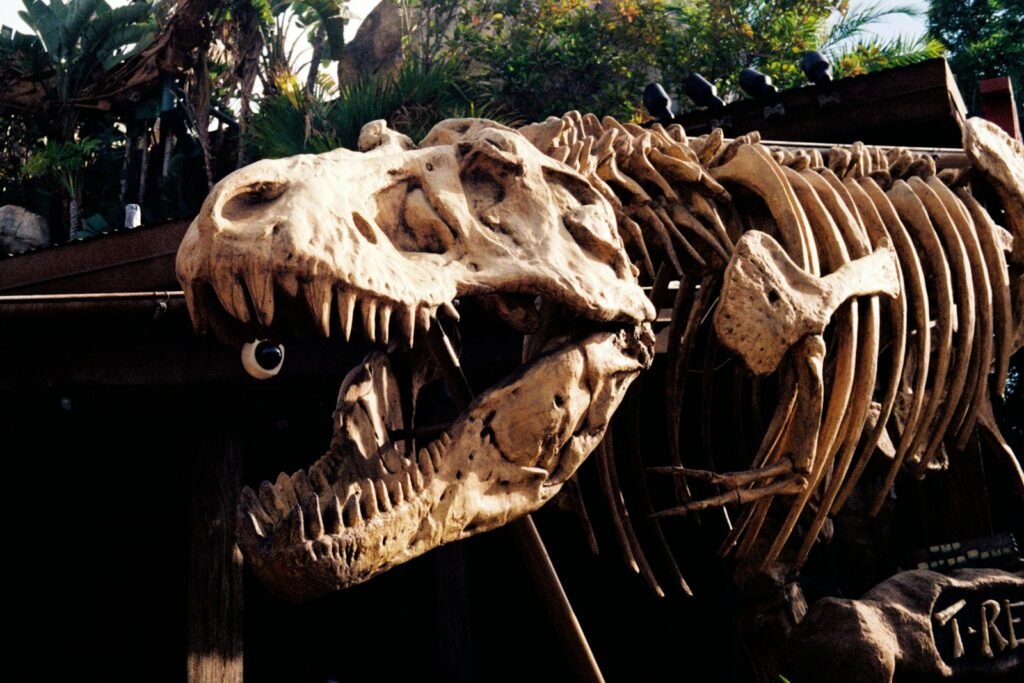
The allure of New Zealand’s dinosaur mystery endures, drawing curiosity from professionals and enthusiasts alike. Whether through boots on the ground or cutting-edge technology, the study of New Zealand’s prehistoric life fosters a deeper appreciation for the island’s ancient history and its potential role in the broader narrative of the dinosaur era.
In conclusion, while the evidence of dinosaurs in New Zealand is elusive, it offers a fascinating glimpse into a time when the island’s landscape was vastly different. As part of Zealandia, it bore witness to the giants that roamed the earth, capturing the imaginations of those eager to unravel its secrets. While the full story of New Zealand’s dinosaurs remains largely hidden beneath the ocean, each discovery brings us closer to understanding this vanished world.