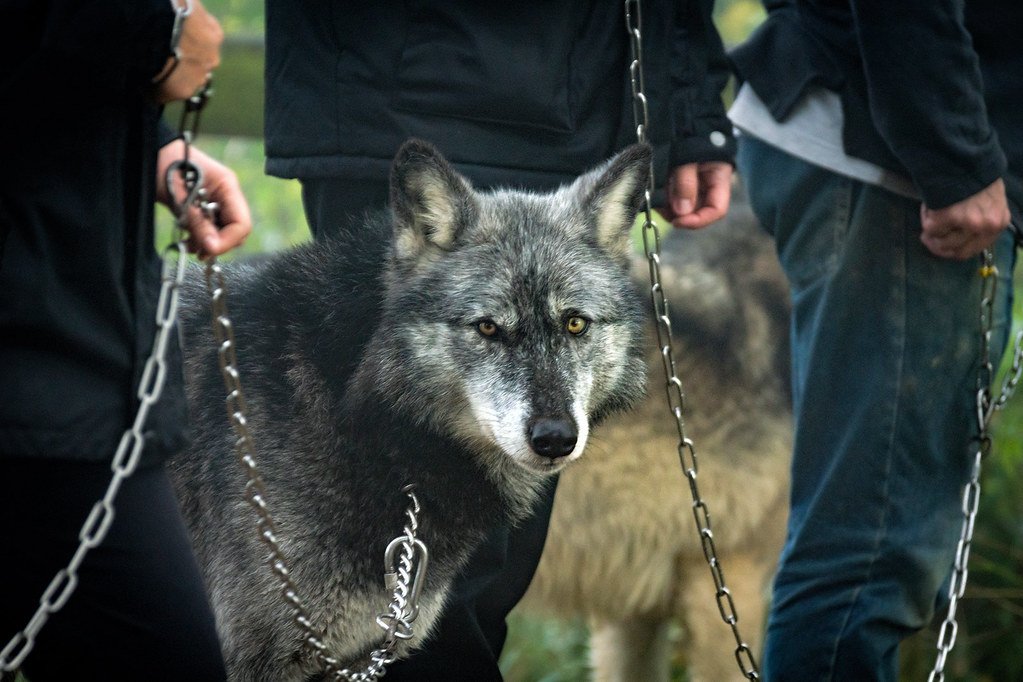
Wolves have long captivated human imagination, representing both the wildness of nature and the complexity of predator-prey relationships. Across Europe, these majestic creatures roam wilderness areas, contributing to biodiversity and ecological balance. However, in the United Kingdom, the wolf’s howl has not been heard outside of zoos and wildlife parks for many centuries. This raises the question: should wolves be reintroduced to the UK, and what would such rewilding entail? This article explores the history, current status, and the lively debate surrounding the potential return of wild wolves to British landscapes.
A Historical Overview of Wolves in the UK
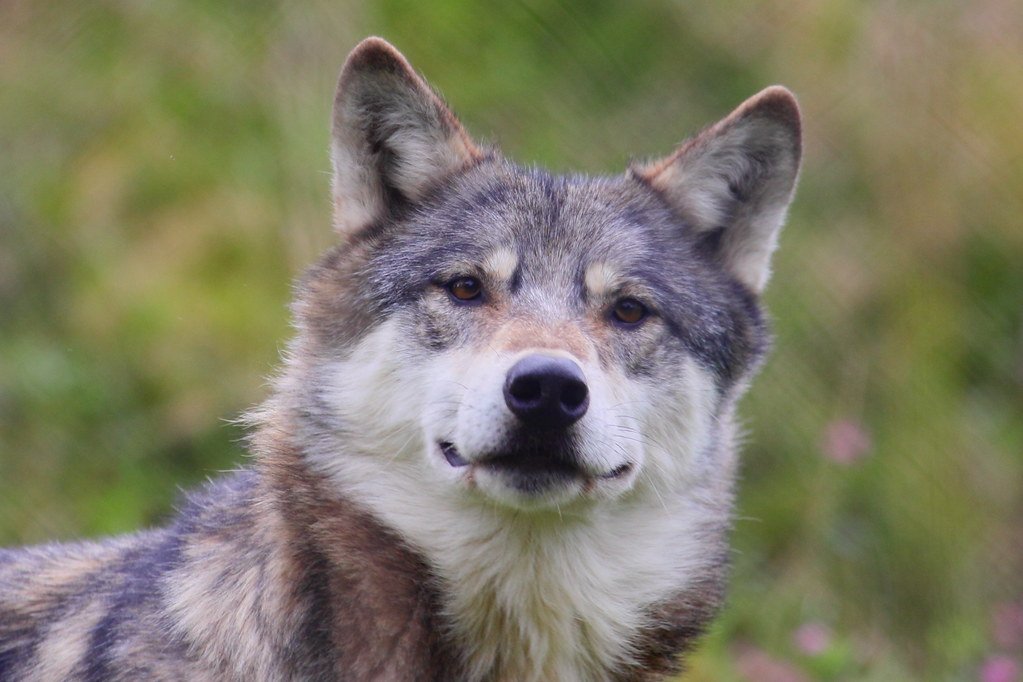
Once upon a time, wolves were widely distributed across the British Isles. As apex predators, they played a crucial role in maintaining the ecological balance by keeping herbivore populations in check and influencing vegetation patterns. However, by the late medieval period, wolves were driven to extinction in Britain, primarily due to intense hunting pressures, habitat destruction, and persecution by humans. The last recorded wolf was killed in Scotland in the late 17th or early 18th century. Since then, wolves have only survived in British folklore and cultural memory.
The Concept of Rewilding
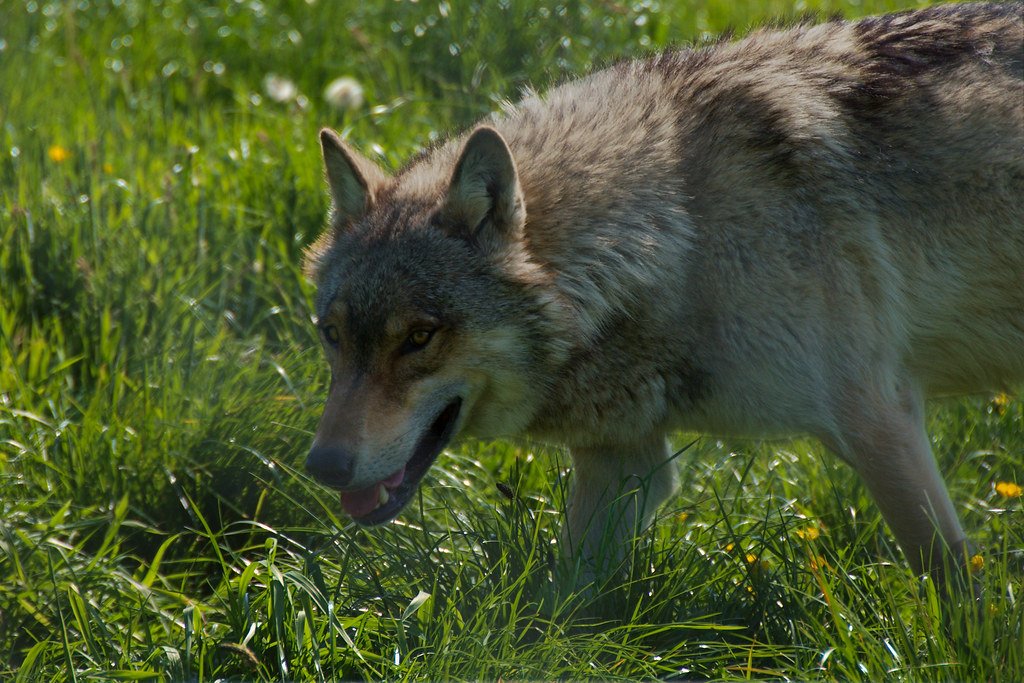
Rewilding is a conservation strategy aimed at restoring natural processes and ecosystems by reintroducing keystone species, such as wolves. The idea is to let nature take its course, allowing ecosystems to self-regulate and flourish. Proponents of rewilding argue that bringing back wolves could combat biodiversity loss, help restore habitats, and provide economic benefits through eco-tourism. Rewilding campaigns have gained traction across Europe, with successful wolf reintroductions in countries like Germany and France.
Arguments Supporting Wolf Reintroduction
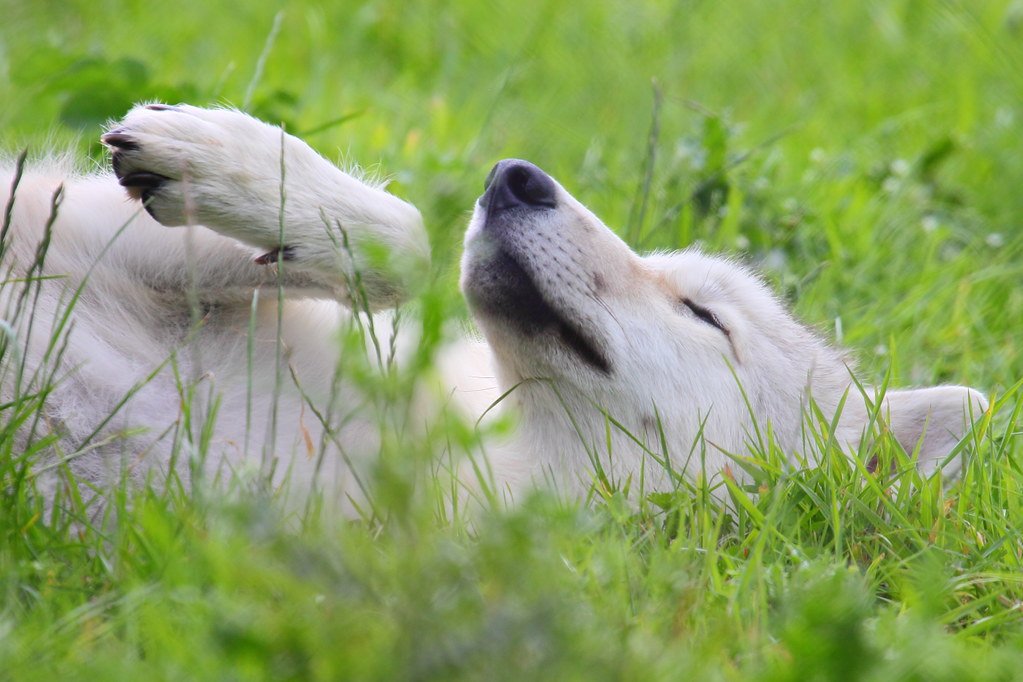
Supporters of wolf reintroduction claim that these predators are essential for restoring ecological balance. Wolves help control herbivore populations, such as deer, which, in the absence of natural predators, can overgraze vegetation and damage ecosystems. Moreover, reintroducing wolves could potentially boost local economies by attracting wildlife enthusiasts and tourists. Additionally, the return of wolves might spark increased public interest in wildlife conservation, leading to further environmental benefits.
Concerns and Challenges
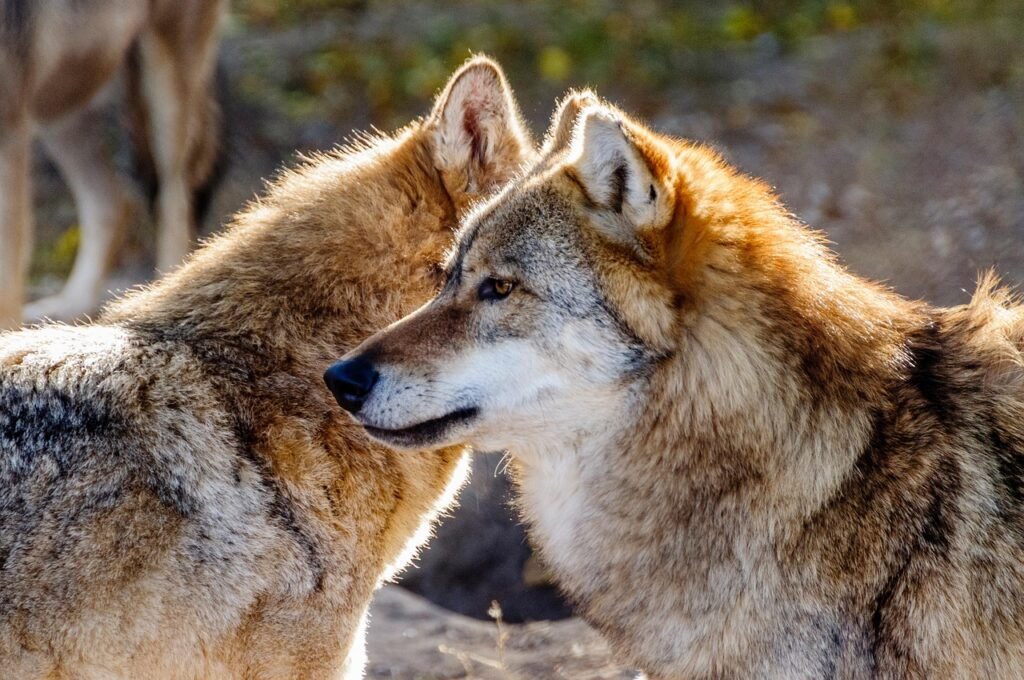
Despite the potential benefits, there are significant concerns and challenges associated with reintroducing wolves to the UK. Livestock predation is a major worry among farmers and rural communities, who fear economic losses and increased security demands. Furthermore, public perception of wolves might still be influenced by historical fears and myths, leading to potential conflicts between humans and wolves. Critics also argue that the UK lacks suitable expanses of wilderness required to support self-sustaining wolf populations.
The Role of Stakeholder Involvement
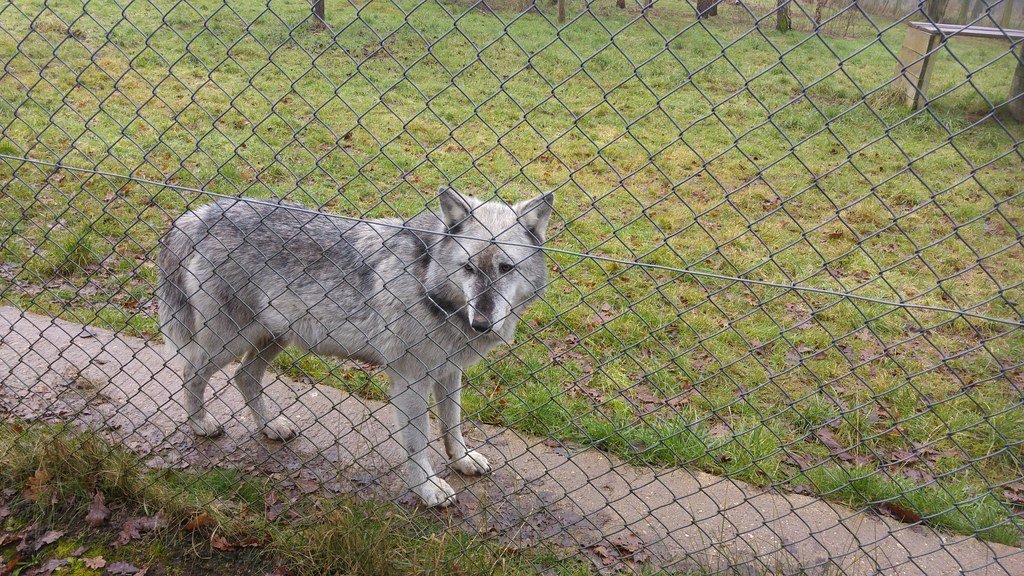
Any serious conversation about reintroducing wolves to the UK must involve key stakeholders, including local communities, farmers, conservationists, and policymakers. It’s essential to have open discussions and develop strategies that address fears, logistical challenges, and economic concerns. Collaborative approaches and compensation schemes for livestock losses, for instance, could help mitigate potential conflicts and foster coexistence between humans and wolves.
Learning from International Efforts

Countries that have successfully reintroduced wolves provide valuable lessons for the UK. For example, the United States witnessed positive ecological changes after wolves were reintroduced to Yellowstone National Park, such as increased biodiversity and healthier habitats. Similarly, European nations have developed comprehensive management plans and coexistence strategies to deal with challenges presented by expanding wolf populations. These international experiences underline the importance of careful planning, habitat suitability assessments, and adaptive management practices.
Current Wild Populations of Wolves and Proximity to the UK

Although wolves have not yet made their way back to the UK naturally, populations are thriving in neighboring European countries. Advances in conservation and legal protection have enabled wolves to reclaim parts of their historic range across the continent, with sightings and populations increasing. This natural proximity raises the possibility of wolves eventually crossing over to the British Isles, making discussions about their potential return timely and relevant.
The Future of Rewilding in the UK
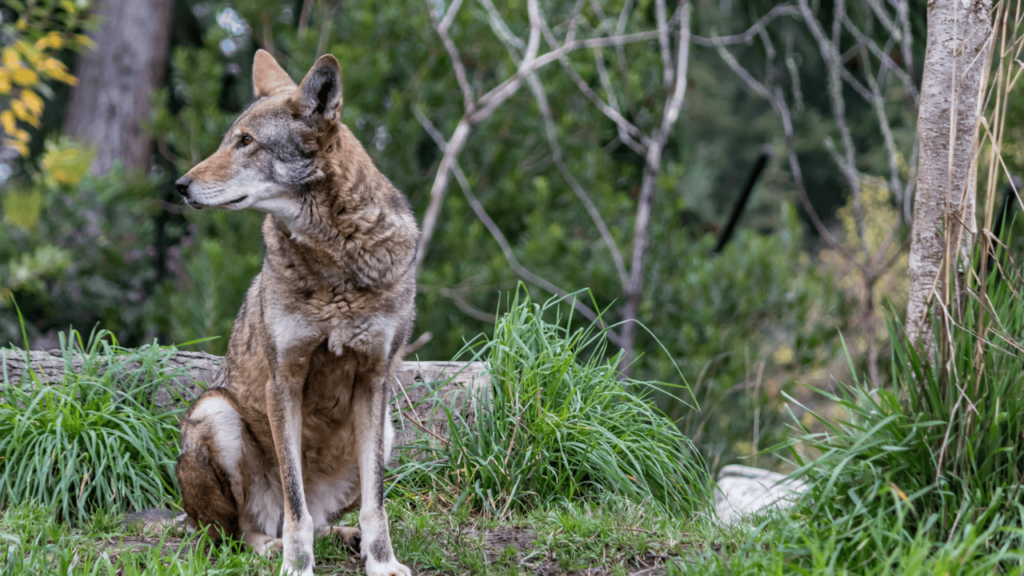
As the debate over wolf reintroduction continues, the future of rewilding in the UK remains uncertain. The conversation highlights broader discussions about human coexistence with nature, the role of legislative bodies in conservation, and the rights of rural communities. Whatever the outcome, it’s clear that the topic of reintroducing wolves will inspire passionate dialogue among diverse groups, bringing to the fore questions about the relationship between humans and the natural world.
Conclusion: Embracing Coexistence
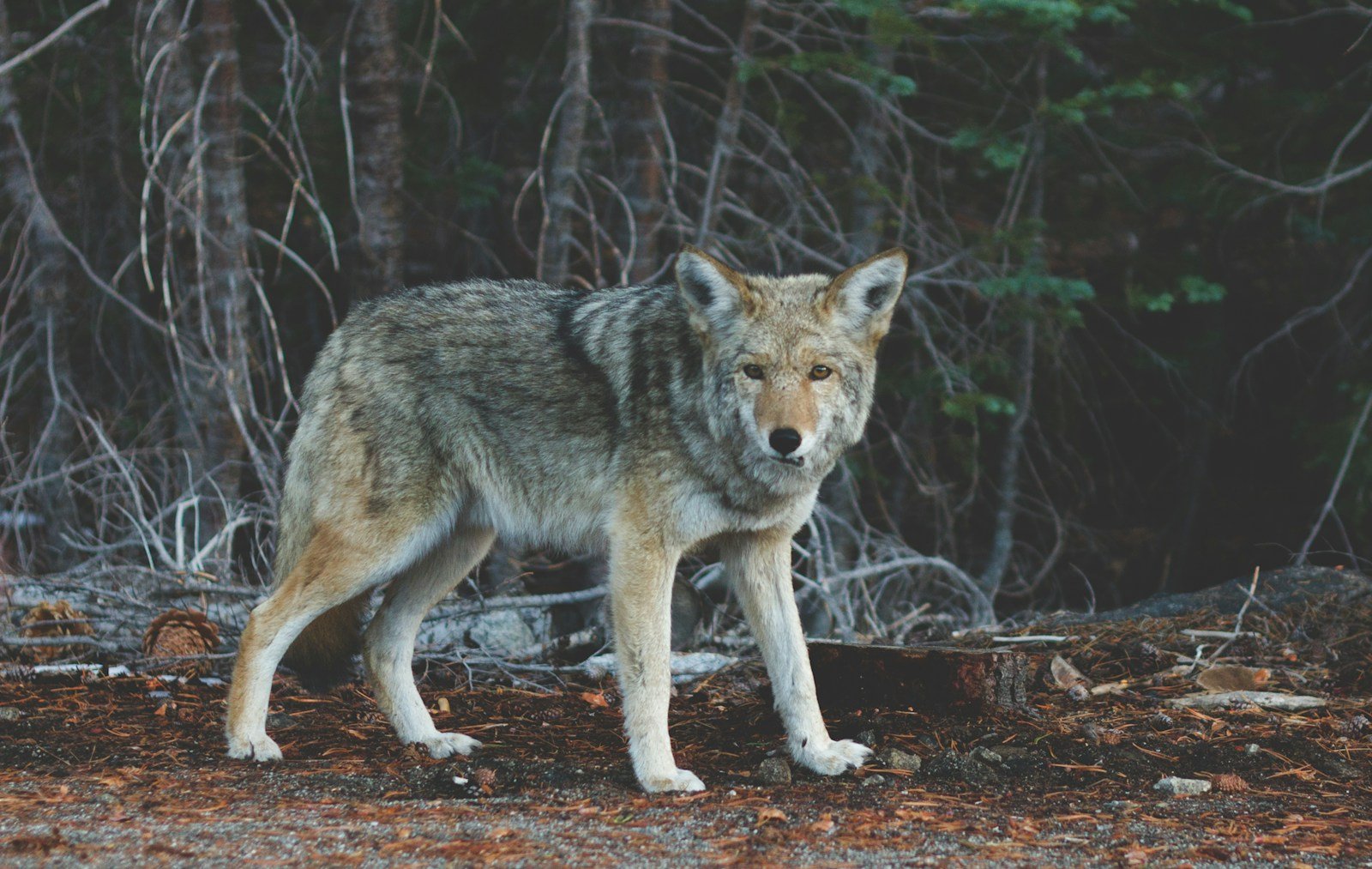
Ultimately, the reintroduction of wolves to the UK is not just about returning a species to its historical habitat; it’s about addressing our collective relationship with nature and the environment. The debate encapsulates broader environmental issues, touching on biodiversity, ecological responsibility, and sustainable development. Whether or not wolves return to the UK’s wilderness, the conversation continues to challenge us to consider our role as stewards of the planet and to imagine a future where humans and wildlife coexist harmoniously.