Exploring the world of paleontology often feels like stepping into a time machine, where every fossil serves as a window into the past, revealing an astonishing story of Earth’s dynamic history. Within the heart of this ancient narrative, Britain stands out, not only for its rich geological tapestry but also for its peculiar fossil discoveries. From bizarre sea creatures to unexplained lifeforms, these fossils challenge our understanding of prehistoric life with their eccentric shapes and enigmatic origins. Let’s delve into some of the weirdest British fossils ever discovered and uncover the stories they have to tell.
Unveiling the Jurassic Giant: Rutland Sea Dragon
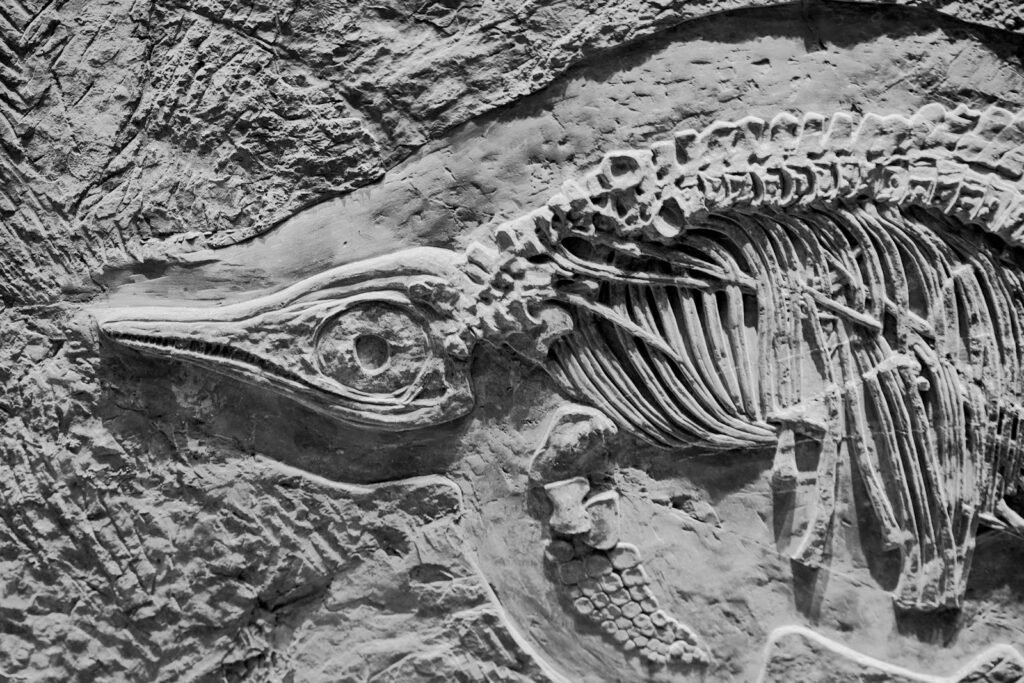
Discovered in January 2022 in Rutland, the “Sea Dragon” is one of the largest and most complete ichthyosaurs unearthed in the UK. Measuring around 10 meters in length, this marine reptile roamed the oceans some 180 million years ago. Its serpentine body and sharp, tooth-filled jaws evoke images of mythical sea monsters. The Rutland sea dragon provides crucial insights into marine life during the Jurassic period, illustrating how these predators adapted to become one of the ocean’s dominant forces.
The Curious Case of the Wirral Mystery Fossil
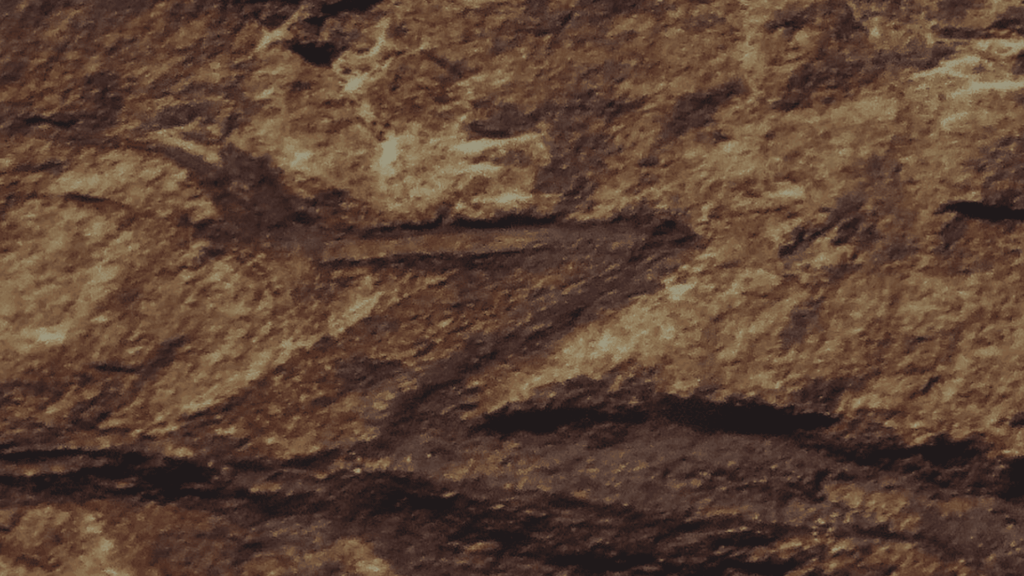
In 2020, fossil enthusiasts in Wirral stumbled upon an unidentifiable ancient specimen. Initially mistaken for a rock, this fossil features peculiar circular patterns and remains a conundrum for paleontologists. While some speculate it could be a coral or sponge, its exact lineage remains shrouded in mystery. Such enigmatic fossils spark scientific debates and fuel imaginations, reminding us that not all prehistoric life fits neatly into our existing taxonomies.
Predatory Puzzles: The Bearsden Shark

The discovery of the Bearsden Shark in Scotland unveiled a creature with complex features dating back 330 million years. Known for its unusual head and body structures, this shark exhibited a combination of characteristics from other prehistoric fishes, which initially puzzled scientists. With intricate cartilaginous skeletons and sharp spines, the Bearsden Shark showcases the diversity and adaptability of early vertebrate life in ancient oceans, blurring the lines between familiar classifications.
Archelon’s Miniature Ancestor: The Plesiochelys
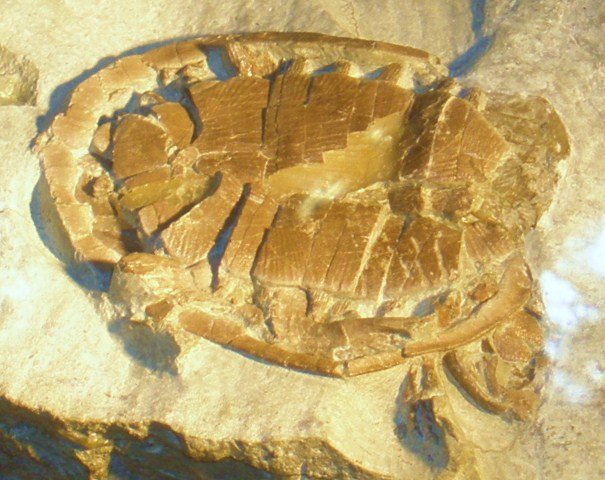
While the giant Archelon turtles are renowned, Britain’s own Plesiochelys offers a fascinating glimpse into the evolution of such marine reptiles. This species, smaller than its famed descendant, roamed the waters around 150 million years ago. Discovered in Dorset, the Plesiochelys fossil demonstrates the early development of protective shells and paddle-like limbs, pivotal adaptations for thriving in marine environments.
Beneath the Chalk: The Chilton Paleocarcharodon
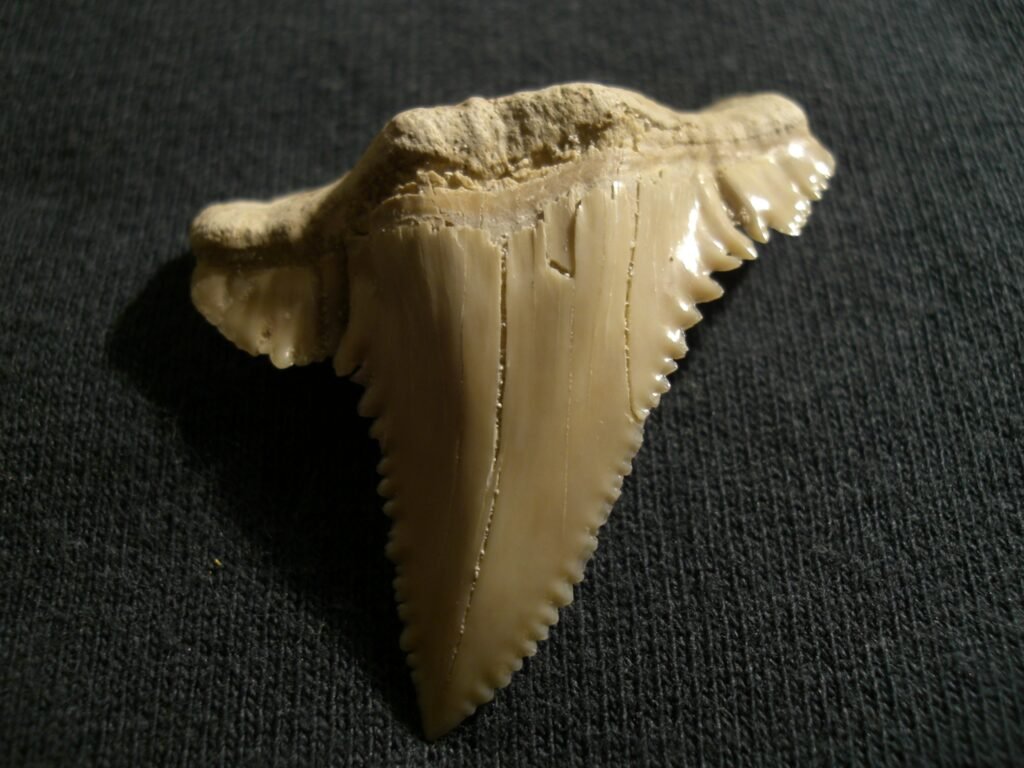
The Paleocarcharodon marks an intriguing ancestral lineage of modern great white sharks. Found in the chalk beds of Chilton, its serrated teeth hint at a formidable predator of its time. These remnants, dating back to the Paleocene epoch, showcase early adaptations for efficient predation, highlighting evolutionary stages that eventually led to modern marine apex predators.
Mysterious Marsupial: The English Thylacine
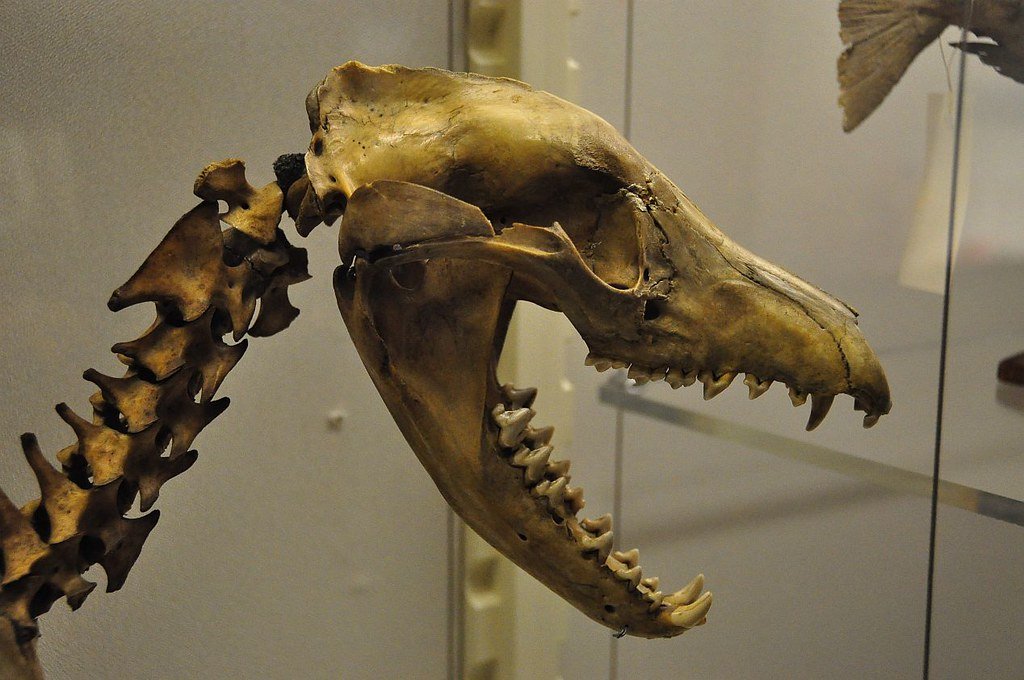
Fossils found in areas like Oxfordshire point to the presence of marsupial-like mammals. Although bearing a resemblance to Australia’s modern-day thylacines, these prehistoric creatures were smaller and adapted to the landscapes of ancient Britain. Their discovery provides evidence of diverse mammalian life during the Cretaceous period and challenges our understanding of past animal distributions.
The Uncommon Opabinia of the Ordovician
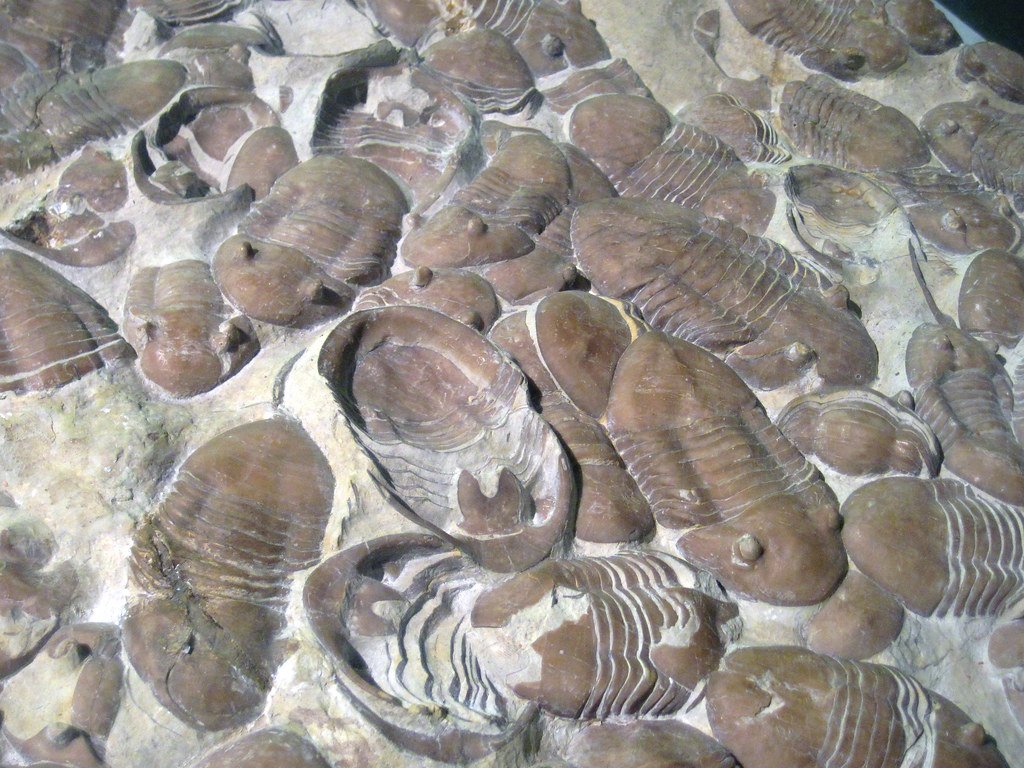
Fossils from the Ordovician period akin to Opabinia, known for their bizarre body structures and unique appendages, have baffled researchers since their initial discovery. These creatures showcase evolutionary experimentation, reflecting an era when nature seemed to toy with various anatomical possibilities. Such finds highlight the complex pathways evolution can take, resulting in lifeforms that are both mystifying and mesmerizing.
The Elusive ‘Devil’s Toenails’
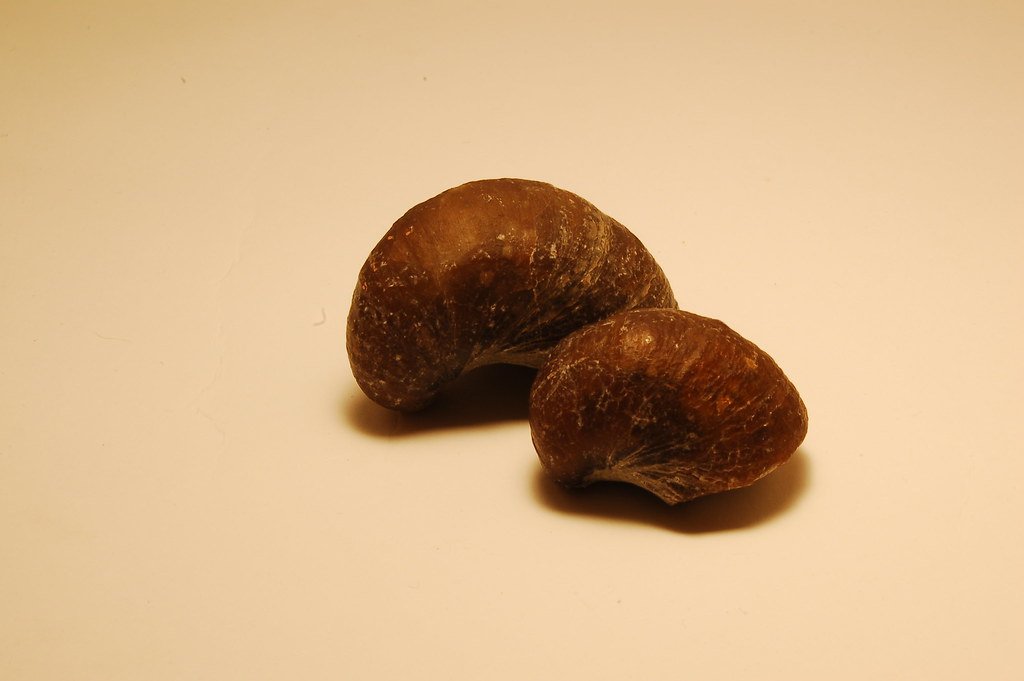
Also known as Gryphaea, these fossils resemble twisted claws and were often referred to as “Devil’s Toenails” by local folklore. Found along British coastlines, Gryphaea are bivalves from the Jurassic period. Their distinctive spiraled shape has captivated fossil hunters for centuries, providing clues to past marine environments and sediment conditions.
The Woolly Mammoth’s Unexpected Pebble

While the woolly mammoth isn’t unique to Britain, a peculiar fossil find in the 19th century changed its narrative. Found adjacent to mammoth remains, an unusually placed smooth pebble sparked debates about the cognitive abilities of these giant creatures. Some suggest it might have been an intentional tool or object, offering intriguing insights into early animal behavior.
The Diversity of Devon’s Hagenosaurus
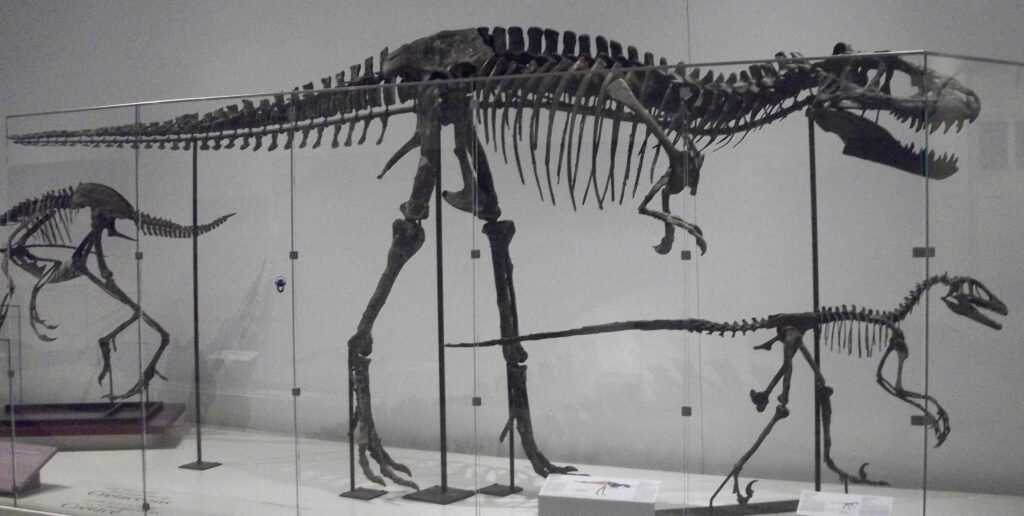
Hagenosaurus, a rare marine reptile, was discovered in the layers of Devon. Known for its flat, broad body and slender limbs, it draws parallels to both turtles and prehistoric fish. This fossil provides evidence of unique evolutionary adaptations to prehistoric lagoons, showcasing the rich ecological tapestry of ancient Devon.
Conclusion: A Journey Beyond the Ancients

Britain’s fossil record is a testament to the planet’s complex history, offering glimpses into diverse ecosystems and the evolutionary forces at play. Each peculiar find paints a broader picture of life’s adaptability and creativity. As paleontologists continue to unearth these ancient secrets, one thing is clear: the story of our prehistoric past is far from complete. As new fossils are discovered, they promise to challenge, enlighten, and inspire curiosity for generations to come.