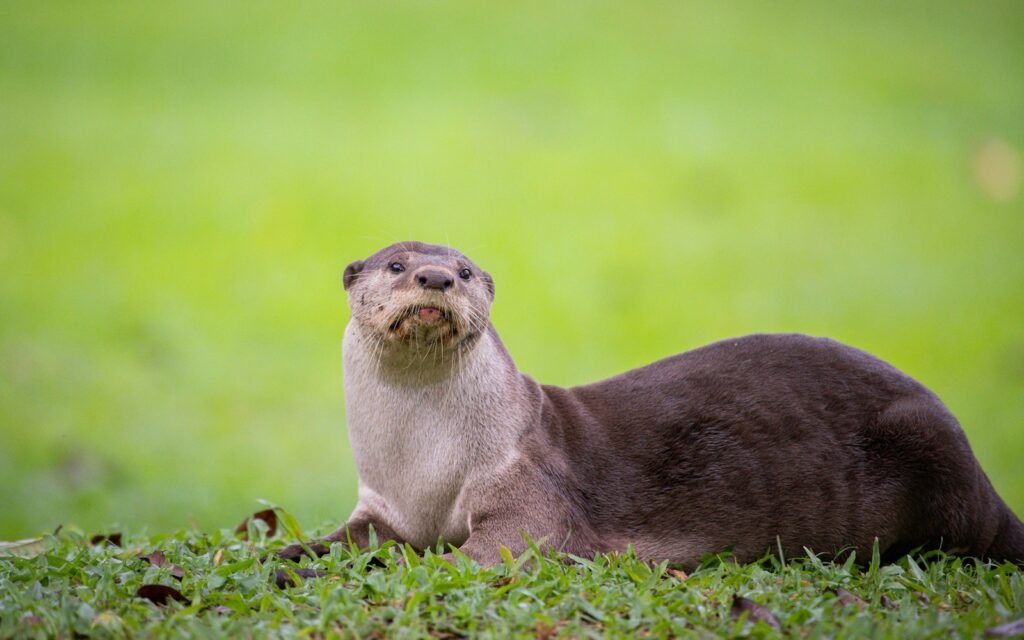

In the bustling city-state of Singapore, home to nearly 6 million people, the sight of otters prancing along waterways is both delightful and perplexing to many. Urban wildlife is not uncommon, but the thriving otter population in Singapore represents a unique success story. Despite rapid urbanization, these playful creatures have carved out a niche for themselves in a cityscape typically dominated by concrete and steel. This article delves into the reasons behind the remarkable adaptation and survival of otters in Singapore, exploring the harmonious relationship between nature and urban environments.
The Otter’s Journey to Singapore
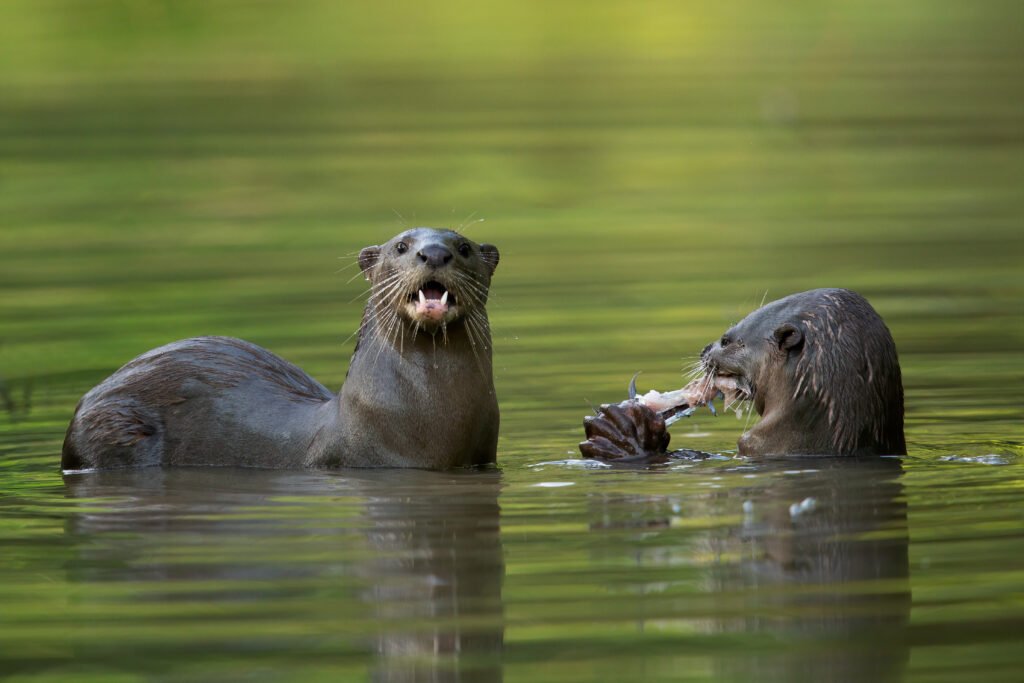
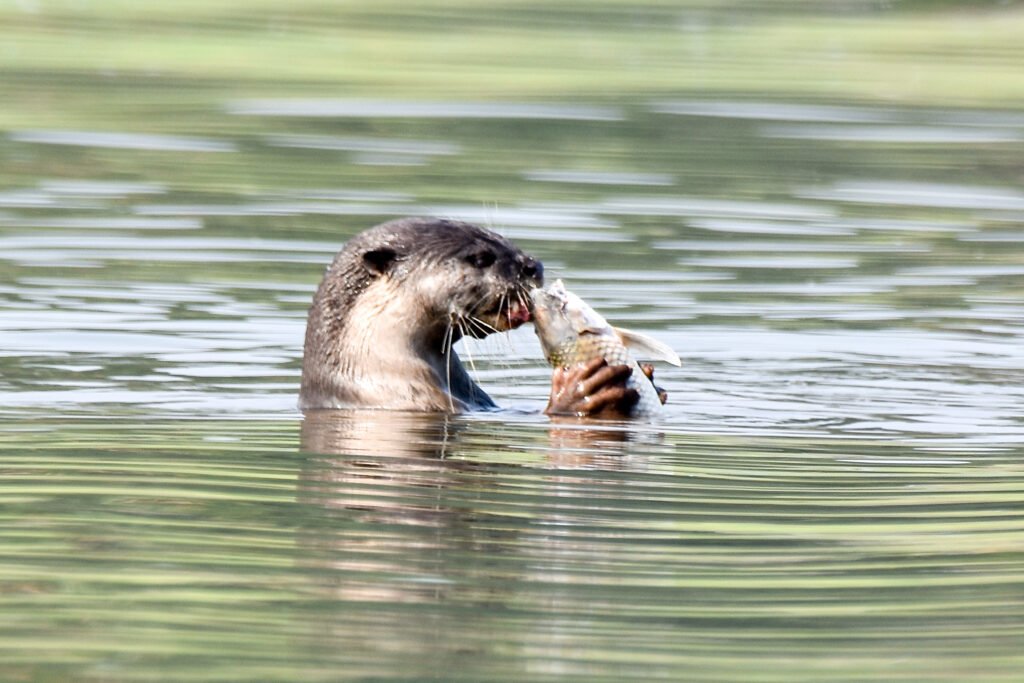
Singapore’s otters, specifically the smooth-coated otters (Lutrogale perspicillata), are native to Southeast Asia. Once on the brink of local extinction due to habitat loss and pollution, their resurgence in Singapore’s waterways is a testament to the city’s effective environmental policies and habitat restoration efforts. The otters’ presence in the city began to be notably observed in the early 2000s, making a comeback decades after disappearing from the region in the 1970s.
A Favorable Environment

One significant factor in the otters’ thriving population is Singapore’s commitment to creating a ‘City in a Garden.’ The initiative aims to integrate more green spaces into urban planning, leading to cleaner waterways that mimic natural habitats. The otters have capitalized on this cleaner, greener environment, finding ample food sources and nesting areas amidst the city’s surprising biodiversity.
Adaptation to Urban Life
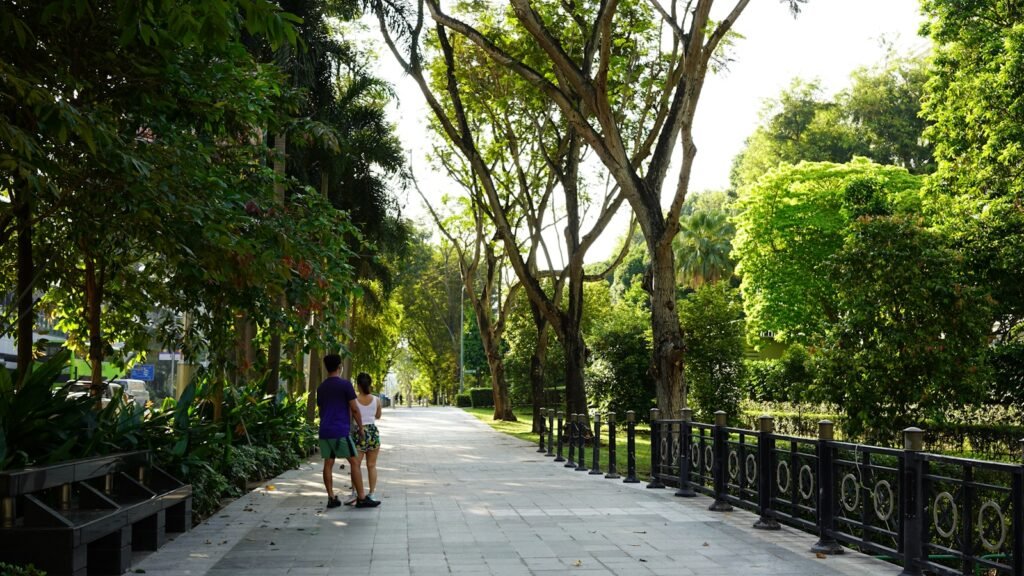
Singapore’s otters have shown remarkable adaptability to urban life. They have become adept at navigating canal systems, parks, and urban reservoirs, which serve as both hunting grounds and havens from predators. Unlike rural otters, which face threats from large predators, urban otters in Singapore have fewer natural enemies, allowing their populations to flourish.
The Role of Public Engagement
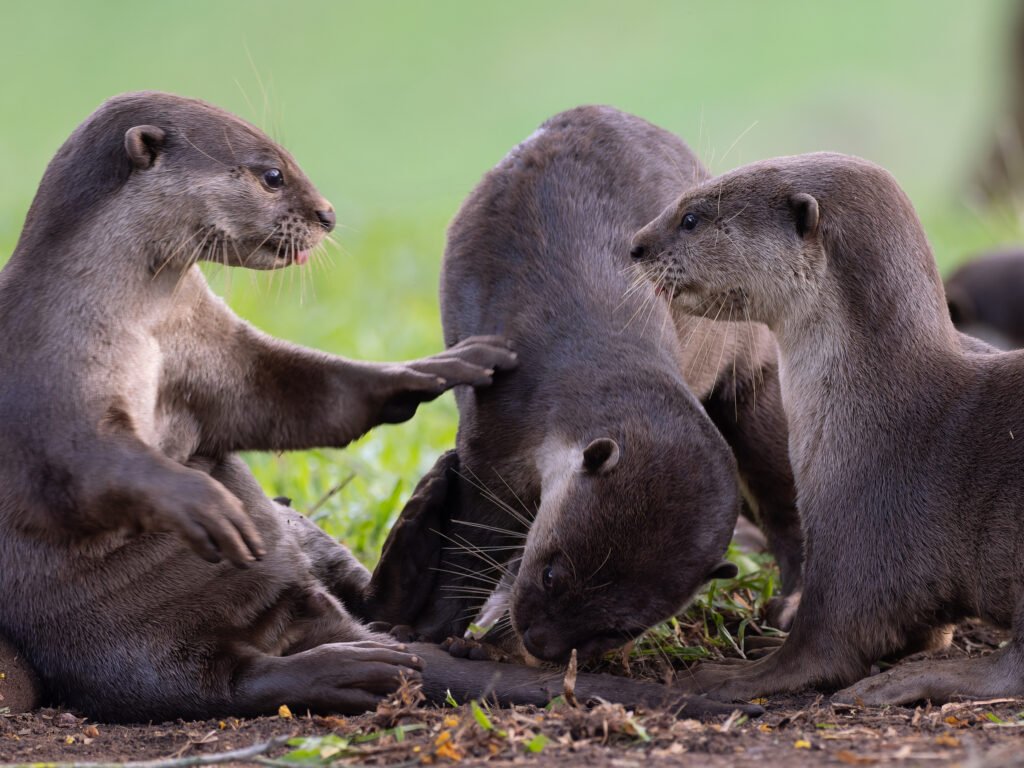
A crucial element in preserving the otter population in Singapore is the active engagement of the public. Singaporeans have developed a deep fascination and affection for these playful mammals, often sharing their sightings on social media and engaging in citizen science initiatives. This interest and engagement promote conservation efforts and foster a protective community attitude towards the otters.
Collaborative Conservation Efforts

The successful integration of otters into Singapore’s urban ecosystem is also attributed to collaborative efforts between government bodies, wildlife conservation groups, and the community. The National Parks Board along with several NGOs work tirelessly to monitor otter populations, ensuring their habitats are preserved and conflicts with human activities are minimized.
Challenges Faced by Urban Otters

Despite their success, otters in urban settings face their own set of challenges. These challenges include potential vehicle accidents when crossing roads, disturbances from human activities, and occasional conflicts with fishermen. Nonetheless, ongoing awareness campaigns and infrastructure modifications, such as installing wildlife crossings, aim to mitigate these risks.
The Ecological Impact of Otters
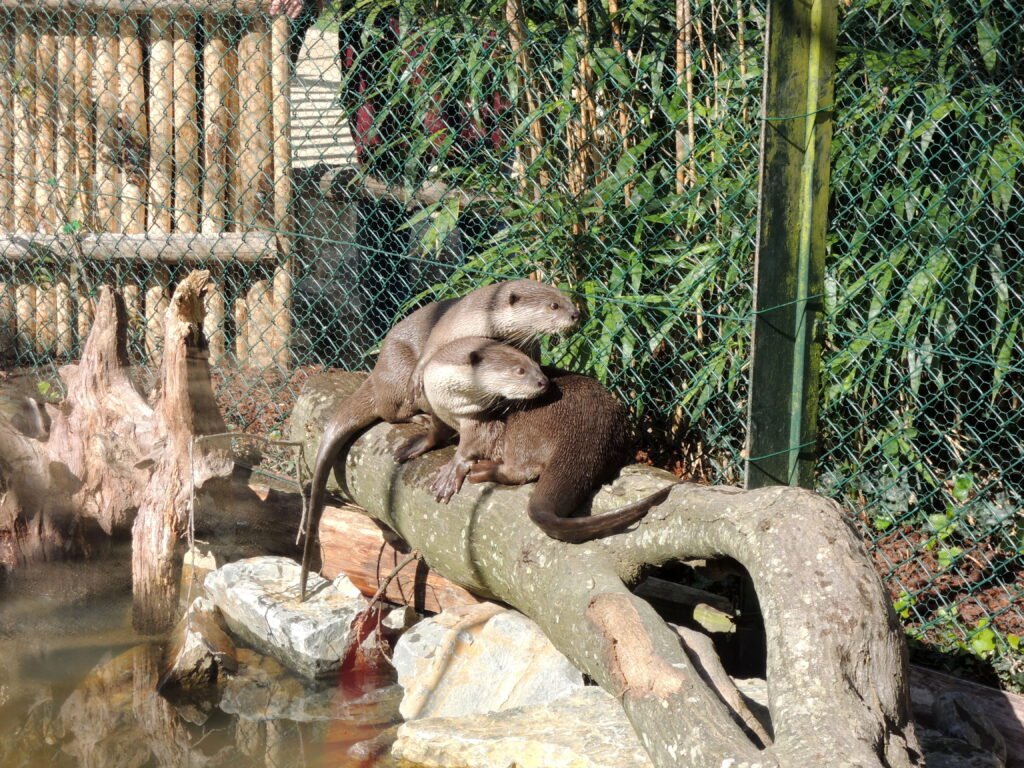
Otters play a crucial role in maintaining the balance in local ecosystems. As apex predators, they help control fish and mollusk populations, contributing to the ecological health of waterways. Their presence is an indicator of a healthy environment, highlighting the success of Singapore’s environmental restoration efforts.
Future of Otters in Singapore
Looking ahead, the future of otters in Singapore seems promising. Continued efforts in habitat enhancement, community education, and conflict prevention will likely see the otter population maintain a stable presence in the city. Moreover, as urban planning increasingly considers the needs of wildlife, otters can continue to thrive alongside human developments.
Conclusion: A Model of Coexistence
In conclusion, the thriving otter population in Singapore is a beacon of hope for urban wildlife conservation. It showcases the possibility of harmonious coexistence between wildlife and human urban environments. Through committed conservation efforts, public awareness, and strategic urban planning, Singapore sets a precedent for other cities worldwide to follow. By nurturing such symbiotic relationships, cities can enrich their biodiversity and improve the quality of life for all living beings sharing their space.