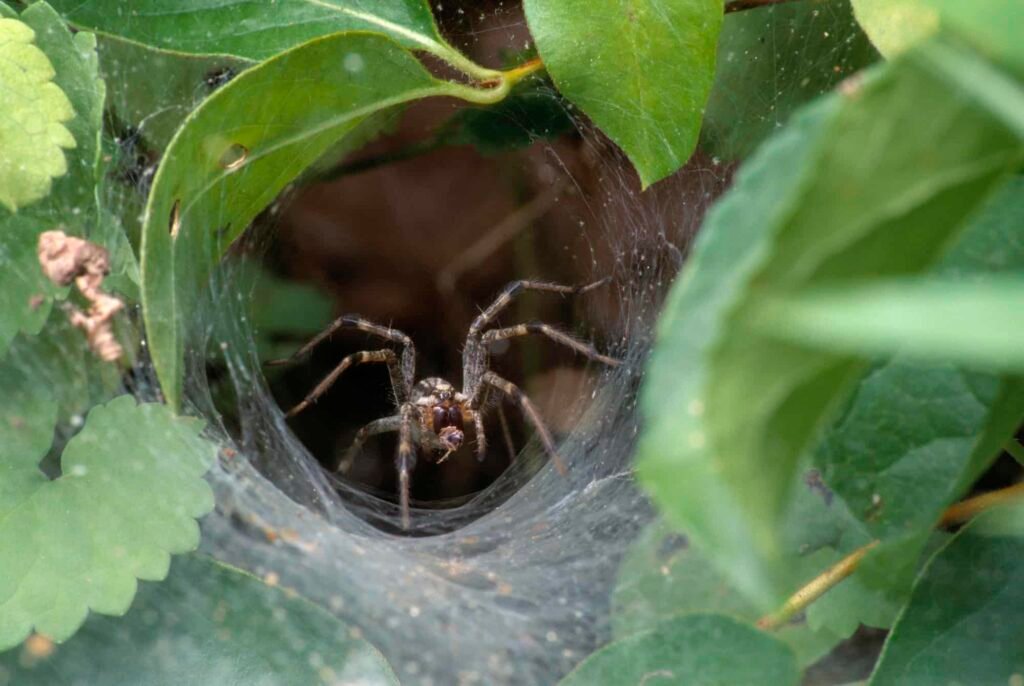
Australia is renowned for its stunning landscapes, diverse ecosystems, and unique wildlife. Yet beneath its picturesque surface lies a world where some of nature’s most venomous creatures reside. From lurking arachnids to elusive marine life, Australia’s venomous animals hold a fascinating and sometimes fearsome place in both local lore and scientific study. This article delves into the captivating science behind these creatures, exploring what makes them so deadly and how they contribute to the ecological tapestry of the continent.
Venom Evolution: A Deadly Adaptation
Venom is a sophisticated biological weapon used by various creatures for defense, predation, or competition. In Australia, many species have evolved to produce highly specialized venoms, a process that has taken millions of years. Fascinatingly, the potency and composition of these venoms are tailored to function efficiently within each species’ ecological niche, targeting specific prey or predators.
Australia’s Most Dangerous Spider: The Funnel-Web

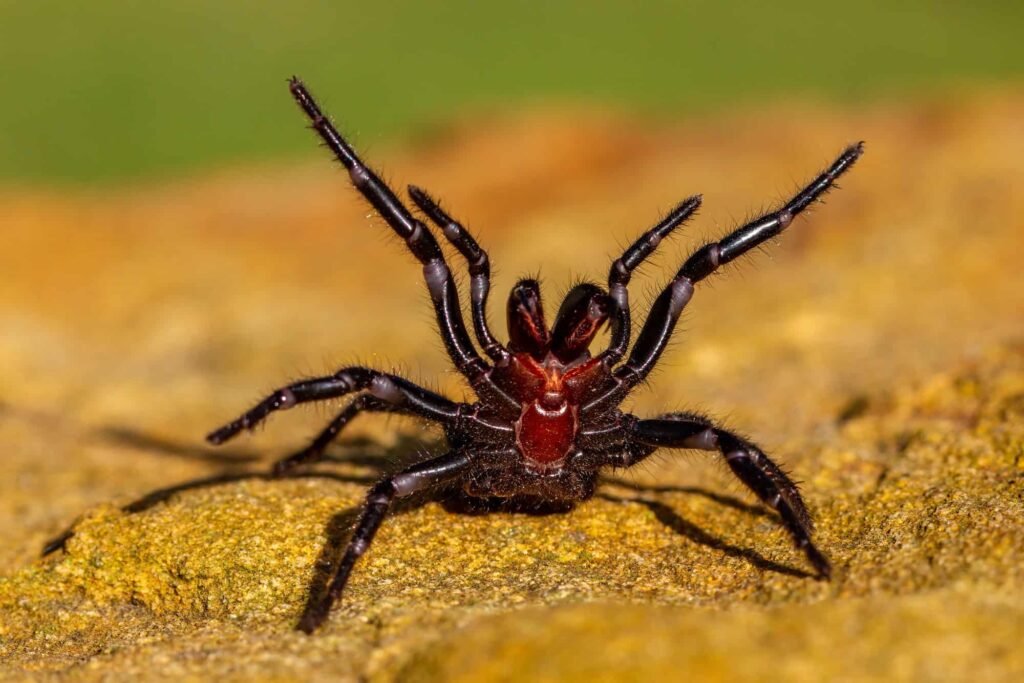
The Sydney Funnel-web spider is notorious for its potentially fatal bite. Found in the moist forested regions near Sydney, this spider is equipped with large fangs and potent venom that acts quickly on the nervous system. While antivenom has significantly reduced fatalities, the funnel-web’s aggression and potent venom make it one of Australia’s most feared spiders.
Blue-Ringed Octopus: Tiny but Terrifying

Despite its small size, the blue-ringed octopus is one of the ocean’s most venomous creatures. Found in tide pools and coral reefs along Australia’s coast, this octopus can administer a neurotoxic venom called tetrodotoxin. This can cause paralysis and, in severe cases, be fatal to humans if medical intervention isn’t swiftly provided.
Box Jellyfish: The Silent Predator

Roaming the northern coastal waters, the box jellyfish is infamous for its almost invisible nature and lethal sting. Its venom is so potent that it can cause heart failure, extreme pain, and death within minutes. Box jellyfish are especially active during the warmer months, posing a serious threat to swimmers. Safety measures and awareness campaigns help mitigate risks to humans during jellyfish season.
Snakes of the Outback: Fierce and Formidable

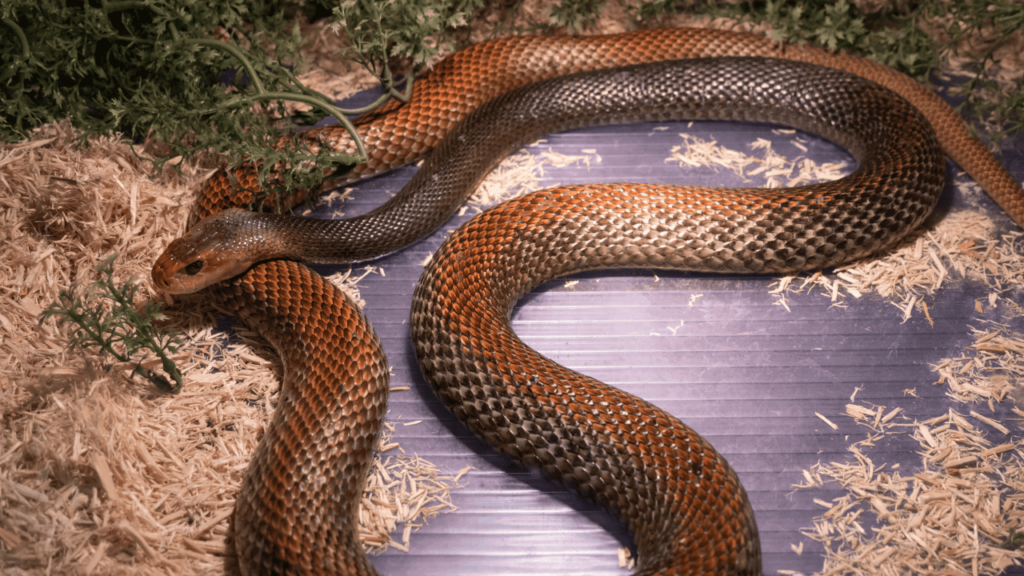
Australia hosts some of the world’s deadliest snakes, including the inland taipan, the eastern brown snake, and the coastal taipan. These snakes possess neurotoxic venom potent enough to kill a human, though antivenom and quick medical response have reduced fatalities. Snake encounters are more common in rural and suburban areas, prompting education on identifying and avoiding these potentially dangerous reptiles.
Stonefish: The Master of Camouflage

The stonefish is regarded as the most venomous fish globally, notorious for its ability to blend seamlessly with rocky sea floors. When stepped on, its dorsal fin spines deliver potent venom that can cause excruciating pain, paralysis, and even death if left untreated. Their presence along reef and rock pool areas emphasizes the need for caution among swimmers and divers.
The Defensive Platypus

Australia’s unique monotreme, the platypus, is known not only for its peculiar appearance but also for the venomous spurs found on the males’ hind legs. Although not lethal to humans, the venom can cause severe pain and swelling, serving primarily as a defense mechanism against predators or rivals during mating seasons.
How Venom Affects the Human Body

Venoms are complex cocktails of proteins and peptides designed to interrupt biological processes in prey or threats. In humans, the effects can range from minor irritation to severe systemic reactions. Characteristic symptoms include pain, swelling, paralysis, and in extreme cases, can lead to organ failure or death. Understanding these mechanisms is crucial for developing effective antivenoms.
Advancements in Venom Research
The study of venom has not only enhanced our understanding of these animals but has also contributed to medical advancements. Venoms are being researched for their potential in developing novel treatments for conditions such as hypertension, heart disease, and cancer. This intersection of ecology and medicine underscores the importance of conserving Australia’s biodiversity.
Respecting and Coexisting with Venomous Wildlife

Acknowledging the presence of venomous creatures is a part of life in Australia, necessitating a healthy respect for nature’s capabilities. Safety education, habitat conservation, and responsible tourism practices are essential for minimizing human-animal conflicts and preserving the ecological balance.
Seasonal Movements and Human Interaction
Many venomous animals exhibit seasonal patterns, with some becoming more active during warmer months. Public awareness campaigns highlight these periods to reduce the risk of negative encounters. Australians are encouraged to learn safe practices and understand the territorial behaviors of local wildlife, reducing the chances of potentially dangerous interactions.
The Importance of Ecosystem Roles

Despite their fearsome reputation, venomous animals play pivotal roles in their ecosystems. They control the population of prey species, maintain the balance within food webs, and contribute to the ecological health of their environments. Their presence often indicates a healthy ecosystem, supporting broader biodiversity.
Conclusion: A Complex Relationship
Australia’s venomous creatures are a testament to the wonders of evolution and the complexity of nature. They inspire both caution and awe, reminding us of the delicate balance between humans and wildlife. As we continue to study and understand these creatures, our respect for their ecological roles and potential contributions to science grows, reinforcing the value of preserving these remarkable animals and their habitats.