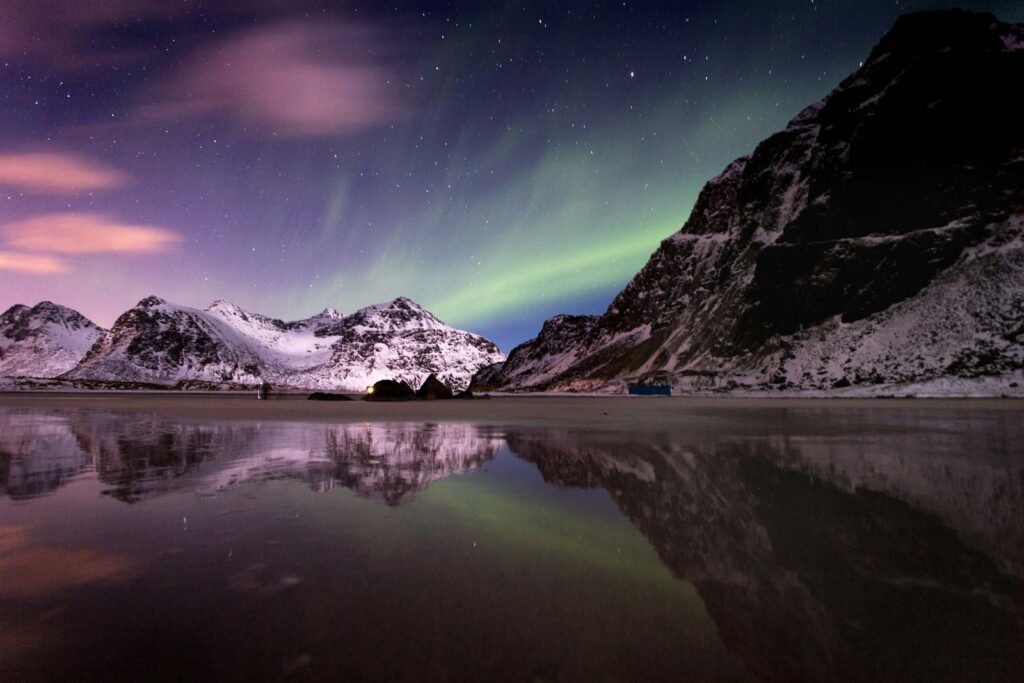
The Northern Lights, or Aurora Borealis, paint the night skies with their ethereal glow, captivating the hearts of onlookers in Canada’s northern regions. Often described as nature’s own light show, these luminous phenomena intrigue and inspire both scientists and sky-gazers alike. Let’s delve into the science behind these spectacular displays to better understand their origins and what makes Canada a prime destination for witnessing their magic.
Understanding the Aurora Borealis
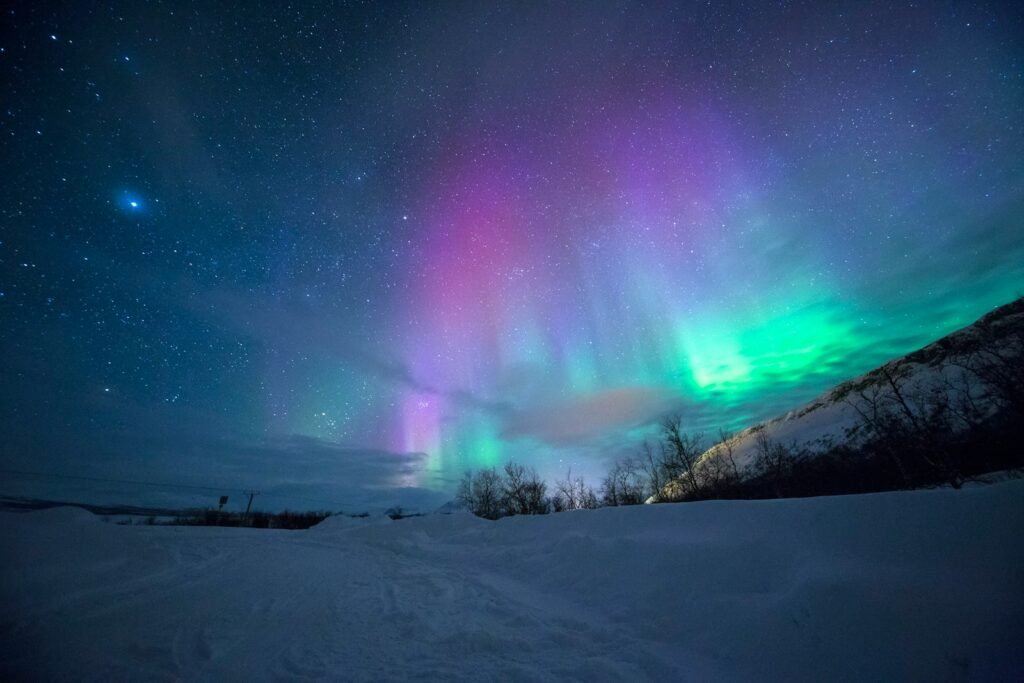
The name “Aurora Borealis” is derived from Aurora, the Roman goddess of dawn, and Boreas, the Greek god of the north wind. This poetic nomenclature reflects the enchanting dance of light that graces the polar skies. But what exactly are these shimmering curtains of color? Scientifically, they are the result of interactions between the sun and Earth’s magnetic field.
The Role of the Sun
The sun is the primary driver of the Northern Lights phenomenon. It emits a constant stream of charged particles known as the solar wind. During periods of high solar activity, such as solar flares and coronal mass ejections, the intensity of this particle stream increases dramatically.
Earth’s Magnetic Shield
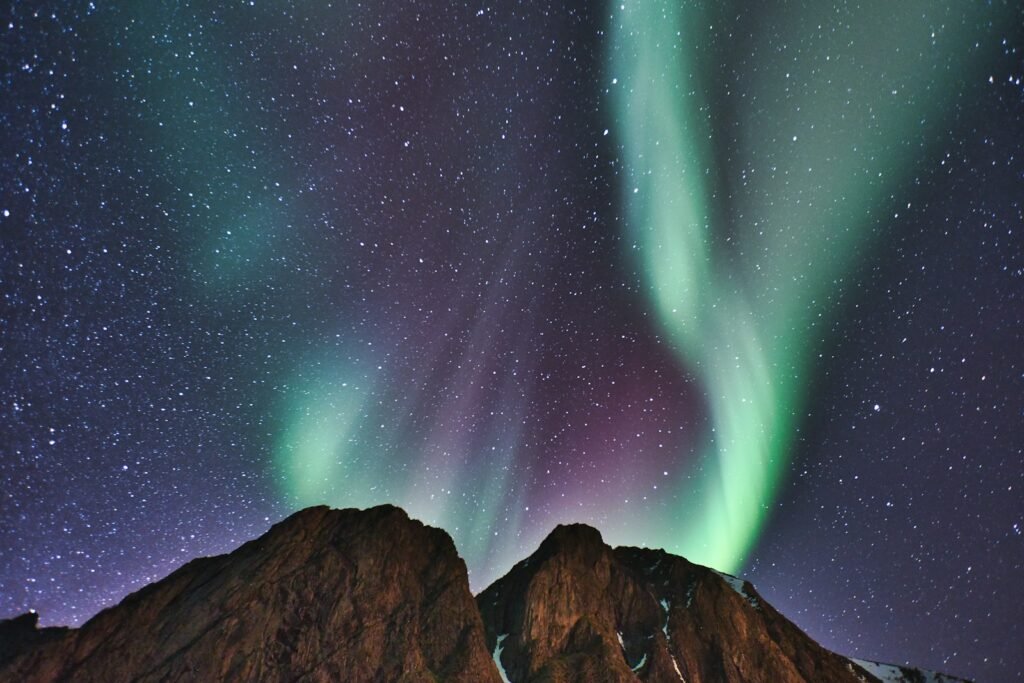
As these charged particles approach Earth, they encounter our planet’s magnetic field, which acts as a protective shield. This magnetic field directs the particles towards the poles, where they interact with gases in the atmosphere, chiefly oxygen and nitrogen, leading to the production of light.
The Science of Light Production

When solar particles collide with atmospheric gases, energy is transferred, temporarily exciting the gas molecules. As these molecules revert to their stable state, they release energy in the form of light. The specific colors of the auroras depend on the type of gas involved and its altitude. Oxygen, for example, can produce green and red glows, while nitrogen can emit purples, blues, and pinks.
Why Canada?
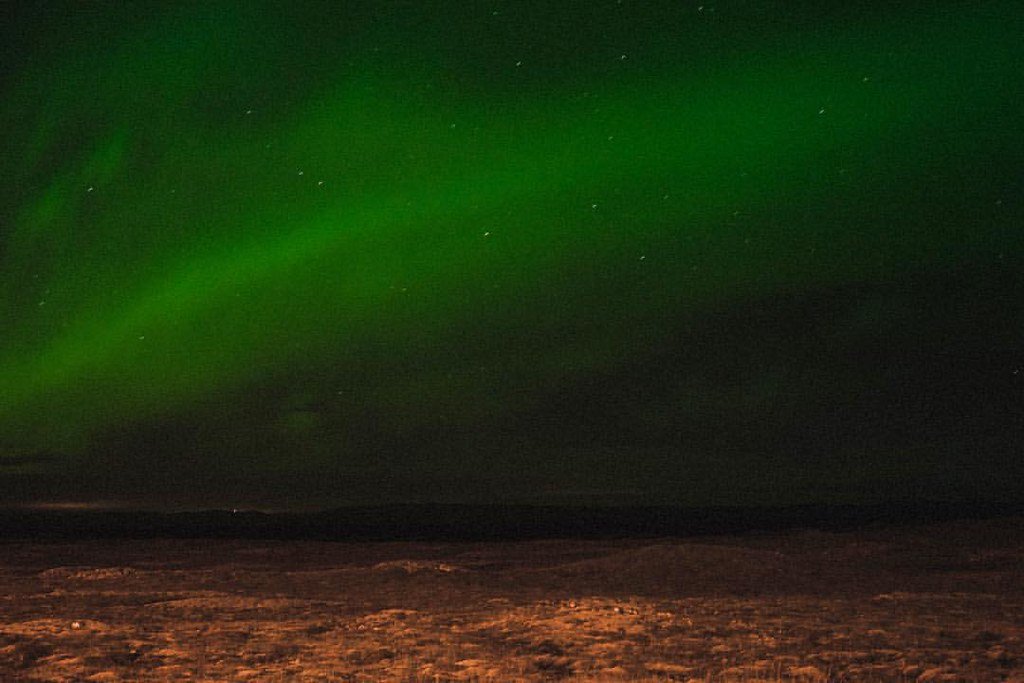
Canada is ideally situated beneath the auroral oval, the region around the magnetic poles where auroras are most frequently observed. The vast, unspoiled northern territories offer pristine conditions with minimal light pollution, making Canada one of the best places in the world to witness this natural marvel.
Chasing the Lights: Best Viewing Spots
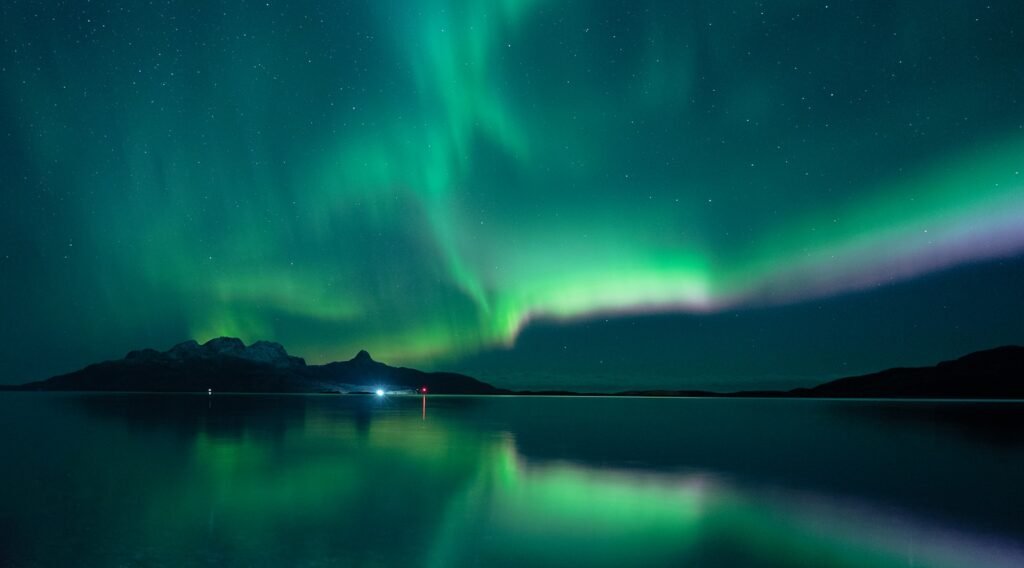
To maximize your chances of seeing the Northern Lights in Canada, visit areas like Yellowknife in the Northwest Territories, the Yukon, or parts of Manitoba. These regions boast optimal conditions for aurora viewing during winter months when the nights are longest and skies are clearest.
Timing is Everything
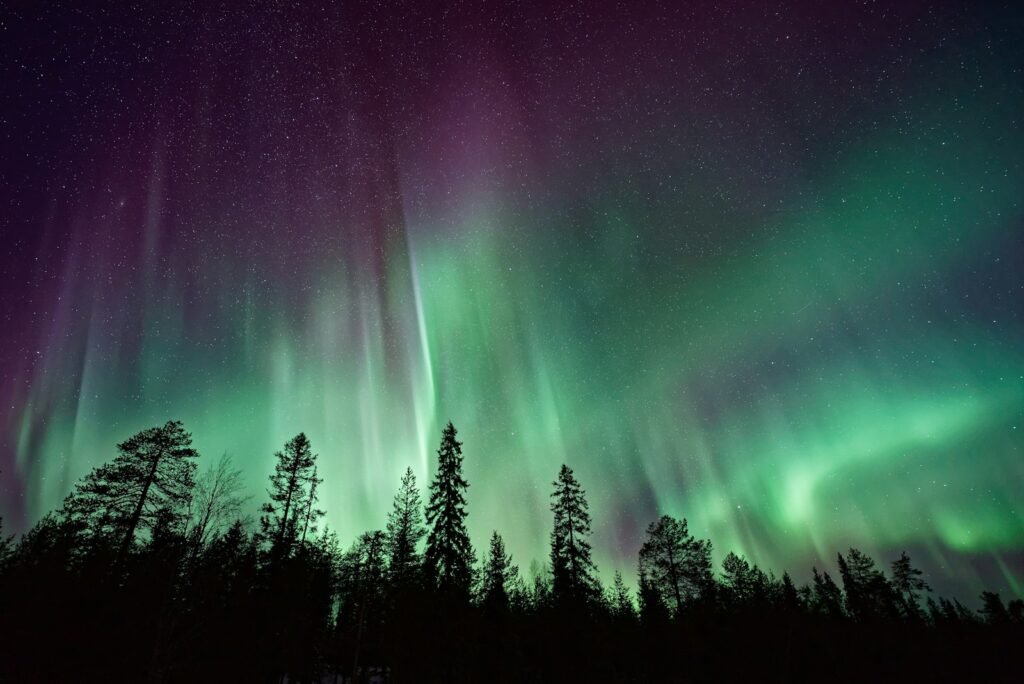
Auroras can occur at any time of year, but they are most visible from late September to early April. This is when the sky is darkest, providing the best backdrop for the illuminations. Solar activity peaks in roughly 11-year cycles, with increased solar activity correlating with more frequent and vivid displays.
Forecasting Auroras
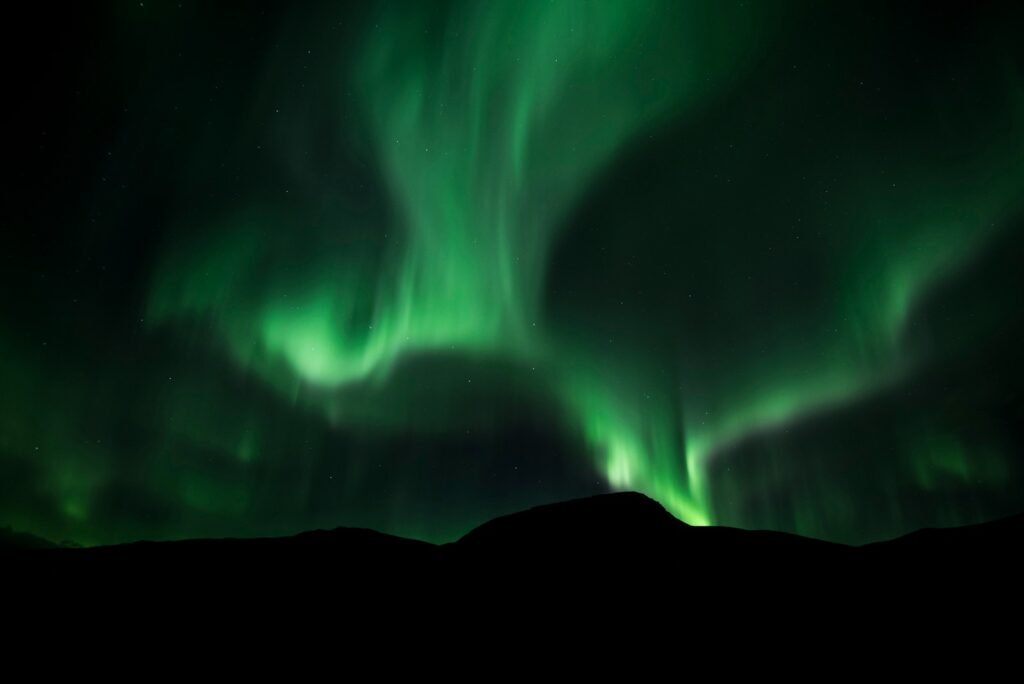
Aurora forecasts are available online and can help enthusiasts plan their viewing experiences. These forecasts analyze solar activity and predict auroral occurrences, offering insights on the likelihood of seeing the lights on any given night.
Photographing the Northern Lights
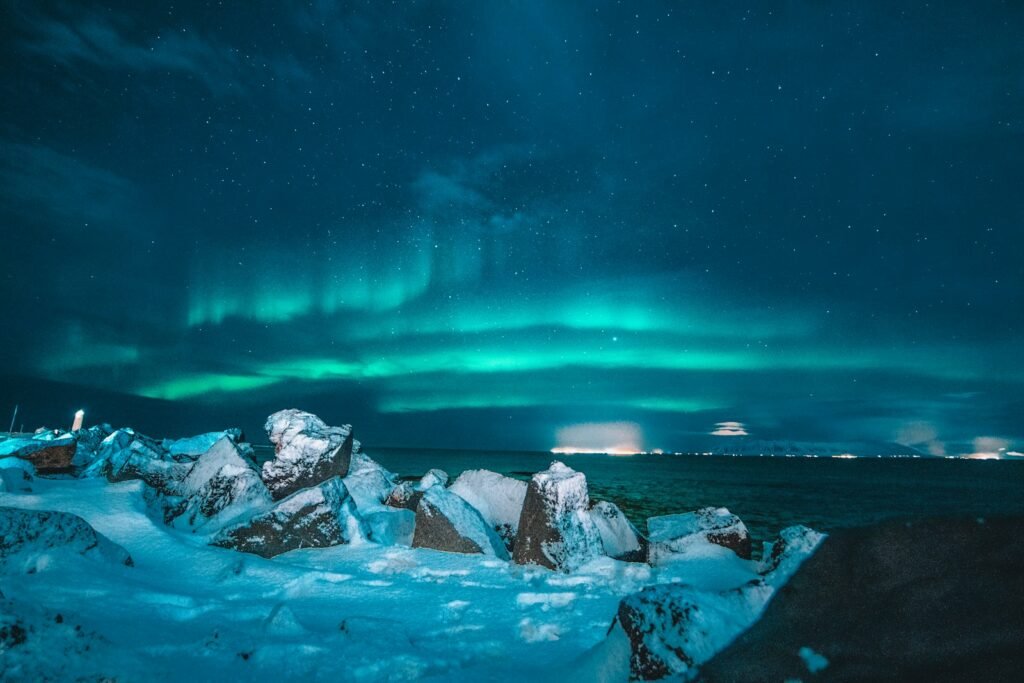
Capturing the Northern Lights on camera requires some knowledge of night photography. A tripod, wide-angle lens, and long exposure settings are essential for achieving those breathtaking images. Many tour operators also offer photography tours, providing tips and guidance for getting that perfect shot.
Cultural Significance

Throughout history, the Northern Lights have held cultural significance for Indigenous peoples in Canada and other circumpolar nations. Many legends and stories have been passed down, seeing the lights as representations of spirits, omens, or messages from the beyond.
Impact on Technology

Despite their beauty, solar activity can disrupt Earth’s magnetic field and potentially impact technology, causing issues with satellite communications, GPS systems, and even power grids. Scientists continue to study these effects to mitigate such impacts and ensure technological resilience.
Conclusion: The Science and Splendor of the Aurora Borealis
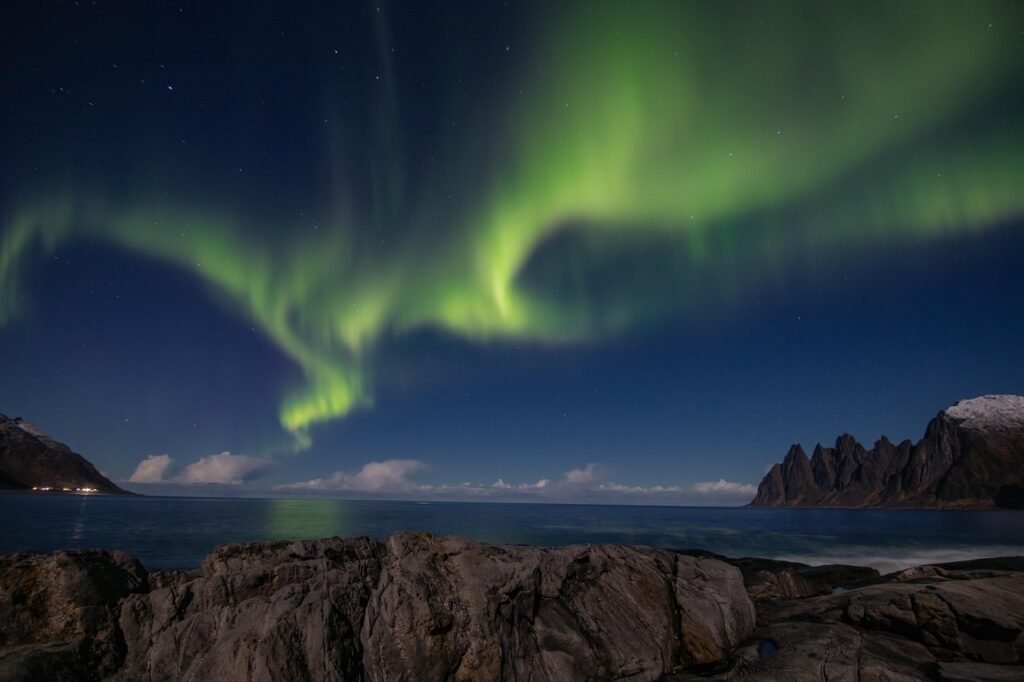
The Aurora Borealis is more than just a visual spectacle; it is a remarkable display of the complex interplay between solar winds and Earth’s magnetic field. Each aurora season offers a new opportunity to witness this dynamic phenomena. As you gaze upon the dancing lights in Canada’s northern skies, you’re not just indulging in nature’s beauty—you’re experiencing firsthand the cosmic forces that shape our solar system.