Welcome to the enigmatic realm of the Yellowstone Supervolcano, a geological marvel that has both fascinated and bewildered scientists and adventurers alike. Hidden beneath the picturesque landscapes of Yellowstone National Park lies a sleeping giant that holds more power than any volcano on Earth. Yet, with this power comes the looming question: Could this supervolcano erupt in our lifetime? Let’s delve into this captivating subject and uncover the mysteries and possible realities of this natural phenomenon.
What is the Yellowstone Supervolcano?
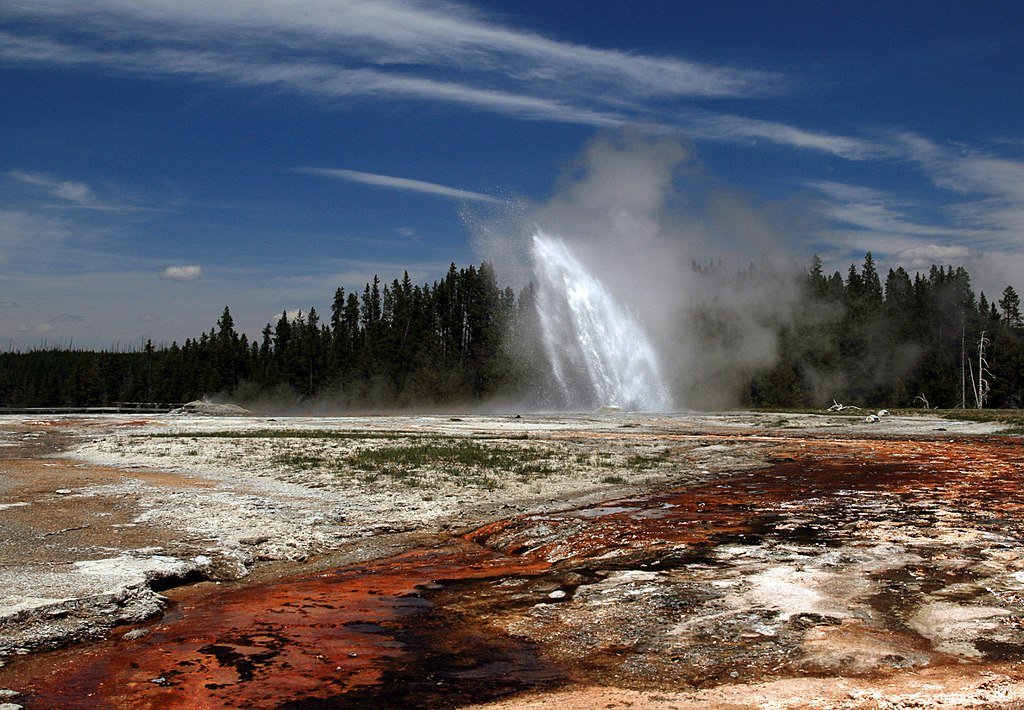
At the heart of the Yellowstone National Park lies a massive volcanic system often referred to as the Yellowstone Supervolcano. Unlike typical conical volcanoes, a supervolcano is a large depression called a caldera, formed after a colossal eruption causes the ground to collapse. Yellowstone’s caldera spans about 30 miles wide, making it one of the largest volcanic systems in the world.
The Volcanic Activity of Yellowstone
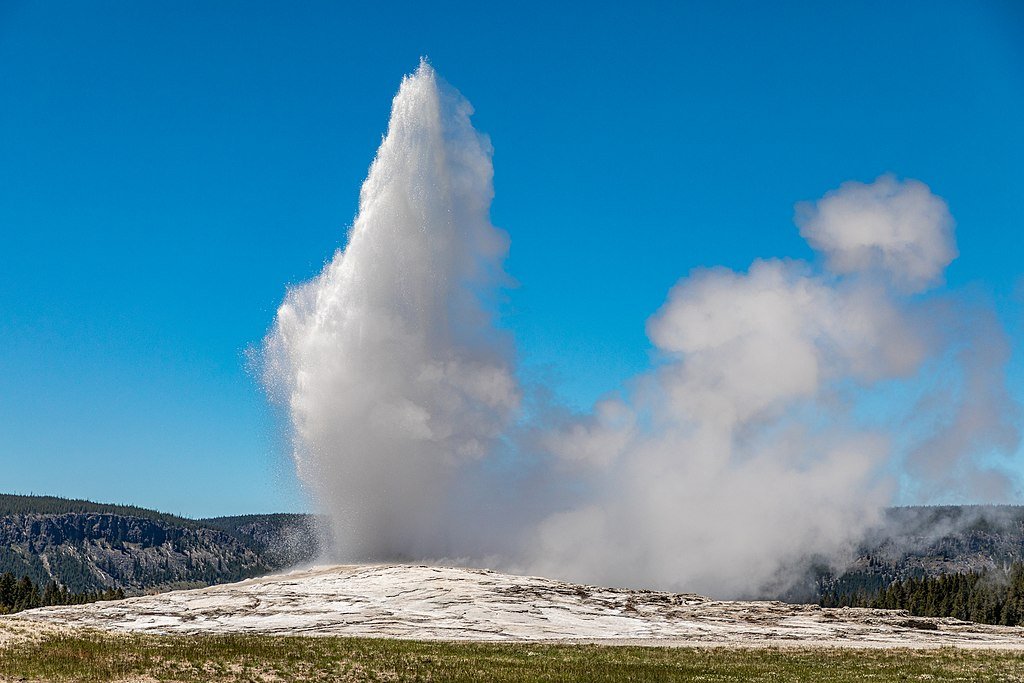
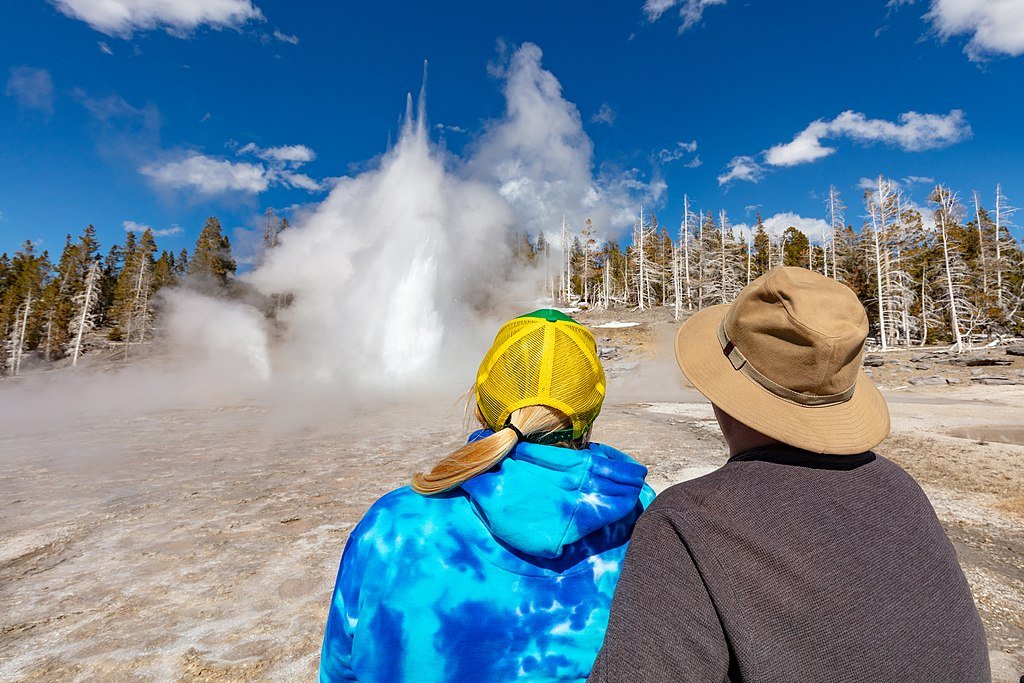
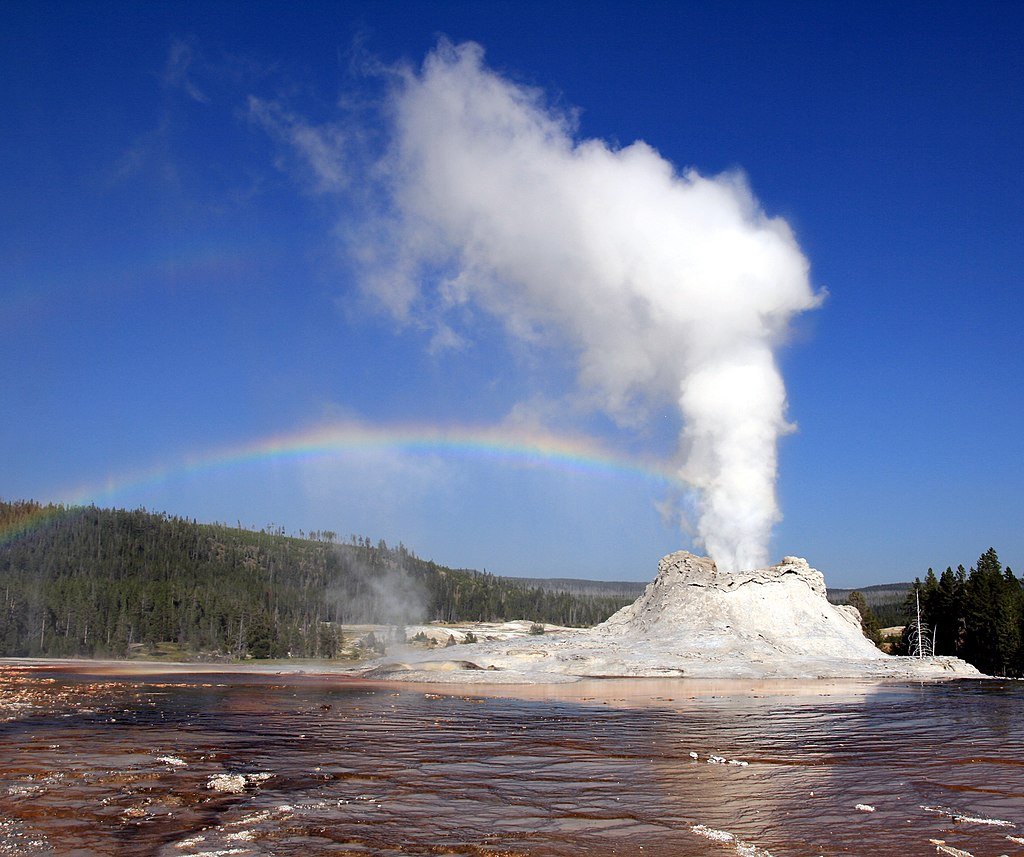
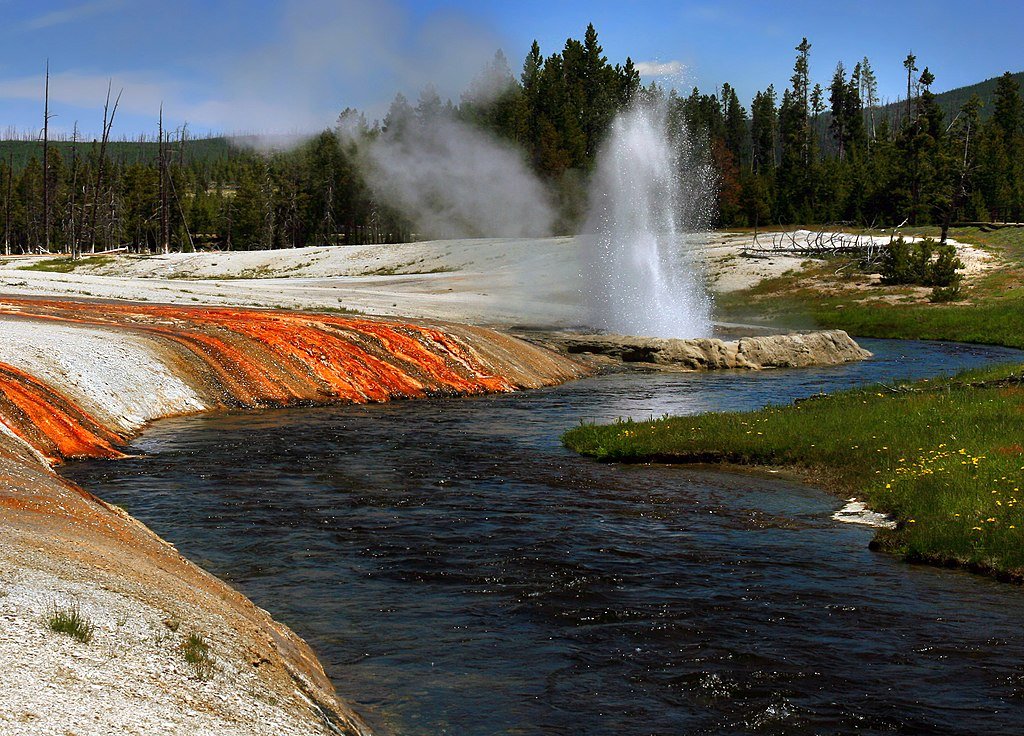
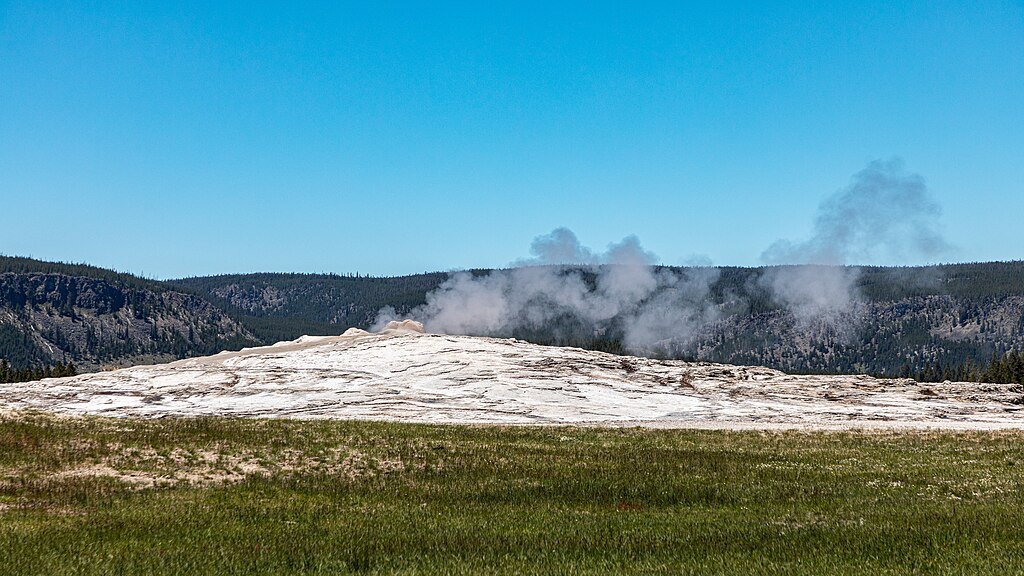
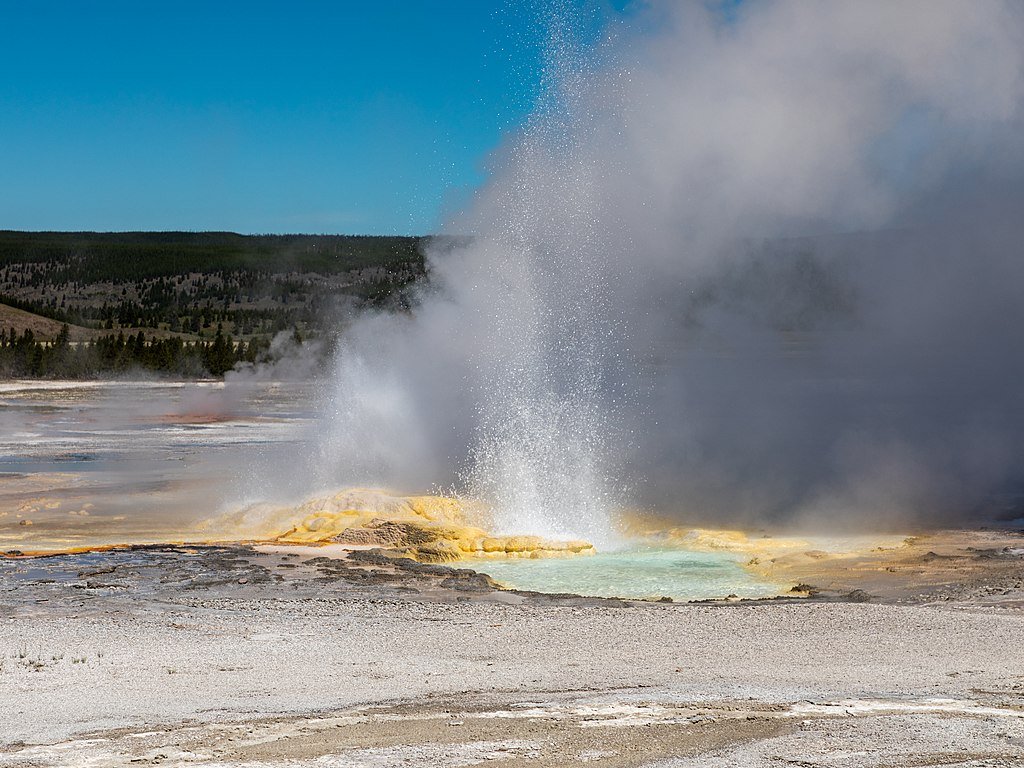
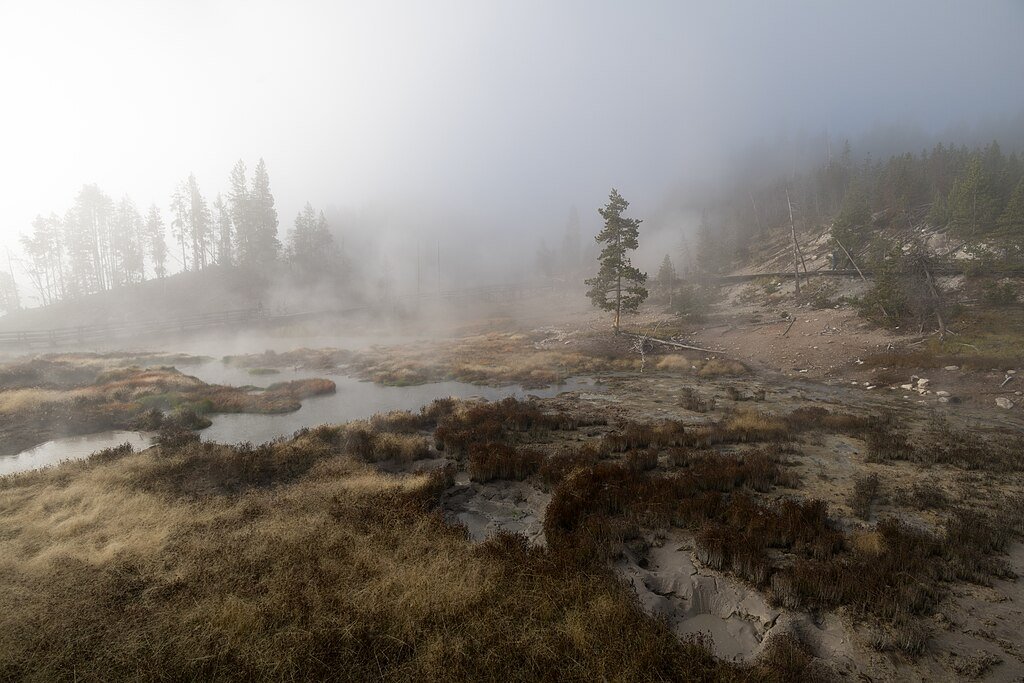
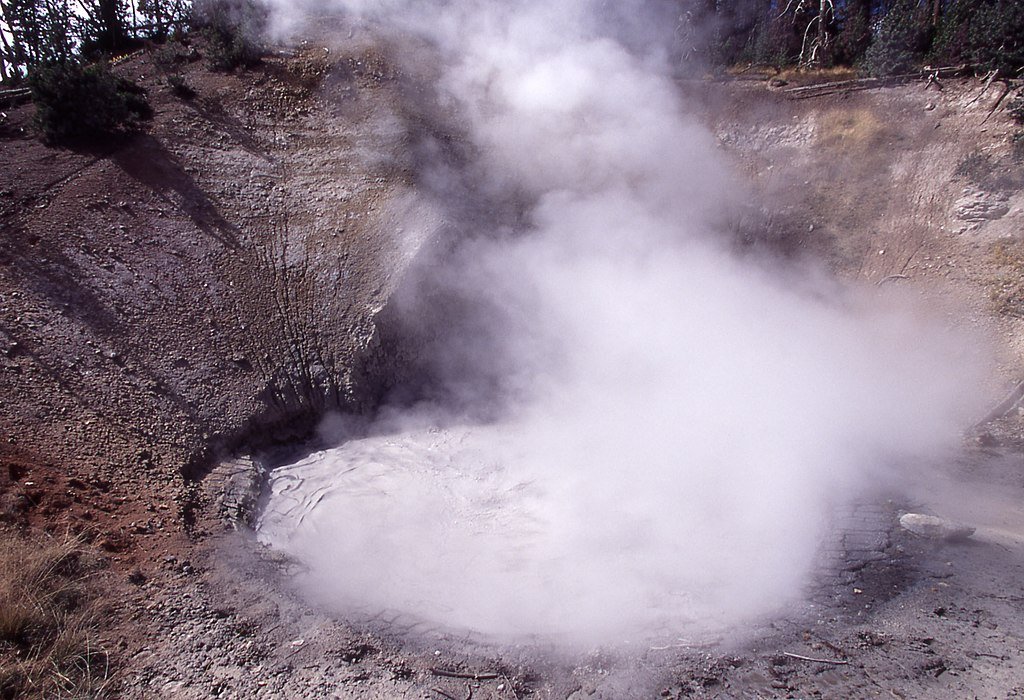
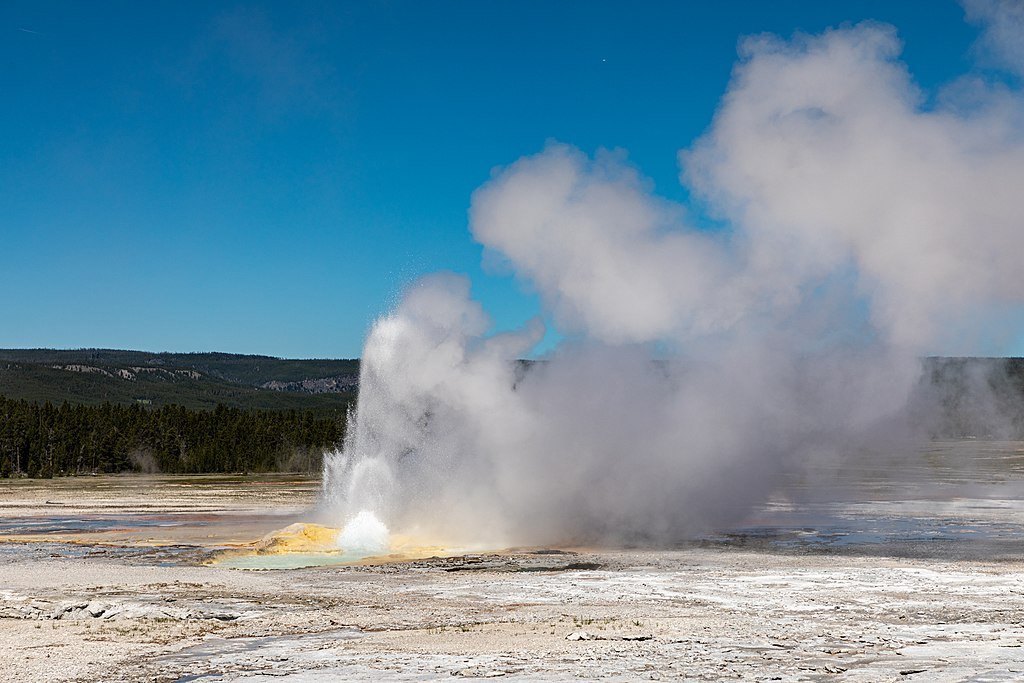
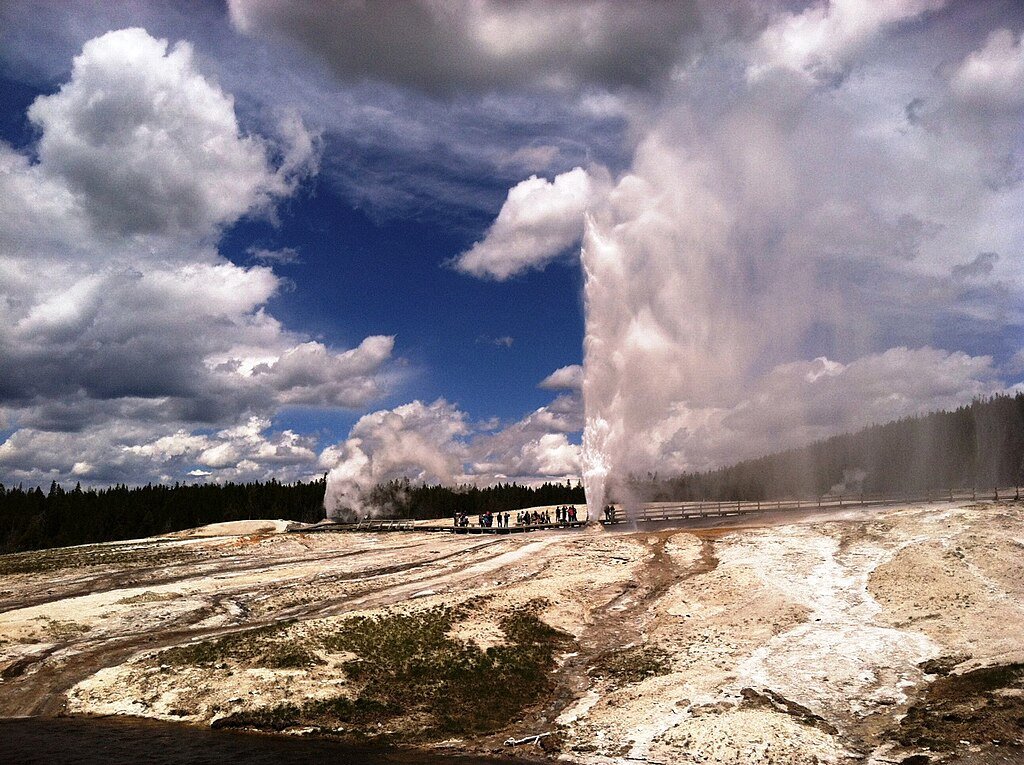
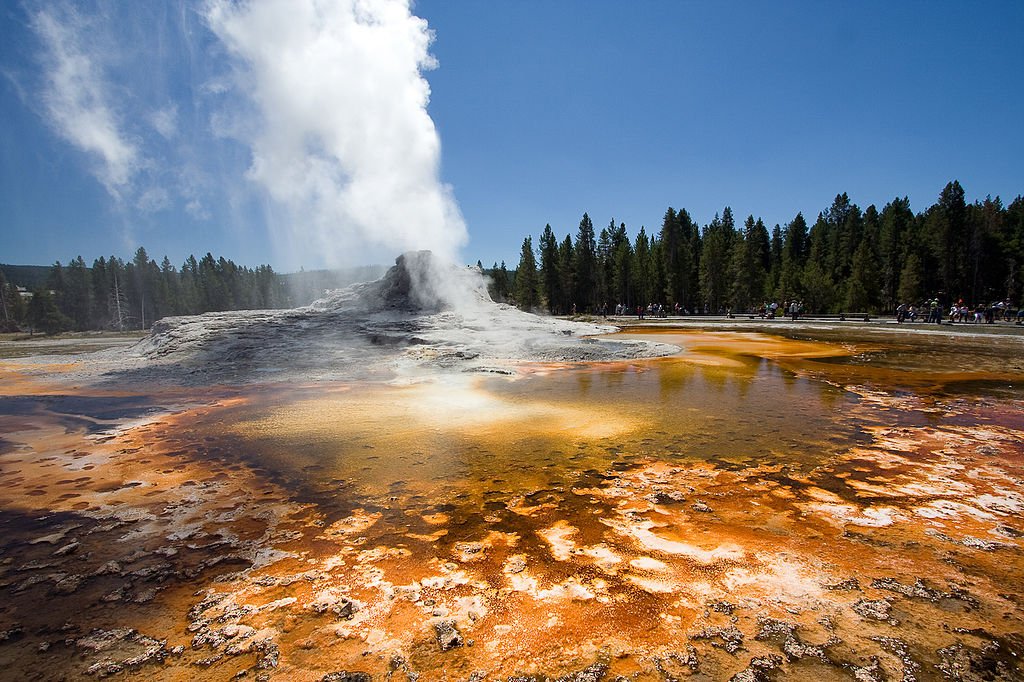
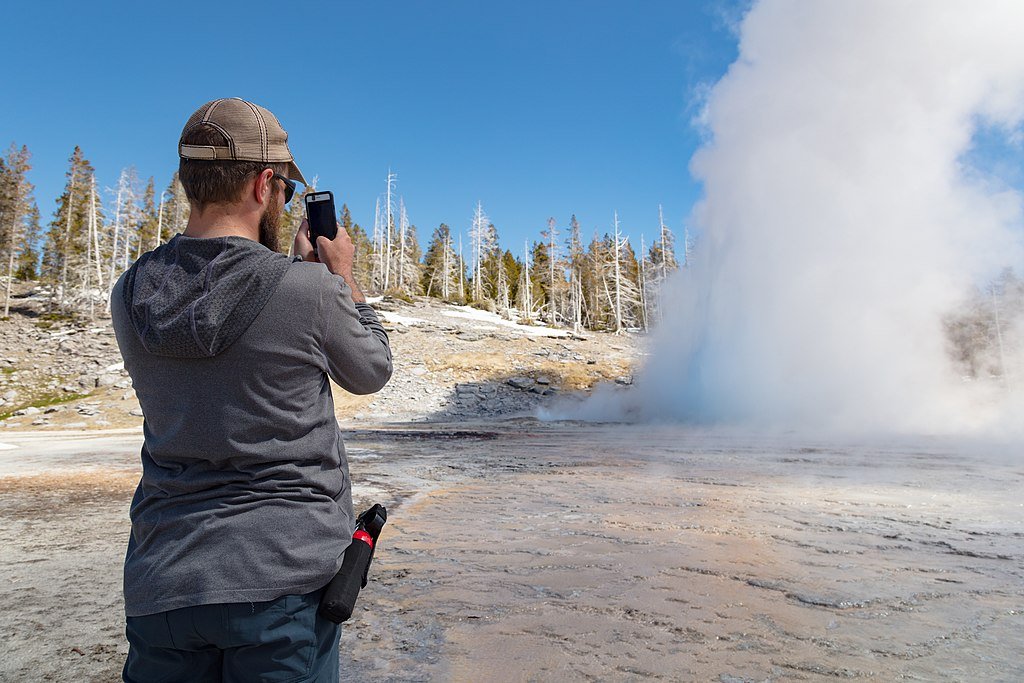
Yellowstone is one of the most geothermally active areas on the planet, housing a variety of features such as hot springs, geysers, and fumaroles. Steamboat Geyser, the world’s tallest active geyser, is just one example of the persistent geothermal activity fueled by the supervolcano’s molten magma chamber located several miles below the surface.
A History of Explosive Eruptions
Yellowstone has experienced three major eruptions over the past 2.1 million years, each one significantly influencing the planet’s climate and geography. The last major eruption, approximately 640,000 years ago, created the Yellowstone Caldera and left behind volcanic deposits that measure thousands of cubic miles.
Monitoring Yellowstone’s Activity
The Yellowstone Volcano Observatory (YVO) continuously monitors the region for volcanic activity signs, using a network of seismic stations, GPS, and satellite imagery. Scientists analyze data to detect any changes in the ground movement, heat output, and seismic activity, which could indicate an impending eruption.
What Would an Eruption Look Like?
If Yellowstone were to erupt, it could potentially eject vast volumes of ash and magma into the atmosphere. Eruptions of this magnitude could alter global weather patterns, produce widespread ash fallout, disrupt transportation, damage infrastructure, and impact agriculture across vast areas. The ash cloud alone could affect air travel on a continental scale.
Likelihood of an Eruption
While the potential consequences of a supervolcano eruption are severe, the probability of such an event occurring in our lifetime is relatively low. Current estimates suggest a supereruption could happen on a scale of one in 730,000 each year. Continued monitoring and research help refine these probabilities and update risk assessments regularly.
Understanding Magma Movement
Studies of Yellowstone’s magma chamber reveal that it contains both solidified and molten rock. For a supereruption to occur, enough magma must accumulate and become mobile. Current indications suggest that there is sufficient melt to maintain geothermal activity but not enough to fuel a large eruption imminently.
Signs to Watch For
Signs that could precede an eruption include increased seismic activity, rapid ground deformation, and significant changes in geothermal emissions. While these signals can help predict volcanic events, accurately forecasting the scale and timing remains challenging due to the complex nature of volcanic systems.
Implications for Ecosystems
Aside from immediate geological impacts, an eruption could profoundly affect Yellowstone’s ecosystems. The park’s biodiversity, ranging from vibrant plant life to diverse wildlife species, would face drastic changes. Recovery of these ecosystems could take decades to centuries.
Global Climatic Impact
A supervolcanic eruption would have far-reaching climatic effects, possibly inducing a volcanic winter. The ejected ash and gases could block sunlight, leading to temporary cooling of the Earth’s surface. This could disrupt global weather patterns and impact food production.
Preparedness and Public Awareness
While the threat may be low, preparedness and public awareness remain crucial. Agencies like the US Geological Survey provide vital education and resources to locals and visitors. Learning what to expect and how to respond can minimize risks and aid emergency planning.
The Unpredictability of Nature
One of the greatest challenges scientists face is the inherent unpredictability of nature. Volcanology is a complex field, and despite advances in technology and research, it remains difficult to predict precisely when and how a supervolcano might erupt.
Conclusion: A Magnificent Yet Mysterious Geological Feature
The Yellowstone Supervolcano stands as a testament to the Earth’s immense power, a magnificent and mysterious feature that reminds us of nature’s unpredictability. While the prospect of an eruption captures the imagination, the current scientific consensus suggests that an immediate eruption is unlikely. However, continued research and vigilance are essential to understanding and preparing for the potential impacts of this geological giant. As we marvel at Yellowstone’s stunning landscapes, it’s crucial to respect the formidable force beneath our feet and remain informed about the ever-evolving secrets of this supervolcano.