Climate change, with its far-reaching impacts, is not only affecting natural ecosystems and human lives but is also posing a significant threat to cultural heritage globally. Among the most at-risk treasures are the UNESCO World Heritage sites, which hold immense cultural, historical, and scientific significance. These sites, recognized for their value to humanity, are now under threat from rising temperatures, sea-level rise, and extreme weather events. This article delves into the specific challenges faced by these heritage sites due to climate change, highlighting the urgent need for action to preserve them for future generations.
Understanding UNESCO World Heritage Sites

UNESCO World Heritage sites are places recognized by the United Nations Educational, Scientific, and Cultural Organization for their outstanding cultural or natural importance. They range from architectural marvels like the Taj Mahal to natural wonders like the Great Barrier Reef. These sites are part of our shared human heritage and are protected under international treaties. However, their protection is becoming increasingly challenging due to climate-induced threats.
The Impact of Climate Change on World Heritage Sites
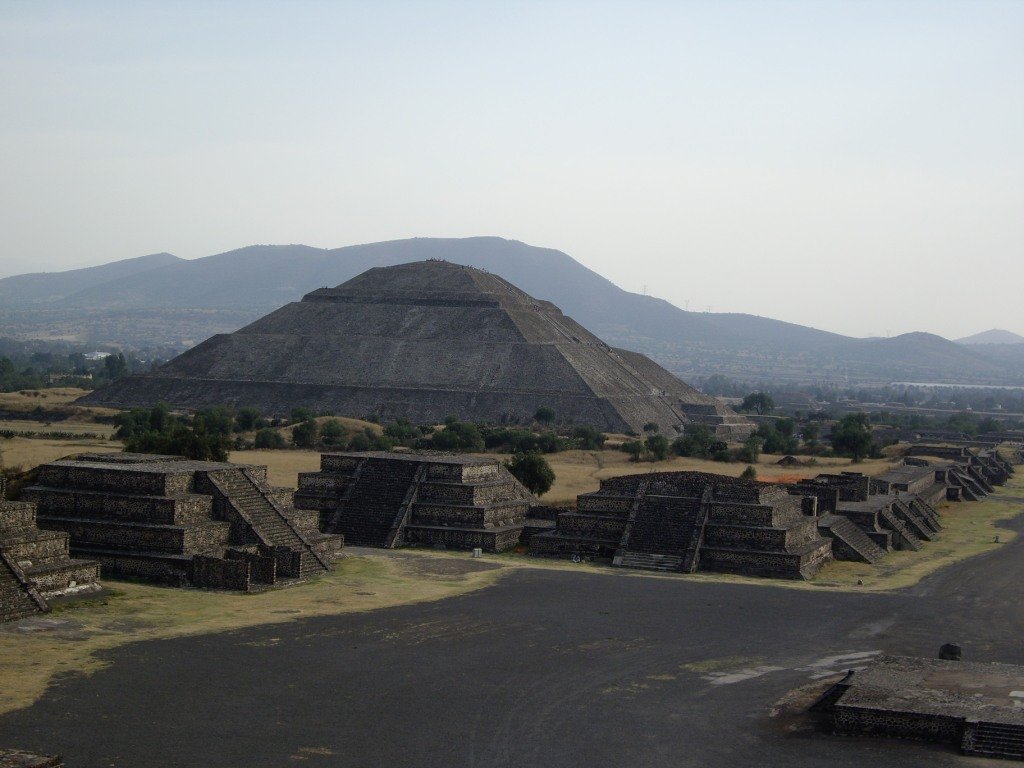
Climate change impacts heritage sites in various ways, including rising sea levels, increased temperatures, and more frequent severe weather events. These changes can lead to erosion, flooding, and structural damage, threatening the very existence of these cultural treasures. For example, Venice, a UNESCO World Heritage site, faces increased flooding events due to sea-level rise exacerbated by climate change.
Case Study: The Great Barrier Reef

The Great Barrier Reef, listed as a World Heritage site for its unique biodiversity, is severely threatened by climate change. Rising ocean temperatures have led to coral bleaching, where corals expel the algae living in their tissues, causing them to turn white and making it harder for them to survive. The loss of coral not only threatens marine life that depends on it but also endangers the entire ecosystem and the communities relying on the reef for tourism and fishing.
Glacier Retreat and Cultural Loss

Glacial World Heritage sites, such as the Swiss Alps Jungfrau-Aletsch, face the threat of retreating glaciers. The loss of glaciers not only impacts water resources and biodiversity but also erases cultural landscapes that are intertwined with local heritage and traditions. The physical transformation of these environments due to melting glaciers highlights the pressing need for climate action to preserve both natural and cultural aspects of these sites.
The Threat to Archaeological Sites
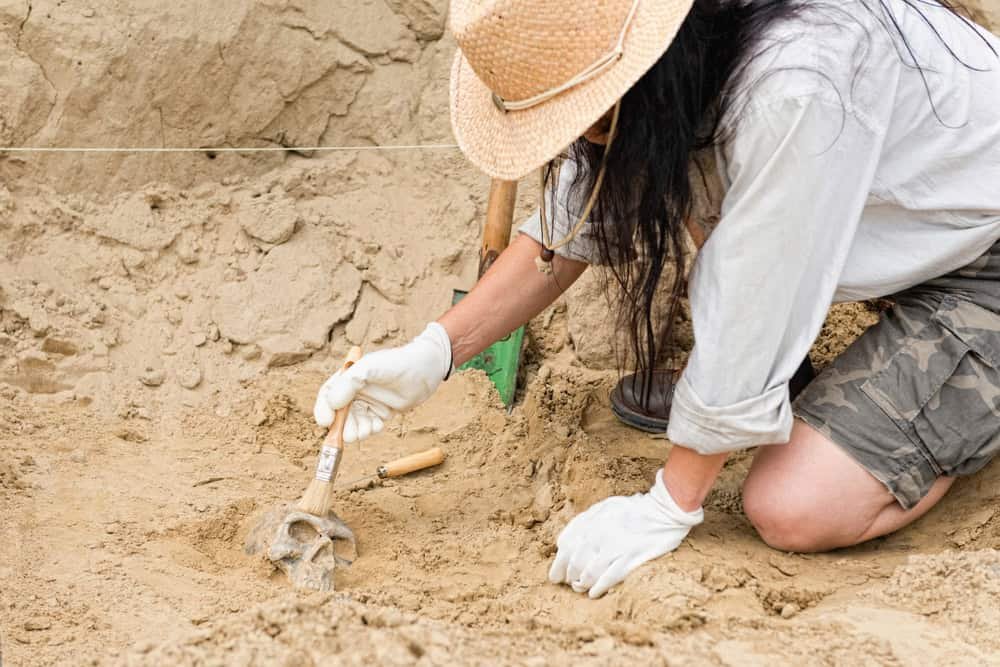
Archaeological sites are particularly vulnerable to climate change impacts such as deluges and shifting temperatures. For instance, the ancient city of Petra in Jordan, carved into cliffs, is at risk due to erosion and flash flooding. Such changes can lead to irreversible damage to these sites, losing critical links to human history and civilization.
Safeguarding Strategies and Adaptation Measures

To protect World Heritage sites against the adverse effects of climate change, various adaptive strategies need to be implemented. These include reinforcing structures, employing digital documentation techniques, and developing sustainable tourism policies. Innovative approaches, such as using 3D laser scanning technology, can create digital replicas of sites, ensuring that even if the physical site is lost, a detailed record remains.
The Role of Communities in Preservation Efforts
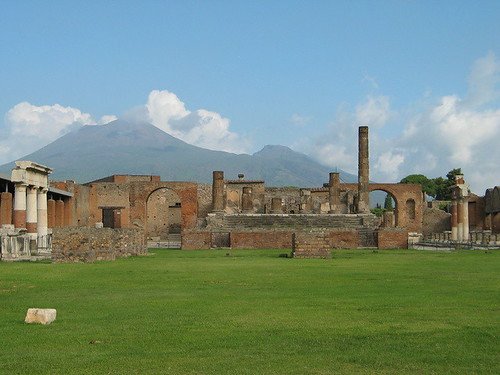
Local communities play a critical role in the preservation of heritage sites. Engaging communities in climate adaptation strategies not only helps protect these sites but also empowers local populations by incorporating traditional knowledge and practices. Community-led initiatives and partnerships with global organizations are vital components of effective conservation strategies.
International Cooperation for Heritage Conservation
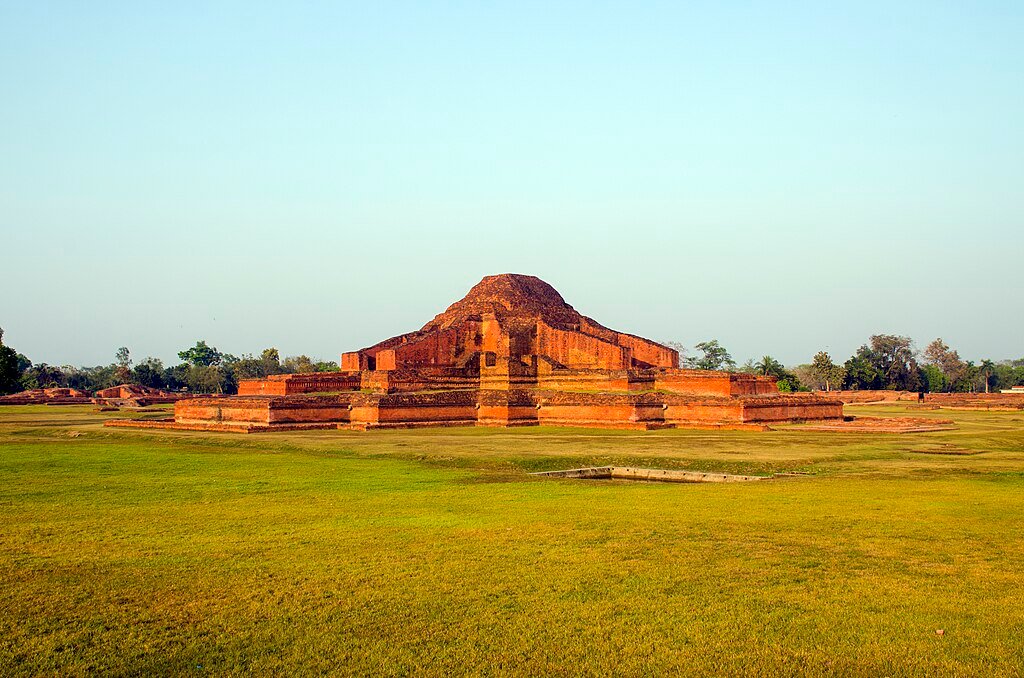
The global nature of climate change requires international cooperation to protect World Heritage sites. Joint efforts among nations, facilitated by organizations like UNESCO, are essential to address climate impacts on heritage sites holistically. This includes sharing knowledge, resources, and best practices for adapting to climate challenges.
Future Challenges and the Path Forward
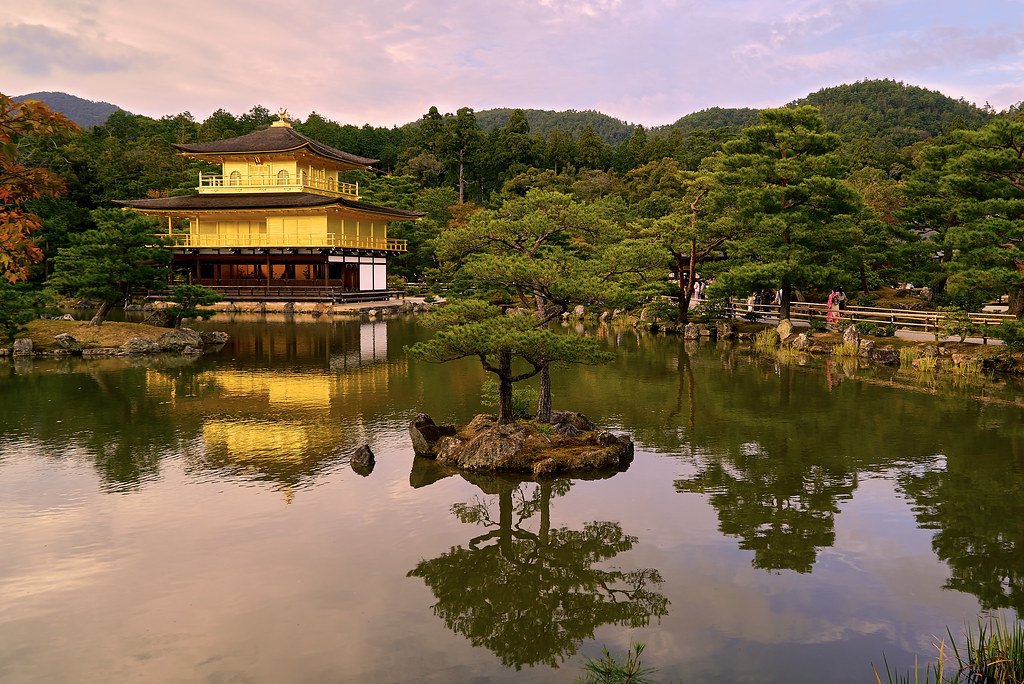
While efforts are being made to mitigate climate change and its effects on heritage sites, future challenges remain. Increased investment in research, adaptation technology, and public awareness campaigns are necessary to strengthen resilience against climate threats. Protecting these sites is not just about preserving history but also about fostering global heritage.
Conclusion
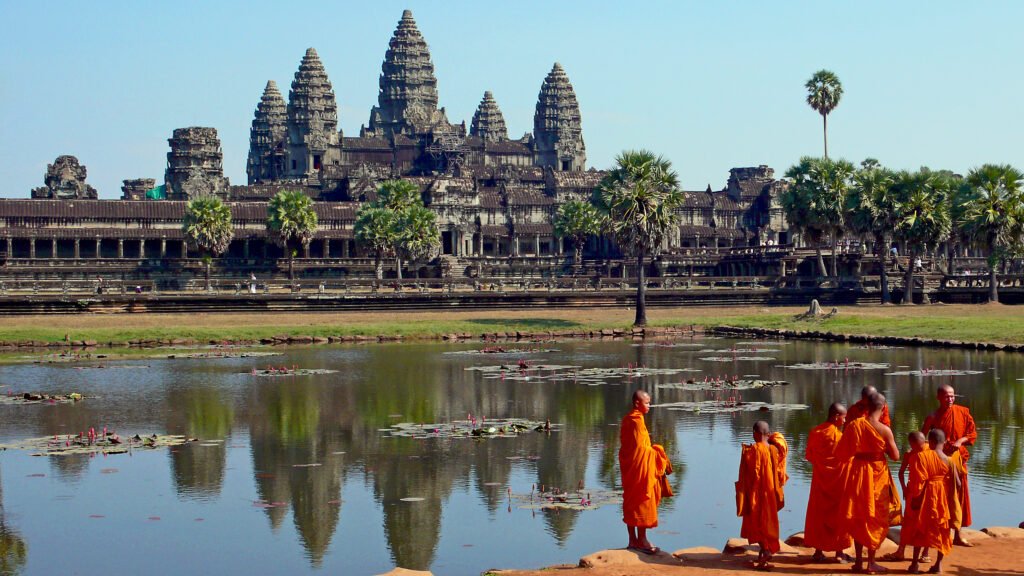
The breathtaking and historically significant UNESCO World Heritage sites are irreplaceable treasures. However, climate change presents unprecedented threats to their preservation. By recognizing the importance of these sites and the threats they face, we can take collective action to protect them. It’s crucial to prioritize climate adaptation and mitigation strategies, ensure community involvement, and foster international collaboration. In doing so, we can ensure that these heritage sites continue to inspire and educate future generations.