

The designation of a UNESCO World Heritage Site is a prestigious honor that recognizes places of outstanding cultural or natural significance to the common heritage of humanity. These sites are likened to a rich tapestry of global history and nature’s grandest displays. But what does it take for a location to earn such an esteemed title? Let’s unravel the intricacies of this process, echoing through time and space, and discover what makes a World Heritage Site stand above the rest.
Understanding the UNESCO World Heritage Program
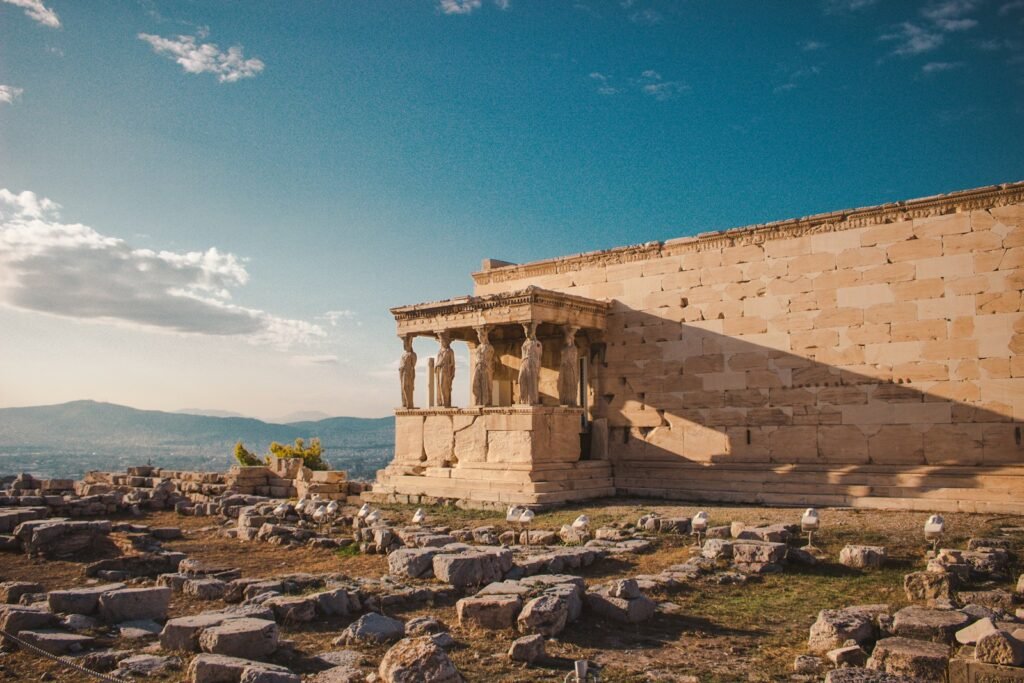
The United Nations Educational, Scientific and Cultural Organization (UNESCO) launched the World Heritage program in 1972. Its purpose is to identify, protect, and preserve sites of extraordinary cultural and natural value across the globe. Emphasizing cooperation between nations and fostering global awareness, it transcends borders and brings together diverse cultures unifying under the banner of shared history and nature.
Criteria for Inclusion
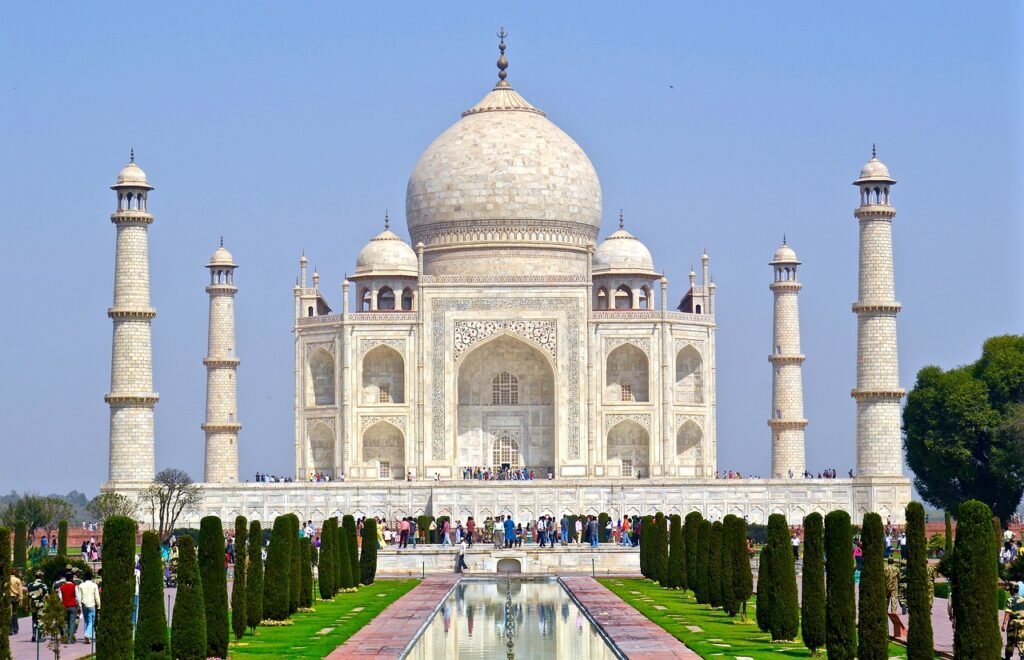
To be considered for the World Heritage list, a site must satisfy at least one of ten rigorous criteria. These range from representing a masterpiece of human creative genius, exhibiting an important interchange of human values, to housing habitats of threatened species of outstanding universal value. This extensive array of criteria ensures that the diversity of world heritage is not only preserved but celebrated.
The Nomination Process

The journey to World Heritage status begins with a nomination dossier submitted by the government of the country where the site is located. This dossier is comprehensive, including detailed maps, photographs, and explanations of the site’s significance and integrity. The submitted documents outline management plans to protect and maintain the site.
An Examination by Experts

Following submission, the dossier is scrutinized by expert bodies like the International Council on Monuments and Sites (ICOMOS) or the International Union for Conservation of Nature (IUCN). These organizations evaluate the site’s value, its level of protection, and any threats it might face, ensuring a rigorous and thorough examination process.
The Role of the World Heritage Committee
The final decision rests with the World Heritage Committee, composed of representatives from 21 countries elected from among 194 signatories of the UNESCO World Heritage Convention. This body meets annually to review nominations, deliberate on the findings of the expert bodies, and decide which sites will be inscribed on the World Heritage List.
Challenges in Earning and Maintaining the Status

A site must consistently demonstrate its outstanding universal value. Sites that face challenges such as environmental threats, political instability, or economic hardships must satisfy the Committee that these issues are being addressed adequately. The commitment to maintaining high standards of conservation is vital.
The Benefits of World Heritage Status

Earning this title brings increased global awareness, which can lead to boosted tourism and economic benefits while fostering pride and recognition locally. Often, it encourages governments and communities to invest more in preserving national and cultural heritage.
Case Study: The Great Barrier Reef

Declared a World Heritage Site in 1981, the Great Barrier Reef is an exemplar of natural beauty and biodiversity. Its inclusion highlights the rich marine life and complex reef systems that are vital ecologically. However, it also faces ongoing threats from climate change and human activity, demonstrating the challenges in conservation.
Protective Measures and Management Plan

Each World Heritage site must have a management plan that outlines how it will be protected and preserved. These plans are crucial to maintaining the integrity of the site and ensuring its values are upheld for future generations.
Public and Global Involvement

World Heritage Sites serve as a rallying point for global citizens and local communities to come together to preserve precious parts of the world’s cultural and natural legacy. From local governments to the youngest school children, the involvement of diverse stakeholders is essential for the lasting legacy of these sites.
Conclusion: A Legacy of Universality

Becoming a UNESCO World Heritage Site is as much about demonstrating universal value as it is about ensuring strategic, robust conservation efforts. It’s a testament to humanity’s collective responsibility to protect the Earth’s most significant cultural and natural domains. By safeguarding these treasures, we honor our past and inspire future generations to cherish and protect the world’s bountiful heritage.