Fungi are everywhere, from the yeasts fermenting your bread and beer to the mushrooms in your salad. Despite their ubiquitous presence, fungi are often overlooked in discussions about the natural world. Their roles, however, are crucial to ecosystem balance and health. Understanding fungi’s contributions can unveil the mysteries of life cycles and biodiversity on a whole new level.
Fungi: The Hidden Chameleons of Nature

Fungi are neither plants nor animals. They occupy a unique place in the tree of life, forming their own kingdom. Unlike plants that use sunlight to produce food, fungi rely on other organic materials for nourishment. This ability makes them vital decomposers, breaking down dead matter and returning nutrients to the soil, thus playing a pivotal role in nutrient cycling.
Ecosystem Engineers

When we think of engineering in nature, we often think of beavers building dams or ants constructing elaborate colonies. Fungi, however, are ecosystem engineers too. Through their mycelial networks, fungi enhance soil structure and stability, improving water retention and aeration. This underground network acts like a living web, fostering the growth of plants by ensuring they have the nutrients and conditions required to thrive.
The Mycorrhizal Miracle

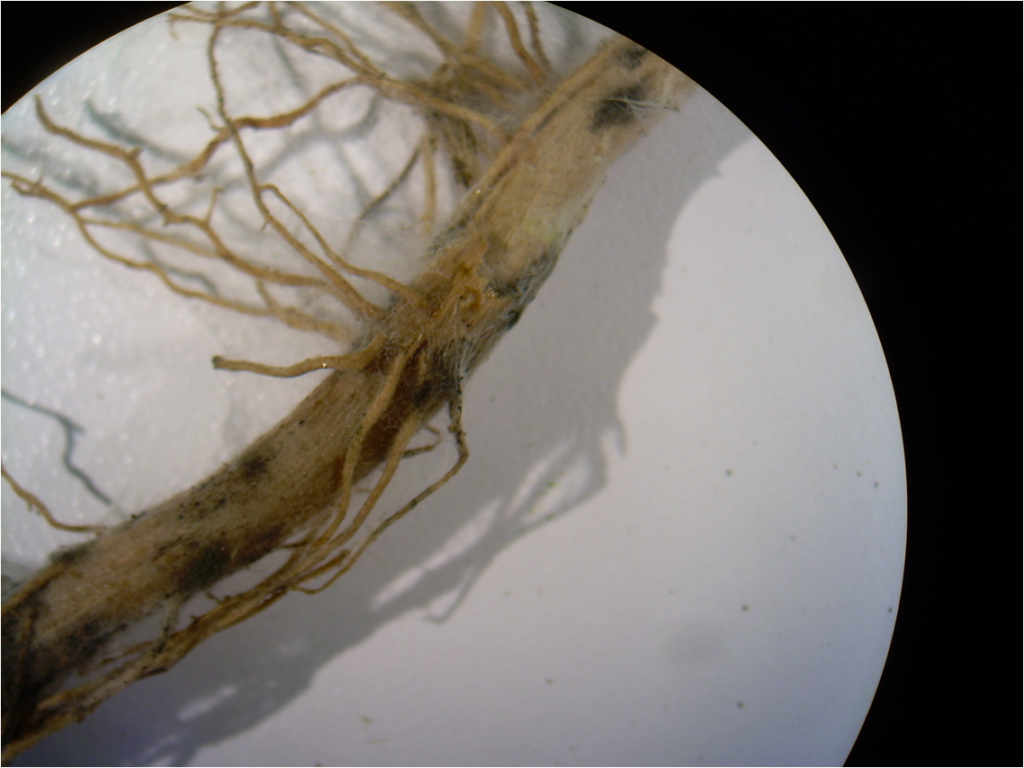
One of the most remarkable symbiotic relationships in nature is that between fungi and plant roots, known as mycorrhizae. These fungi wrap around or enter the plant roots, extending far into the soil. In exchange for carbon-based sugars from the plant, they share minerals and water, boosting plant health and resilience against environmental stressors.
Nature’s Recyclers
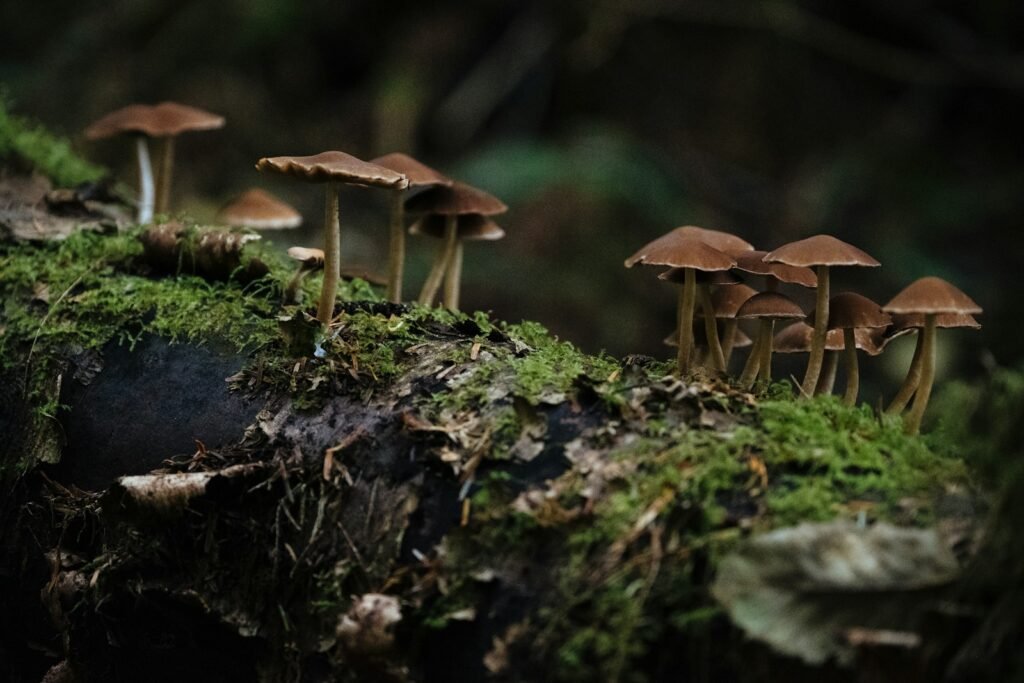
Without fungi, Earth would be buried in a pile of organic debris. They break down tough plant materials and turn complex organic compounds into simpler molecules, allowing other organisms to access them. In forests, for example, fallen trees are broken down by fungi, preventing litter accumulation and turning deadwood into rich soil that supports new growth.
Bringers of Biodiversity

Through their symbiotic relationships and decomposition activities, fungi promote biodiversity. They create habitats and food sources for countless fungi-consuming organisms and support various life forms by enhancing vegetation health. The diversity of fungal species themselves, which is estimated to be in the millions, contributes to overall ecosystem diversity.
Fungi and Climate Regulation
Fungi can also impact climate change, both positively and negatively. They store carbon in their biomass, helping to sequester it from the atmosphere. At the same time, the decomposition process releases greenhouse gases like carbon dioxide and methane. Understanding these processes is crucial for developing climate change mitigation strategies.
Fungi’s Role in Food Webs
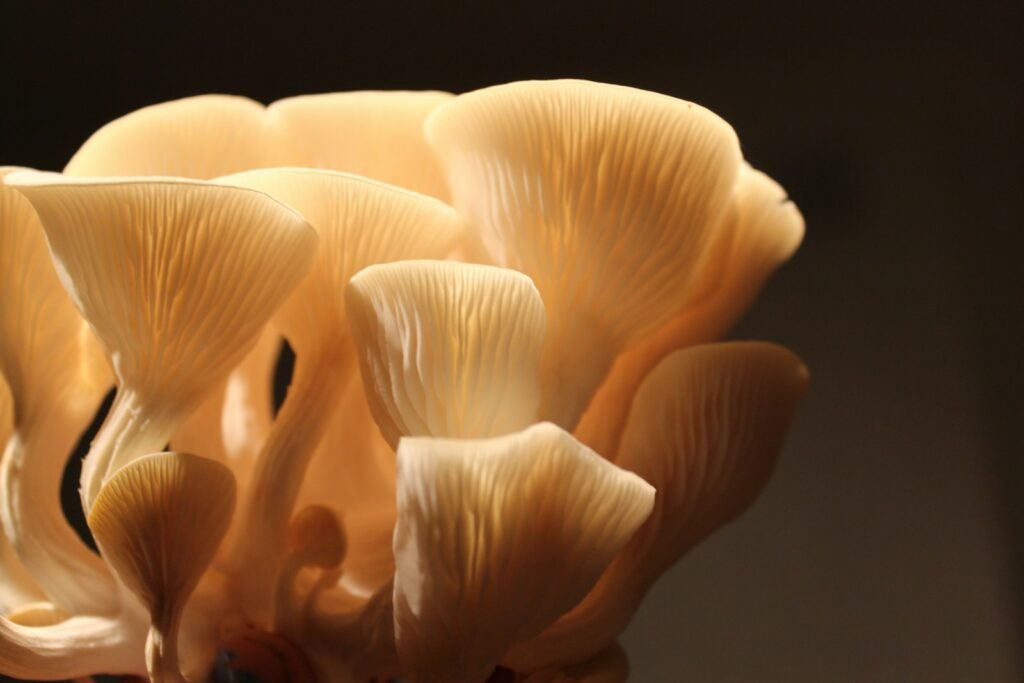
As primary decomposers, fungi occupy an integral part of food webs. They break down organic matter, producing nutrients absorbed by plants and other organisms. This foundational role means they directly and indirectly support nearly all life forms, from the smallest bacteria to the largest mammals.
Medicinal Marvels

Fungi have long been a part of traditional medicine and modern pharmacology. Penicillin, the prime example of a fungus-derived antibiotic, has saved countless lives. Fungi continue to be a source of novel pharmaceuticals for treatments ranging from cholesterol control to cancer mitigation.
Bridging Ancient and Modern Practices
Fungi have been utilized for millennia in cultural practices, influencing everything from food fermentation to spiritual rituals. Modern science is increasingly recognizing the value of traditional knowledge, as it studies fungi for new applications in biotechnology and medicine.
Biotechnology and Sustainable Solutions
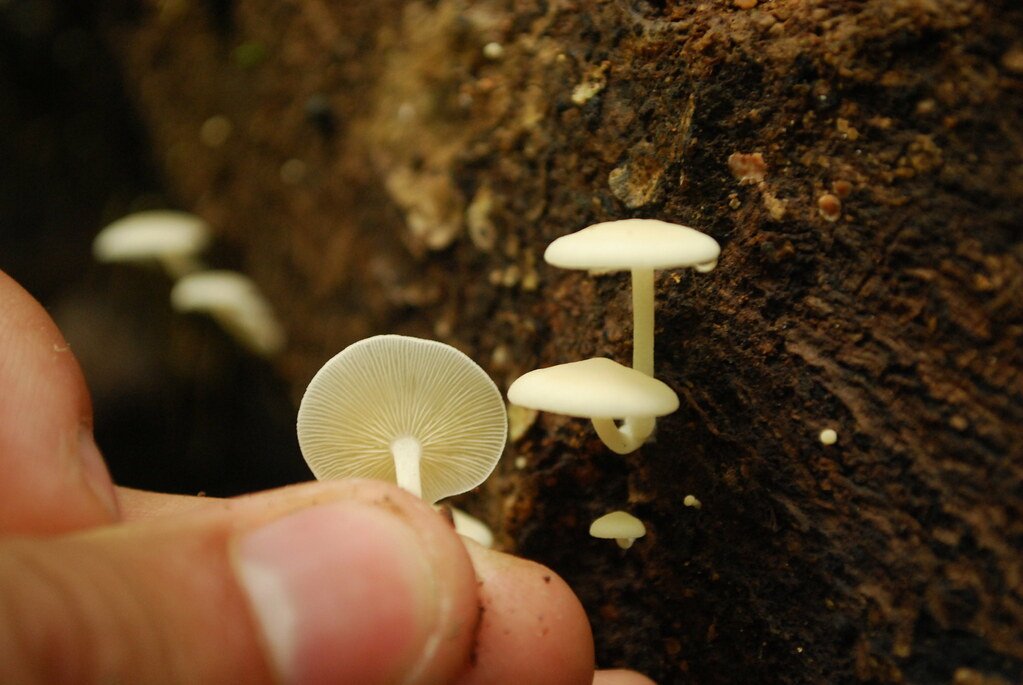
Biotechnologists explore fungi for solutions to contemporary issues, such as waste management and sustainable materials. Mycoremediation uses fungi to detoxify polluted environments. Meanwhile, mycoprotein, a fungal protein source, offers a sustainable alternative to animal proteins in food industries.
Challenges Facing Fungal Communities

Fungi are not immune to environmental threats. Habitat loss, pollution, and climate change disrupt their delicate ecological roles. Protecting fungi ensures the preservation of ecosystems’ integrity. Conservation efforts must include fungal habitats, recognizing them as crucial components of biodiversity.
The Misunderstood Kingdom
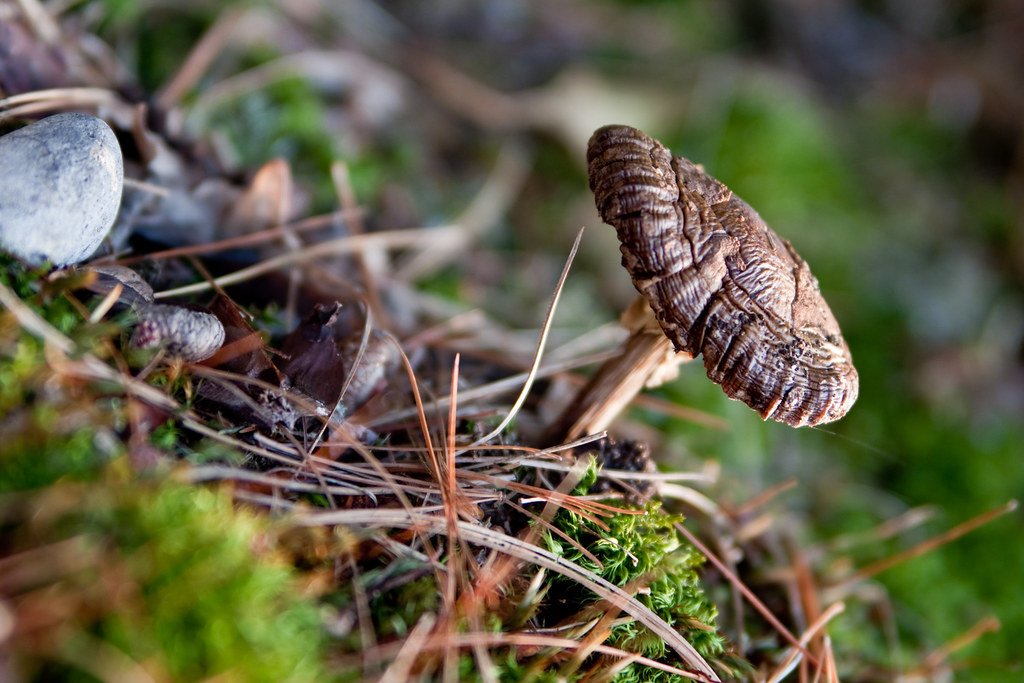
Fungi are often mistaken for plants or dismissed as mere nuisances. Their misrepresentation has hindered the appreciation and study they deserve. As more is understood about their functions and benefits, fungi’s standing in the scientific and public community is growing, rectifying centuries of oversight.
Conclusion: Appreciating the Essential Kingdom
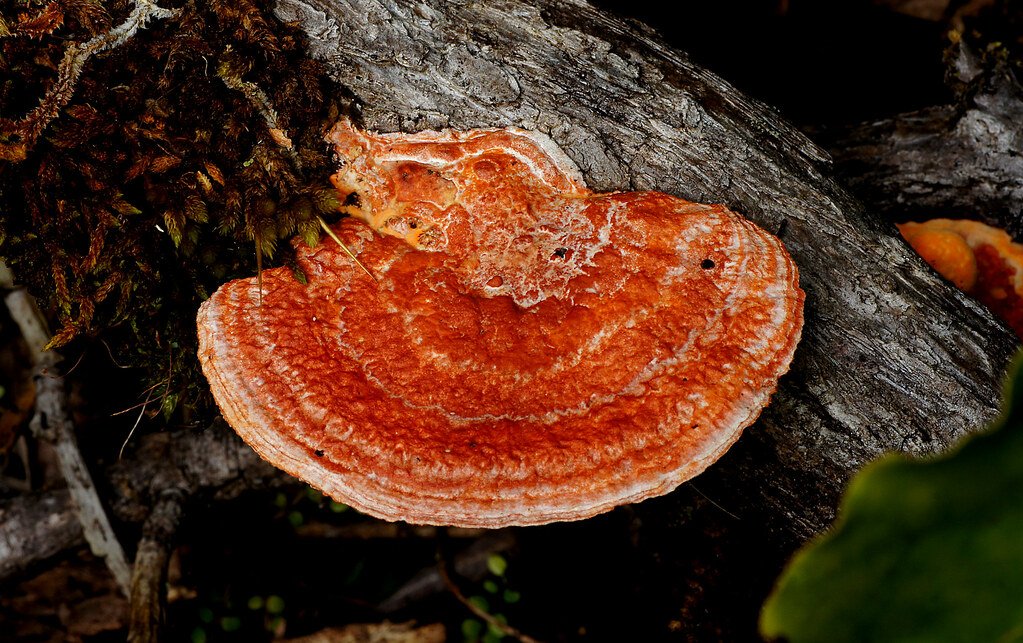
Fungi play indispensable roles in ecosystems, contributing to nutrient cycling, biodiversity, and climate regulation. As the underrated kingdom, they hold potential solutions to modern challenges. Elevating our understanding and appreciation of fungi will not only conserve ecosystems but inspire innovations that harmonize humans with nature. By embracing fungi, we might find keys to ecological balance and sustainability in this often-misunderstood realm of life.