In today’s rapidly changing world, sustainable farming has emerged as a critical solution for addressing environmental concerns and ensuring food security. As challenges like climate change, soil degradation, and biodiversity loss intensify, it’s more important than ever to explore innovative agricultural practices that can help us feed the growing global population while protecting the earth’s fragile ecosystems.
Understanding Sustainable Farming

Sustainable farming is an agricultural approach that seeks to balance environmental health, economic profitability, and social equity. It involves methods that preserve natural resources, minimize pollution, and promote biodiversity. By prioritizing these principles, sustainable farming aims to create a resilient food system that can withstand the pressures of a changing climate and a growing population.
Regenerative Agriculture: Healing the Land

Regenerative agriculture is a holistic approach to farming that focuses on restoring soil health and enhancing ecosystem functions. Techniques like cover cropping, crop rotation, and reduced tillage improve soil structure and increase its ability to retain water and carbon. This not only boosts crop yields but also helps combat climate change by sequestering carbon dioxide from the atmosphere.
Agroforestry: Integrating Trees and Agriculture

Agroforestry involves integrating trees and shrubs into agricultural landscapes, providing multiple benefits such as enhanced biodiversity, improved soil fertility, and increased farm productivity. Trees act as windbreaks, reduce erosion, and create habitats for wildlife. By combining forestry and farming, agroforestry systems can help create more resilient and climate-adaptive agricultural landscapes.
Vertical Farming: Growing Upwards

Vertical farming is a cutting-edge technology that allows crops to be grown in stacked layers, often in controlled indoor environments. By using hydroponics or aeroponics, vertical farms can produce food with less land and water than traditional agriculture. This method reduces the need for pesticides and transportation, minimizing the environmental footprint of food production.
Permaculture: Designing Sustainable Ecosystems

Permaculture is a design philosophy that encourages the creation of self-sustaining agricultural ecosystems. It emphasizes the use of natural patterns and processes to develop systems that are environmentally sound and economically viable. Through careful planning and diversity integration, permaculture aims to create farms that mimic the resilience and productivity of natural ecosystems.
Precision Agriculture: Technology Meets Farming

Precision agriculture harnesses modern technology to optimize farm management practices. Tools such as GPS, remote sensors, and data analytics help farmers monitor crop health, soil conditions, and weather patterns. This allows for precise resource allocation, reducing waste and environmental impact while maximizing yield and efficiency.
Organic Farming: Going Back to Basics

Organic farming is a natural approach that avoids synthetic chemicals and genetically modified organisms. By relying on organic fertilizers, crop rotations, and biological pest control, organic farming sustains soil health and promotes biodiversity. Consumers seeking healthier food options are increasingly likely to support this method for its ecological benefits and potential health advantages.
Community Supported Agriculture: Strengthening Local Ties
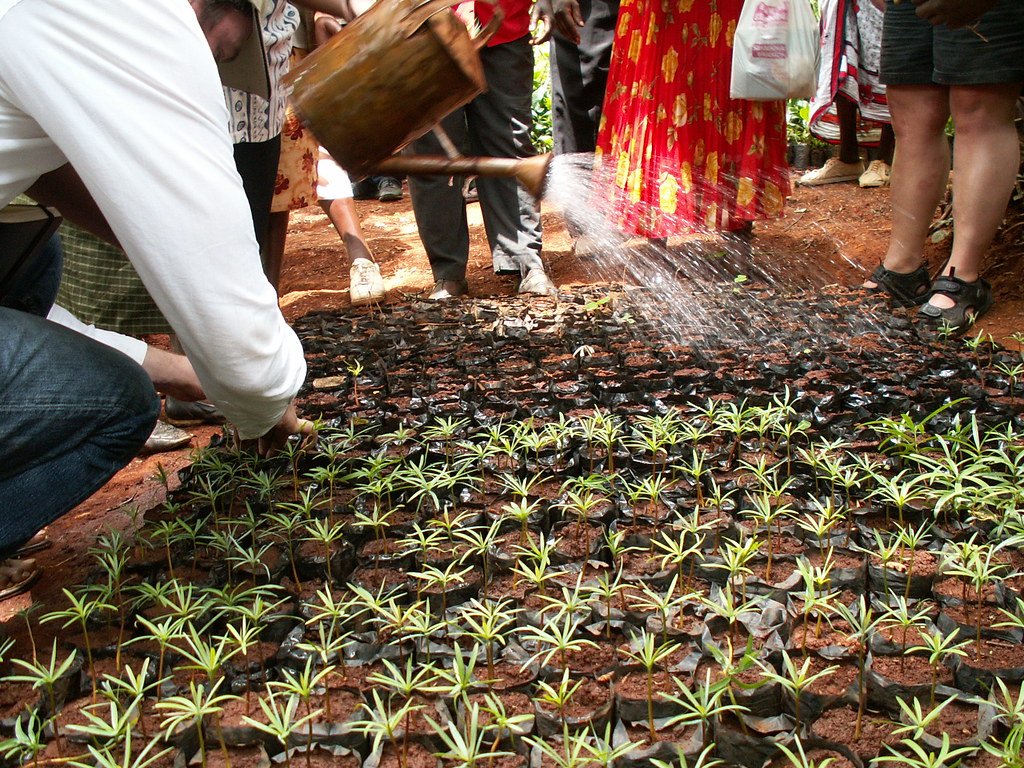
Community Supported Agriculture (CSA) is a model that connects consumers directly with farmers, fostering a sense of community and shared responsibility for food production. Consumers purchase shares of a farm’s harvest in advance, securing a stable income for the farmer and fresh, local produce for themselves. This model supports sustainable practices by reducing food miles and encouraging local biodiversity.
Water Conservation Techniques: Preserving a Precious Resource

Water conservation is vital in sustainable farming, particularly in regions prone to drought. Techniques such as rainwater harvesting, drip irrigation, and soil moisture monitoring help to reduce water use and improve efficiency. By managing water resources wisely, farmers can maintain productivity and protect essential ecosystems and watersheds.
Biodiversity Preservation: A Pillar of Sustainability

Maintaining biodiversity is crucial for sustainable farming, as diverse ecosystems are more resilient to environmental changes and pests. Techniques such as intercropping, creating wildlife habitats, and maintaining wild margins around fields can enhance biodiversity. Protecting and promoting diverse species within agricultural systems helps ensure the stability and productivity of farms worldwide.
The Role of Policy and Education

Governments and policymakers play a critical role in supporting sustainable farming through regulations and incentives. Educational programs that raise awareness about sustainable practices among farmers and consumers are vital for driving change. Investing in research and development can foster innovation and the adoption of sustainable technologies in agriculture.
Looking Ahead: Embracing Innovation

The future of sustainable farming relies on the continued development and adoption of innovative practices and technologies. As global challenges mount, collaboration between farmers, scientists, policymakers, and consumers will be essential to creating a resilient and sustainable food system. By prioritizing sustainability, we can protect our planet for future generations while ensuring that everyone has access to nutritious food.
Conclusion

In conclusion, sustainable farming offers a promising path to securing our food supply while safeguarding the planet. By embracing innovative practices like regenerative agriculture, agroforestry, and precision technology, we can work towards a more resilient and environmentally friendly agricultural future. It’s a journey that requires the collective efforts of individuals, communities, and governments to nurture a more sustainable world.