Plastic pollution has become one of the most pressing environmental issues of our time, particularly affecting marine ecosystems. While plastic has played a pivotal role in modern advancements, its durability and longevity pose significant problems for oceanic life and human communities alike. This article delves into the ways plastic pollution is reshaping marine ecosystems, exploring its impact on biodiversity, food chains, and future ocean health.
Understanding Plastic Pollution
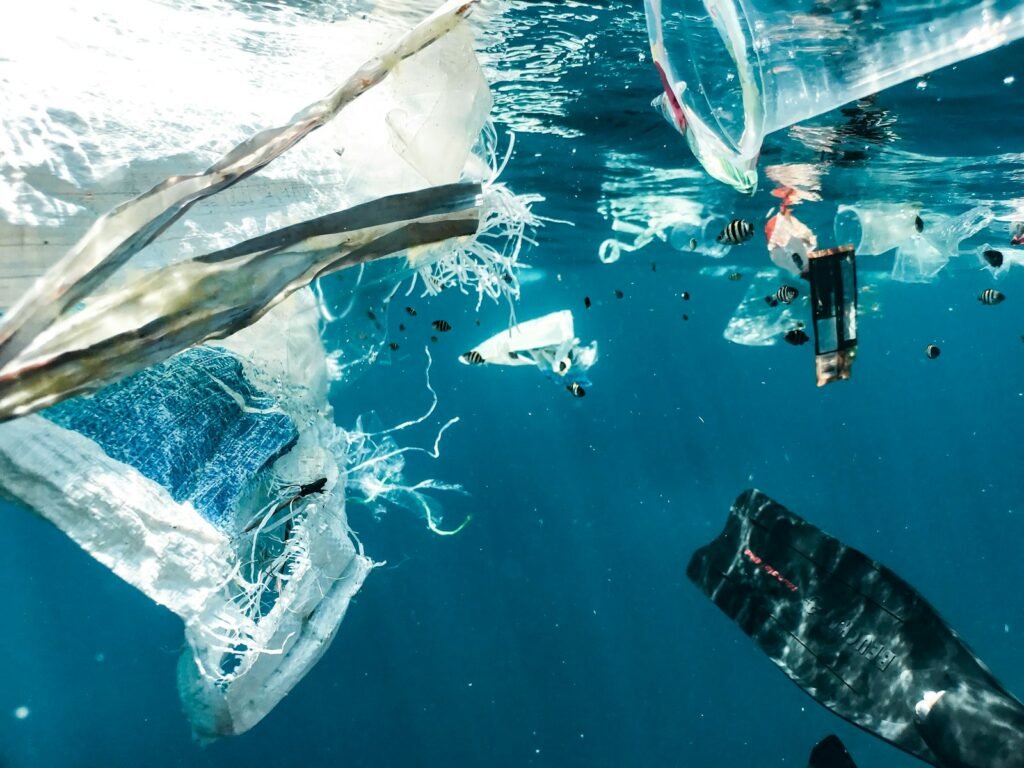
Plastic pollution refers to the accumulation of plastic objects and particles in the Earth’s environment that adversely affects wildlife, wildlife habitats, and humans. In the marine context, this pollution primarily comes from land-based sources like rivers and shipping activities. Once in the ocean, plastics break down into microplastics, which are less than 5mm in size and particularly problematic.
Scope of the Problem

The scale of plastic pollution is staggering, with an estimated 8 million metric tons of plastic entering the oceans each year. This pollution is distributed unevenly across the globe, heavily impacting certain regions such as the Great Pacific Garbage Patch. This vast, swirling collection of plastic debris has grown so large that it now covers an area twice the size of Texas.
Impact on Marine Species

Plastic pollution severely affects marine species, from the smallest plankton to the largest whales. Animals often mistake plastic for food, leading to ingestion that can cause internal injuries, starvation, and death. Additionally, plastic entanglement is a leading cause of mortality in species like sea turtles, birds, and seals, hindering their ability to move and feed efficiently.
Disruption of Food Chains

Microplastics are ingested by zooplankton and other small marine organisms, which are then consumed by larger animals, passing up the food chain. As plastics accumulate in these organisms, they release toxins that disrupt reproductive capabilities and hormonal balances, causing cascading effects through the ecosystem.
Habitat Destruction

Marine habitats such as coral reefs and seagrass meadows are particularly vulnerable to plastic pollution. Plastic debris smothers corals, obstructing sunlight and oxygen and leading to reduced growth rates, bleaching, and increased susceptibility to disease. This degradation threatens the biodiversity that relies on these vital ecosystems.
Impact on Ocean Chemistry
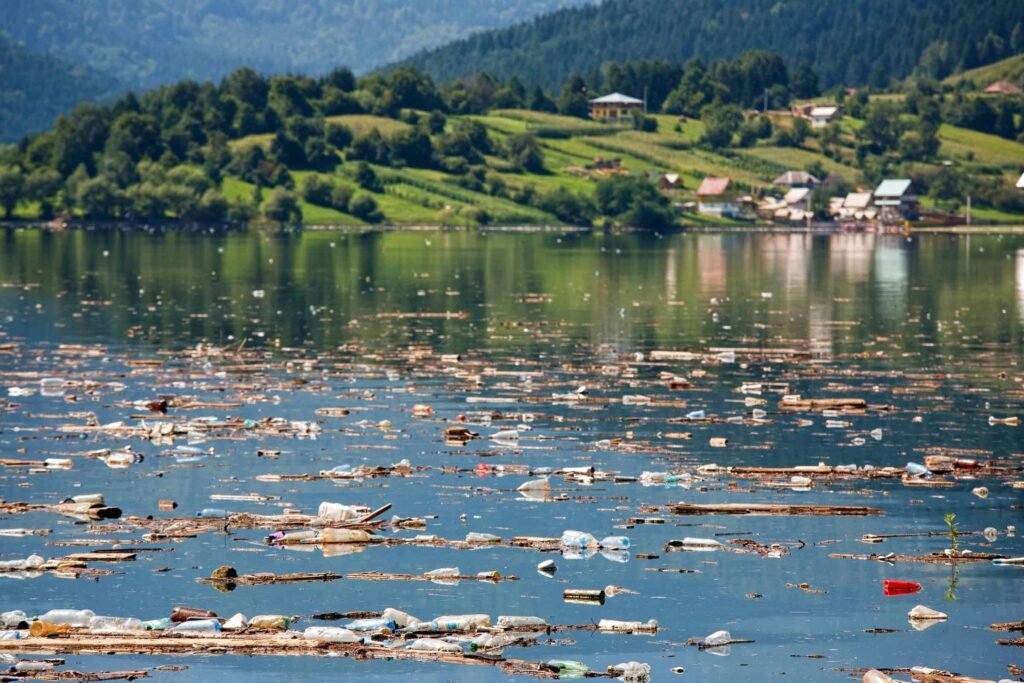
Plastics can have significant chemical effects on marine environments. As plastics degrade, they can leach harmful additives, such as bisphenol A (BPA) and phthalates, into the water. These chemicals can disrupt marine life on a cellular level, affecting growth, development, and reproduction, further threatening marine biodiversity.
Human Health Concerns
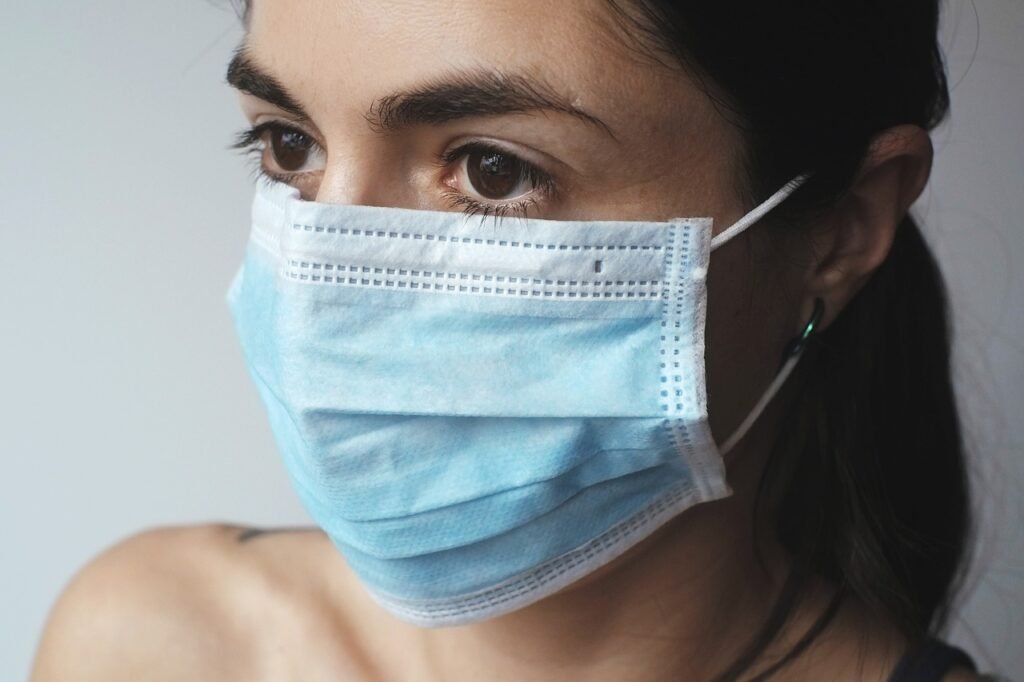
The effects of plastic pollution extend beyond marine life. Toxins released by degrading plastics can enter the human food chain via seafood consumption, posing significant health risks. This includes exposure to endocrine disruptors and carcinogens, which can have serious long-term health implications.
Economic Impacts
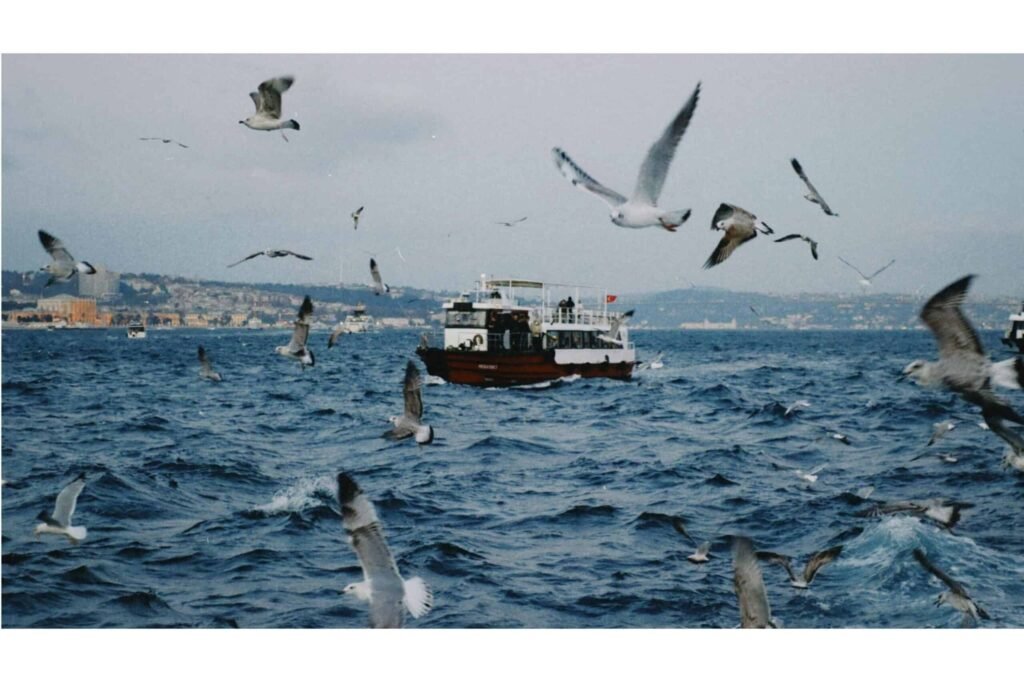
Plastic pollution impacts various economic sectors, particularly fisheries and tourism, which can suffer from reduced fish stocks and decreased coastal attractiveness. Additionally, the cost of cleaning beaches and marine areas diverts resources from other vital services, placing a financial strain on affected regions.
Efforts to Combat Plastic Pollution

The fight against plastic pollution involves various strategies, from international agreements to grassroots initiatives. Organizations worldwide are advocating for reduced plastic use, improved waste management, recycling initiatives, and innovative solutions like biodegradable alternatives.
Future Outlook

While progress is being made, the future of our oceans depends heavily on our actions today. By adopting sustainable practices, supporting cleaner technologies, and increasing public awareness, we can help mitigate the effects of plastic pollution and preserve marine ecosystems for future generations.
Summary

Plastic pollution presents a dire threat to marine ecosystems, endangering the biodiversity and health of both the ocean and human populations. By understanding the severity of the problem and committing to sustainable solutions, we can begin to reverse its effects and protect our planet’s vital marine resources.