
Communication among animals is a fascinating and complex phenomenon that has captivated scientists and animal lovers alike. From the intricate dances of honeybees to the vocal symphonies of whales, the ways in which animals convey messages to one another are as varied as they are remarkable. This article explores the evolution of animal communication, shedding light on how creatures around the world “talk” to each other.
The Origins of Animal Communication
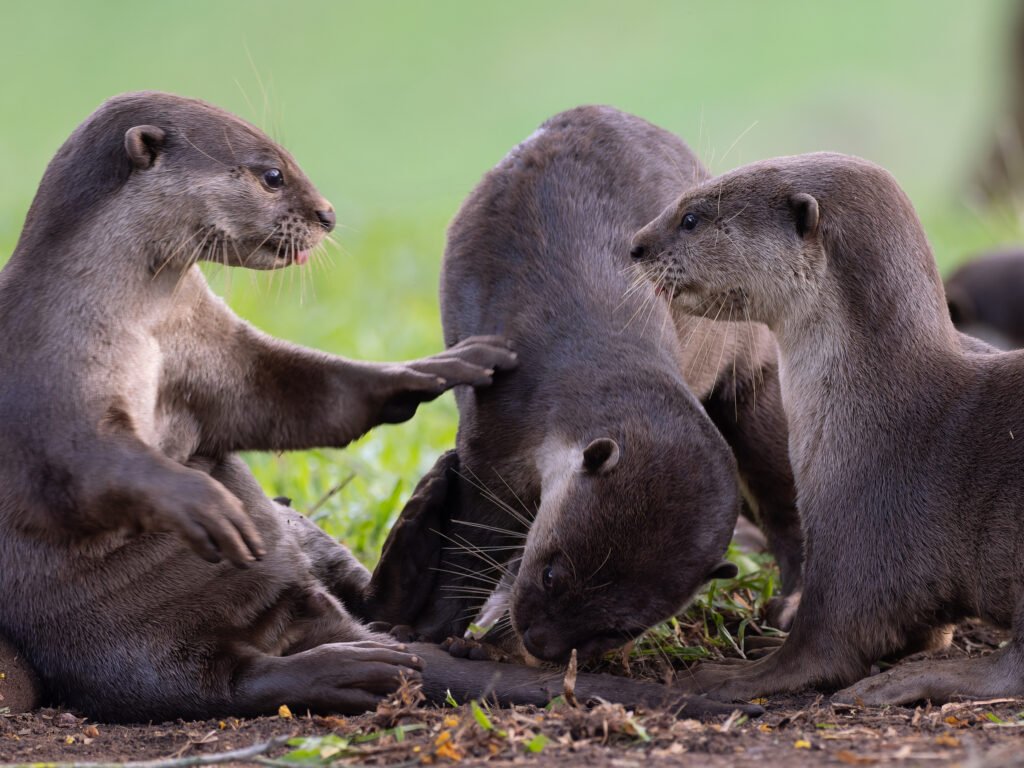
Before delving into modern-day communication methods among animals, it’s essential to understand their evolutionary roots. Communication systems have likely evolved as adaptations to environmental pressures. For early animals, effectively signaling danger or mating opportunities could mean the difference between life and death. Over millennia, these basic forms of communication have become more sophisticated across diverse species.
Forms of Communication: Vocalizations

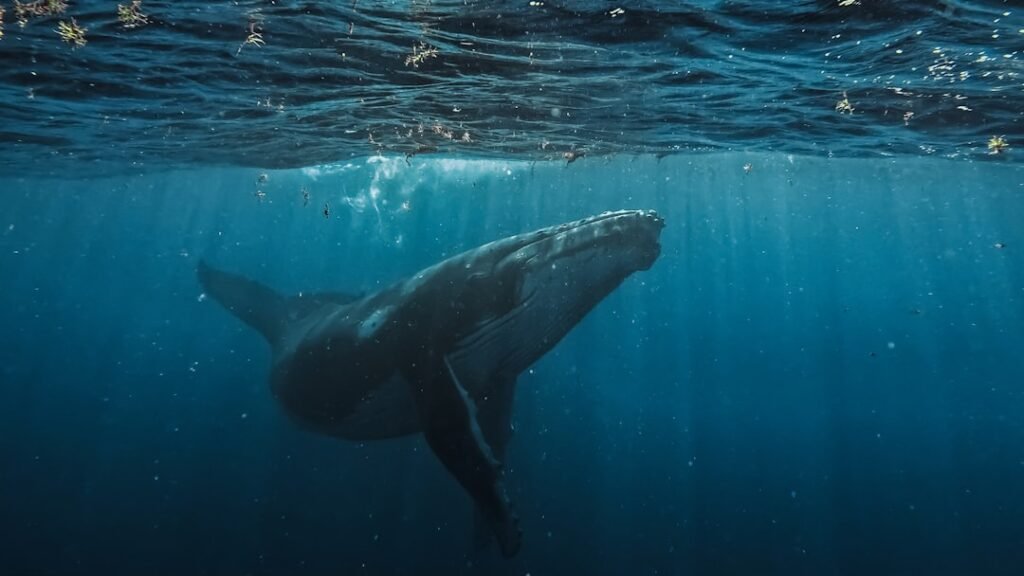
Vocalizations are one of the most recognizable forms of animal communication. Birds, for instance, use songs to establish territories and attract mates. Similarly, marine mammals like whales and dolphins rely on complex vocal patterns to navigate, socialize, and hunt. These vocal signals are often highly specialized, allowing species to convey precise information over long distances.
Visual Signals and Displays

Visual communication is another prevalent method in the animal kingdom. Many creatures, from peacocks to fireflies, employ vivid displays to attract mates and repel threats. The bright colors of a poison dart frog serve as a warning to potential predators, indicating its toxicity. Such visual signals are integral in maintaining social hierarchies and deterring competition.
Chemical Communication and Pheromones

Chemical communication is often invisible to human observers but plays a critical role in inter-animal signaling. Insects like ants and bees use pheromones to organize colonies and coordinate tasks. Mammals, too, rely on chemical cues; for example, dogs mark territories with scent, which conveys information about the individual and the space they’ve claimed.
Tactile Communication: Touch and Contact

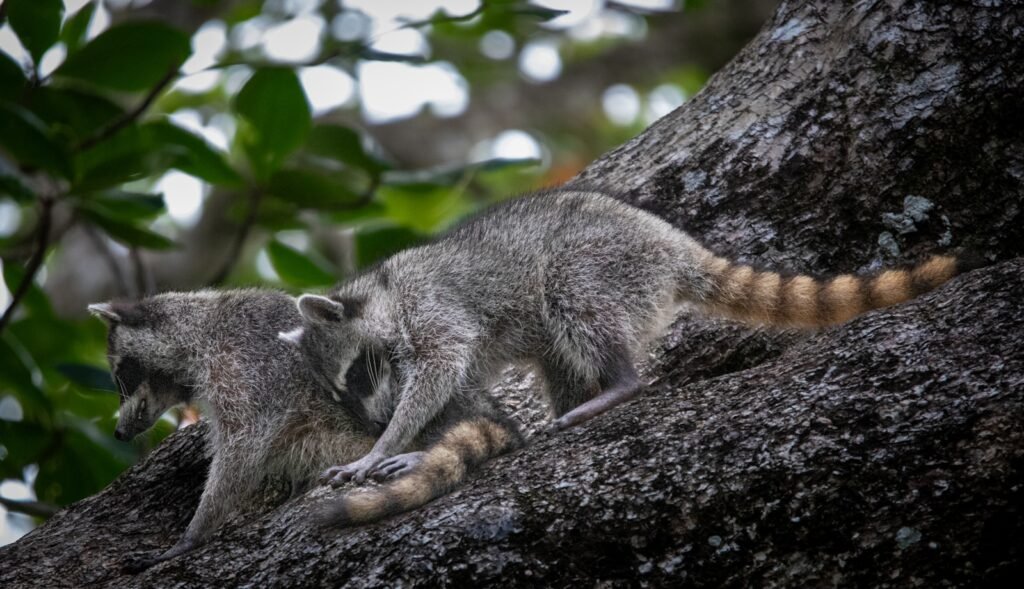
Touch is a fundamental form of communication among many animals. Primates, including humans, use grooming not only for cleanliness but also to establish bonds and social hierarchies. Felines often rub against each other or their human companions to show affection and spread their scent, a reassuring gesture of belonging.
Body Language and Posture

Body language is a silent yet powerful way animals communicate their intentions and emotional states. For instance, the submissive posture of a dog, with its tail tucked and body lowered, signals deference to a more dominant individual. Understanding these physical cues is crucial for maintaining harmony within social groups.
The Role of Environment in Communication

The environment in which a species lives heavily influences its communication methods. Nocturnal animals might rely more on auditory or chemical signals, as visual cues are less effective in the dark. Conversely, animals inhabiting open spaces or those with few obstacles might favor visual signals due to their long-range efficacy.
Adaptive Communication Strategies

Some animals have evolved unique communication strategies in response to ecological challenges. For example, some birds have developed higher-pitched songs to cut through urban noise pollution effectively. Such adaptability underscores the evolutionary importance of communication in survival and reproduction.
Human Impact on Animal Communication
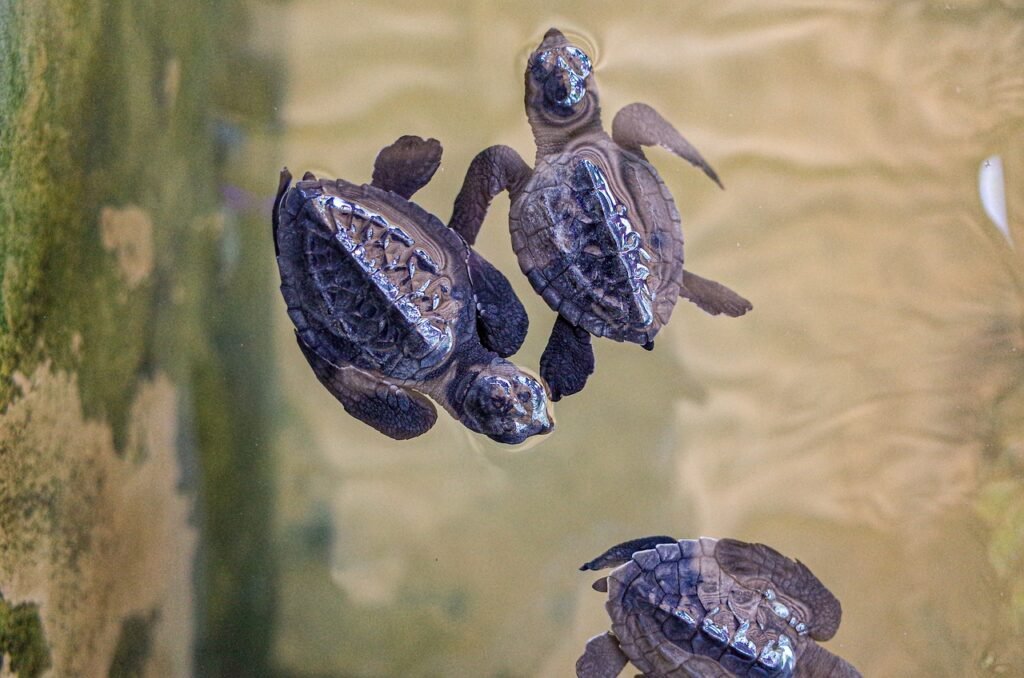
Human activities have significantly impacted animal communication. Urbanization, deforestation, and climate change alter habitats and can disrupt established communication channels. Some species have adapted to these changes, while others face increased challenges, highlighting the need for conservation efforts to preserve biodiversity.
Inter-Species Communication

Animals not only communicate within their species but can also understand and respond to signals from other species. This is evident in symbiotic relationships, such as between cleaner fish and their hosts. These interactions require mutual trust and clear communication to ensure both parties benefit without harm.
The Future of Animal Communication Research

Advancements in technology continue to enhance our understanding of animal communication. Researchers are now using artificial intelligence and machine learning to decipher complex communication patterns, offering new insights into animal behavior and social structures. This growing field promises to deepen our appreciation of the myriad ways animals interact with their world.
Conclusion

The evolution of animal communication is a testament to nature’s ingenuity and adaptability. From the simplest chemical signals to the most elaborate vocalizations and displays, animals have developed remarkable ways to connect and coexist. As we continue to uncover the secrets of these communication strategies, we gain a deeper understanding of the natural world and our place within it. Protecting these communication networks is vital, ensuring that the symphony of life continues to play on amidst the challenges of a changing planet.