Hibernation is one of nature’s most fascinating phenomena—a survival strategy that allows animals to withstand harsh environmental conditions. As autumn unfolds and temperatures fall, many creatures retreat into dormancy, reducing their metabolic rate to conserve energy throughout the cold months. This remarkable adaptation is not only essential for survival in the animal kingdom, but it also offers valuable insights for human application, from improving medical practices to advancing space travel. In this article, we will explore how different animals have perfected the art of hibernation and what valuable lessons we can glean from their astonishing capabilities.
What is Hibernation?

Hibernation is a state of prolonged dormancy that some animals enter during winter. It involves a significant reduction in metabolic rate, heart rate, and body temperature, allowing creatures to survive when food is scarce. By entering this deep sleep-like state, animals can conserve energy by minimizing physiological activities that would otherwise require food consumption. This process is not uniform across species; it varies widely depending on the animal and its environmental needs.
Diverse Strategies in the Animal Kingdom
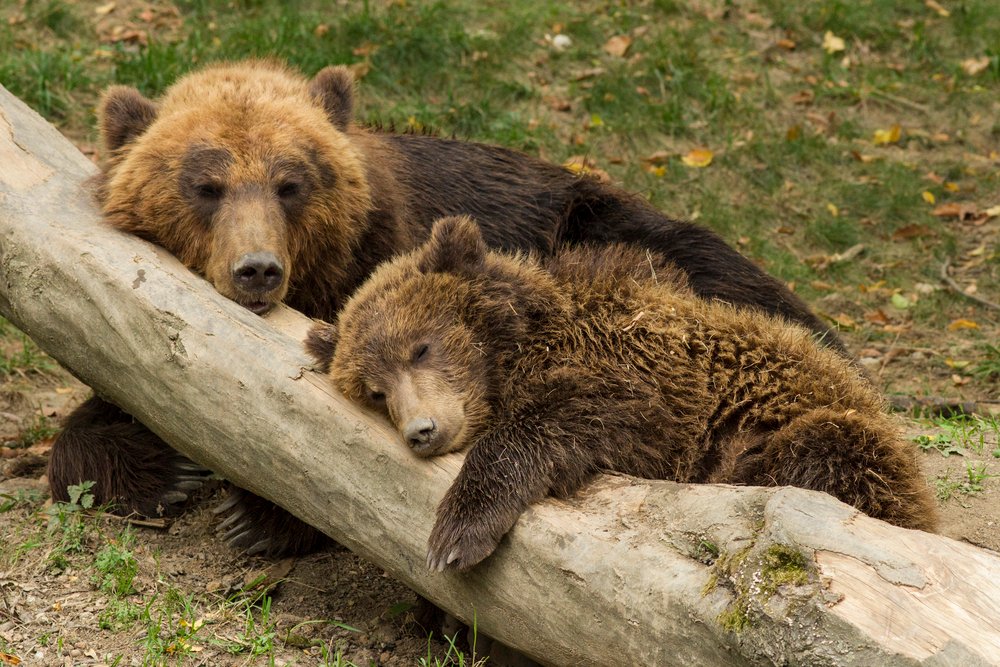
Different species employ various hibernation strategies, each uniquely adapted to their environment. Bears, for instance, undergo a lighter form of hibernation known as torpor, during which they can occasionally wake up and respond to changes in their surroundings. In contrast, little brown bats enter a more profound state of inactivity, reducing their body temperature to match that of the surrounding air, sometimes as low as 40 degrees Fahrenheit.
The Physiology Behind Hibernation

The physiological changes during hibernation are truly remarkable. Animals decrease their heart rate significantly, sometimes to as low as one beat per minute, as observed in hibernating ground squirrels. Their breathing may also slow dramatically, or even pause for periods of time. This reduction in body functions is complemented by the burning of stored body fat, providing just enough energy to maintain vital processes.
Mysteries of Metabolism

One of the great scientific mysteries of hibernation is the ability of animals to decrease their metabolism so drastically yet awaken unharmed. Metabolic suppression is a controlled process, demonstrating incredible biological regulation. Scientists are studying this aspect to develop ways to slow human metabolism, with potential applications in treating trauma victims or improving organ transplant procedures.
Hibernation and Longevity

Intriguingly, animals that hibernate often enjoy longer lifespans than those that remain active throughout the year. This could be due to their reduced metabolic rates, allowing their bodies to suffer less wear and tear over time. This observation has sparked interest in researching how lowering metabolism affects aging and longevity, with the potential to inform anti-aging therapies.
Survival of the Fittest: Avoiding Predators During Hibernation
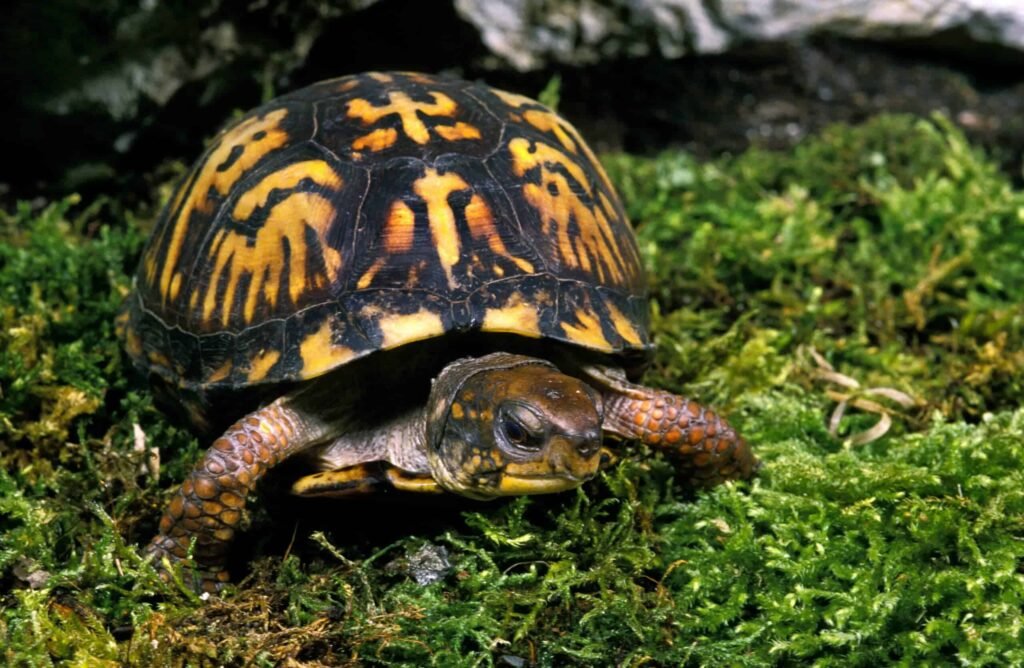
While in hibernation, animals are inherently vulnerable to predators. To counter this, many have developed ways to remain hidden or build physical defenses. Hibernators like the arctic ground squirrel dig deep burrows, while others, like the box turtle, withdraw into sturdy shells for protection. Understanding these protective strategies could lend insights into improving human security measures.
Environmental Triggers for Hibernation
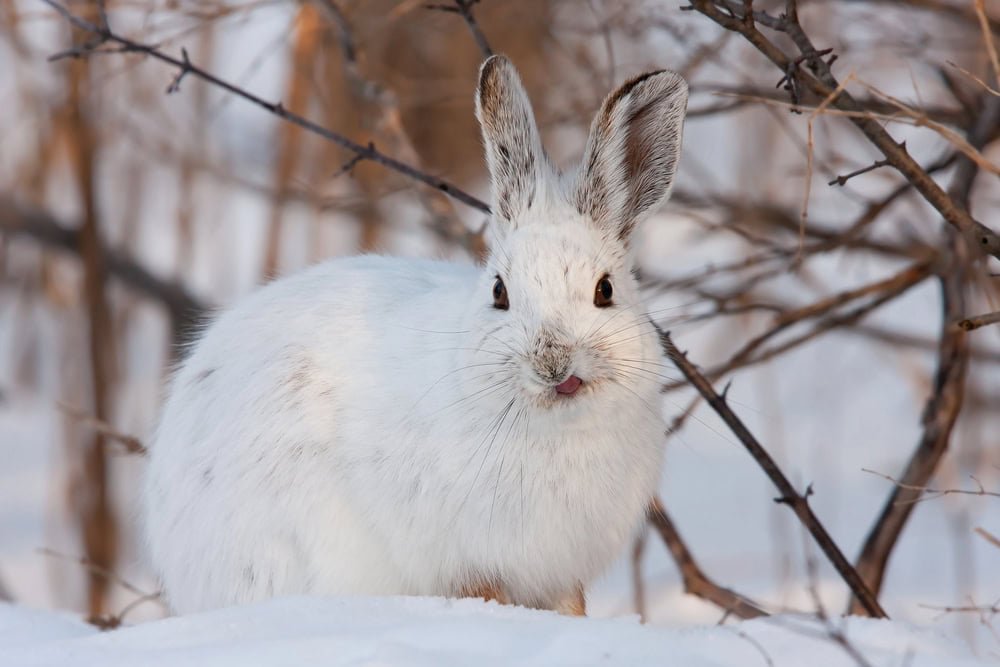
Hibernation readiness is often triggered by environmental cues. Shortening daylight hours, colder temperatures, and reduced food availability signal animals to start preparing for the dormant period. Researching these natural indicators helps scientists predict animal behavior, which is crucial for conservation efforts and understanding ecosystem dynamics, particularly in the face of climate change.
Lessons for Human Space Travel

Hibernation research has captured the interest of space agencies around the world. If scientists can replicate controlled metabolic suppression in humans, it could revolutionize long-duration space travel. Astronauts might one day be able to “hibernate” during extended missions, conserving resources and reducing the psychological strain of waking travel. Such concepts are still theoretical, but hibernating animals provide a biological blueprint for scientists to explore.
Hibernation and Medicine: Hope for New Treatments
Medical experts are increasingly interested in how understanding hibernation physiology could lead to advances in critical care treatments. The ability of hibernators to endure low oxygen levels and slowed circulation could aid in developing therapies to protect human tissues during surgery, or even in designing strategies to reduce damage after heart attacks or strokes.
The Future of Hibernation Research

As technology advances, researchers continue to unlock the secrets of hibernation. The potential applications are vast, from improving energy conservation efforts and developing bio-inspired engineering designs, to developing new techniques in patient care. Collaborations across disciplines are essential to realizing these possibilities, as understanding hibernation demands an interdisciplinary approach.
Conclusion

Hibernation is much more than a winter survival tactic; it is a complex biological marvel with significant implications for science and technology. From enhancing our understanding of human health and longevity to paving the way for space exploration, the lessons learned from hibernating animals hold the keys to many questions of modern science. As we continue to study and learn from these resilient creatures, we edge closer to unlocking the full potential of hibernation’s mysteries, turning age-old survival instincts into pathways for future innovations.