The human microbiome is a fascinating and complex ecosystem teeming with trillions of microorganisms that play a crucial role in maintaining our health. These tiny inhabitants, mainly composed of bacteria, viruses, fungi, and other microbes, inhabit various surfaces of our body, including the skin, mouth, gut, and beyond. The interplay between the microbiome and our biological systems is still a field of active research, but what scientists have discovered so far is astounding. Here, we explore 14 surprising facts about the microbiome and its vital role in our well-being.
The Sheer Number of Microorganisms

The human microbiome is made up of around 100 trillion microorganisms, outnumbering our own body cells by a factor of roughly 10 to 1. This incredible number illustrates how significantly these organisms contribute to our bodily functions.
Genetic Influence

The microbiome’s collective genetic material, known as the microbiome genome, is over 200 times larger than the human genome. This vast genetic repertoire provides our bodies with capabilities we do not possess alone, such as breaking down complex carbohydrates and synthesizing essential vitamins.
The Gut-Brain Axis
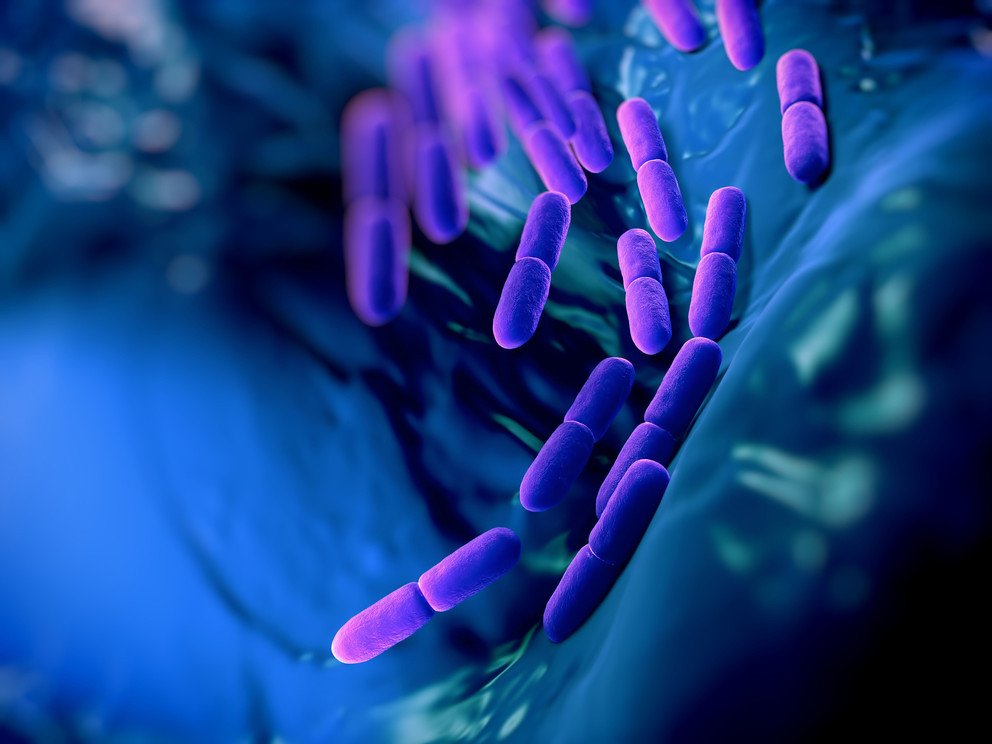
The microbiome plays a significant role in the gut-brain axis, a communication pathway between the gastrointestinal tract and the central nervous system. This connection means that the state of your gut microbiome can influence your mood, stress levels, and cognitive functions.
Immune System Development
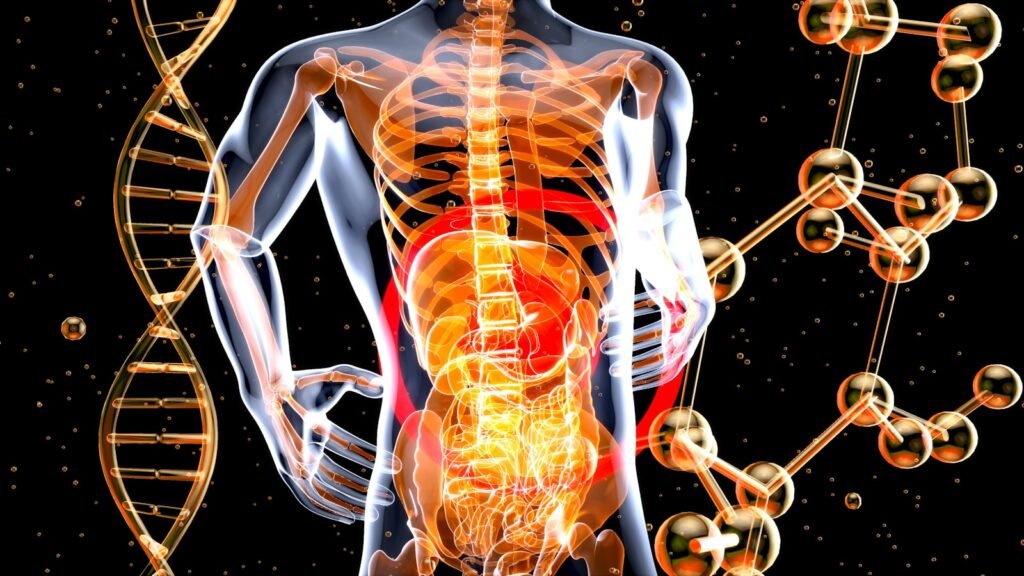
The microbiome is crucial for the development and training of the immune system. By interacting with our immune cells, microbiota help to distinguish between harmful pathogens and harmless substances, reducing the likelihood of autoimmune diseases.
Metabolic Health and Obesity

The composition of our gut microbiota can influence metabolic processes and has been linked to obesity. Certain bacterial species are more efficient at extracting energy from food, which can contribute to weight gain.
Influence on Digestive Health

A healthy gut microbiome is essential for maintaining digestive health. By aiding in the digestion of foods and regulating gut motility, beneficial bacteria can prevent disorders such as irritable bowel syndrome and inflammatory bowel disease.
Antibiotic Resistance

The misuse of antibiotics can disrupt the microbiome, leading to antibiotic resistance. This disruption reduces microbial diversity and allows harmful bacteria to thrive, posing a serious public health concern.
Skin Microbiome Protective Role

The skin microbiome serves as a defensive barrier against pathogenic organisms. By regulating skin pH and producing antimicrobial substances, these microorganisms help maintain skin health and prevent infections.
Microbiome and Allergies

Early exposure to diverse microbiota is linked to a reduced risk of developing allergies. The “hygiene hypothesis” suggests that limited exposure to microbes in early life can lead to a poorly trained immune system, increasing allergy susceptibility.
Probiotics and Prebiotics

Probiotics are live microorganisms that offer health benefits when consumed, while prebiotics are compounds that fuel beneficial bacteria. Both can positively influence microbiome composition and overall health.
Role in Mental Health

Alterations in the gut microbiota have been associated with mental health conditions such as depression and anxiety. The production of neurotransmitters and short-chain fatty acids by gut bacteria can impact mental well-being.
Impact on Nutrition

The microbiome assists in breaking down dietary fibers, producing short-chain fatty acids that are beneficial for colon health and energy metabolism. This process underscores the importance of a fiber-rich diet for microbiome health.
Influence on Chronic Diseases

The gut microbiome has been implicated in chronic conditions such as diabetes, cardiovascular disease, and even cancer. By influencing inflammation and metabolic processes, the microbiome plays a pivotal role in disease pathology.
Transgenerational Influence

Microbial strains can be transmitted from mother to child during childbirth and breastfeeding, impacting the child’s future health. The initial colonization of the microbiome can set baseline health conditions that persist into adulthood.
As we delve deeper into understanding the human microbiome, it becomes apparent that these microbial communities are integral to our health. They affect virtually every aspect of our physiology, from digestion to mental health, and understanding their role offers potential avenues for therapeutic interventions. Encouraging a healthy microbiome through diet, lifestyle, and potentially tailored medical treatments, can unlock unprecedented opportunities for improved health outcomes.