In the daunting face of environmental challenges, finding innovative solutions to clean and sustain the planet has become crucial. While microbes might usually conjure images of pathogens and illnesses, many of these microscopic organisms play a vital role in maintaining ecological balance. Surprisingly, certain microbes can also help remediate pollutants, replenish depleted environments, and restore natural health. This article delves into eight impressive types of microbes that are quietly helping clean the Earth.
Rhizobia: The Nitrogen Fixers
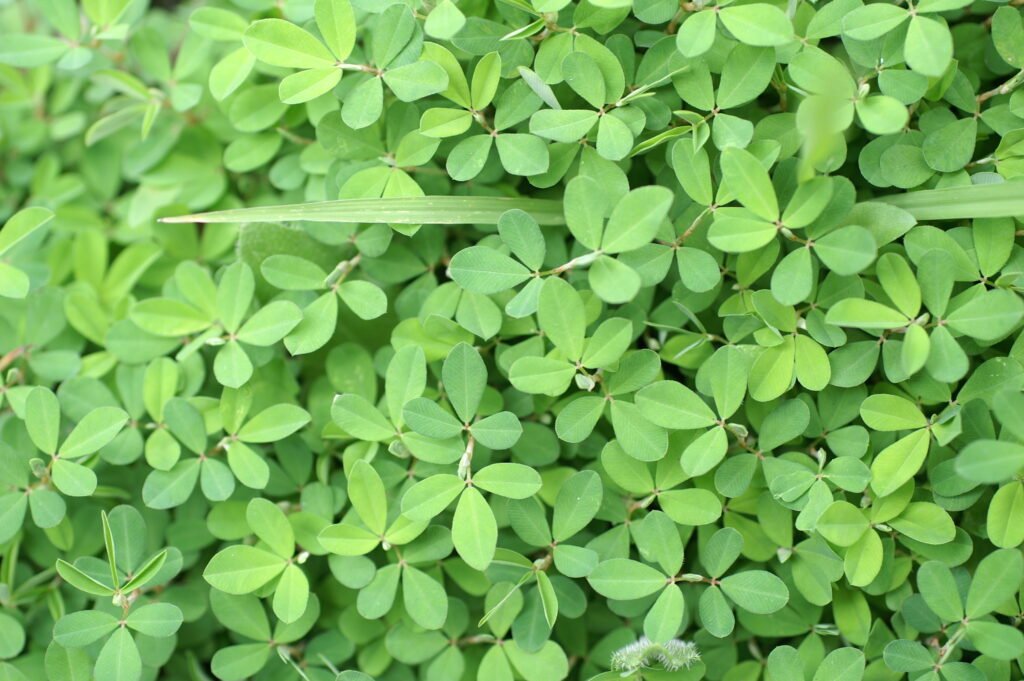
Rhizobia are a group of bacteria that form symbiotic relationships with leguminous plants. Burrowing into roots, these tiny helpers work diligently to convert atmospheric nitrogen into nitrates and ammonia—nutrients essential for plant growth. By enriching the soil naturally, rhizobia reduce the dependence on chemical fertilizers, which often leach into waterways and cause harmful algal blooms.
Pseudomonas: The Oil Degraders
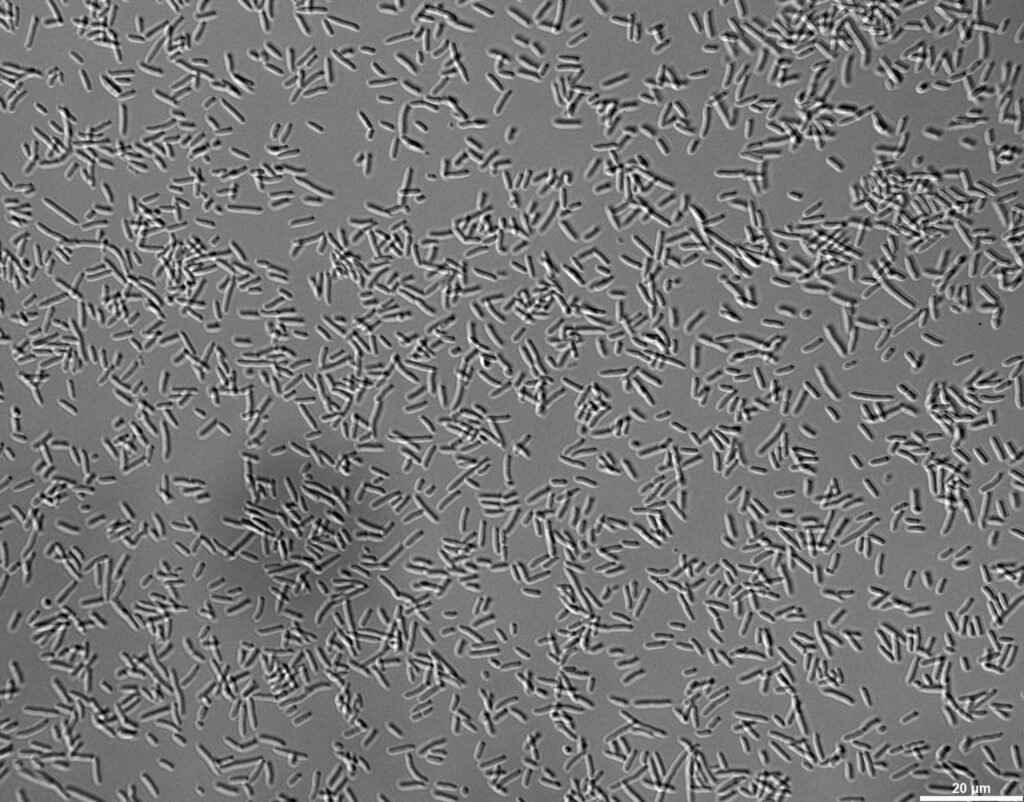
Pseudomonas species are versatile bacteria that can thrive in diverse environments. They possess the remarkable ability to degrade hydrocarbons, making them invaluable in the cleanup of oil spills. By breaking down complex oil molecules into less harmful substances, Pseudomonas aid in mitigating the long-term environmental impact of such disasters, contributing to the natural recovery of affected ecosystems.
Alcaligenes: The Detoxifiers

Alcaligenes are a genus of bacteria known for their resilience in challenging conditions, such as contaminated soils. These microbes can metabolize a range of pollutants, including heavy metals and industrial toxins. By converting harmful chemicals into less toxic forms, Alcaligenes play a crucial role in detoxification processes, promoting healthier soil and safer water resources.
Mycorrhizal Fungi: The Soil Builders

Mycorrhizal fungi form symbiotic relationships with plant roots, extending far into the soil. They assist in nutrient absorption while enhancing soil structure and stability. By improving soil health, mycorrhizal fungi reduce erosion and increase the soil’s capacity to store carbon, providing an essential service in the fight against climate change.
Dehalococcoides: The Chlorine Transformers

Dehalococcoides are specialized bacteria that can break down chlorinated compounds, which are often found in industrial solvents and pesticides. These microbes perform reductive dechlorination, effectively transforming harmful compounds into benign substances. Their unique ability to tackle chlorine-based pollution helps cleanse groundwater and soil, protecting both human health and ecosystems.
Lactobacillus: The Biodegradable Plastic Eaters
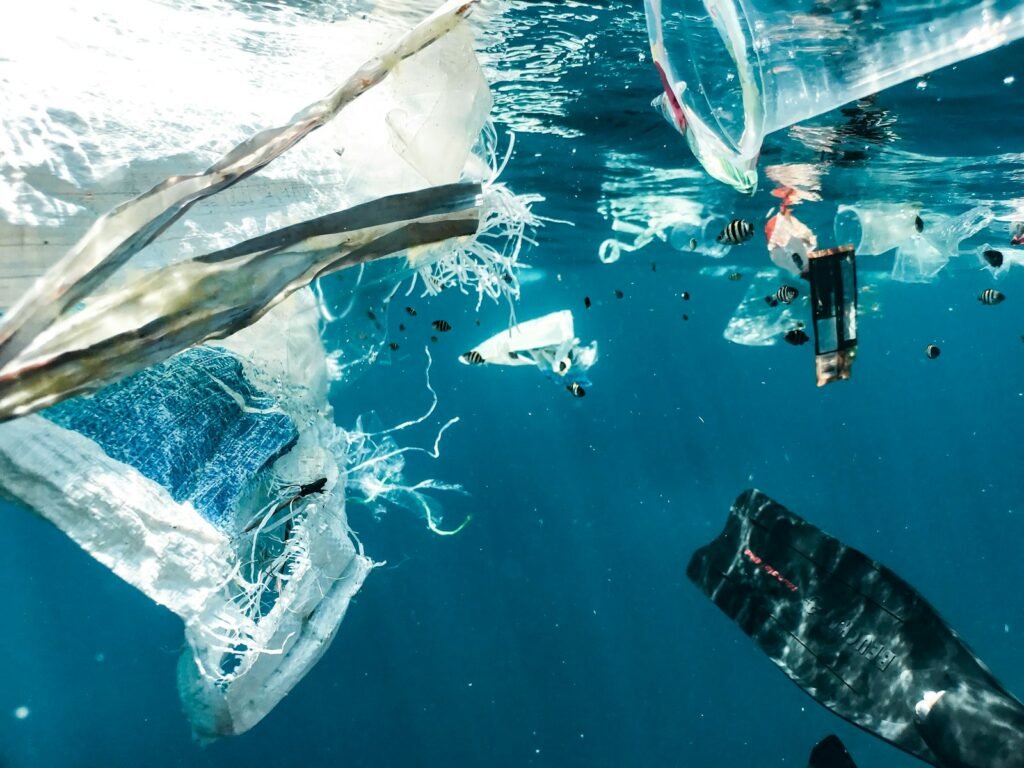
Lactobacillus is not just for yogurt! Some species within this genus are capable of breaking down polylactic acid (PLA), a biodegradable plastic. As plastic pollution becomes an ever-increasing concern, Lactobacillus’s ability to degrade PLA swiftly and efficiently points to exciting potentials in waste management and recycling efforts.
Sphingomonas: The Biomass Utilizers
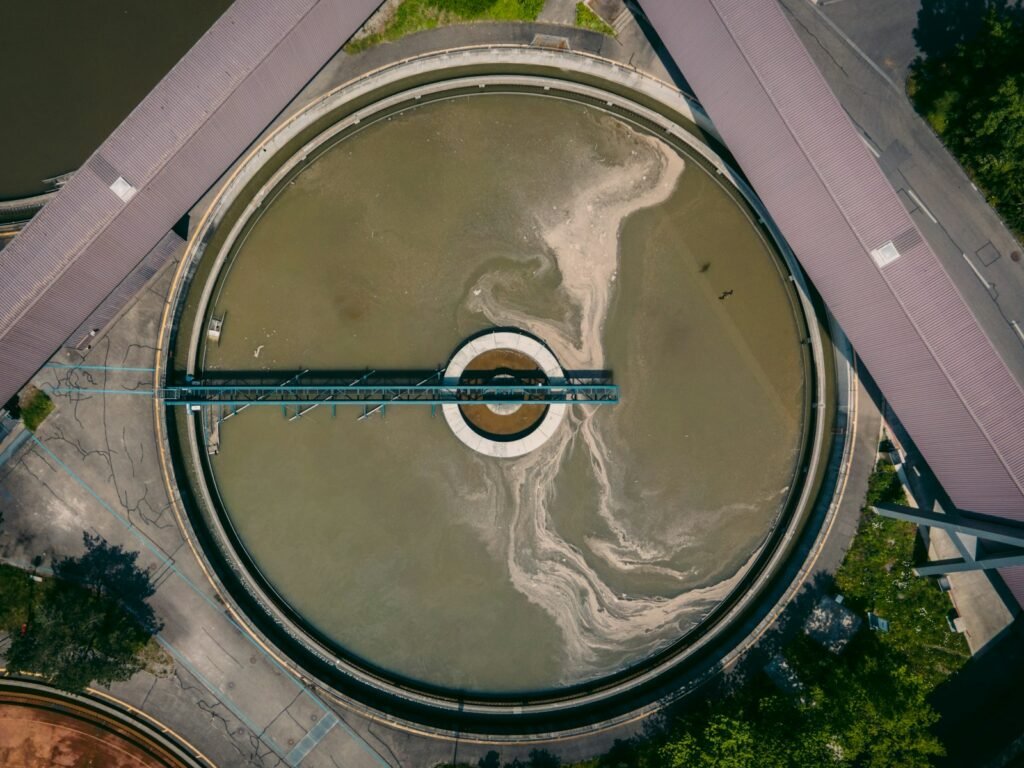
Sphingomonas are a group of bacteria that thrive on consuming a variety of organic pollutants. These microbes play a key role in wastewater treatment by metabolizing contaminants found in sewage. By contributing to the biodegradation of complex waste materials, Sphingomonas help maintain healthier aquatic environments while preventing the spread of pathogens.
Geobacter: The Electricity Generators

Geobacter is a genus of bacteria known for its ability to conduct electricity. Through a process called extracellular electron transfer, these microbes can transform waste into energy. Their unique capabilities suggest potential applications in bioenergy production, where they could be harnessed to convert agricultural or industrial waste into electricity, promoting sustainable energy solutions.
In conclusion, while microbes are often underestimated, their contributions to environmental cleaning are both remarkable and essential. From purifying water to restoring soil health, these microscopic beings—Rhizobia, Pseudomonas, Alcaligenes, Mycorrhizal fungi, Dehalococcoides, Lactobacillus, Sphingomonas, and Geobacter—are proving instrumental in the global effort to forge a cleaner, healthier future. By embracing and enhancing the capabilities of these natural allies, we can further mitigate the impacts of pollution and nurture our planet back to vitality.