The story of life on Earth is written in the rocks beneath our feet. For over a century, paleontologists have unearthed ancient secrets, revealing a mind-boggling tapestry of life that stretches back billions of years. Some of these discoveries have fundamentally reshaped our understanding of evolution. In this article, we journey through time to explore 14 fossil finds that have changed our perception of how life has evolved on our planet.
Archaeopteryx: The First Bird

The discovery of Archaeopteryx in the 1860s provided compelling evidence for the evolution of birds from theropod dinosaurs. With features of both dinosaurs and modern birds, including feathers and a toothed beak, this fossil has been pivotal in understanding avian evolution. Its blend of avian and reptilian traits offers vital insights into the transitional forms in evolutionary history.
Tiktaalik: The Fishapod
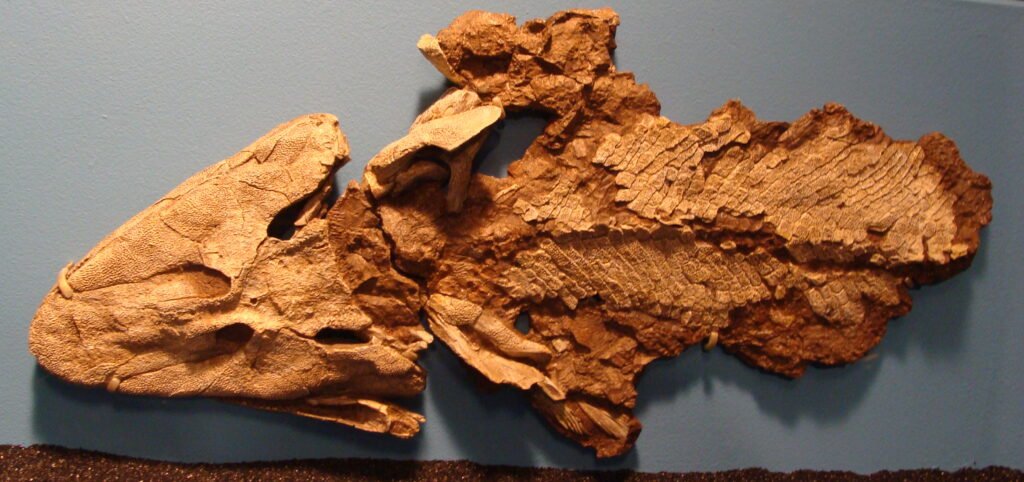
Found in the Canadian Arctic in 2004, Tiktaalik is often referred to as a “fishapod” due to its blend of fish and tetrapod characteristics. This 375-million-year-old creature had scales and gills but also possessed ribs and a neck, indicating steps toward life on land. Its fins, which show the beginnings of a wrist-like structure, mark a significant stage in the evolution of vertebrates transitioning from water to land.
Australopithecus afarensis: Lucy
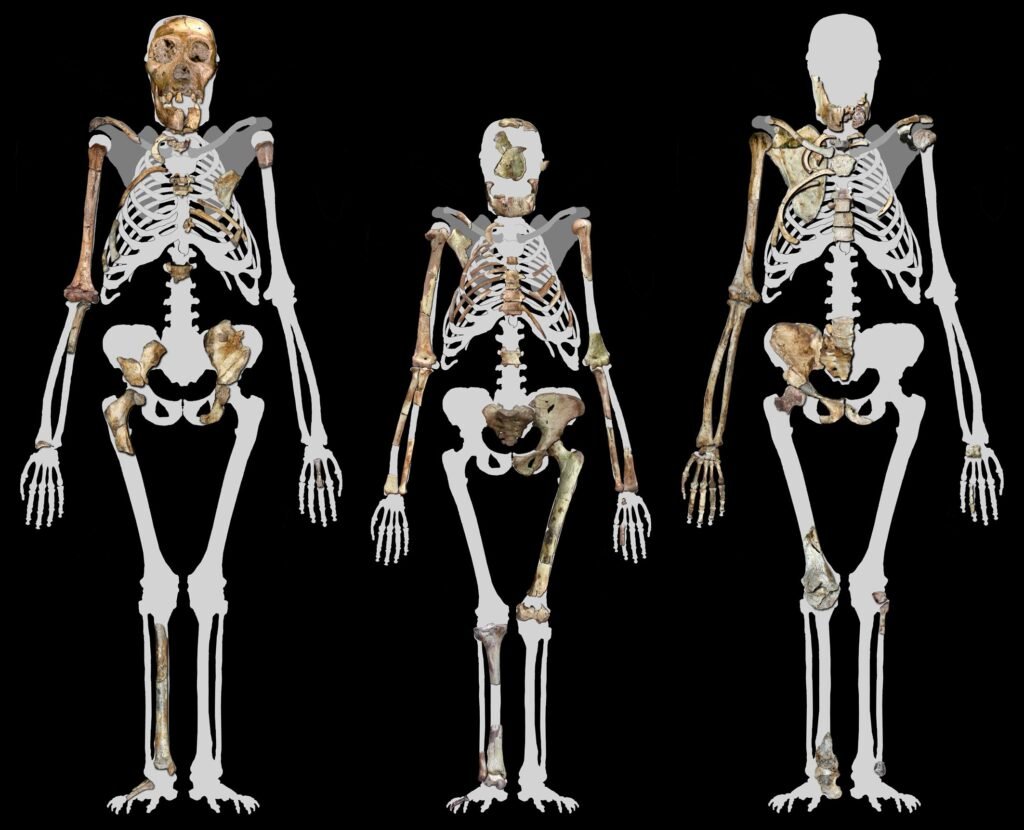
In 1974, the discovery of a partial skeleton of Australopithecus afarensis, affectionately nicknamed Lucy, in Ethiopia revolutionized our understanding of human evolution. At 3.2 million years old, Lucy provided crucial evidence that bipedalism preceded larger brain size in human evolution, resetting the timeline of our ancestral tree and offering remarkable insights into our evolutionary past.
Homo naledi: A New Hominin Species

Uncovered in South Africa’s Rising Star Cave in 2013, Homo naledi is a fascinating hominin species that has challenged traditional narratives about human evolution. With a mixture of primitive and modern traits, this species lived roughly 250,000 years ago, demonstrating a complex picture of human evolution where multiple species coexisted and possibly interacted.
Coelacanth: The Living Fossil

Once thought extinct, the Coelacanth was rediscovered alive off the coast of South Africa in 1938. Fossils of this “living fossil” were initially known only from the Devonian period. Its discovery astonished scientists and offered a unique glimpse into a lineage that dates back over 400 million years, providing a living window into ancient marine ecosystems.
Ichthyostega: Walking Fish
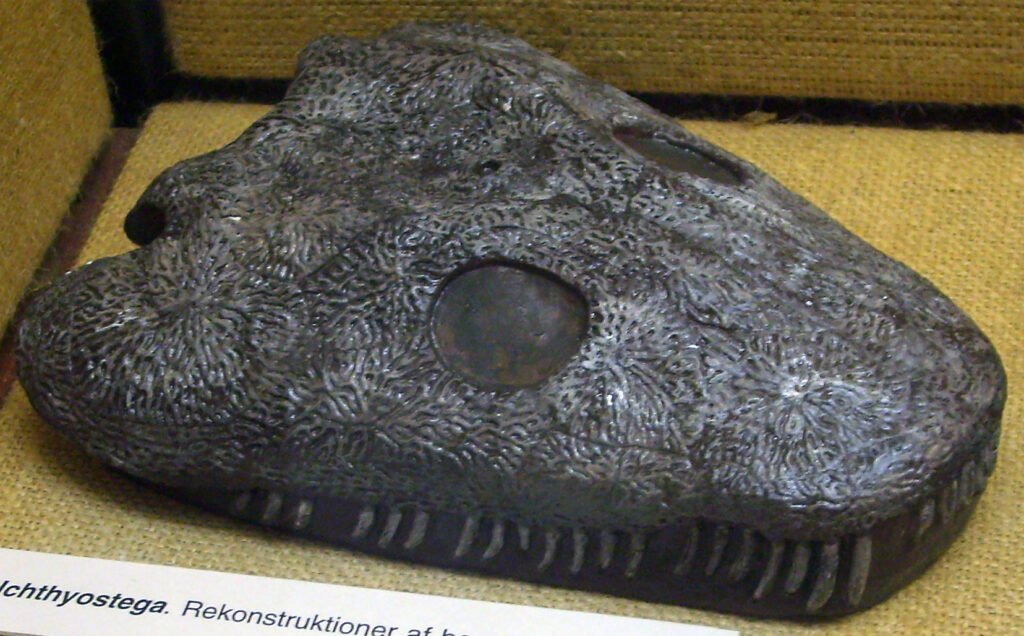
Ichthyostega, unearthed in Greenland, is one of the earliest known tetrapods, bridging the gap between aquatic and terrestrial vertebrates. Dating back 370 million years, it possessed limbs capable of supporting its weight on land, highlighting a major evolutionary transition as vertebrates began to colonize terrestrial environments.
The Burgess Shale: Cambrian Explosion
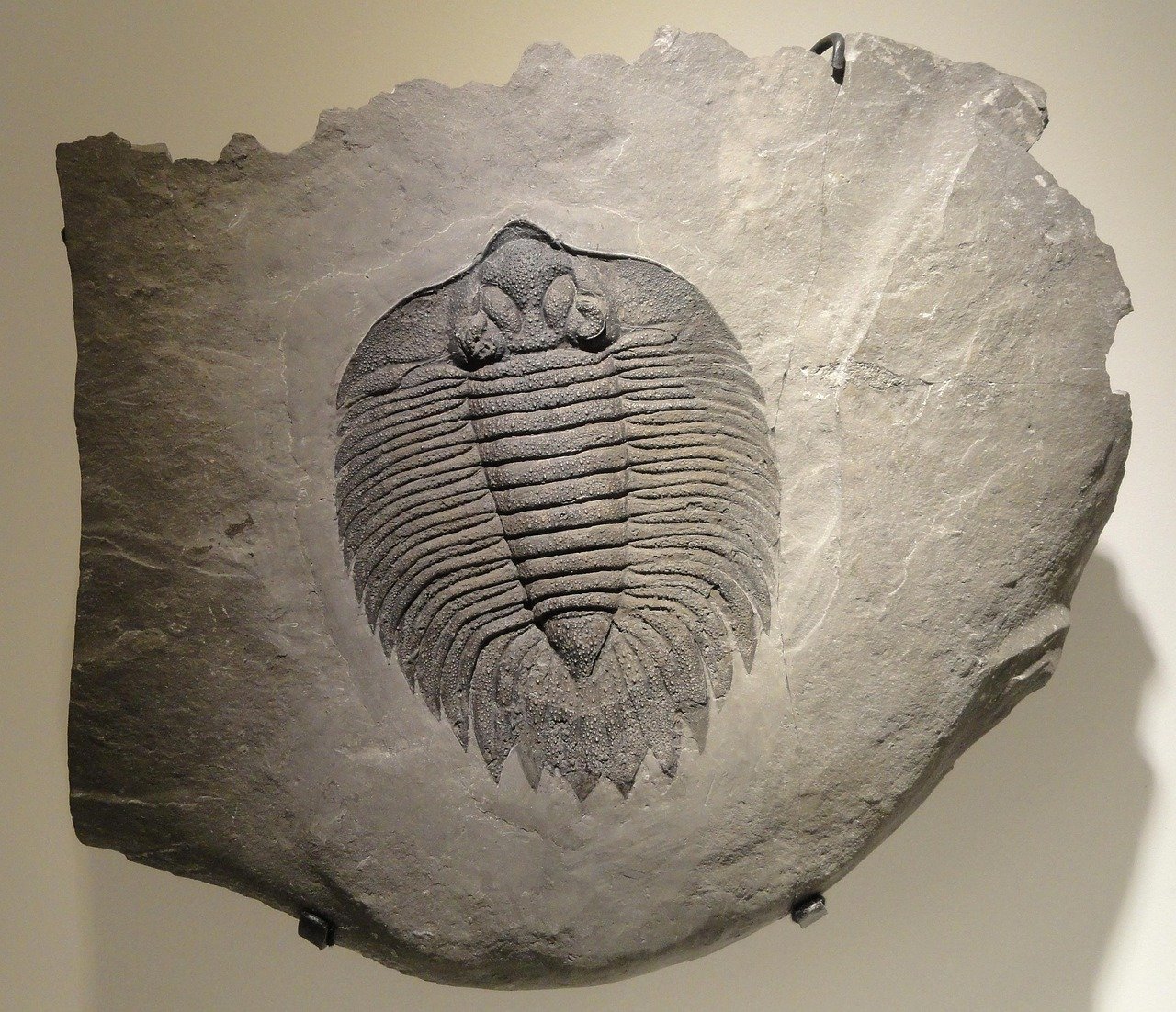
The fossil-rich Burgess Shale in Canada, dating back around 508 million years, has provided an unparalleled window into the Cambrian Explosion—a period of rapid diversification in marine life. These fossils capture a vast array of previously unknown soft-bodied organisms, helping to illuminate the early complexity and diversity of multicellular life.
Gigantopithecus: The Giant Ape
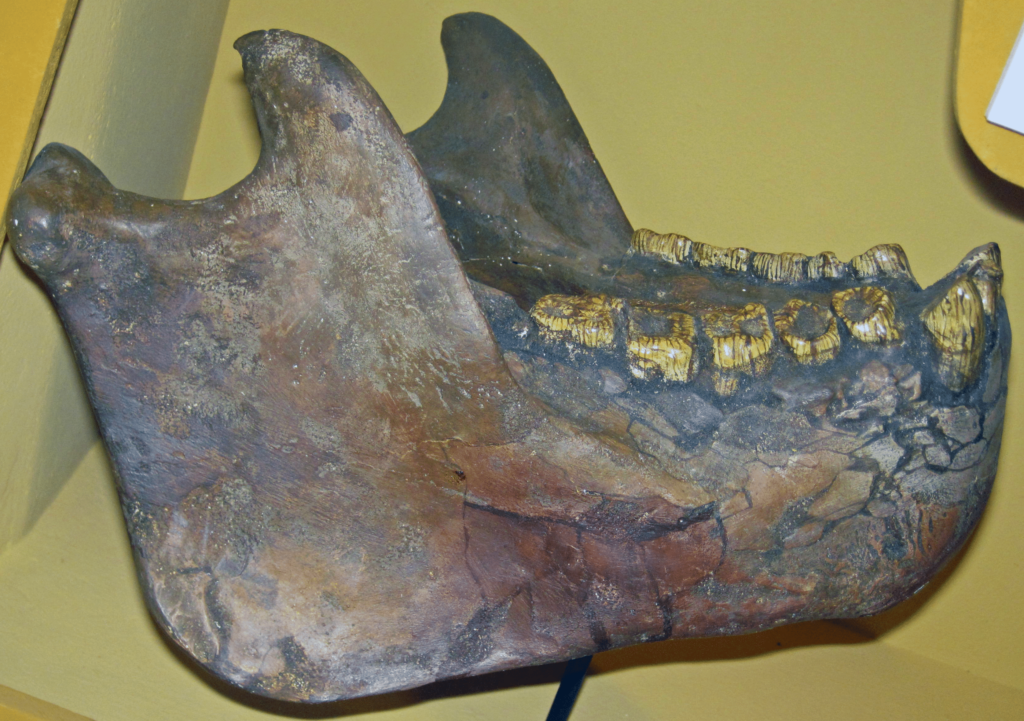
Fossils of Gigantopithecus reveal the existence of the largest apes to have ever lived. Discovered in Asia, these giant herbivores roamed the Earth from about nine million to 100,000 years ago. Their remains help contextualize the evolution of primates and provide insights into the factors that may have led to their eventual extinction.
Sahelanthropus tchadensis: The Earliest Hominin
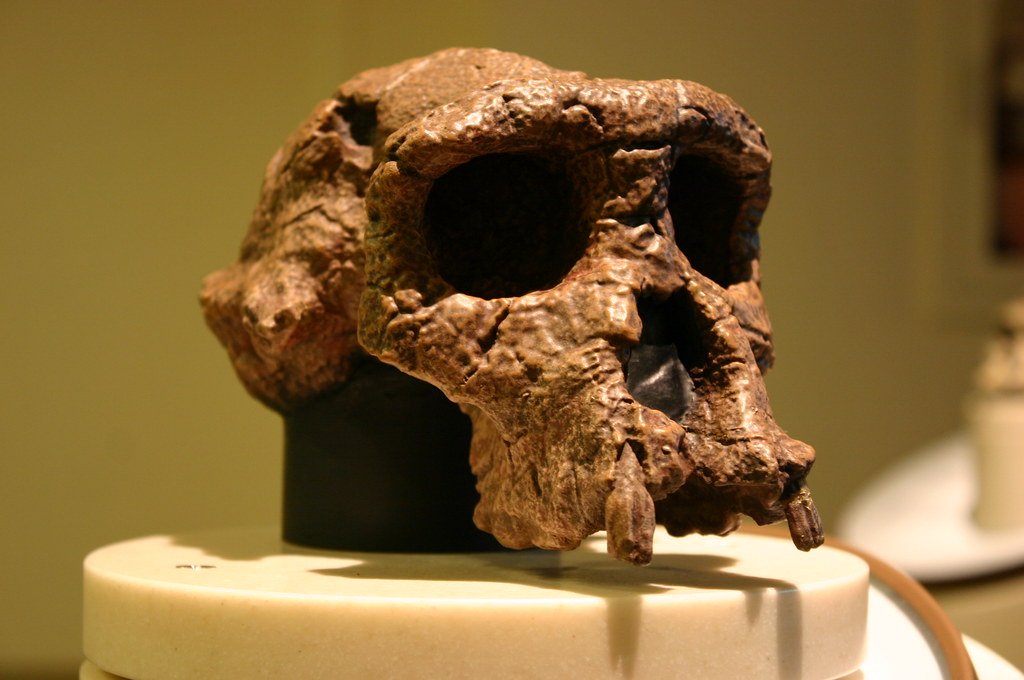
Discovered in Chad in 2001, Sahelanthropus tchadensis dates back approximately seven million years and is one of the oldest known hominins. Its skull exhibits a blend of ape-like and human-like features, marking a crucial point in the divergence between apes and humans and offering clues about the characteristics of our last common ancestor.
Spinosaurus: The Aquatic Dinosaur
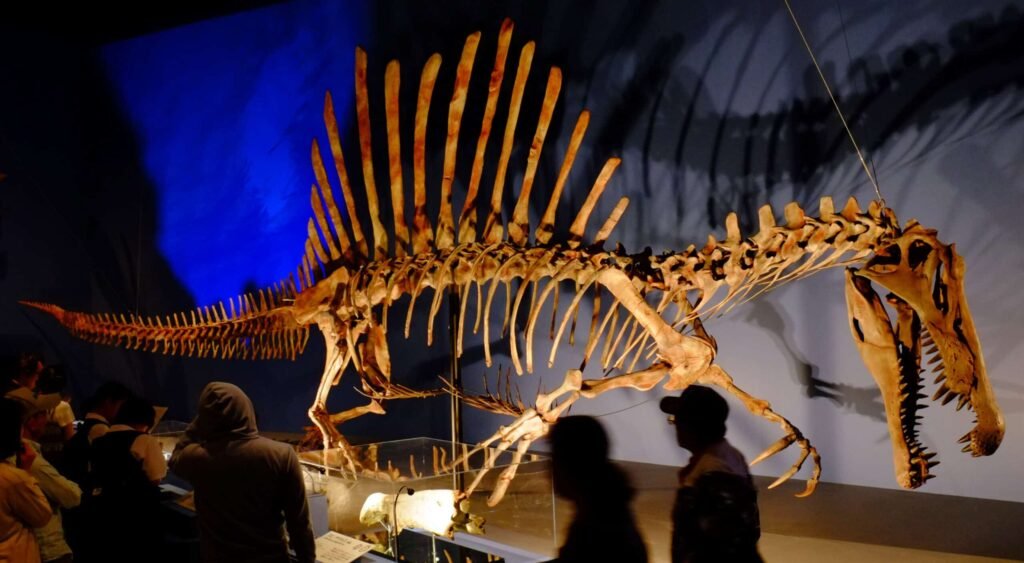
Spinosaurus, recognized as one of the longest carnivorous dinosaurs, challenges our understanding of dinosaur ecology. Fossils indicate that it was semi-aquatic, with adaptations for both swimming and fishing. This reevaluation of Spinosaurus not only shifts perceptions of dinosaur lifestyles but also emphasizes the ecological diversity of ancient reptiles.
Eoraptor: Early Dinosaur Evolution

Discovered in Argentina, Eoraptor is one of the most primitive known dinosaurs, dating back to 231 million years ago. Its fossils offer vital insights into the dawn of the dinosaur lineage, evidencing a common terrestrial ancestry shortly after dinosaurs diverged from their archosaur ancestors, showcasing the humble beginnings of this dominant clade.
Mesonychids: Whale Ancestors
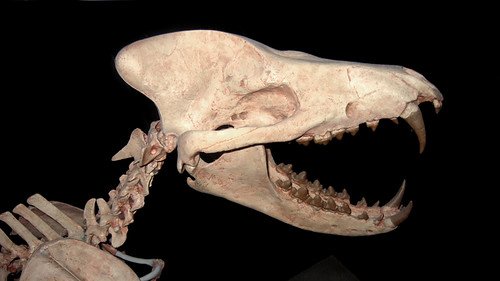
Long before modern whales roamed the oceans, a group of carnivorous mammals called mesonychids prowled the land. Fossils suggest these ungulate ancestors of whales took to aquatic life over time. The transition from land to sea by whales is one of the most remarkable evolutionary stories, with mesonychids providing key evidence of this transformation.
Trilobites: Earth’s Early Arthropods
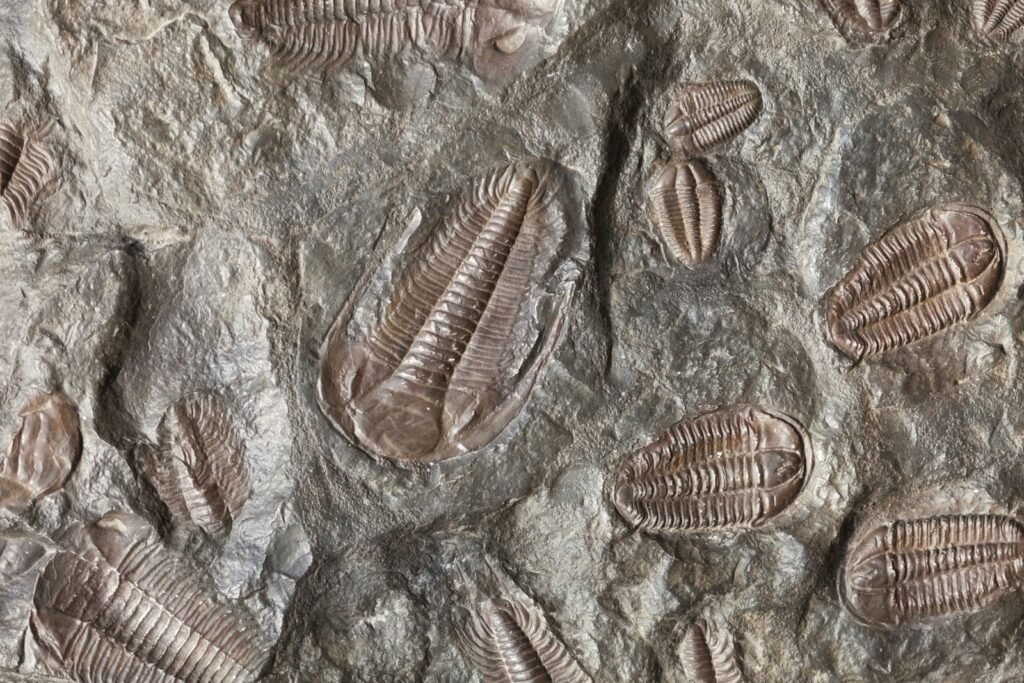
Trilobites, found in abundance from the Cambrian period onward, offer a glimpse into the early stages of arthropod evolution. Their diverse forms and widespread presence illustrate the success and adaptability of arthropods, a phylum that includes modern insects and crustaceans and remains one of Earth’s most prolific groups of life.
Dimetrodon: A Synapsid Pioneer
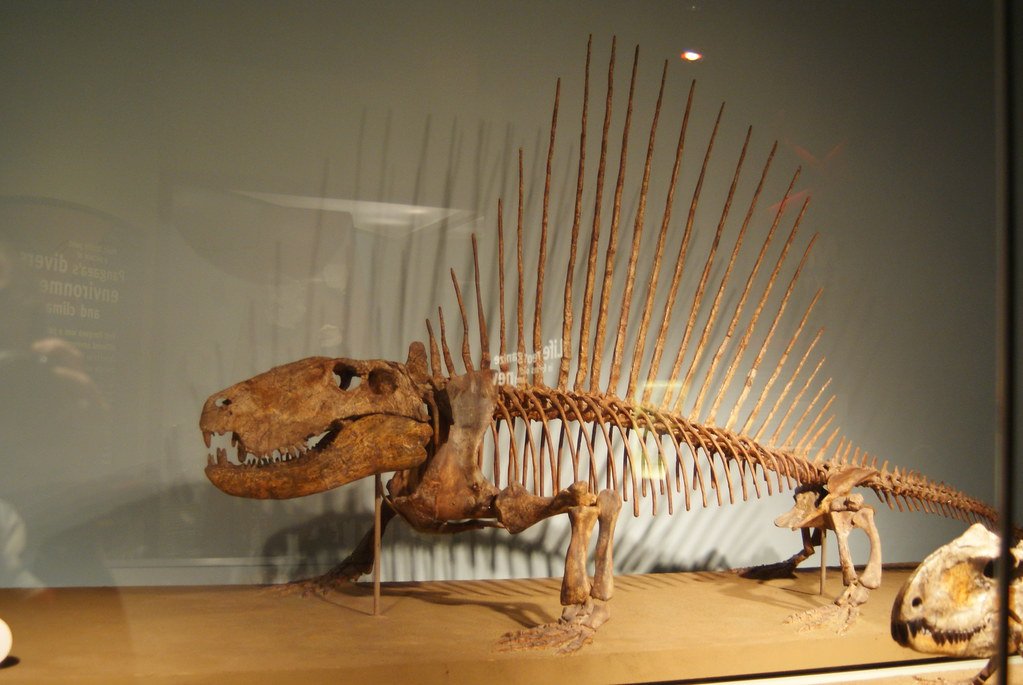
Often mistaken for a dinosaur, Dimetrodon was actually a synapsid, more closely related to mammals. Its sail-like structure, possibly used for thermoregulation, highlights an early experiment in evolutionary adaptations. Fossils of Dimetrodon unveil crucial details about the lineage leading to mammals, displaying an intriguing branching from the reptilian ancestors.
Conclusion

In conclusion, these 14 fossil discoveries each serve as a testament to the ever-evolving tapestry of life on Earth. They not only illuminate significant evolutionary transitions but also continually challenge our understanding, reminding us that the history of life is far richer and more complex than previously imagined. As paleontologists continue to uncover the past, who knows what other secrets might be waiting in the layers of rock, ready to reshape our view of life’s ancient story.