Across the world, plants and pollinators engage in one of nature’s most fascinating partnerships. This intricate relationship has been shaped by millions of years of evolution. The result is a dazzling array of flowers, each uniquely adapted to lure its preferred pollinators. Understanding these evolutionary changes not only illuminates the wondrous complexity of the natural world but also highlights the critical importance of conserving these relationships for the survival of many plant species.
The Beginnings of Plant-Pollinator Relationships

It all began around 100 million years ago when the first flowering plants, or angiosperms, appeared. These early plants originally relied on the wind to transfer pollen, but over time, they developed strategies to attract pollinating insects. This mutualistic relationship allowed plants to reproduce more efficiently, while pollinators received food in the form of nectar.
Color as a Key Attraction Factor
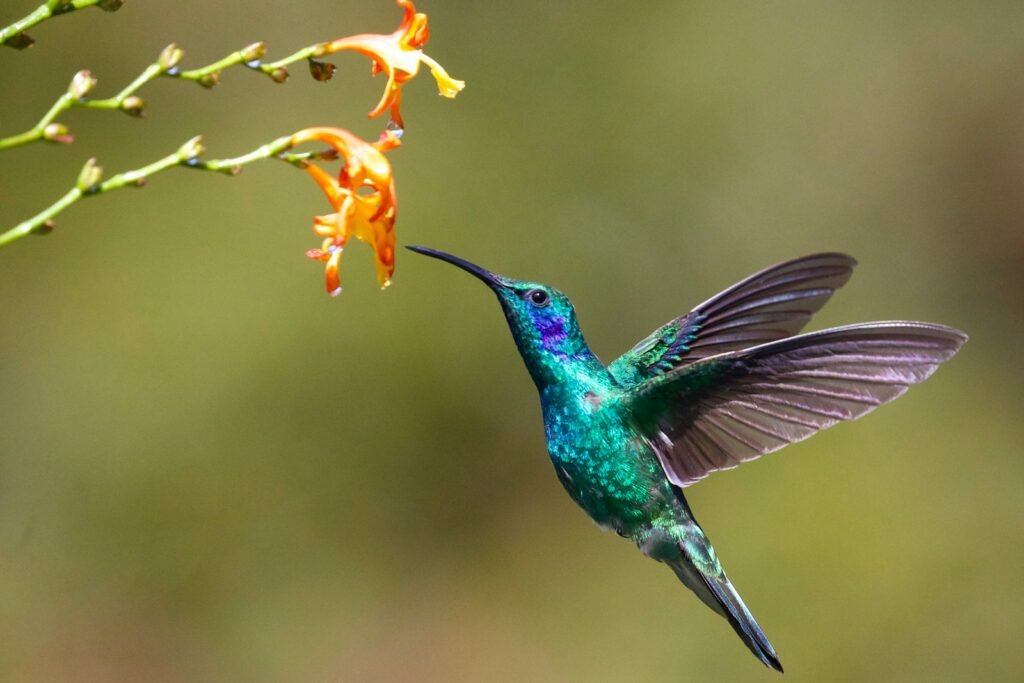
One of the most noticeable adaptations of flowers is their vibrant colors. Plants have developed color patterns that are particularly appealing to their specific pollinators. For example, bees are attracted to blue and violet shades, while birds, such as hummingbirds, are often drawn to red and orange hues. These color signals help pollinators identify and choose blooms, facilitating more effective pollination.
Scents That Signal Sweet Rewards
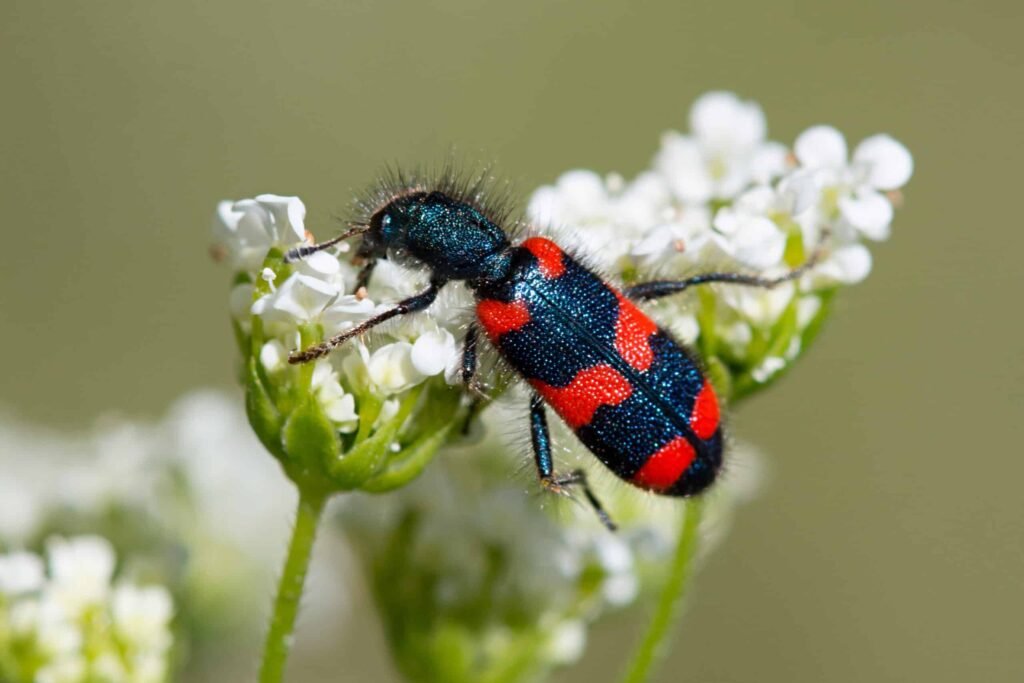
Alongside color, scent plays a crucial role in attracting pollinators. Flowers produce volatile organic compounds that create distinct fragrances, leading pollinators to their nectar-rich sources. The night-blooming jasmine, for instance, releases a strong scent that attracts nocturnal moths, while the skunk cabbage emits a pungent odor that lures flies and beetles.
Shape and Structure: Efficiency in Pollination
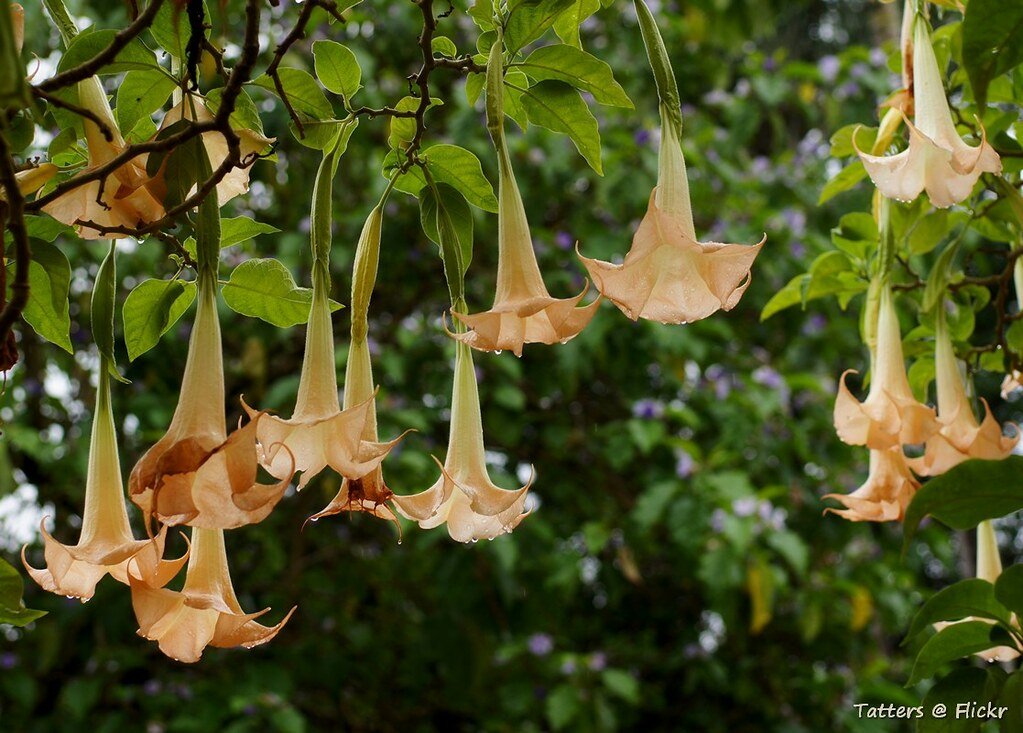
Beyond color and scent, the physical structure of a flower can significantly influence its pollinator appeal. Some plants, such as trumpet-shaped flowers, are specifically designed to accommodate the long bills of hummingbirds, while others feature landing platforms that provide an inviting perch for butterflies and bees. Orchids are a prime example, with some species evolving highly specialized forms that cater to a single type of pollinator.
Nectar Guides: Natural Signposts for Pollinators

Nectar guides are visual cues found on flowers that lead pollinators to the source of nectar. These patterns, sometimes visible only under ultraviolet light, help direct insects precisely where they need to go, ensuring efficient pollen transfer. These guides often appear as lines or spots contrasting with the flower’s primary color.
Mimicry and Deception in Pollination

In a remarkable twist, some plants evolved to attract pollinators through deception. Certain orchids, for example, mimic the appearance and scent of female insects, tricking male insects into attempting to mate with them, thereby achieving pollination. This evolutionary tactic demonstrates the intricate dynamics and arms race between plants and their pollinators.
Mutual Benefits: What Pollinators Get in Return

The primary benefit pollinators receive is a reliable food source. Nectar provides essential energy, while pollen offers proteins and nutrients. This food exchange underlines the mutually beneficial nature of plant-pollinator interactions, encouraging pollinators to revisit the same flowers or plant species, thus aiding in reproduction.
The Impact of Pollinator Decline on Plant Survival
Recent declines in pollinator populations due to habitat loss, climate change, and pesticide use pose significant threats to these delicately balanced relationships. Such losses can lead to decreased plant reproduction, reduced genetic diversity, and even the extinction of plant species reliant on specific pollinators.
Conservation Efforts to Protect Pollinators and Plants

Efforts to conserve pollinators are crucial for safeguarding plant biodiversity. Initiatives include habitat restoration, planting pollinator-friendly flora, and reducing pesticide use. These efforts not only protect pollinators but also enhance the resilience of our ecosystems, ensuring the survival of the plants that depend on them.
The Role of Humans in Pollinator Protection
Humans play a vital role in the conservation of pollinators. By supporting sustainable agricultural practices, promoting biodiversity in gardens and urban areas, and raising awareness of pollinator decline, we can help preserve the intricate web of life that relies on these essential creatures.
Conclusion

The evolution of plants to attract pollinators showcases the incredible adaptability and complexity of the natural world. These interactions are fundamental to the survival of countless plant species, providing ecological stability and diversity. Protecting this age-old partnership through conservation and sustainable practices is essential not only for plants and pollinators but also for the health and balance of ecosystems worldwide.