The world’s oceans are a vast, mysterious realm, captivating with their beauty and enigma. However, beneath the azure waves lies a complex story of adaptation and struggle, with countless marine species navigating an ever-changing environment. While natural forces have always shaped the migratory patterns of marine species, human activities are now emerging as a formidable influence, pushing these sea travelers to alter their ancient routes. This article delves into how human activities impact these migration patterns, highlighting the profound changes unfolding beneath the ocean’s surface.
Understanding Marine Migration

Marine migration is an intricate and essential aspect of the oceanic ecosystem. Many marine species, such as whales, sharks, and sea turtles, travel thousands of miles between feeding grounds, breeding areas, and seasonal habitats. These migrations allow them to exploit different resources and environments at various times of the year, ensuring their survival and reproductive success.
Climate Change: A Major Driver of Change

One of the most significant human-induced threats to marine migration patterns is climate change. Rising global temperatures result in warming oceans, which alter the distribution of marine species. As sea temperatures change, the availability of food resources and suitable habitats shifts, compelling species to modify their migratory routes.
Ocean Acidification and Its Ripple Effects
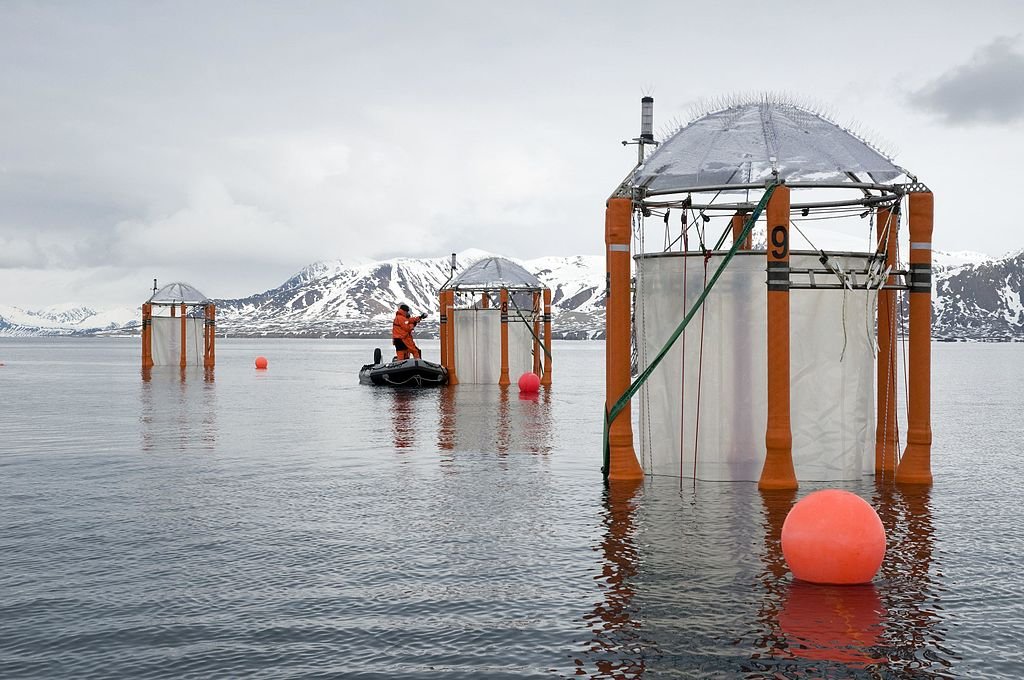
Ocean acidification, a byproduct of increased atmospheric CO2, affects marine life, particularly organisms with calcium carbonate shells. These changes can disrupt the food chain, pushing species that rely on these organisms as food sources to seek new territories and prey, thereby modifying migration routes.
Overfishing: Disturbing Marine Ecosystems

Commercial fishing has drastically altered marine ecosystems, as overfishing depletes populations of key species like tuna and cod. This reduction forces predators like sharks and dolphins to travel further and adjust their migration patterns in search of alternative food sources.
Pollution: An Increasing Barrier
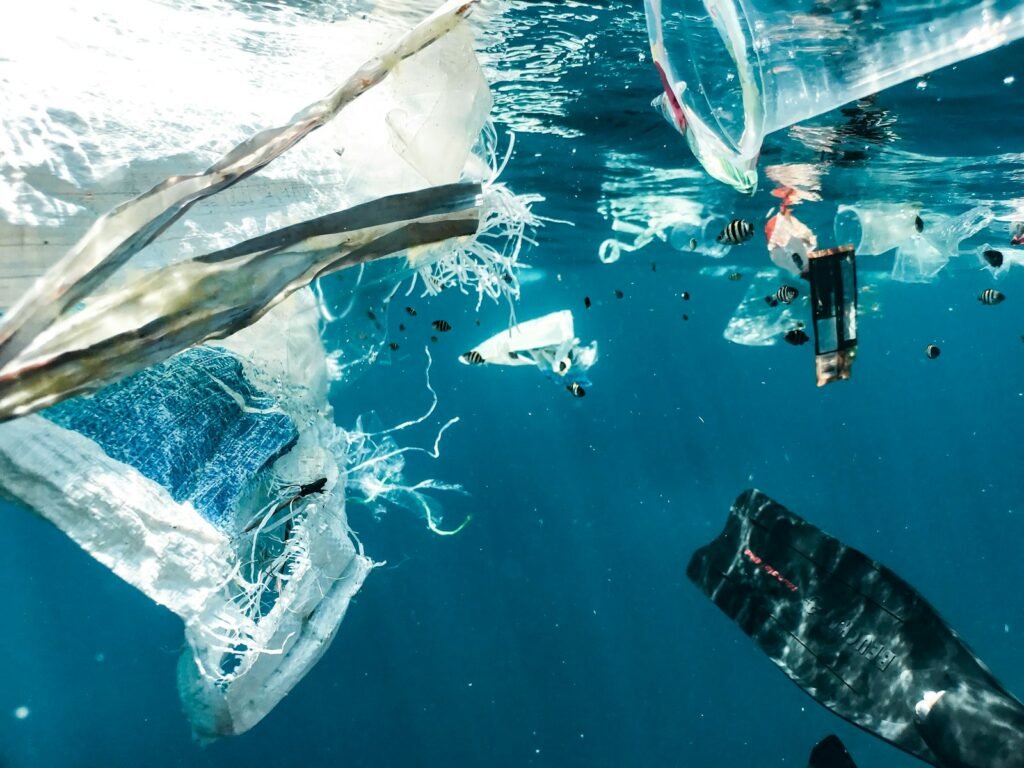
Marine pollution in the form of plastics, chemicals, and oil spills can create uninhabitable zones, compelling marine species to detour or abandon traditional migratory pathways. This pollution not only affects the health of marine creatures but also disorients them, impacting their navigational abilities during migrations.
Shipping Lanes: Disrupting Natural Routes
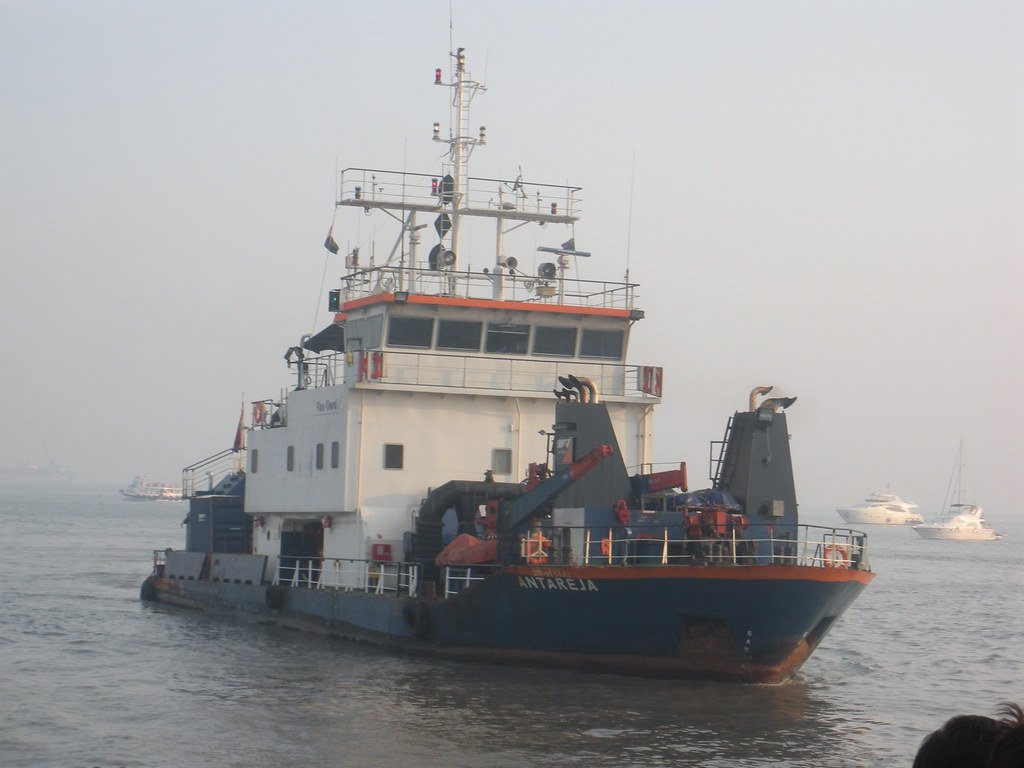
The expansion of global shipping has introduced additional obstacles for migrating marine animals. Collisions with ships, noise pollution, and increased human activity in shipping lanes can interfere with migration by deterring or injuring animals, forcing them to find alternate routes.
Coastal Development: Shrinking Habitats
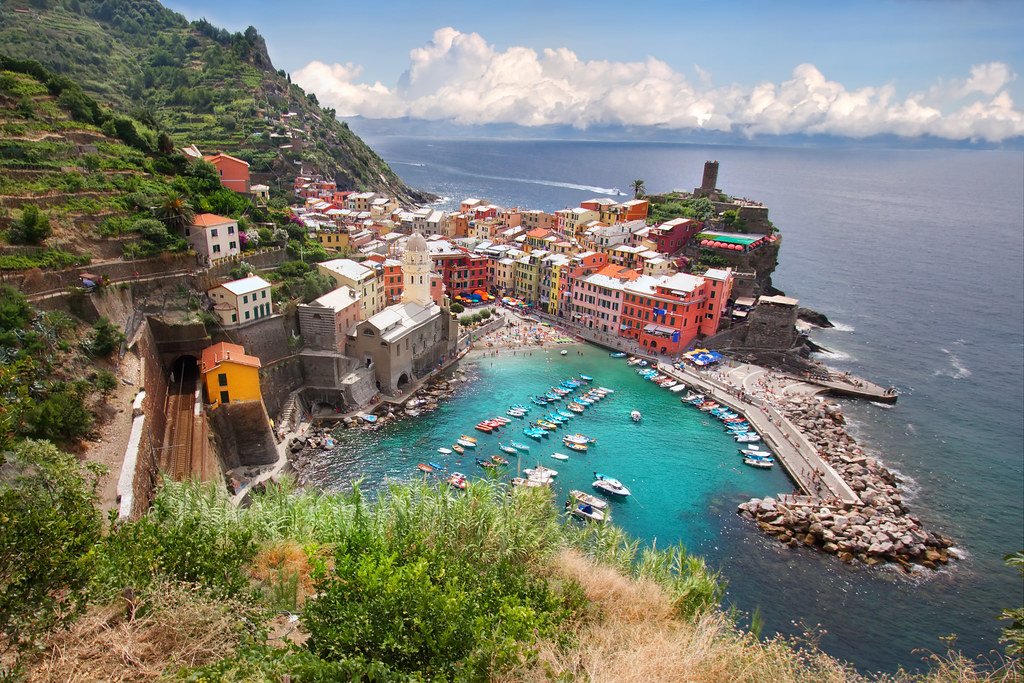
Human development along coastlines, including construction, pollution, and habitat destruction, reduces the availability of essential breeding and feeding grounds. Marine species such as sea turtles face increased difficulty when traditional nesting beaches are developed or degraded, prompting shifts in their migrational and reproductive behavior.
Case Study: The Gray Whale’s New Path

The gray whale, once abundant in the Pacific, showcases a significant shift due to human activity. Increased Arctic ice melt due to climate change has opened new water routes, prompting a northward shift in their migratory path. These changes highlight the adaptability of species but also the vulnerability they face due to rapid environmental shifts.
Efforts Towards Mitigation and Conservation
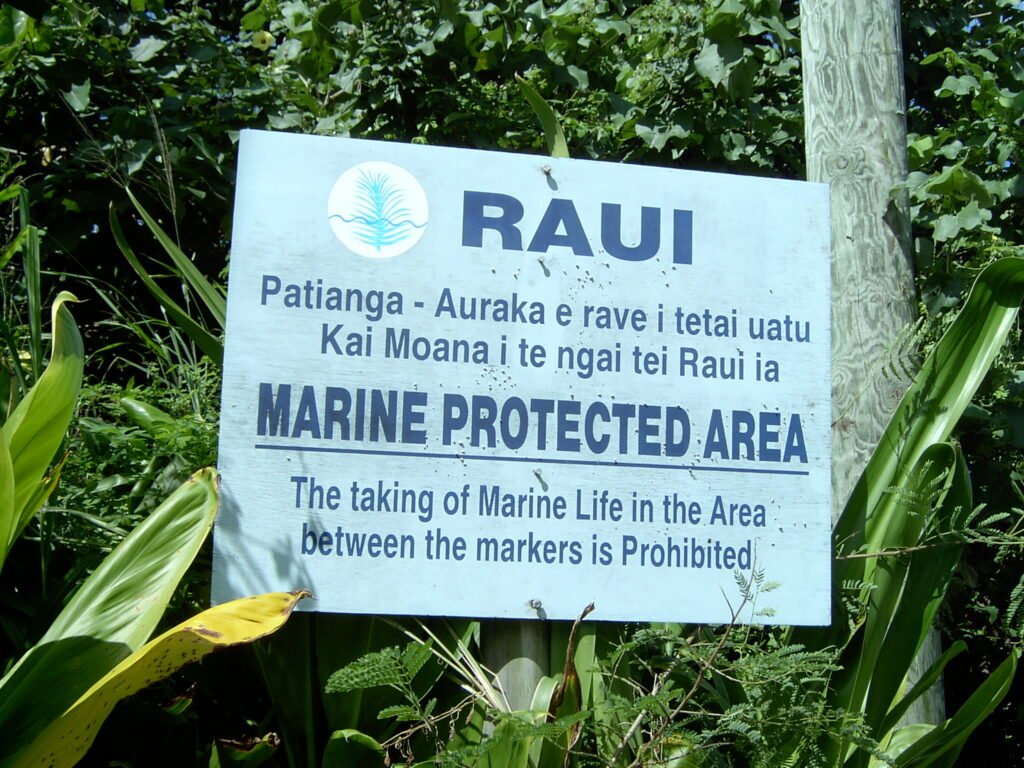
Recognizing the profound impact of human activities on marine migration, global efforts are underway to mitigate these effects. Marine protected areas (MPAs), stricter pollution regulations, sustainable fishing practices, and international agreements on carbon emissions represent concerted efforts to preserve marine ecosystems and their migratory inhabitants.
Conclusion: Navigating Towards a Balanced Future

As human influence continues to reshape the ocean’s landscape, the ability of marine species to adapt is put to the test. Conservation and sustainable practices are crucial to safeguarding these ancient migratory paths. By understanding and curbing our impact, we can help ensure a future where marine species can continue their dynamic dance across the seas, maintaining their vital role in global biodiversity and the health of our planet. Embracing our role as stewards of the ocean, we can inspire change and protect the wonders of marine migration for generations to come.